
 EN
EN
 English
 Español
 Français
 Português
 عربى
عربى
What Makes a Wet Wire Drawing Machine the Right Choice for High-Speed Wire Production?
Content
- 1 What Is a Wet Wire Drawing Machine?
- 2 Core Working Principle of Wet Wire Drawing
- 3 Main Components and Their Functions
- 4 Types of Wet Wire Drawing Machines
- 5 Key Parameters to Evaluate When Selecting a Wet Wire Drawing Machine
- 6 Common Operational Challenges and How to Address Them
- 7 Maintenance Schedule Recommendations for Long-Term Reliability
What Is a Wet Wire Drawing Machine?
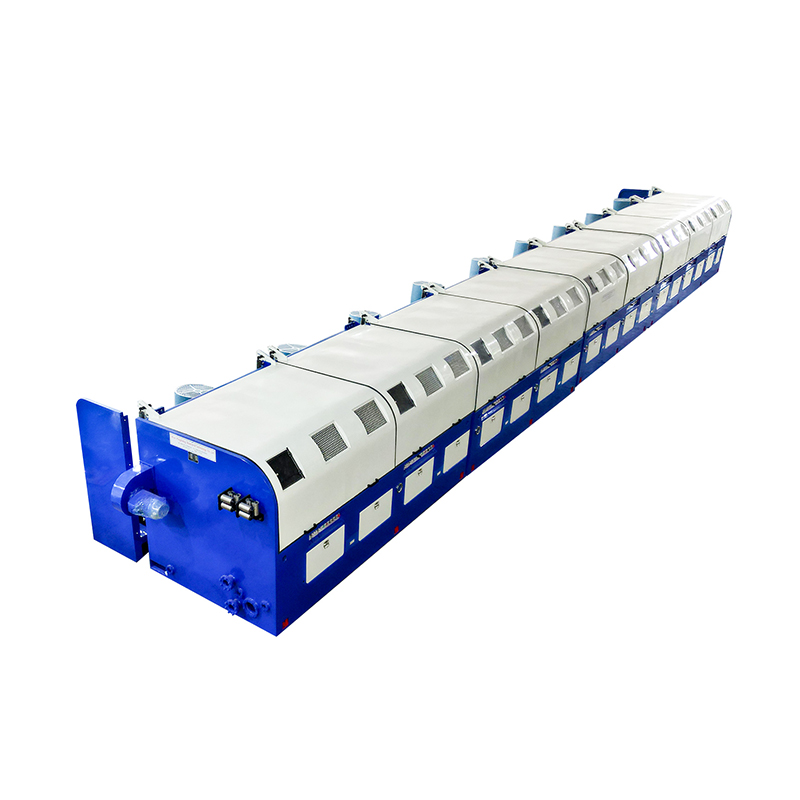
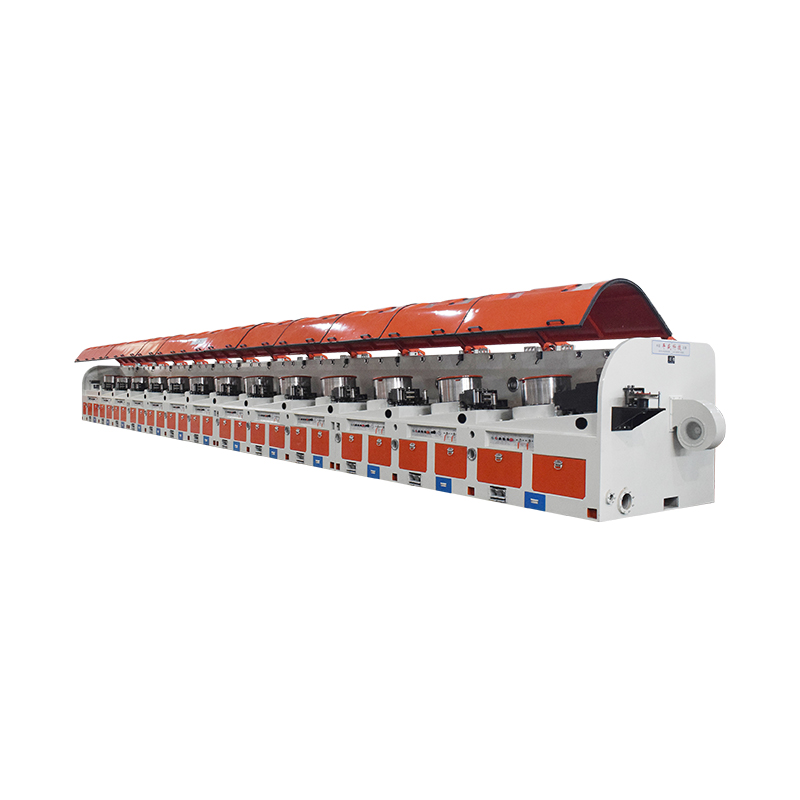
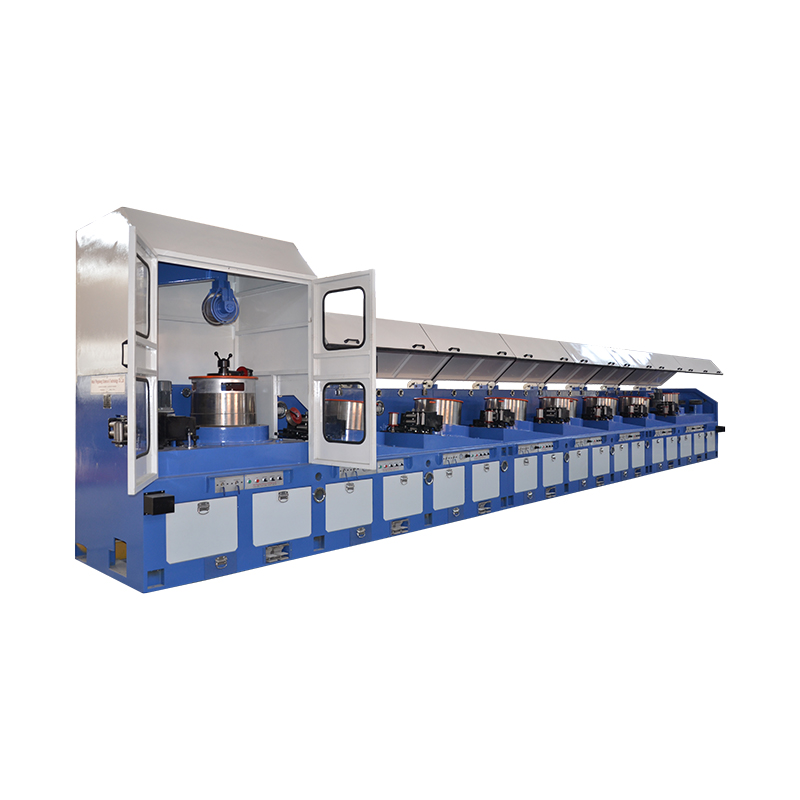
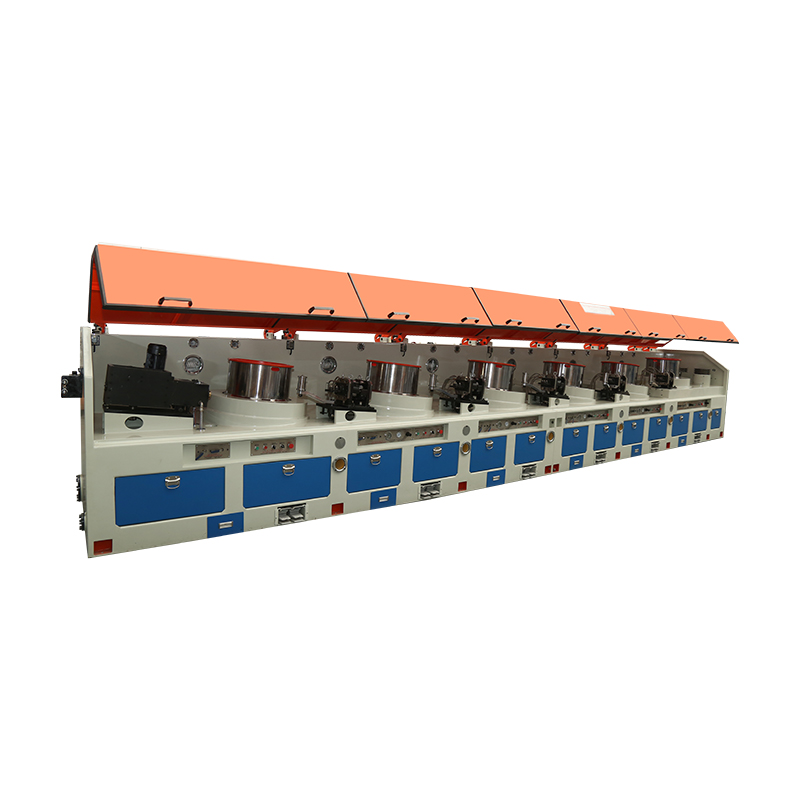
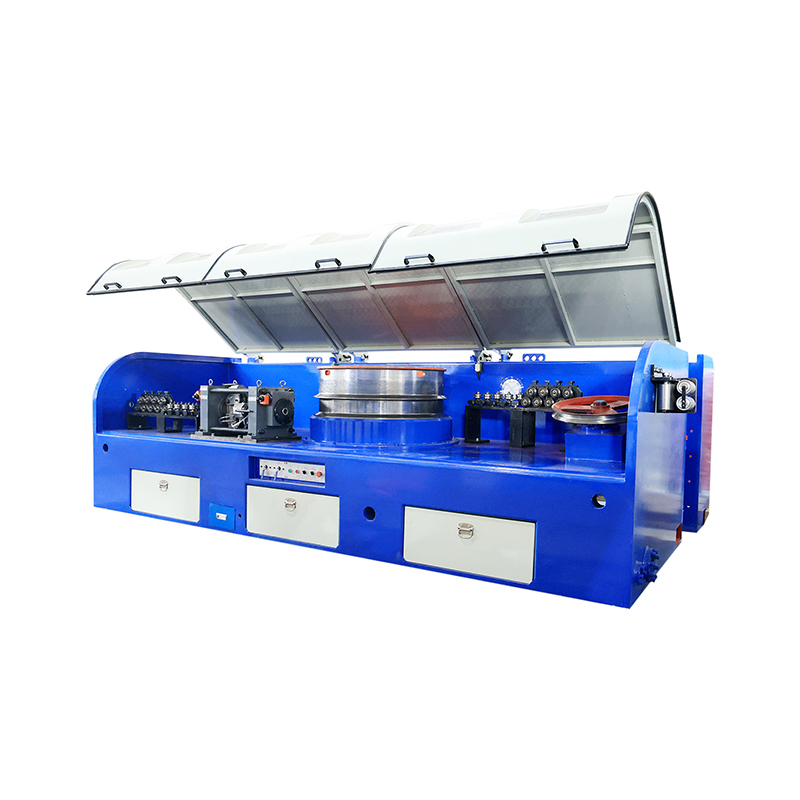
A wet wire drawing machine is an industrial equipment used to reduce the diameter of metal wire by pulling it through a series of progressively smaller drawing dies, all while submerging the wire and dies in a liquid lubricant — typically an emulsion-based or soap-based coolant solution. The continuous immersion in lubricant is what distinguishes wet drawing from dry drawing, and it is this fundamental design difference that makes wet wire drawing machines indispensable for producing extremely fine wire with tight dimensional tolerances and superior surface quality.
These machines are most commonly used for drawing non-ferrous metals such as copper, aluminum, brass, and stainless steel into fine wire, often below 0.5 mm in diameter. The end products serve critical roles in electrical cables, spring manufacturing, welding wire, mesh production, medical devices, and precision electronic components. Understanding how these machines work — and what to look for when selecting one — can significantly impact product quality and production efficiency.
Core Working Principle of Wet Wire Drawing
The operating principle of a wet wire drawing machine centers on plastic deformation. A wire rod or coarser wire is threaded through a die with a precisely tapered hole. As the wire is pulled through under tension, it is forced to conform to the die geometry, reducing its cross-sectional area while increasing its length. This process is repeated across multiple drawing blocks — each stage using a die with a slightly smaller aperture — until the wire reaches the target diameter.
What makes wet drawing particularly effective for fine wire is the role of the coolant bath. The lubricant simultaneously reduces friction between the wire and die surface, dissipates heat generated by plastic deformation and friction, prevents die wear, and flushes away metallic debris. Without adequate lubrication and cooling at high drawing speeds — which can exceed 2,500 meters per minute on modern machines — surface defects, wire breakage, and premature die failure would become unavoidable problems.
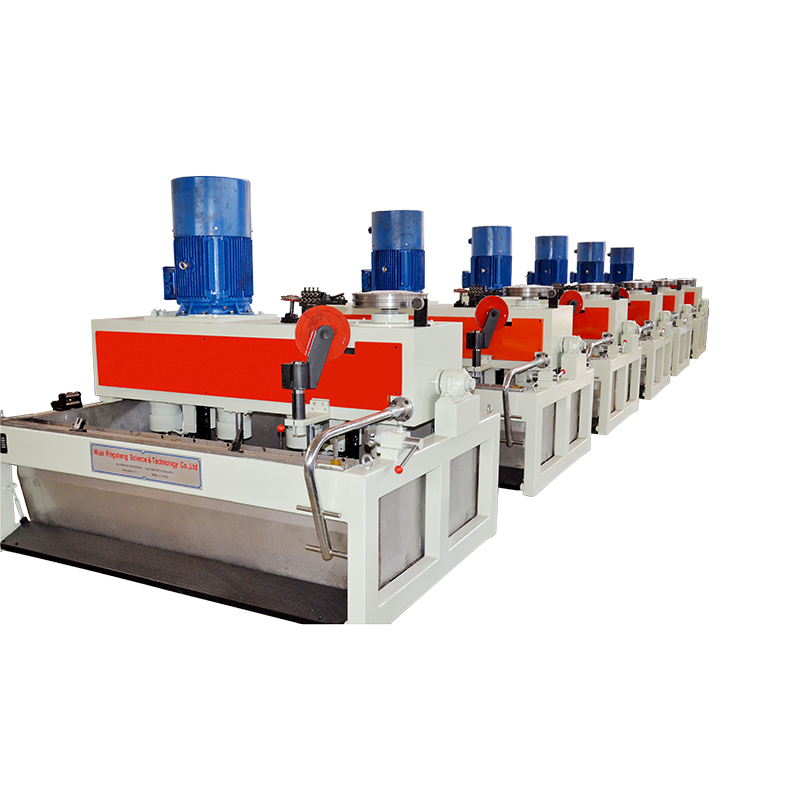
The drawing speed at each capstan or drawing block is carefully synchronized using a cascading speed control system. Since the wire elongates as its diameter decreases, each successive block must rotate faster than the previous one to maintain consistent tension and prevent wire slack or over-tension, both of which cause breaks or dimensional inconsistencies.
Main Components and Their Functions
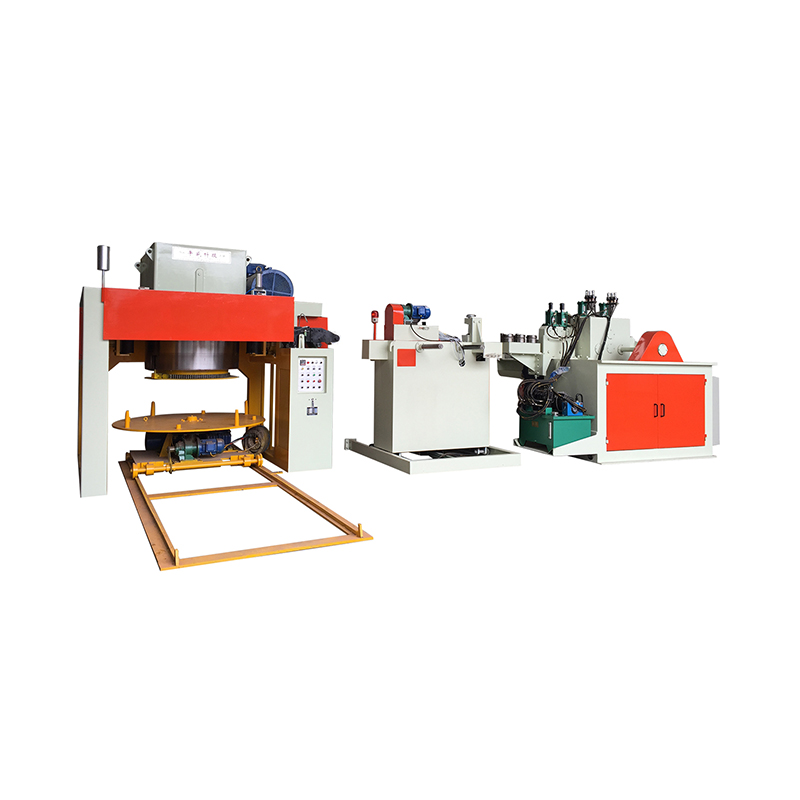
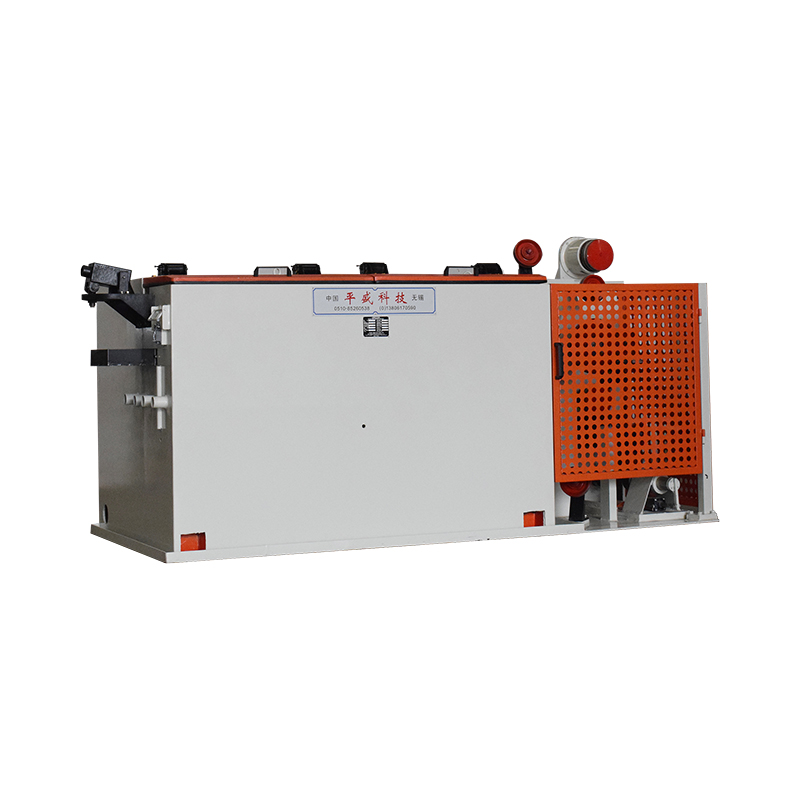
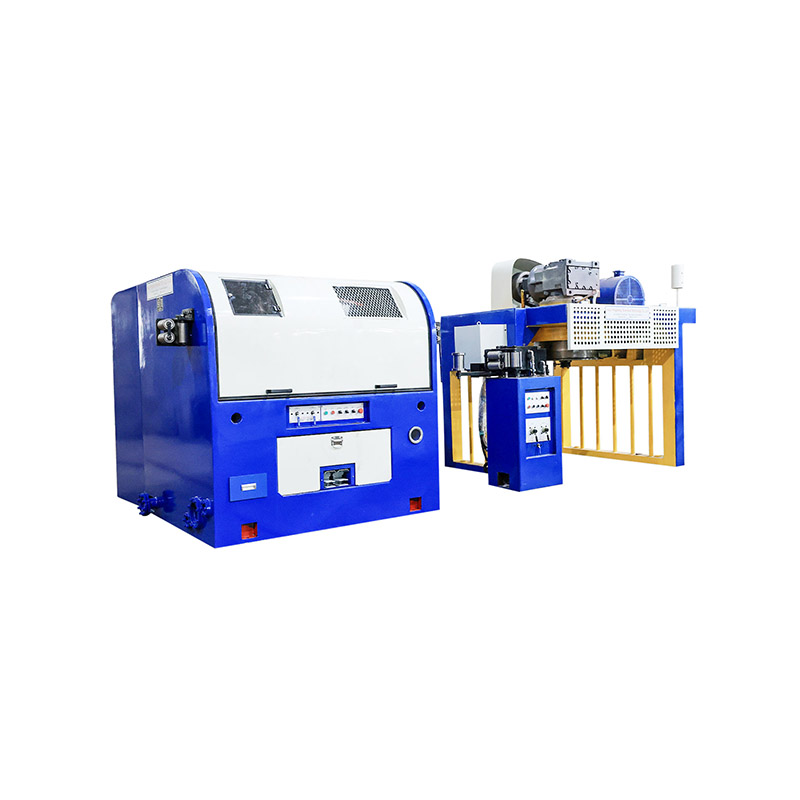
A complete wet wire drawing machine integrates several functional systems working in coordination. Understanding each component's role helps operators maintain peak performance and troubleshoot issues effectively.
Drawing Dies
Drawing dies are the most critical consumable component in the machine. They are typically made from tungsten carbide for standard applications or polycrystalline diamond (PCD) for ultra-fine wire drawing, where extreme hardness and wear resistance are required. The die geometry — specifically the approach angle, bearing length, and back relief — directly affects wire surface finish, drawing force requirements, and die lifespan. Incorrect die angles cause excessive heat buildup and accelerated wear.
Drawing Capstans and Blocks
Capstans are rotating drums that pull the wire through each die and accumulate it before passing it to the next drawing stage. In wet machines, capstans are typically submerged in or continuously flushed with lubricant. The surface finish and diameter of the capstan affect wire wrap angle and the amount of tension applied. Worn or corroded capstan surfaces can mark the wire or cause slippage, both of which compromise output quality.
Lubrication and Cooling System
The lubricant circulation system maintains a consistent bath temperature, typically between 30°C and 50°C, using heat exchangers or chiller units. It also filters out metallic particles through centrifugal separators or fine mesh filters to prevent die scratching. The lubricant concentration must be regularly tested and adjusted — too low reduces lubrication effectiveness, while too high can cause residue buildup on wire surfaces.
Pay-Off and Take-Up Systems
The pay-off spool unwinds the input wire at a controlled tension to feed the drawing line smoothly. The take-up system winds the finished fine wire onto output spools or bobbins with precise tension control to prevent wire deformation or spool collapse. Advanced machines use dancer-roller tension control loops and servo-driven take-up systems to handle ultra-fine wire without breakage during winding.
Types of Wet Wire Drawing Machines
Wet wire drawing machines are available in several configurations, each suited to specific wire sizes, materials, and production volumes. Selecting the wrong type leads to suboptimal performance and higher operating costs.
| Machine Type | Wire Diameter Range | Typical Application | Drawing Speed |
| Multi-die Wet Drawing Machine | 0.1 mm – 2.0 mm | Copper conductor wire, fine steel wire | Up to 2,500 m/min |
| Micro Wire Drawing Machine | 0.01 mm – 0.3 mm | Medical wire, bonding wire, precision instruments | Up to 3,000 m/min |
| Stainless Steel Wet Drawing Machine | 0.1 mm – 1.5 mm | Stainless wire rope, filtration mesh | Up to 1,800 m/min |
| Combined Annealing Drawing Machine | 0.1 mm – 1.0 mm | Soft copper wire for enameling or braiding | Up to 2,000 m/min |
The combined annealing and drawing machine deserves special mention. In this configuration, the drawn wire passes through an inline electrical resistance annealing section immediately after the final drawing die. Annealing softens the work-hardened wire by restoring its crystalline structure, delivering a soft, flexible final product in a single continuous process — eliminating a separate annealing step and reducing handling damage to fine wire.
Key Parameters to Evaluate When Selecting a Wet Wire Drawing Machine
Purchasing a wet wire drawing machine is a significant capital investment, and the wrong specification can constrain production capacity for years. The following parameters should be carefully assessed during the selection process:
- Number of Drawing Dies: More dies allow a greater total reduction ratio in a single pass, reducing the need for intermediate annealing. Typical machines range from 12 to 24 die stages for fine wire applications.
- Maximum Drawing Speed: Higher speeds increase throughput but demand more precise tension control, superior die quality, and more effective lubrication. Ensure the machine's speed matches the material and target diameter.
- Motor Drive System: AC frequency inverter drives with individual motor control per capstan offer the best speed synchronization and energy efficiency. Older DC drive systems are less responsive and harder to maintain.
- Lubrication System Capacity: Evaluate tank volume, filtration type, cooling capacity, and ease of maintenance. A poorly designed lubrication system is the most common cause of premature die wear and surface defects.
- Break Detection System: High-speed machines must include ultra-fast wire break sensors that stop the machine within milliseconds to prevent wire tangling and protect the dies from damage caused by runaway wire.
- Control System: Modern PLC-based control panels with touchscreen interfaces allow operators to store drawing recipes, monitor real-time tension data, and diagnose faults efficiently. This is critical for maintaining consistent output across production shifts.
Common Operational Challenges and How to Address Them
Even well-maintained wet wire drawing machines face recurring operational challenges. Recognizing these issues early and understanding their root causes allows production teams to implement corrective action before they escalate into costly downtime or quality failures.
Frequent Wire Breakage
Wire breakage is the most disruptive issue in fine wire drawing. It can stem from inclusion defects in the input rod, excessive reduction per pass, misaligned dies, insufficient lubrication, incorrect drawing speed ratios between capstans, or surface damage on capstans. A systematic approach — starting with input material inspection and working through each drawing stage — is necessary to isolate the cause. Reduction schedules should be reviewed to ensure no single die is taking more than the material's work-hardening rate can accommodate.
Die Wear and Poor Surface Finish
Accelerated die wear typically results from contaminated lubricant, incorrect die material for the application, or drawing speeds that exceed the lubricant's film-forming capability. Monitoring lubricant filtration intervals and conducting regular die bore inspections using optical comparators or digital microscopes prevents this from becoming a chronic problem. Switching from tungsten carbide to PCD dies for very fine wire applications below 0.1 mm dramatically extends die life and improves surface finish consistency.
Lubricant Degradation
Over time, lubricant concentration drops as it is dragged out with the wire, pH shifts due to metallic contamination, and bacterial growth can occur in warm emulsion baths. Regular monitoring using refractometers for concentration checks, pH test strips, and visual inspection for discoloration or foul odor allows maintenance teams to replenish additives or replace the bath before degradation affects wire quality. Maintaining lubricant temperature below 50°C significantly slows bacterial proliferation and chemical breakdown.
Maintenance Schedule Recommendations for Long-Term Reliability
Consistent preventive maintenance is what separates high-performing wire drawing operations from those plagued by unplanned downtime. A structured maintenance program should include the following intervals:
- Daily: Check lubricant level and concentration, inspect capstan surfaces for scoring or corrosion, verify break detection sensor functionality, and monitor motor temperature and current draw.
- Weekly: Clean lubricant filters, inspect dies for bore enlargement or chipping, lubricate bearings on take-up and pay-off systems, and verify speed synchronization across all drawing blocks.
- Monthly: Full lubricant bath analysis and replacement if required, alignment check on all die boxes, inspection of electrical connections and drive inverter cooling systems, and calibration of tension control sensors.
- Annually: Complete overhaul of capstan bearings, full inspection of gearbox and drive train components, re-calibration of the control system, and assessment of machine frame alignment to ensure all die boxes remain concentric with the wire path.
Investing in a well-specified wet wire drawing machine and maintaining it rigorously delivers compounding returns: lower die consumption, fewer wire breaks, higher throughput, better surface quality, and a longer machine service life. For manufacturers targeting fine wire production at scale, the wet drawing process remains the most reliable and technically mature solution available in the wire processing industry today.