
 EN
EN
 English
 Español
 Français
 Português
 عربى
عربى
What Is a Straight Line Wire Drawing Machine and How Does It Work?
Content
What Is a Straight Line Wire Drawing Machine?
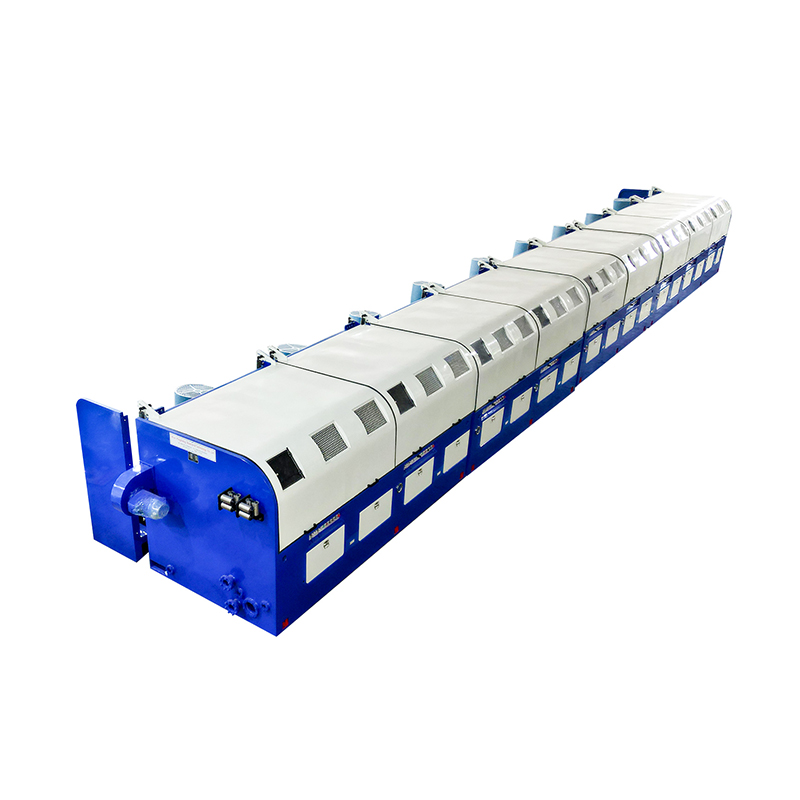
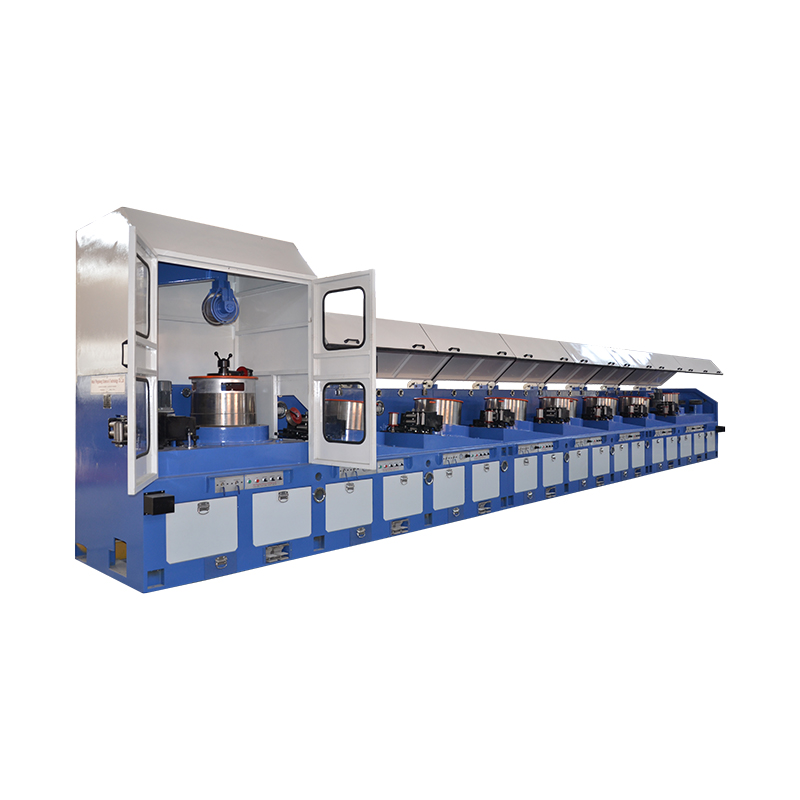
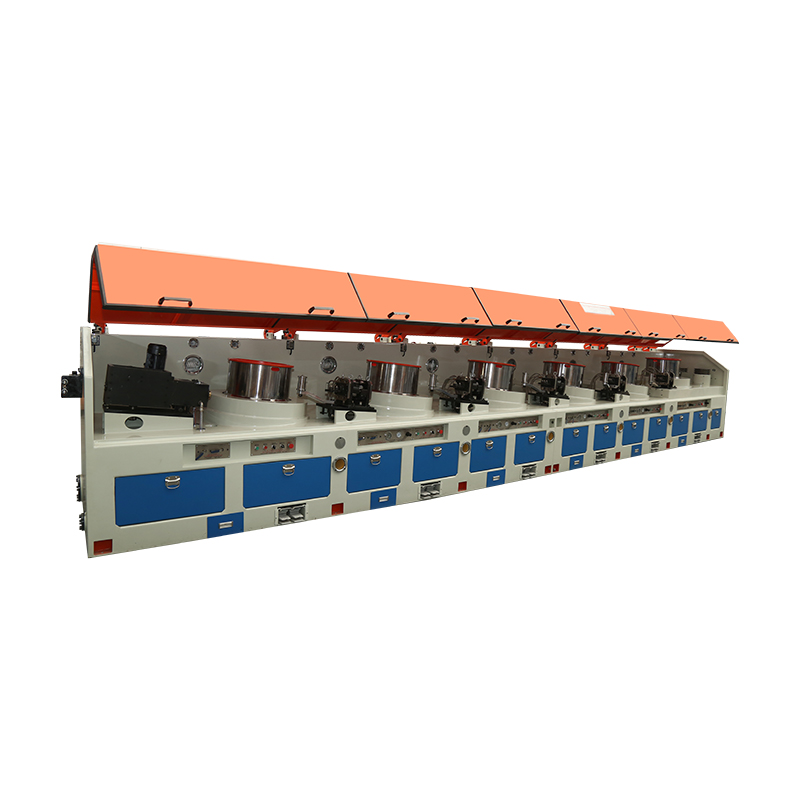
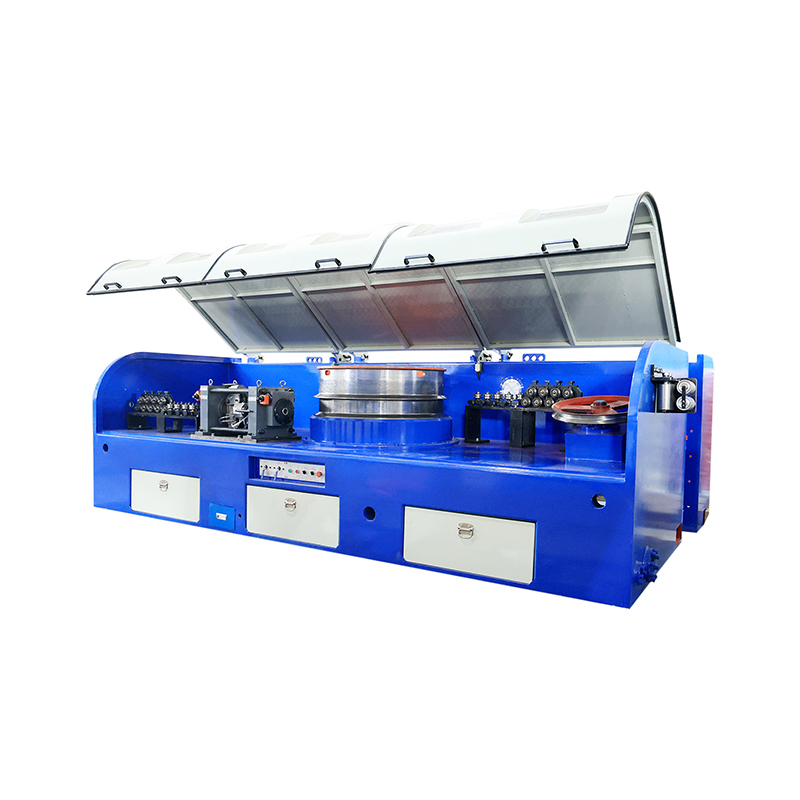
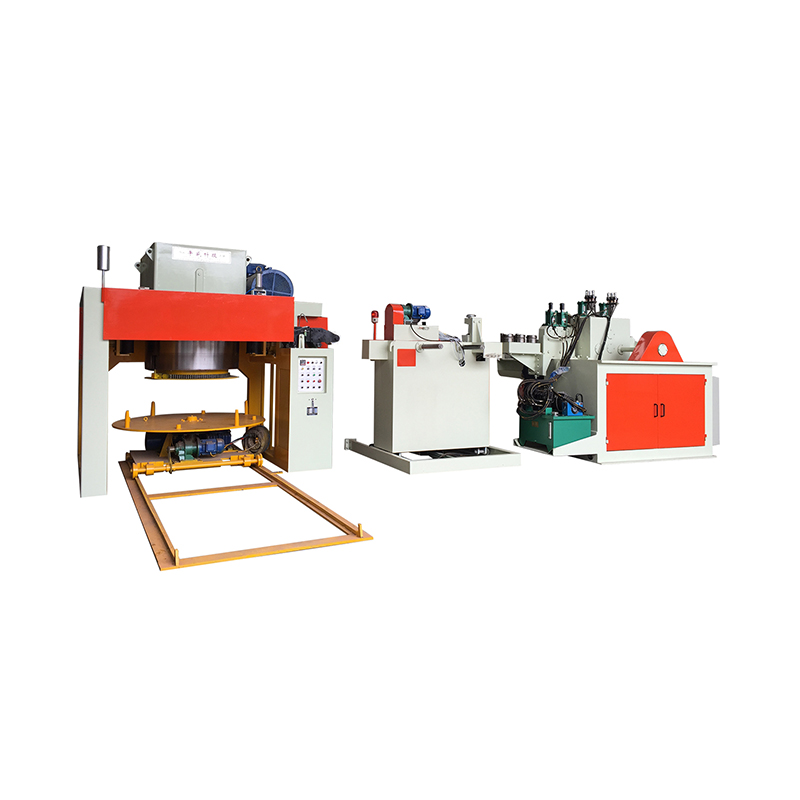
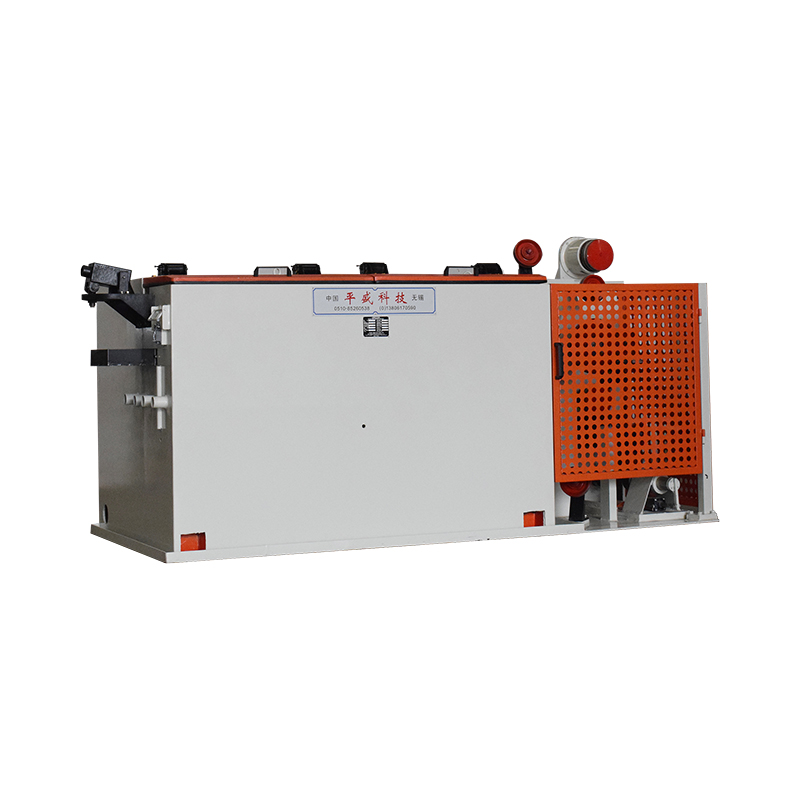
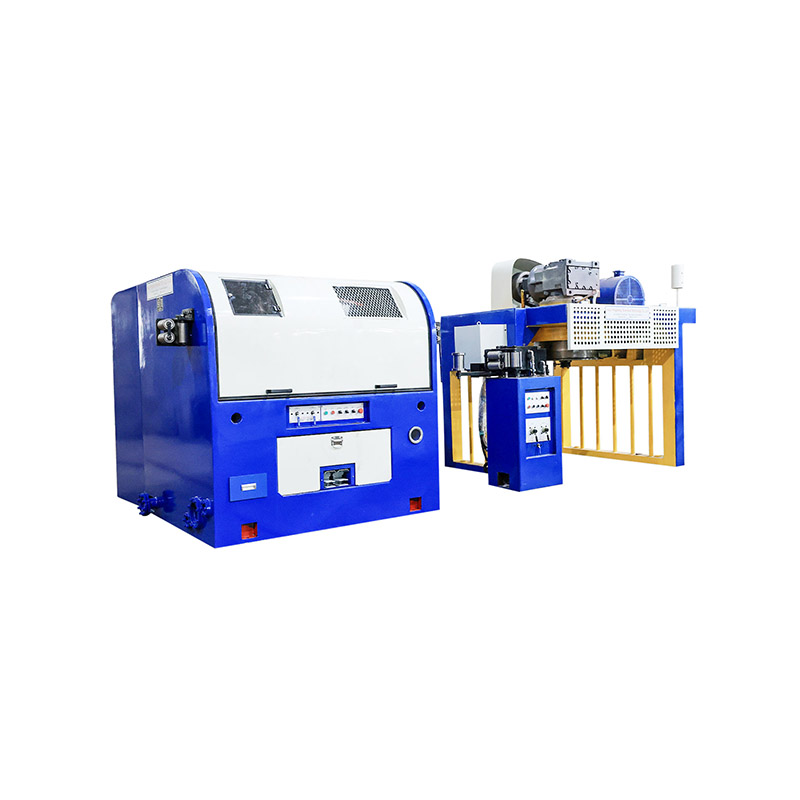
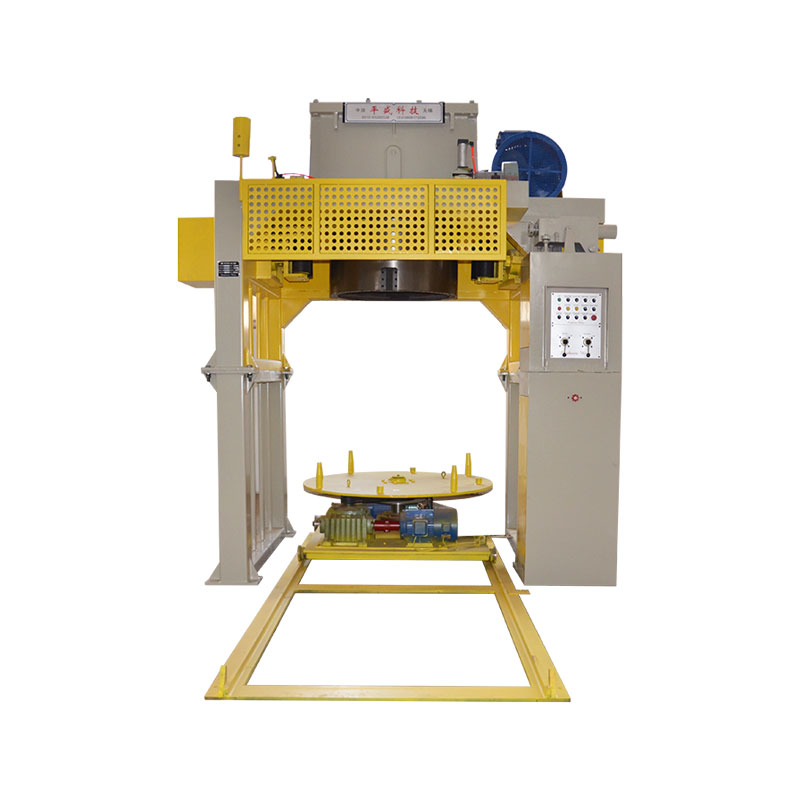
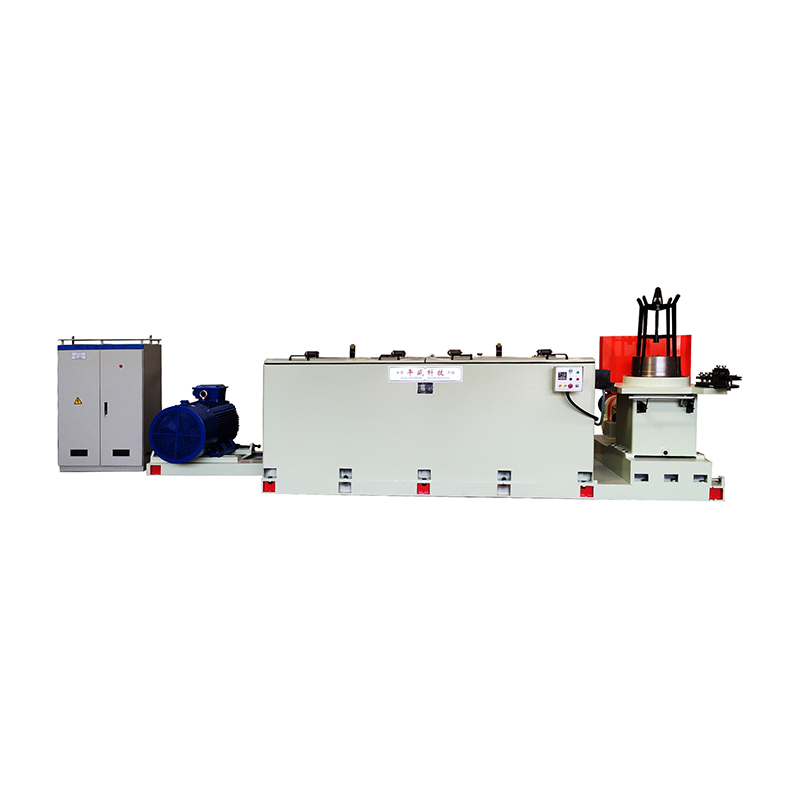
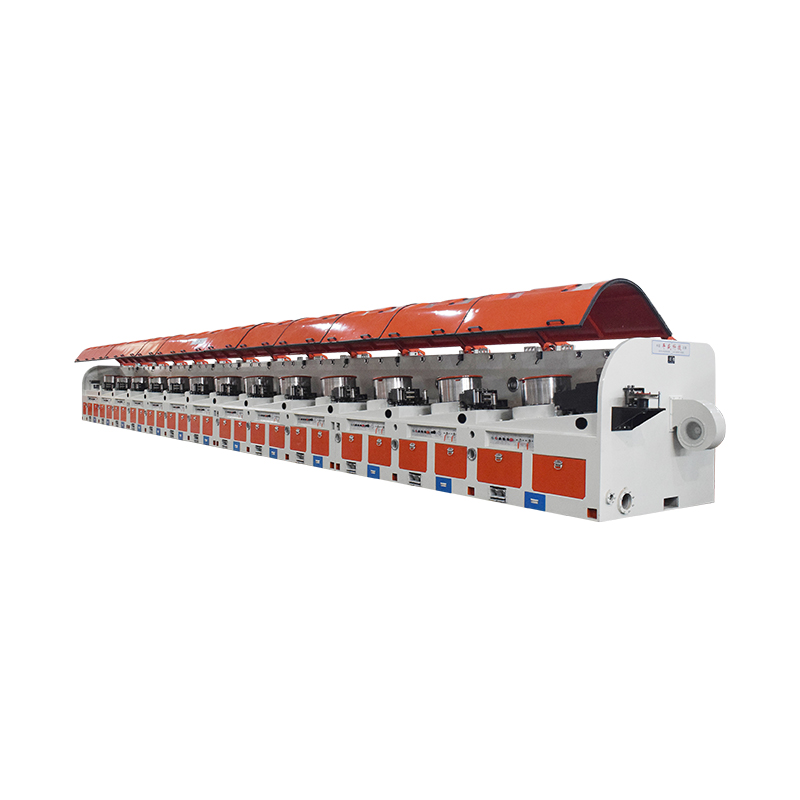
A straight line wire drawing machine is an industrial piece of equipment used to reduce the diameter of metal wire by pulling it through a series of progressively smaller dies arranged in a straight, linear configuration. Unlike bull block or slip-type drawing machines where the wire wraps around rotating capstans at angles, the straight line design keeps the wire moving in a single, continuous horizontal path from the payoff reel through each drawing die and capstan to the take-up spool. This linear arrangement is the defining mechanical characteristic of the machine and is responsible for most of its performance advantages.
The wire drawing process itself is one of the oldest metalworking techniques, used to produce wire with precise diameters, improved surface finish, and enhanced mechanical properties such as tensile strength and hardness. The straight line wire drawing machine represents the most advanced and productive configuration for this process, capable of handling a wide range of materials including low and high carbon steel, stainless steel, copper, aluminum, and various alloy wires. It is a foundational piece of equipment in industries that manufacture nails, springs, cables, welding wire, tire bead wire, and precision engineering components.
Core Working Principle
The fundamental operating principle of a straight line wire drawing machine is the controlled plastic deformation of metal wire through tensile force. The wire is fed from an input reel and pointed at its leading end to allow it to pass through the first die. A drawing die is a precision tool — typically made from tungsten carbide or polycrystalline diamond — with a tapered entry zone, a bearing zone, and an exit relief zone. As the wire is pulled through the die under tension, the tapered bore compresses and elongates the wire, reducing its cross-sectional area and increasing its length proportionally.
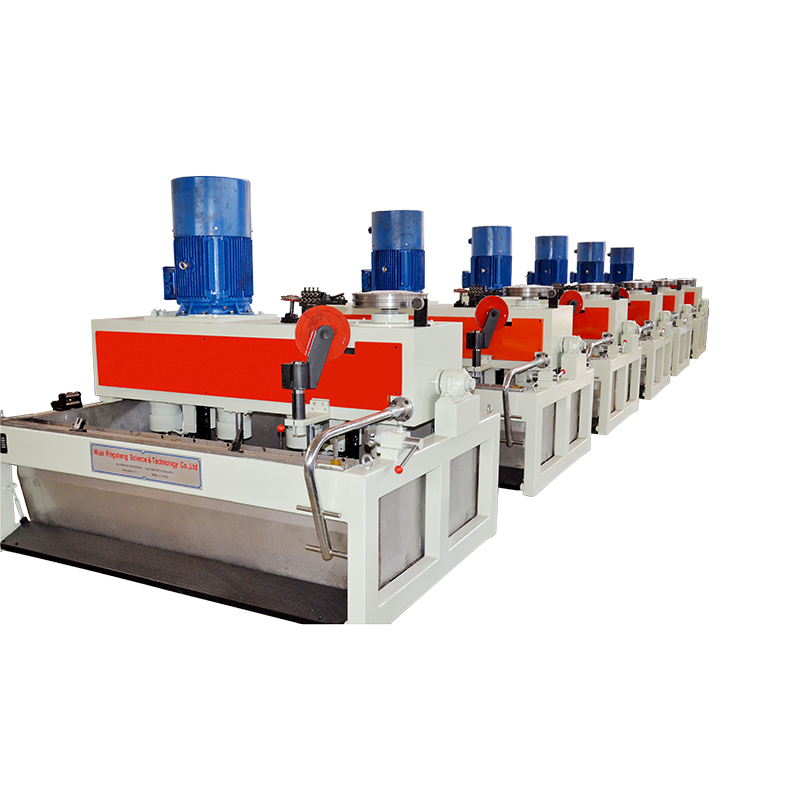
In a multi-die straight line machine, this reduction is performed sequentially across multiple drawing boxes, each containing one die and one capstan. The capstan between each die serves two functions: it pulls the wire through the preceding die and feeds it into the next one at a controlled tension. Because the wire is progressively elongated at each stage, each successive capstan must rotate slightly faster than the previous one to prevent slack or excessive back tension from building up in the wire. This synchronization of capstan speeds — managed through precision gearboxes, variable frequency drives (VFDs), or independent servo motor systems — is one of the most technically demanding aspects of straight line machine design.
The total reduction ratio across all drawing stages is carefully calculated based on the wire material's ductility and the desired final diameter. For steel wire, each individual die typically reduces the cross-sectional area by 15% to 25%, and a machine may have anywhere from 9 to 25 drawing boxes depending on the starting and target wire sizes and the required final properties.
Key Components and Their Functions
Understanding the main components of a straight line wire drawing machine clarifies how the machine achieves consistent output quality at high production speeds.
Pay-Off System
The pay-off system feeds the incoming wire rod or coiled input wire into the machine at a controlled tension. Active pay-off systems use a motorized reel with tension control feedback, while passive systems rely on a simple rotating spool with a braking mechanism. For high-speed production, active pay-off is strongly preferred because it prevents tension spikes caused by variations in coil diameter as the input stock depletes, which can cause wire breakage and production downtime.
Drawing Boxes and Dies
Each drawing box houses one die holder and one capstan. The die holder is engineered to allow quick die changes for size changeovers and to maintain precise die alignment with the wire path. The die itself is the consumable element — it wears gradually under the abrasive friction of the wire passing through at high speed — and must be inspected and replaced regularly to maintain dimensional accuracy and surface quality. Tungsten carbide dies are standard for steel wire production, while natural or synthetic diamond dies are used for fine wire and non-ferrous wire applications where extremely tight tolerances are required.
Capstan Drive System
The capstan is the rotating drum that grips the wire between die passes and provides the pulling force for the drawing operation. In straight line machines, each capstan is independently driven or linked through a precisely calibrated gearbox system. Modern machines increasingly use individual AC servo motors with encoder feedback for each capstan, giving operators the ability to fine-tune inter-capstan tension ratios electronically and respond dynamically to variations in wire properties or die wear during production.
Lubrication System
Lubrication is critical to straight line wire drawing because the die and wire interface generates significant frictional heat at high drawing speeds. Dry drawing lubricants in powder or soap form are used for steel wire, where the wire passes through a lubricant box before each die. Wet drawing — where the entire die box is flooded with liquid lubricant or emulsion — is used for fine wire, non-ferrous wire, and applications requiring superior surface finish. The lubrication system must be maintained carefully, as lubricant breakdown or contamination leads to rapid die wear, surface defects, and increased breakage rates.
Take-Up System
After the final drawing pass, the finished wire is wound onto a take-up spool or coil former. The take-up system must maintain consistent tension on the outgoing wire to ensure uniform winding without loose layers or crossed wires that would cause problems during downstream processing. Spooling machines with precision traverse mechanisms are used when the finished wire must be wound in precise, level layers for subsequent use on automated machinery.
Advantages Over Other Wire Drawing Machine Types
The straight line configuration offers several important technical and operational advantages compared to alternative wire drawing machine designs such as the bull block, the double block, or the accumulation-type drawing machine.
- No wire twisting: Because the wire travels in a straight line without wrapping around angled capstans or reversing direction, it experiences no torsional stress during drawing. This is critical for producing high-carbon steel wire, spring wire, and tire cord where any residual twist would compromise fatigue performance and straightness.
- Higher drawing speeds: Straight line machines can operate at significantly higher linear speeds than bull block machines for the same wire diameter, with modern high-speed machines reaching 20 to 25 meters per second for fine steel wire. Higher speed directly translates to greater output per machine per shift.
- Better surface quality: The absence of wire bending around capstan rims at acute angles, combined with efficient lubrication delivery at each die, results in superior surface finish on the drawn wire — a requirement for precision spring wire, bright annealed wire, and wire destined for electroplating or galvanizing.
- More consistent mechanical properties: Uniform tension distribution across the wire cross-section during straight-line drawing produces more homogeneous work hardening, leading to tighter tolerances on tensile strength and elongation compared to machines that impose bending or torsion loads.
- Easier process monitoring: The open, linear layout of the machine allows operators to visually inspect each drawing stage, monitor lubricant condition at each box, and detect wire vibration or surface defects without interrupting production.
Typical Applications and Wire Types Produced
Straight line wire drawing machines are deployed across a broad spectrum of industries wherever precision-diameter wire with controlled mechanical properties is required. The table below summarizes the most common wire products and their associated industries:
| Wire Product | Material | End Industry |
| Tire bead wire | High carbon steel | Automotive / Tire manufacturing |
| Spring wire | High carbon / alloy steel | Industrial springs, hardware |
| Welding wire (MIG/TIG) | Low carbon / stainless steel | Welding consumables |
| Nail wire | Low carbon steel | Construction fasteners |
| Stranded cable wire | Copper, aluminum | Electrical power and signal cables |
| Prestressed concrete wire | High carbon steel | Civil engineering, construction |
| Fine wire for electronics | Copper, gold, tungsten | Semiconductor, medical devices |
The range of wire diameters achievable on straight line machines spans from coarse rod breakdown (starting from 5–6 mm rod down to 1–2 mm intermediate wire) all the way to ultra-fine wire production at diameters below 0.1 mm for specialized electronic and medical applications. Different machine configurations and die materials are required at each end of this spectrum.
Key Factors to Evaluate When Purchasing a Straight Line Wire Drawing Machine
Investing in a straight line wire drawing machine is a significant capital decision, and the specifications of the machine must be carefully matched to the production requirements of the buyer. The following factors should be thoroughly evaluated before committing to a purchase.
Number of Drawing Passes and Reduction Capacity
The number of drawing boxes determines the total reduction ratio the machine can achieve in a single pass. A machine with more passes can achieve a greater total reduction, reducing or eliminating the need for intermediate annealing. For high-carbon steel wire requiring large total reductions without annealing, machines with 17 to 25 passes are common. For softer materials like copper or annealed low-carbon steel, fewer passes are sufficient. Always specify the input wire diameter range and target output diameter before evaluating machine configurations.
Drive System Technology
The drive system is the heart of a straight line drawing machine. Older mechanical gearbox-driven machines are robust and low-maintenance but offer limited flexibility for changing wire products or sizes. Modern machines equipped with individual AC servo drives or vector-controlled VFDs for each capstan provide superior speed regulation, energy efficiency, and the ability to fine-tune inter-capstan tension ratios through the machine's PLC control system. For production facilities running multiple wire grades or frequent size changes, the investment in advanced drive technology pays back rapidly through reduced setup time and improved yield.
Maximum Drawing Speed and Motor Power
Drawing speed determines output rate per unit time, but it must be matched to the machine's cooling and lubrication system capacity. Higher-speed machines require more powerful motors, more effective die cooling, and more sophisticated lubrication delivery systems. Specify the required output tonnage per shift and work backward from the wire diameter and density to determine the minimum acceptable drawing speed for your production targets.
Control System and Automation Level
Modern straight line drawing machines are offered with varying levels of automation, from basic relay-logic control panels to fully integrated PLC and HMI systems with remote diagnostics, automatic tension adjustment, production data logging, and predictive maintenance alerts. For high-volume production environments, advanced automation reduces operator dependency, minimizes downtime, and provides the data needed for continuous process improvement. Evaluate the control system's ease of use, availability of spare parts, and the manufacturer's technical support capability before making a final selection.
A straight line wire drawing machine is a precision-engineered system where every component — from die geometry to capstan synchronization to lubrication chemistry — must work in concert to deliver consistent, high-quality wire output at competitive production costs. Buyers who invest time in understanding the machine's operating principles and matching its specifications precisely to their production requirements will be rewarded with a reliable, high-output asset that forms the backbone of a competitive wire manufacturing operation.