
 EN
EN
 English
 Español
 Français
 Português
 عربى
عربى
What Is an OTO Pulley Type Wire Drawing Machine and How Does It Improve Wire Production?
Content
- 1 What an OTO Pulley Type Wire Drawing Machine Is
- 2 Core Components and Their Functions
- 3 Key Technical Specifications to Evaluate
- 4 OTO Pulley Type vs. Other Wire Drawing Machine Configurations
- 5 Materials Processed on OTO Pulley Type Machines
- 6 Operational Best Practices for OTO Pulley Type Machines
- 7 Selecting an OTO Pulley Type Machine for Your Production Requirements
In the wire and cable manufacturing industry, the wire drawing machine is the central piece of equipment that determines the dimensional accuracy, surface quality, mechanical properties, and production efficiency of every wire product that leaves the factory. Among the various configurations available — including straight-line, inverted, and bull block designs — the OTO pulley type wire drawing machine occupies a well-established and highly practical position in medium and fine wire production. Named after the Italian engineering tradition from which many modern wire drawing machine designs derive, the OTO pulley configuration offers a specific combination of continuous drawing capability, compact footprint, and process flexibility that makes it a preferred choice across a wide range of wire manufacturing applications. Understanding what this machine is, how it works mechanically, what technical parameters govern its selection, and how it compares to alternative drawing configurations is essential knowledge for wire plant engineers, equipment procurement specialists, and production managers.
What an OTO Pulley Type Wire Drawing Machine Is
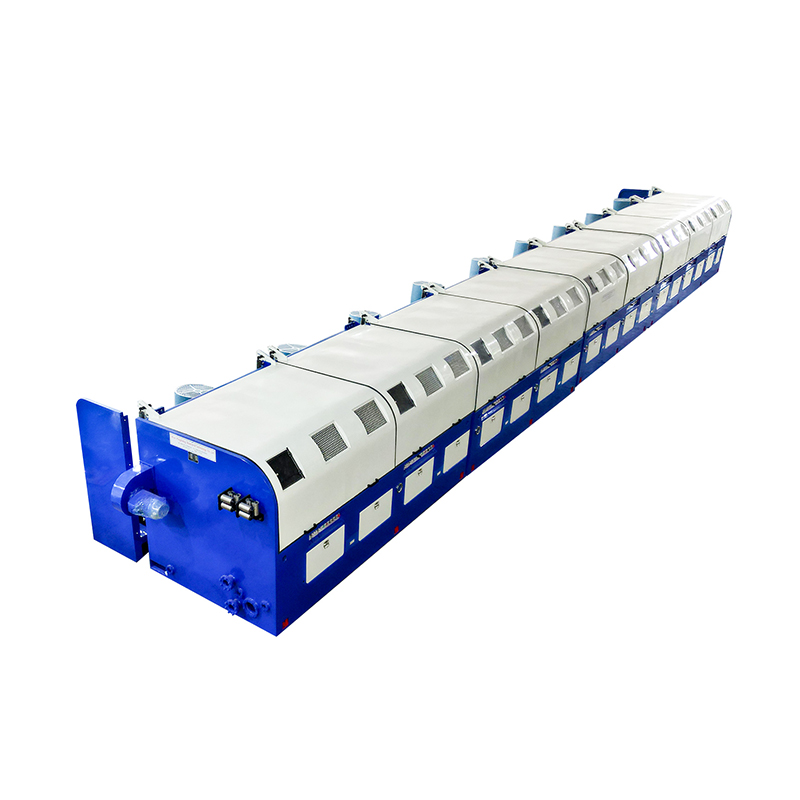
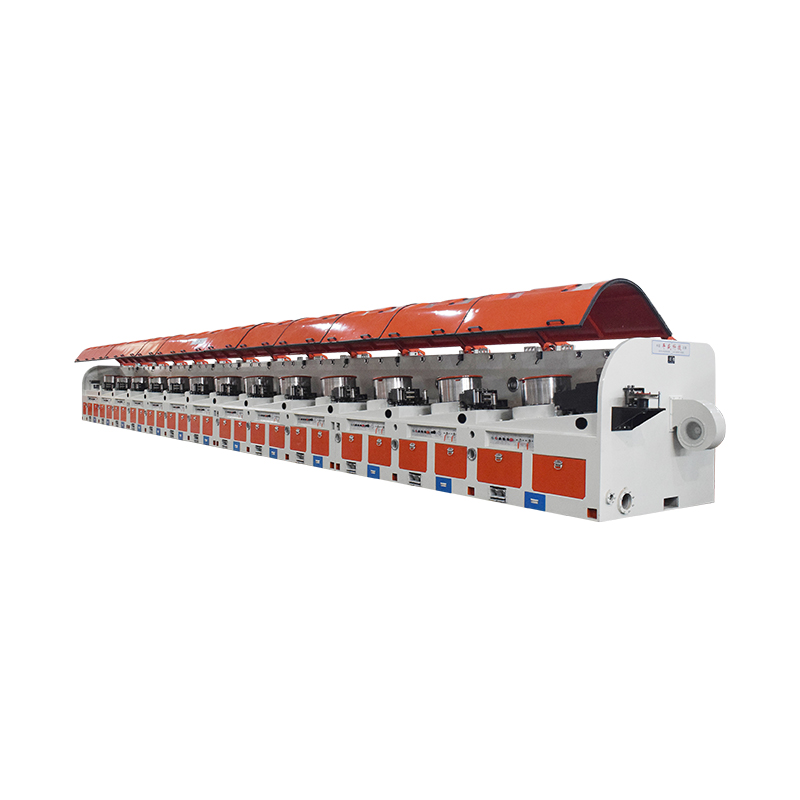
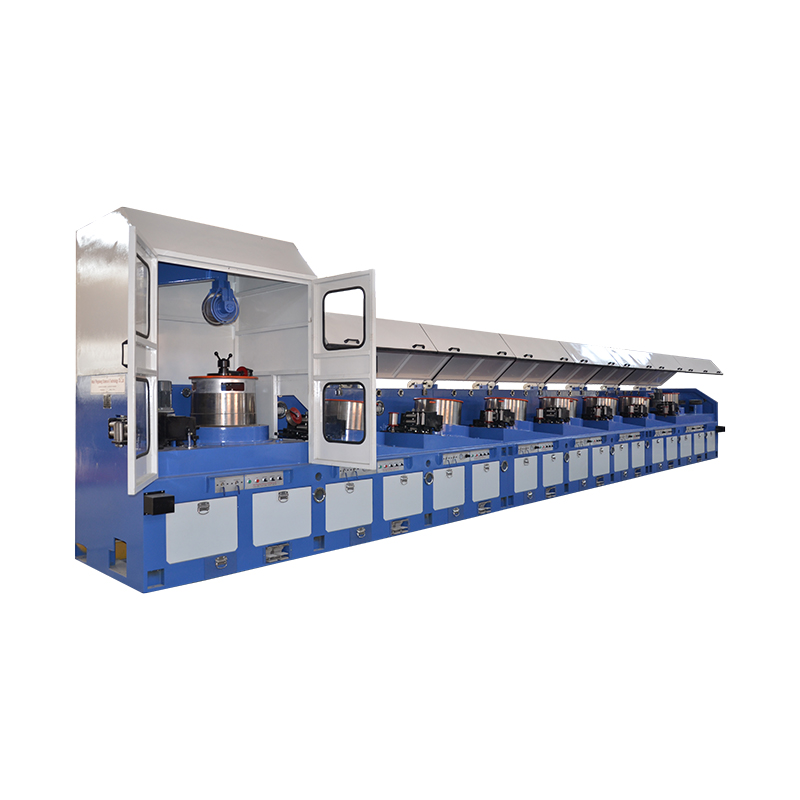
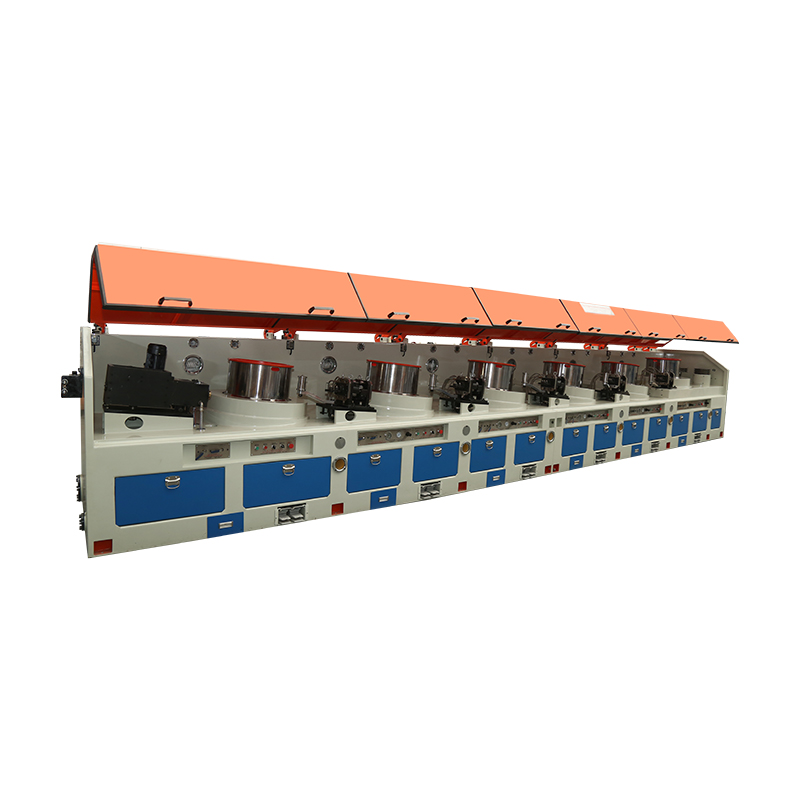
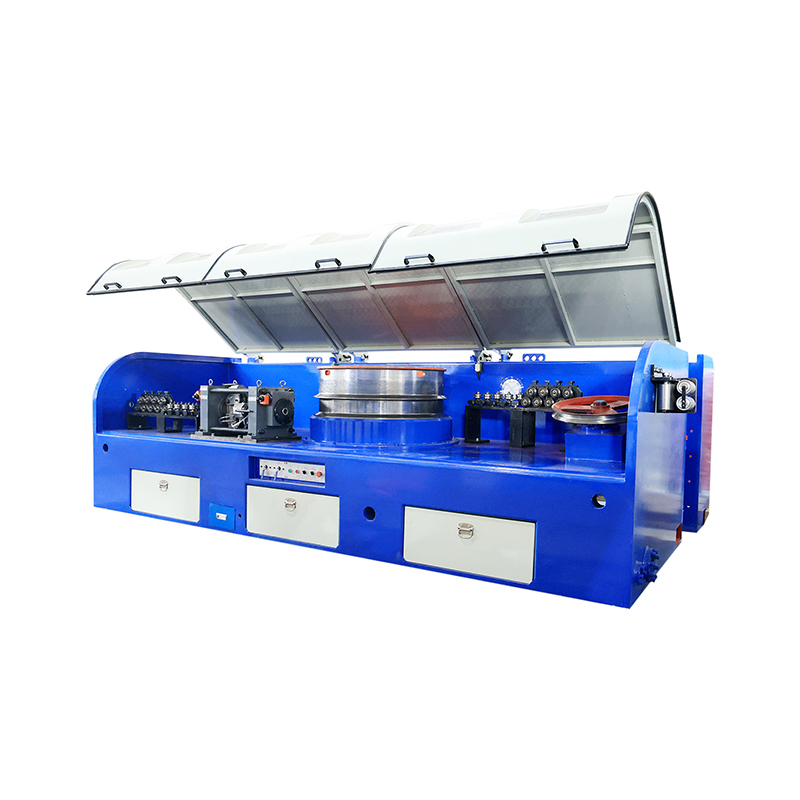
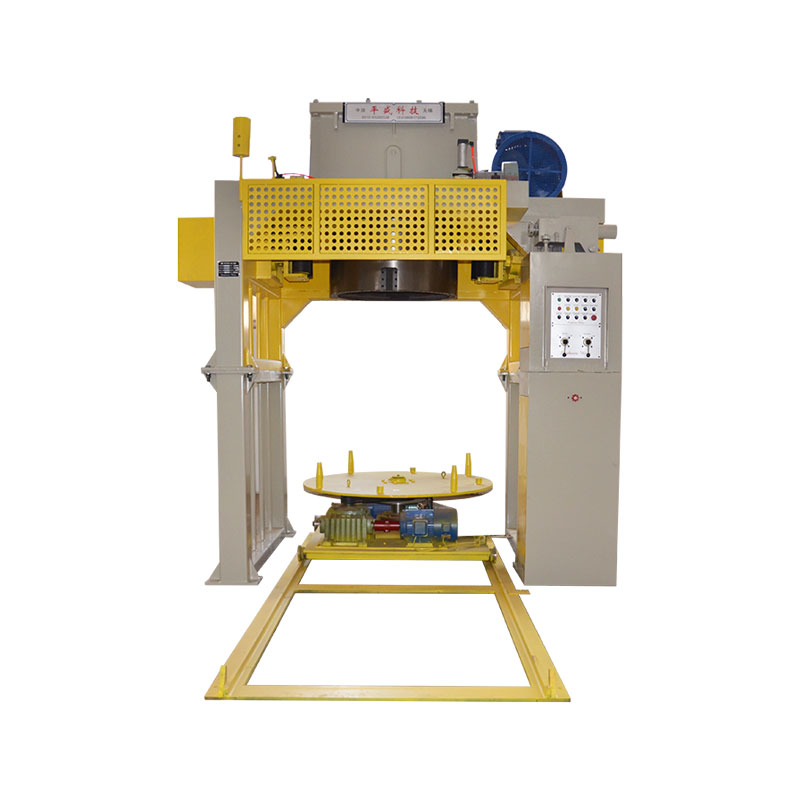
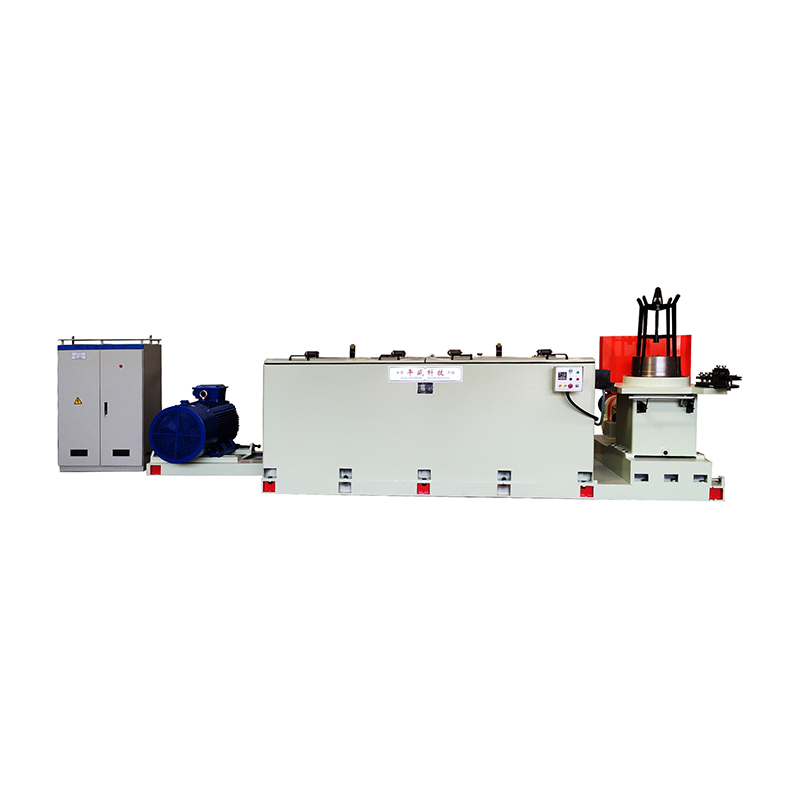
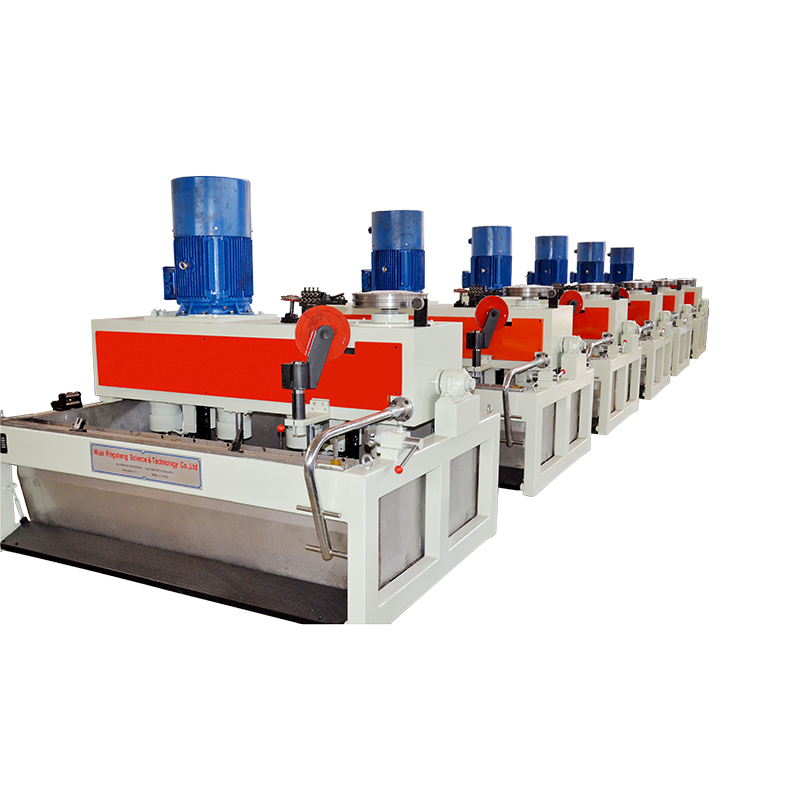
An OTO pulley type wire drawing machine is a multi-die continuous wire drawing system in which the wire is drawn through a series of progressively smaller dies arranged in sequence, with the intermediate wire between each die pass stored temporarily on a rotating pulley — also called a capstan or drawing block — rather than accumulating on a take-up spool between passes. The pulley rotates at a surface speed matched to the exit speed of the wire from the preceding die, holding the wire under tension and feeding it into the next die in the sequence without the wire being wound off and re-threaded between passes. This continuous in-line multi-pass drawing architecture is the defining characteristic of the OTO pulley design and is what distinguishes it from single-pass machines or those requiring separate take-up and pay-off between each reduction stage.
The term "OTO" in the machine's name derives from its historical association with Italian machinery manufacturers and engineering conventions in the wire drawing industry, where specific machine configurations were named and categorized according to their pulley arrangement, die box geometry, and cooling system design. In contemporary usage, "OTO pulley type" refers broadly to wire drawing machines that use the horizontal or vertical accumulating-capstan architecture with a defined number of drawing passes arranged in a compact linear or angular configuration, typically producing wire from approximately 0.5 mm down to 0.05 mm finished diameter depending on the machine's specification class.
Core Components and Their Functions
Understanding the major mechanical and process components of an OTO pulley type wire drawing machine clarifies both how the drawing process functions and which components are most critical to machine performance, quality output, and maintenance requirements.
Drawing Dies
The drawing die is the tool that actually reduces the wire diameter at each pass. In OTO pulley type machines for fine and medium wire production, the dies are typically made from synthetic polycrystalline diamond (PCD) or natural diamond for the finest wire sizes, and tungsten carbide for coarser wire reductions. Each die consists of a precisely engineered inlet cone, reduction zone (the bearing), and back relief, ground to a specific included angle — typically 8 to 16 degrees full angle for the reduction zone — that determines the drawing force required, the wire surface quality produced, and the die's service life before redressing is necessary. The die sequence in an OTO machine is designed around a defined reduction schedule — the series of area reduction percentages at each pass — that is calculated to achieve the target finished wire diameter in the minimum number of passes while keeping individual pass reductions within the range that the wire material can accommodate without work hardening to failure or surface cracking.
Capstan Pulleys and Speed Control
The capstan pulleys in an OTO machine serve the dual function of accumulating the intermediate wire between die passes and providing the tensile pulling force that draws the wire through each die. Each capstan is driven independently or through a differential gear system that automatically adjusts each capstan's surface speed to match the wire's actual exit velocity from the preceding die — accounting for the elongation of the wire as its cross-section is reduced. In modern CNC-controlled OTO machines, each capstan drive is an independently controlled variable-frequency drive (VFD) motor with closed-loop speed feedback, allowing precise speed ratio maintenance between successive capstans across the full range of operating speeds from threading-in at low speed to maximum production speed. The diameter and material of the capstan surface — typically hardened steel, tungsten carbide coating, or ceramic coating — must resist wear from the wire sliding contact and maintain a consistent friction coefficient that prevents wire slippage without damaging the wire surface.
Lubrication and Cooling System
Wire drawing is a high-energy process that generates substantial heat at the die interface and in the wire itself through plastic deformation — heat that must be removed rapidly to prevent wire annealing between passes, lubricant degradation, and die overheating. OTO pulley type machines use a closed-loop wet drawing lubrication system in which a lubricant solution — typically a soap or synthetic emulsion formulated for wire drawing — is circulated continuously through the die boxes and over the capstan surfaces, simultaneously lubricating the die-wire interface to reduce drawing force and die wear, and removing heat from both the wire and the die. The lubricant is continuously filtered to remove metal fines, and its concentration, pH, and temperature are monitored and controlled to maintain consistent lubrication performance. In high-speed fine wire drawing, the lubricant system's cooling capacity is often the primary constraint on maximum drawing speed, because exceeding the cooling capacity allows wire temperatures to rise above the threshold that produces unacceptable mechanical property changes in the finished wire.
Key Technical Specifications to Evaluate
When specifying or evaluating an OTO pulley type wire drawing machine for a specific wire production application, the following technical parameters collectively define the machine's capability, throughput, and suitability for the target product range.
| Specification | Typical Range | What It Determines |
| Input Wire Diameter | 0.5 – 8.0 mm | Maximum incoming wire size from upstream process |
| Output Wire Diameter | 0.05 – 2.0 mm | Finished wire size range achievable |
| Number of Drawing Passes | 9 – 22 dies | Total area reduction achievable in one pass through the machine |
| Maximum Drawing Speed | 300 – 2,500 m/min | Production throughput at finished wire exit |
| Capstan Diameter | 150 – 450 mm | Wire bending radius; wire fatigue at capstan surface |
| Total Installed Motor Power | 15 – 200 kW | Energy capacity for full-speed drawing of specified wire range |
| Lubricant Tank Capacity | 200 – 2,000 L | Cooling reserve; lubricant maintenance interval |
| Wire Break Detection | Electronic / mechanical | Response time; machine stop after wire break event |
The number of drawing passes is a particularly important specification because it determines the maximum total area reduction achievable in a single pass through the machine — and therefore whether the machine can reach the target finished wire diameter from the specified input diameter without requiring an intermediate annealing step. Each die pass is typically designed for 15 to 25% area reduction, and the cumulative reduction over the full die sequence determines the total elongation and work hardening imparted to the wire. Copper wire can accommodate high cumulative reductions without intermediate annealing due to its excellent ductility; steel wire has a more limited reduction range before hardening reaches levels that increase break risk, and harder specialty alloys may require even more conservative reduction schedules that necessitate more passes or intermediate annealing between drawing sequences.
OTO Pulley Type vs. Other Wire Drawing Machine Configurations
The OTO pulley type machine occupies a specific niche in the wire drawing equipment landscape, and understanding how it compares to alternative configurations helps in making appropriate equipment selection decisions for different production scenarios.
- Versus straight-line (non-accumulating) machines: Straight-line wire drawing machines draw the wire through all dies in a single straight pass without accumulating wire on intermediate capstans — the wire travels in a straight line from pay-off to take-up. This design minimizes bending stress on the wire between passes (critical for very fine or brittle wire) but requires very precise synchronization of die exit speeds with take-up speed and is generally limited to lower drawing speeds and fewer die passes in a single machine. The OTO pulley type accommodates higher speeds and more die passes in a compact layout through the capstan accumulation system, making it more productive for continuous high-speed fine wire production where the capstan bending radius is acceptable for the wire material.
- Versus inverted (overhead) capstan machines: Inverted capstan machines mount the drawing capstans overhead rather than at the operator level, with the wire path running upward from the die box to the capstan and back down to the next die. This arrangement simplifies lubricant drainage back to the tank by gravity and facilitates operator access to dies and capstans, but requires higher building headroom and has specific maintenance access implications. The OTO horizontal pulley layout is generally more compact in building height and is preferred in facilities where ceiling clearance is limited.
- Versus bull block single-pass machines: Bull block machines draw wire through a single die onto a large-diameter rotating drum (the bull block), then the block serves as the pay-off for the next drawing operation. This configuration maximizes flexibility for experimental or small-batch production and simplifies the drawing of non-standard alloys or wire sizes that don't fit a fixed die sequence, but requires much more floor space per ton of finished wire produced and involves significant manual handling between passes compared to the OTO's continuous multi-pass automation.
Materials Processed on OTO Pulley Type Machines
OTO pulley type wire drawing machines are used across a broad range of wire materials, with specific machine configuration details — die material, capstan coating, lubricant type, and drawing speed range — adapted to the mechanical and tribological properties of each material being processed.
- Copper and copper alloys: The highest-volume application for OTO pulley machines. Copper's excellent ductility allows high cumulative reductions and high drawing speeds — fine copper wire drawing machines routinely operate at exit speeds of 1,500 to 2,500 m/min for wire in the 0.1 to 0.5 mm range. Copper wire drawn on OTO machines is used for magnet wire, electrical conductors, coaxial cable center conductors, and telecommunications wire. Brass and bronze alloys are drawn at lower speeds due to their higher work hardening rates.
- Low carbon steel: Used for wire rope, spring wire, welding wire, and binding wire production. Steel drawing requires more conservative area reductions per pass than copper, higher drawing forces, and typically lime or polymer-based dry lubricants or specific emulsion formulations different from those used for non-ferrous wire. OTO machines for steel wire are robustly constructed with higher power motors and more conservative speed ratings than equivalent copper wire machines.
- Stainless steel: The high work hardening rate of austenitic stainless steel grades makes continuous multi-pass drawing on OTO machines feasible only for limited total reductions before intermediate annealing is required. Stainless wire drawing requires hard carbide or PCD dies, specialized lubricants, and lower drawing speeds than carbon steel or copper of comparable diameter to maintain acceptable surface quality and prevent die overloading.
- Aluminum and aluminum alloys: Aluminum wire drawing for electrical conductor production uses OTO-type machines with specific attention to die angle optimization (aluminum prefers slightly larger die angles than copper to prevent die pickup), dry soap or oil-based lubrication systems rather than water-emulsion systems to prevent aluminum hydroxide buildup, and capstan surface materials resistant to aluminum adhesion.
Operational Best Practices for OTO Pulley Type Machines
Achieving consistent wire quality and maximum productive uptime from an OTO pulley type wire drawing machine requires attention to operating disciplines that directly affect wire quality, die life, machine reliability, and operator safety.
- Maintain die sequence integrity: The drawing reduction schedule must be followed precisely — substituting a die with a slightly different aperture diameter due to stock shortage or measurement error propagates errors through the entire downstream die sequence, altering drawing forces, surface quality, and finished wire dimensions. All dies must be measured using appropriate gauge tools before installation, and die records must track each die's usage history and measured exit diameter to schedule redressing or replacement before dimensional drift affects product quality.
- Monitor lubricant condition continuously: The lubricant in an OTO wire drawing machine degrades through mechanical shear, thermal cycling, metal contamination from die and wire wear, and bacterial growth in emulsion systems. Establish routine monitoring of lubricant concentration, pH (maintaining within the supplier's specified range — typically pH 8.5 to 9.5 for copper wire drawing emulsions), temperature, and metal content. Replace or replenish lubricant on a schedule based on these measurements rather than fixed time intervals, since actual lubricant degradation rate depends on production volume and drawn wire material.
- Optimize threading-in procedure to minimize wire breaks: Wire breaks during the threading-in phase — when the wire is initially fed through all dies and capstans at low speed before ramping to production speed — are a major source of productive time loss. Develop standardized threading procedures for each wire size and material, including the correct threading speed, capstan tension settings during threading, and the ramp rate from threading speed to production speed. Automated threading-in sequences programmed into the machine's PLC control system dramatically reduce threading time and wire break rate compared to manual threading.
- Inspect capstan surfaces regularly: Capstan surface wear — through wire sliding contact and lubricant abrasion — creates surface roughness that can mark the wire surface and eventually cause inconsistent capstan-wire friction that destabilizes the drawing process. Establish inspection intervals and surface roughness measurement criteria for capstan replacement or resurfacing, and track capstan condition data against wire surface quality measurements to identify the correlation between capstan condition and product quality in your specific application.
- Calibrate wire break detection sensitivity: Wire break detection systems on OTO machines must be set sensitively enough to stop the machine within milliseconds of a wire break — to prevent the broken wire end from wrapping around capstans and causing secondary damage — while avoiding false triggers from normal tension fluctuations during production. Calibrate the detection threshold for each wire size and material combination, and verify detector response time against the machine's rated stop response specification during commissioning and after any control system modifications.
Selecting an OTO Pulley Type Machine for Your Production Requirements
Specifying the right OTO pulley type wire drawing machine for a specific wire manufacturing operation requires defining the production requirements with enough precision that the machine supplier can configure a system that meets current needs while accommodating foreseeable product range expansion.
- Define the wire range comprehensively: Specify not just the primary product but the full range of input diameters, output diameters, alloys, and temper conditions the machine will need to process over its operational life. A machine optimized for a single product runs more efficiently but may be unable to accommodate product range expansion without significant modification — a constraint that limits manufacturing flexibility and resale value.
- Evaluate the supplier's die schedule design capability: The reduction schedule design — the specific area reduction at each pass through the machine — is a critical engineering input that significantly affects wire quality, die life, and drawing stability. Request that shortlisted machine suppliers provide engineered die schedules for your primary product specifications, and evaluate the quality and detail of this engineering support as part of supplier selection. A supplier that provides only generic reduction percentage recommendations rather than detailed die sequence engineering for your specific material and dimensional targets is providing substantially less value than one with deep drawing process engineering expertise.
- Assess after-sales support and spare parts availability: An OTO pulley type wire drawing machine operating in a wire production facility runs continuously for extended periods — often multiple shifts per day — and its downtime directly translates to lost production output. Verify the machine supplier's spare parts inventory, technical support response time, and availability of trained service engineers in your region before committing to a purchase, particularly for electronic control components and drive systems that may have long lead times if sourced from overseas.
The OTO pulley type wire drawing machine represents a mature, proven technology that remains central to efficient wire production across a wide range of materials and finished wire dimensions. Its combination of continuous multi-pass drawing capability, compact footprint, high drawing speed potential, and compatibility with automated control systems makes it one of the most productive wire drawing configurations available for medium and fine wire production. Approaching its specification, operation, and maintenance with the technical discipline these machines reward is the foundation of achieving the wire quality, die life, and productive uptime that justify the capital investment in wire drawing equipment of this class.