
 EN
EN
 English
 Español
 Français
 Português
 عربى
عربى
How Do You Choose the Right Auto Wire Pay-Off Machine for Your Production Line?
Content
- 1 What Is an Auto Wire Pay-Off Machine and How Does It Work?
- 2 Key Factors to Consider When Choosing an Auto Wire Pay-Off Machine
- 3 Comparison of Common Auto Wire Pay-Off Machine Types
- 4 Benefits a Suitable Auto Wire Pay-Off Machine Brings to Production
- 5 Practical Checklist Before Making a Purchase Decision
What Is an Auto Wire Pay-Off Machine and How Does It Work?
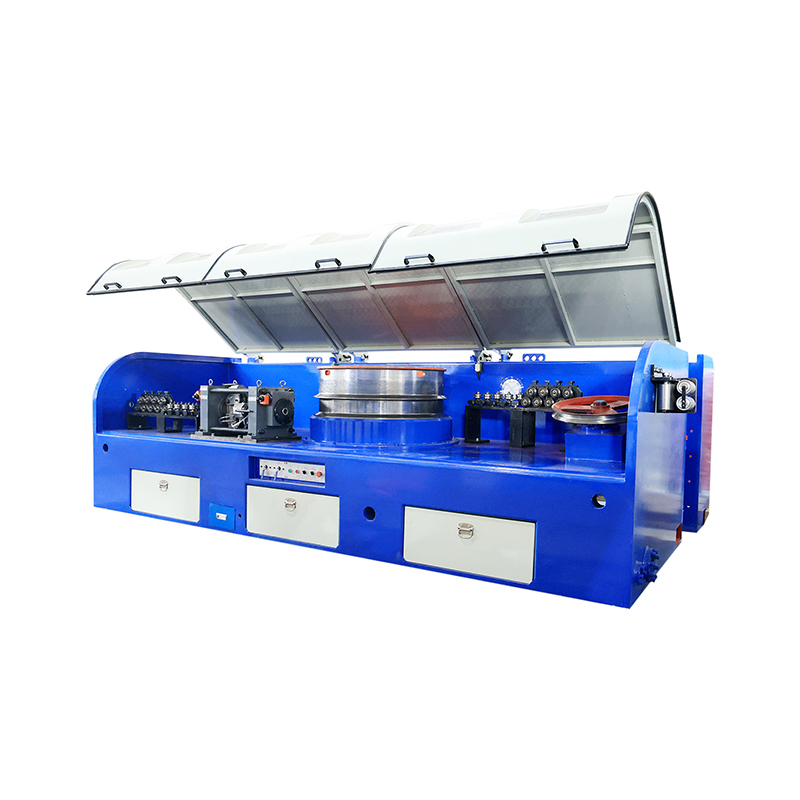
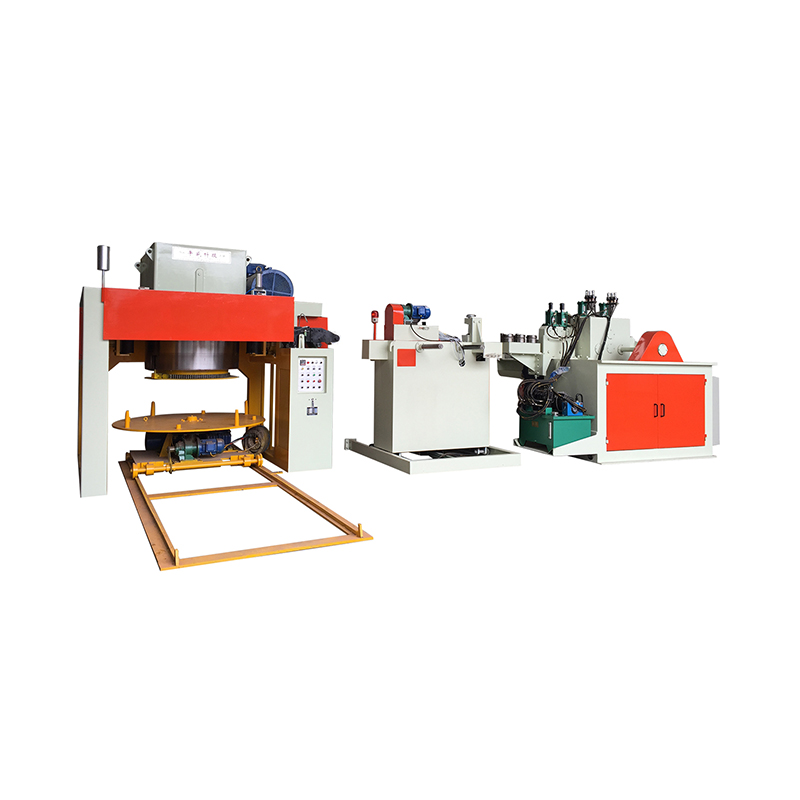
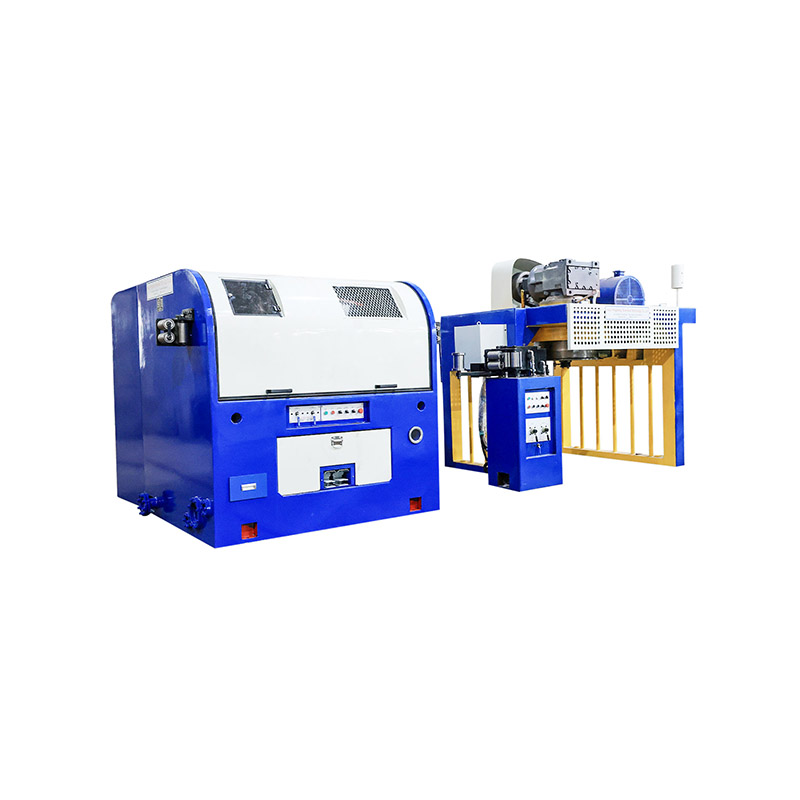
An auto wire pay-off machine is a motorized or tension-controlled piece of equipment used in wire processing, cable manufacturing, and electrical assembly lines to feed wire or cable from a spool or reel in a controlled, consistent manner. Rather than relying on manual feeding or passive drag systems, an automatic pay-off machine actively manages the unwinding process, maintaining precise tension on the wire as it feeds into downstream equipment such as wire straighteners, cutting machines, crimping presses, stranding machines, or coiling units. The result is a smooth, uninterrupted wire feed that directly supports downstream process quality and throughput.
These machines vary significantly in design depending on the application. Some use a powered spindle that rotates the reel at a controlled speed synchronized with the downstream line speed. Others use a dancer arm or tensioner system that responds dynamically to changes in wire demand from the processing equipment. More advanced models incorporate servo motor drives, programmable logic controllers (PLCs), and tension feedback loops that allow extremely precise and repeatable wire delivery across a wide range of wire types, diameters, and spool sizes. Understanding this mechanical and control foundation is the first step toward selecting the right machine for your specific production requirements.
Key Factors to Consider When Choosing an Auto Wire Pay-Off Machine
Selecting the right auto wire pay-off machine requires a systematic evaluation of your production environment, wire specifications, and operational goals. There is no universal solution — the best machine for a high-speed automotive harness line will differ substantially from what is needed for a slow-speed fine wire coiling operation. The following factors provide a structured framework for making an informed selection.
Wire Type, Diameter, and Material
The physical characteristics of the wire being processed are the most fundamental selection criterion. Wire diameter directly determines the spool capacity, the required tension range, and the drive force needed to pay off the wire without slipping or over-running. Fine magnet wire of 0.05 mm diameter requires a machine with ultra-low tension capability and extremely precise control to avoid stretching or breaking the conductor, while 6 mm² automotive cable requires a robust machine with higher torque and heavier spool capacity. Material also matters: copper wire is relatively ductile and forgiving, while aluminum wire is more prone to surface damage and requires softer tension profiles. Stranded, solid, coated, and insulated wires each have different handling requirements that must be matched to the machine's mechanical design.
Spool and Reel Dimensions and Weight
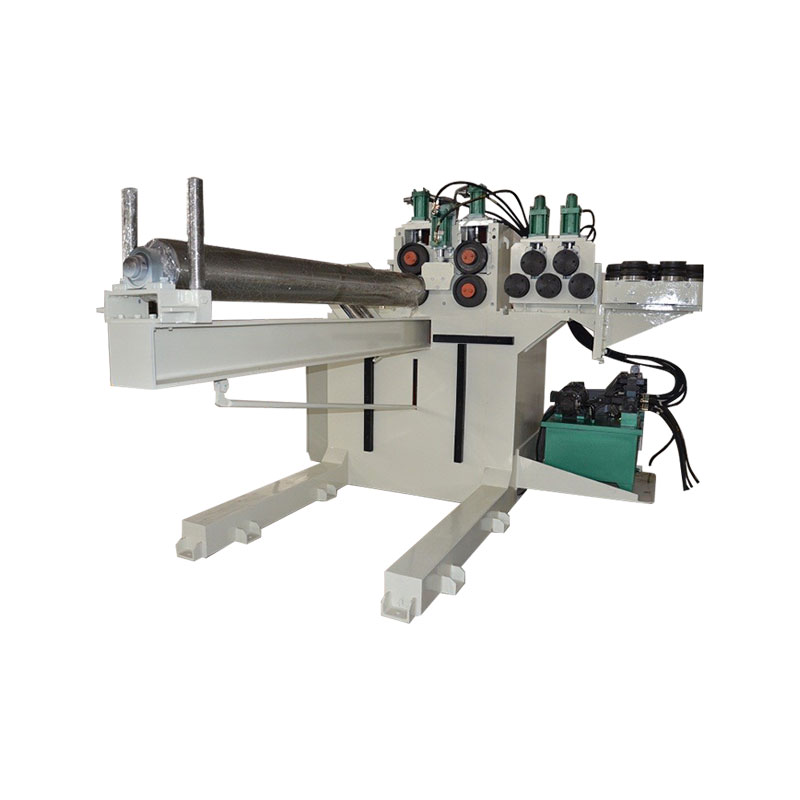
The machine must physically accommodate the spool or reel formats used in your production. Key dimensions include the spool flange diameter, core diameter, and traverse width. Weight capacity is equally critical — industrial wire spools can weigh anywhere from a few kilograms to several hundred kilograms, and the machine's spindle bearings, frame, and loading mechanism must be rated for the maximum loaded spool weight. Many manufacturers offer a range of pay-off machine models covering different spool weight classes. Selecting a machine with insufficient weight capacity results in premature bearing wear, vibration, and inconsistent tension, while an oversized machine adds unnecessary cost and floor space requirements.
Line Speed and Tension Control Requirements
The operating speed of your production line sets the minimum speed capability required from the pay-off machine. More importantly, the machine must be able to respond dynamically to speed changes — during acceleration, deceleration, and stops — without allowing the wire to go slack or apply excessive tension. For high-speed lines above 200 m/min, servo-driven pay-off machines with closed-loop tension control are generally required. For slower lines or less tension-sensitive applications, dancer-arm systems with brake tension control may be entirely adequate and more cost-effective. Specifying a machine whose tension range matches the wire's breaking strength and the downstream process tolerance ensures consistent product quality throughout the production run.
Drive and Control System Type
Auto wire pay-off machines are available with several drive and control configurations, each suited to different levels of precision and automation:
- Passive brake systems: Use a mechanical or magnetic powder brake to apply constant back-tension on the spool. Simple, low-cost, and reliable for slow to medium-speed lines with non-critical tension requirements.
- Dancer arm systems: Use a spring-loaded or pneumatically tensioned dancer arm that responds to changes in wire demand. As the dancer moves, it signals a brake or motor to adjust the pay-off rate. Well-suited to medium-speed lines requiring moderate tension consistency.
- Servo motor driven systems: Use a servo motor controlled by a PLC or motion controller to precisely regulate spool rotation speed and tension in real time. Ideal for high-speed, high-precision applications where wire tension must be held within a narrow tolerance band regardless of spool diameter change as the reel unwinds.
- Integrated line control systems: Advanced machines can communicate with the downstream processing equipment via digital I/O or fieldbus protocols (e.g., PROFIBUS, EtherCAT), enabling fully synchronized operation and centralized fault monitoring.
Spool Loading and Change Efficiency
In high-volume production environments, the time required to change a depleted spool directly affects overall equipment effectiveness (OEE). Machines designed for fast spool changeover — featuring powered lifting arms, quick-release spindle mechanisms, or automatic reel loading systems — can reduce changeover time from 10–15 minutes to under 2 minutes. For operations running multiple shifts with frequent spool changes, this efficiency gain translates directly into increased productive uptime. Evaluate whether the machine supports spool loading from the front, side, or overhead, and match this to the available floor space and material handling equipment in your facility.
Compatibility with Downstream Equipment
The pay-off machine does not operate in isolation — it is the first link in a production chain that may include straighteners, cutters, strippers, crimpers, or testing equipment. The machine's wire exit geometry, guide roller arrangement, and tension output must be compatible with the inlet requirements of the next machine in the line. Mismatched wire entry angles or excessive tension variation at the pay-off outlet can cause downstream quality issues such as inconsistent cut lengths, poor strip quality, or intermittent crimping failures. When integrating a new pay-off machine into an existing line, always verify mechanical and electrical compatibility with the equipment it will feed.
Comparison of Common Auto Wire Pay-Off Machine Types
The following table summarizes the main types of auto wire pay-off machines and their suitability for different production scenarios:
| Machine Type | Tension Control | Suitable Line Speed | Typical Application |
| Passive Brake Pay-Off | Fixed / manual adjust | Up to 50 m/min | Coiling, basic cutting lines |
| Dancer Arm Pay-Off | Dynamic, mechanical feedback | 50–150 m/min | Stranding, medium-speed cutting |
| Servo-Driven Pay-Off | Closed-loop, high precision | 150–500+ m/min | High-speed harness, fine wire |
| Heavy-Duty Reel Pay-Off | Hydraulic or servo | Variable, low to medium | Power cable, armored cable production |
Benefits a Suitable Auto Wire Pay-Off Machine Brings to Production
Investing in the right auto wire pay-off machine is not merely a matter of equipment procurement — it is a decision that directly shapes production efficiency, product quality, material utilization, and workforce safety. The benefits are tangible and measurable across multiple dimensions of manufacturing performance.
Consistent Wire Tension Improves Downstream Quality
Tension inconsistency at the pay-off stage propagates through every downstream process. Fluctuating tension causes variable wire straightness, inconsistent cut lengths, unreliable strip dimensions, and crimping force variation — all of which translate into product defects, rework, and scrap. A properly selected pay-off machine that maintains stable tension throughout the reel from full to empty eliminates this variability at its source. In automotive harness manufacturing, for example, consistent tension at the pay-off stage directly supports dimensional accuracy in cut-to-length operations, which can be held to tolerances of ±1 mm or tighter on high-precision lines.
Increased Line Speed and Throughput
A pay-off machine that cannot keep pace with the downstream line speed becomes the bottleneck that limits overall production output. Conversely, a well-matched servo-driven pay-off can feed wire smoothly at full line speed without hesitation, enabling the downstream equipment to operate at its rated capacity. Production facilities that upgrade from passive brake systems to servo pay-off machines on high-speed lines routinely report throughput improvements of 20–40%, simply by eliminating the speed ceiling imposed by the inadequate pay-off system.
Reduced Wire Waste and Material Cost
Wire is one of the most significant material costs in cable and harness manufacturing. Tension-related defects, tangled wire, bird-nesting on the spool, and inconsistent pay-off all generate wire scrap that adds directly to material cost. A suitable auto pay-off machine prevents these failure modes through controlled, consistent unwinding. Over the course of a production year, even a 1–2% reduction in wire scrap on a high-volume line can represent substantial cost savings that more than justify the capital investment in upgraded pay-off equipment.
Improved Operator Safety and Ergonomics
Manual or semi-automatic wire feeding requires operators to physically manage heavy spools, apply manual tension corrections, and frequently intervene to prevent tangles or runouts. This exposes workers to ergonomic risks including repetitive strain, heavy lifting injuries, and entanglement hazards from spinning reels. An automatic pay-off machine removes the operator from direct physical interaction with the reel during production, reducing injury risk and freeing personnel to focus on quality monitoring and higher-value tasks. Machines with powered reel loading further eliminate the most physically demanding aspect of spool management.
Reduced Machine Downtime Through Reliable Feeding
Unplanned stoppages caused by wire tangles, spool over-run, or tension faults are a persistent source of lost production time in wire processing facilities. A properly specified auto pay-off machine with active tension control virtually eliminates these interruption sources. Many modern machines also include low-wire detection sensors that trigger an alarm or automatic stop before the spool runs completely empty, giving operators time to prepare a replacement reel and execute a planned changeover rather than an emergency stop, further protecting downstream equipment and minimizing production interruption.
Practical Checklist Before Making a Purchase Decision
Before finalizing the selection of an auto wire pay-off machine, use the following checklist to confirm that all critical requirements have been addressed:
- Confirm the wire diameter range, material type, and minimum/maximum tension requirements for all wire types that will run on the machine.
- Verify that the machine's maximum spool weight and dimensions match the largest reels used in your production.
- Confirm that the machine's maximum operating speed matches or exceeds the rated speed of the downstream processing equipment.
- Evaluate the tension control system type against the precision requirements of the downstream process.
- Assess spool changeover time and loading mechanism against your production shift plan and OEE targets.
- Check electrical and communication interface compatibility with existing line control systems.
- Request a demonstration or trial run with your actual wire and spool specifications before committing to a purchase.
Choosing the right auto wire pay-off machine is a decision that pays dividends across the entire production operation. By systematically evaluating wire specifications, line speed requirements, tension control needs, and integration compatibility, manufacturers can select equipment that delivers measurable improvements in throughput, quality, material efficiency, and worker safety — making it one of the highest-return equipment investments available on the wire processing production floor.