
 EN
EN
 English
 Español
 Français
 Português
 عربى
عربى
Traditional vs. Inverted Wire Drawing Machines: Which Is Better?
Content
Understanding Wire Drawing Machine Basics
Wire drawing machines reduce the diameter of metal wire by pulling it through a series of dies, progressively decreasing its cross-section while increasing its length. This process is fundamental to producing wire used in electrical cables, springs, fasteners, and countless other industrial products. Over time, manufacturers have developed different machine configurations to optimize this process for various wire materials, production speeds, and quality requirements. Two of the most widely used configurations are traditional wire drawing machines and inverted wire drawing machines, each offering distinct advantages depending on the application.
The fundamental difference between these two machine types lies in how the capstan, or drawing block, is oriented relative to the die and how the wire is guided through the drawing process. This difference in mechanical arrangement significantly affects factors such as die wear, cooling efficiency, wire tension control, and overall production speed, making the choice between the two configurations an important decision for manufacturers.
How Traditional Wire Drawing Machines Work
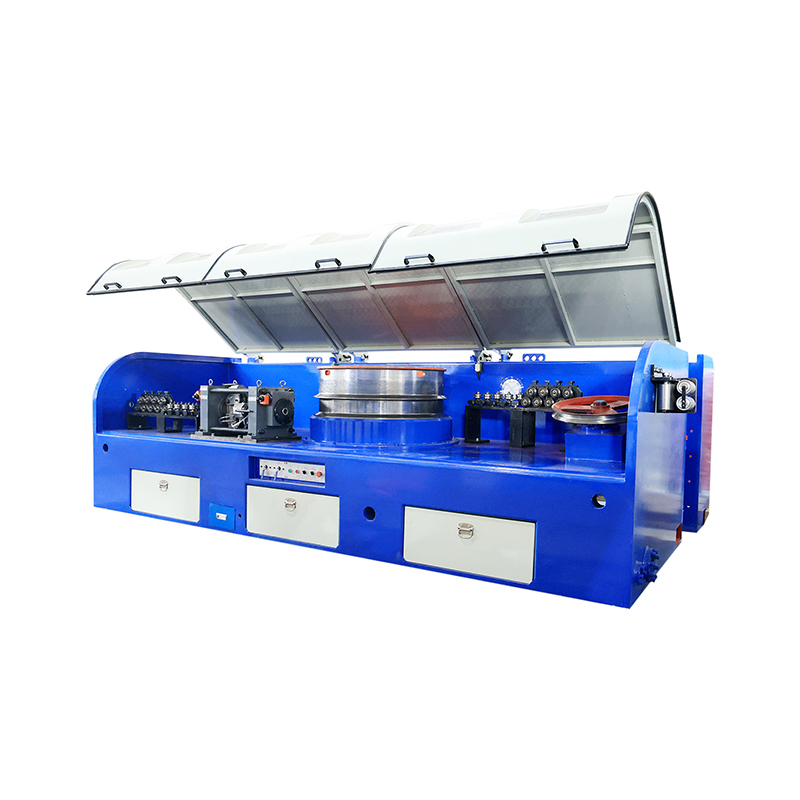
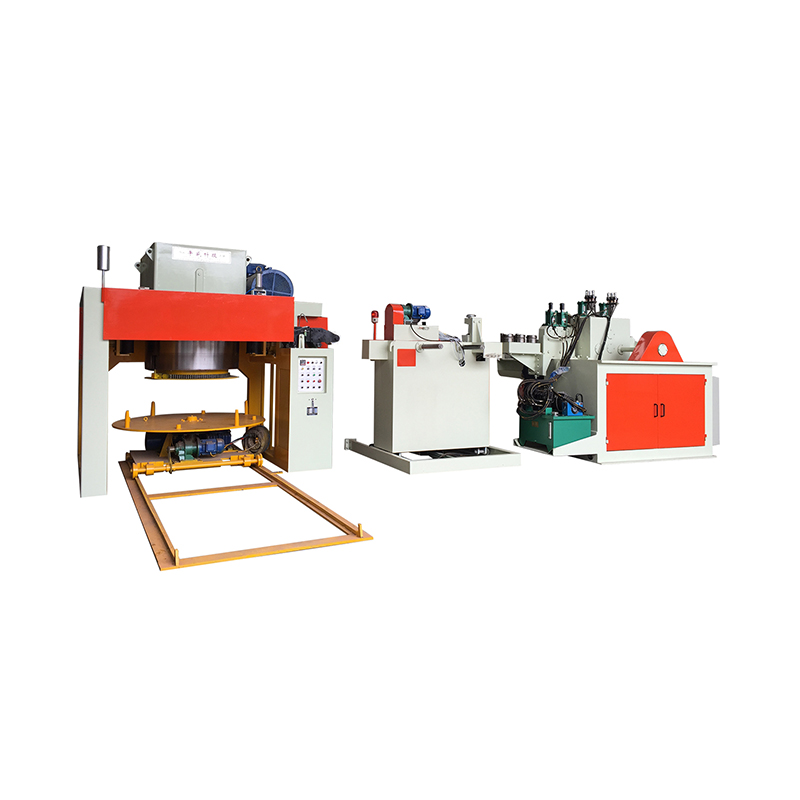
Traditional wire drawing machines, sometimes referred to as straight-line or bull block machines, use a horizontal or vertical capstan arrangement where the wire is pulled through the die and wrapped around a rotating drum multiple times before moving to the next drawing stage. This wrapping action provides the tension needed to pull the wire through the die while also assisting in cooling the wire as it contacts the capstan surface.
Key Characteristics of Traditional Machines
- Multiple wraps: The wire wraps around each capstan several times, providing stable tension control during drawing.
- Established technology: This design has been used for decades and is well understood by operators and maintenance teams.
- Moderate cooling: Cooling occurs primarily through contact with the capstan and surrounding coolant systems.
- Wide compatibility: Suitable for a broad range of wire materials, including steel, copper, and aluminum.
Traditional machines remain popular in facilities that produce a wide variety of wire types and diameters, since their design tends to be more adaptable to different materials and drawing speeds without requiring significant reconfiguration.
How Inverted Wire Drawing Machines Work
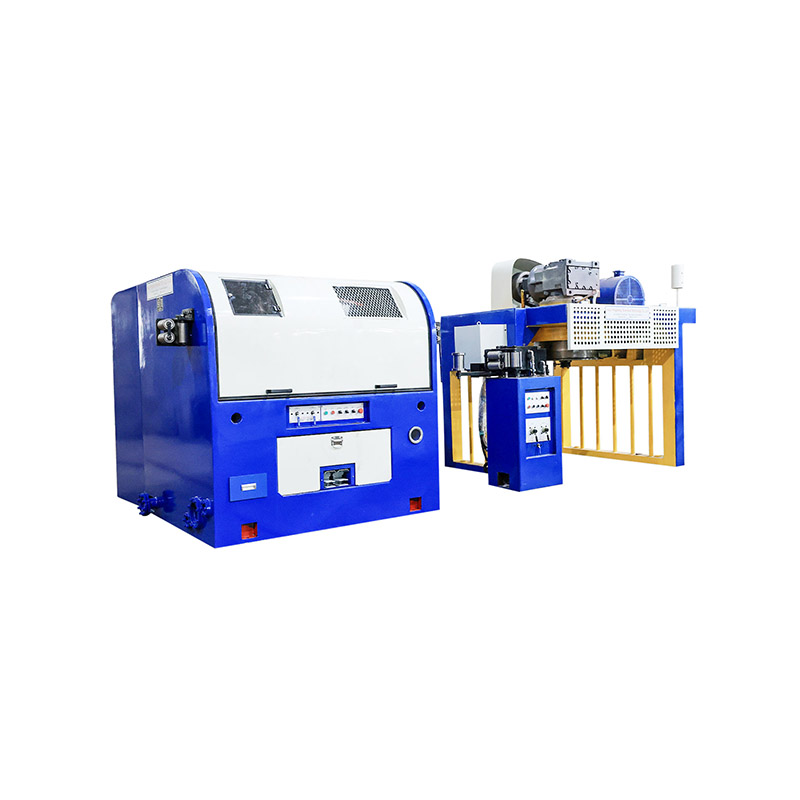
Inverted wire drawing machines, sometimes called inverted-block machines, reverse the typical wire path by positioning the drawing dies above or alongside a rotating capstan in a manner that minimizes wire wrap and reduces the number of contact points between the wire and the machine's moving parts. This configuration is designed to reduce friction-related wear and heat buildup, particularly important when drawing wire at high speeds or working with materials sensitive to surface damage.
Key Characteristics of Inverted Machines
- Reduced wire wrap: Fewer contact points with the capstan help minimize surface abrasion and wire damage.
- Improved cooling: Direct water cooling systems are often integrated to manage heat generated during high-speed drawing.
- Higher speed capability: The reduced friction design allows for faster drawing speeds in many applications.
- Consistent tension: Precision tension control systems help maintain uniform wire quality throughout the drawing process.
This design is particularly favored in high-volume production environments where consistent quality and reduced downtime for die replacement are priorities, such as in fine wire manufacturing for electronics or specialty alloy production.
Side-by-Side Comparison
The table below summarizes the key differences between traditional and inverted wire drawing machines across several important performance criteria that manufacturers typically consider when evaluating equipment options.
| Criteria | Traditional Machine | Inverted Machine |
| Wire Contact Points | Higher, multiple wraps | Lower, minimal wraps |
| Drawing Speed | Moderate | Higher |
| Cooling Efficiency | Moderate | High, often water-cooled |
| Initial Equipment Cost | Lower | Higher |
| Material Versatility | Broad range | Best for fine, high-speed wire |
| Maintenance Complexity | Lower, simpler design | Higher, more precision components |
Advantages and Limitations of Each Design
Traditional Machine Advantages
- Lower upfront investment makes traditional machines accessible for smaller operations or general-purpose facilities.
- Simpler mechanical design reduces training requirements and eases routine maintenance tasks.
- Proven reliability across decades of use in diverse wire manufacturing environments.
Inverted Machine Advantages
- Higher drawing speeds increase overall production throughput for high-volume operations.
- Reduced wire wrap minimizes surface defects, which is critical for fine wire and specialty alloy production.
- Enhanced cooling systems support sustained high-speed operation without excessive heat-related wire damage.
The primary limitation of inverted machines is their higher initial cost and increased maintenance complexity, which may not be justified for facilities with lower production volumes or less demanding quality requirements.
Choosing the Right Machine for Your Production Needs
The decision between a traditional and inverted wire drawing machine ultimately depends on production volume, wire specifications, and budget constraints. Manufacturers producing standard-diameter wire in moderate volumes, particularly those working with a variety of materials, often find traditional machines to be a practical and cost-effective solution. The lower initial investment and simpler maintenance requirements make traditional machines attractive for operations without highly specialized quality demands.
Conversely, manufacturers focused on high-speed production of fine wire, such as for electronics, medical devices, or precision springs, are likely to benefit more from an inverted wire drawing machine despite the higher upfront cost. The improved cooling and reduced wire wrap directly translate into better surface quality and fewer production interruptions, which can offset the initial investment through reduced scrap rates and higher throughput over time.
Before making a final decision, manufacturers should evaluate their specific wire gauge requirements, target production speeds, and available capital budget, ideally consulting with equipment suppliers who can provide performance data based on similar production scenarios.