
 EN
EN
 English
 Español
 Français
 Português
 عربى
عربى
How Does an Inverted Vertical Wire Drawing Machine Improve Wire Production Efficiency?
Content
- 1 What Is an Inverted Vertical Wire Drawing Machine?
- 2 Core Components of the Machine
- 3 Why Manufacturers Choose the Inverted Vertical Configuration
- 4 Typical Applications in Industry
- 5 Comparing Inverted Vertical Machines to Horizontal Draw Benches
- 6 Key Factors When Selecting an Inverted Vertical Wire Drawing Machine
- 7 Maintenance Practices for Long-Term Reliability
- 8 Final Thoughts on Machine Selection and Operation
What Is an Inverted Vertical Wire Drawing Machine?
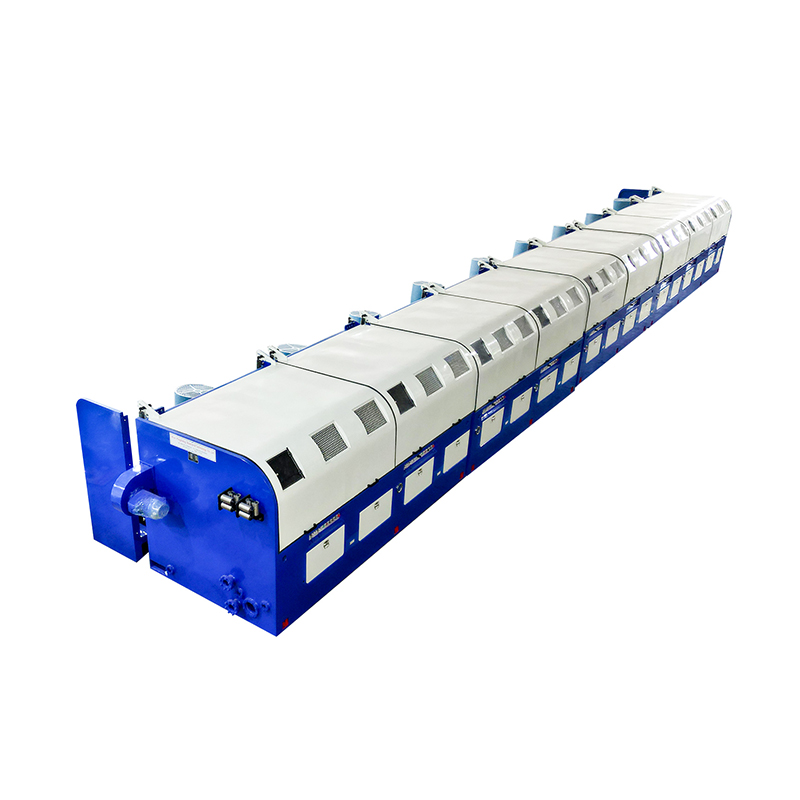
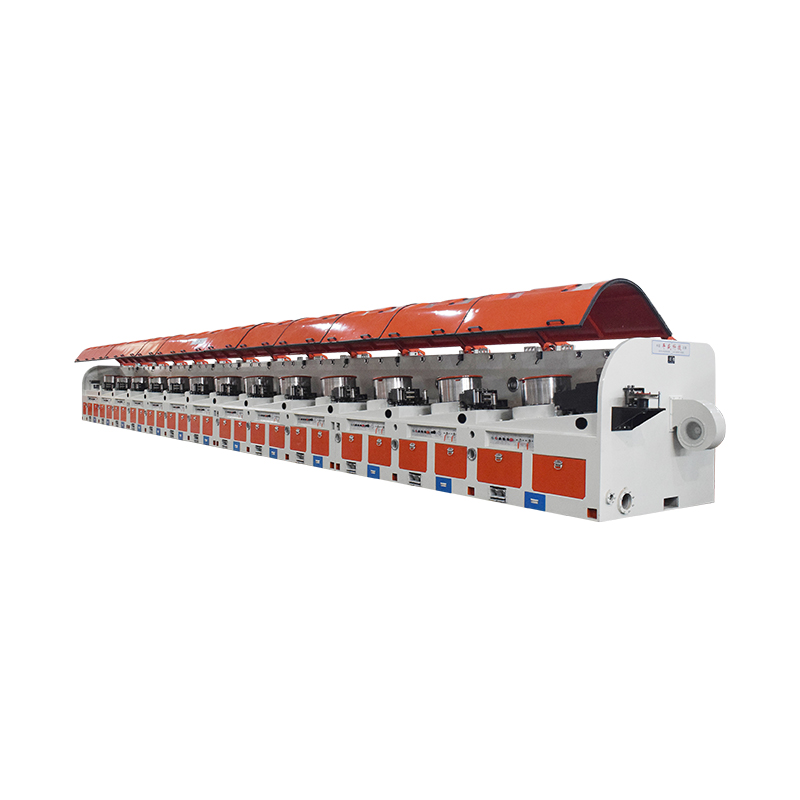
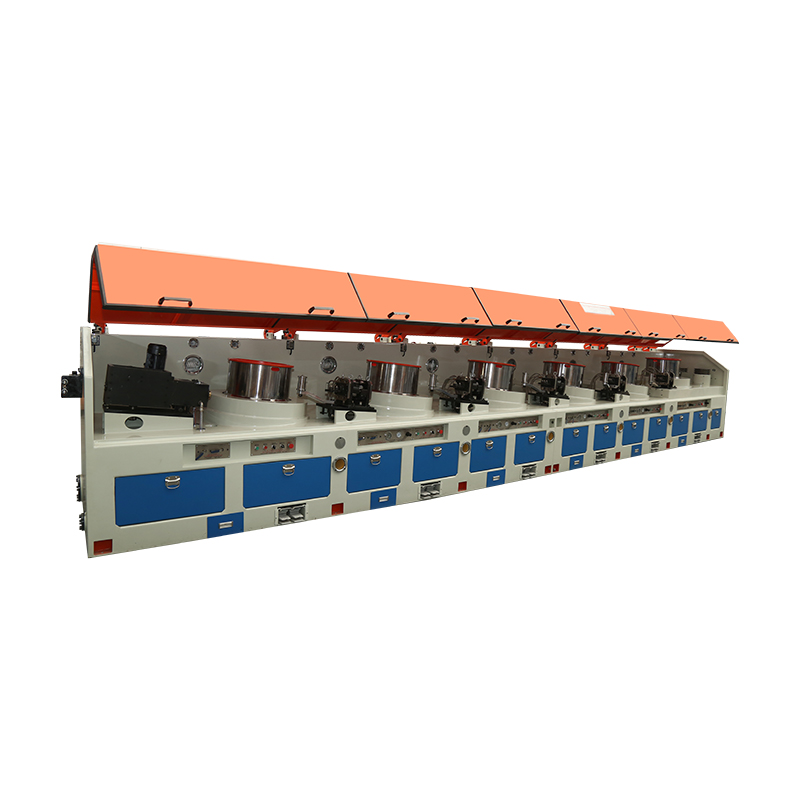
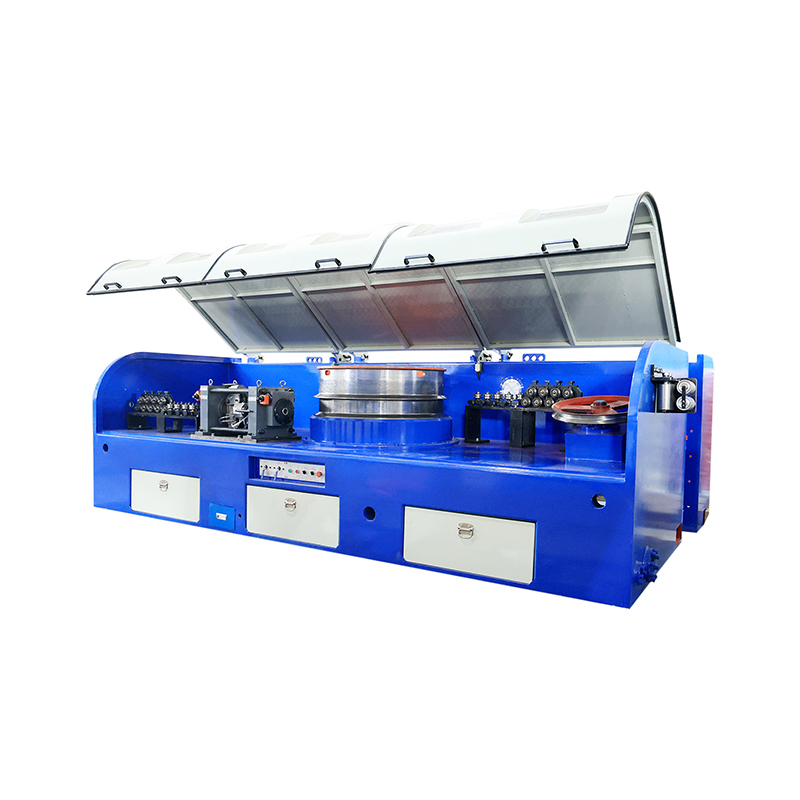
An inverted vertical wire drawing machine is a specialized piece of industrial equipment used to reduce the diameter of metal wire by pulling it through a series of progressively smaller dies. Unlike conventional horizontal drawing machines, this design orients the drawing blocks vertically and positions the capstan mechanism in an inverted arrangement, meaning the wire travels upward through the dies before being wound onto the take-up spool. This configuration is particularly common in copper and aluminum wire production, where high-speed, multi-pass drawing is required to achieve fine gauge wire from thicker rod stock.
The term inverted refers specifically to the way the capstan and die block are mounted relative to the wire path. In a standard vertical machine, the wire may run downward or in a straight vertical line without reversal. In an inverted configuration, the wire path is arranged so that cooling, lubrication, and tension control can be handled more efficiently, particularly at the higher speeds common in fine wire drawing operations.
Core Components of the Machine
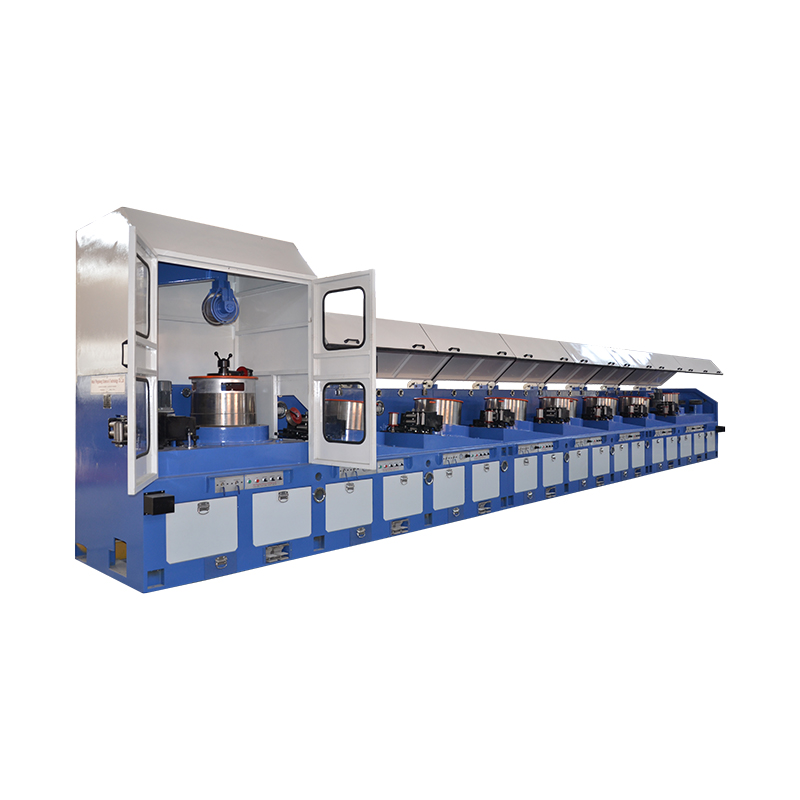
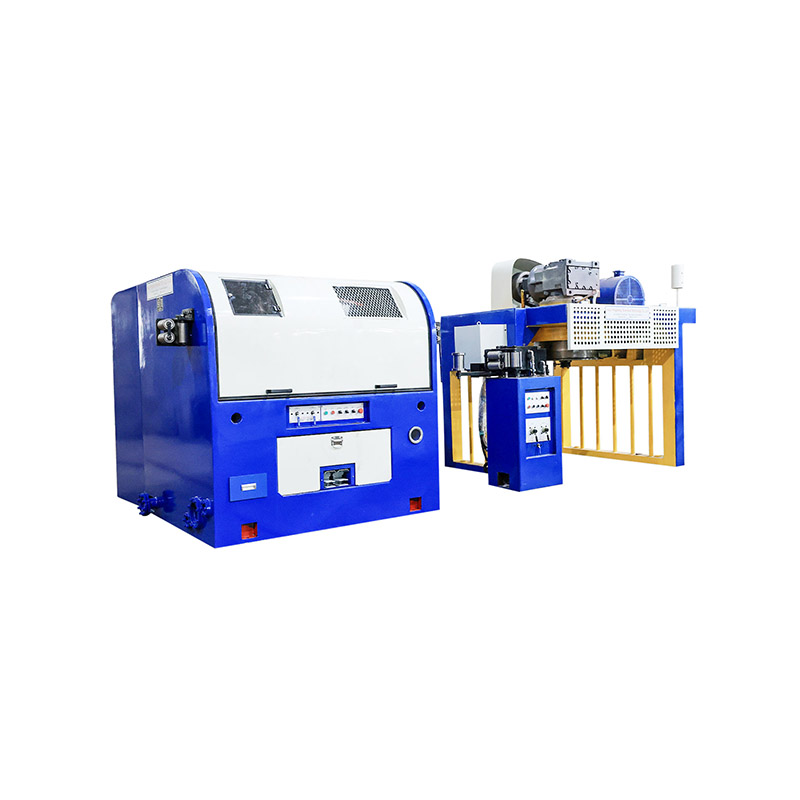
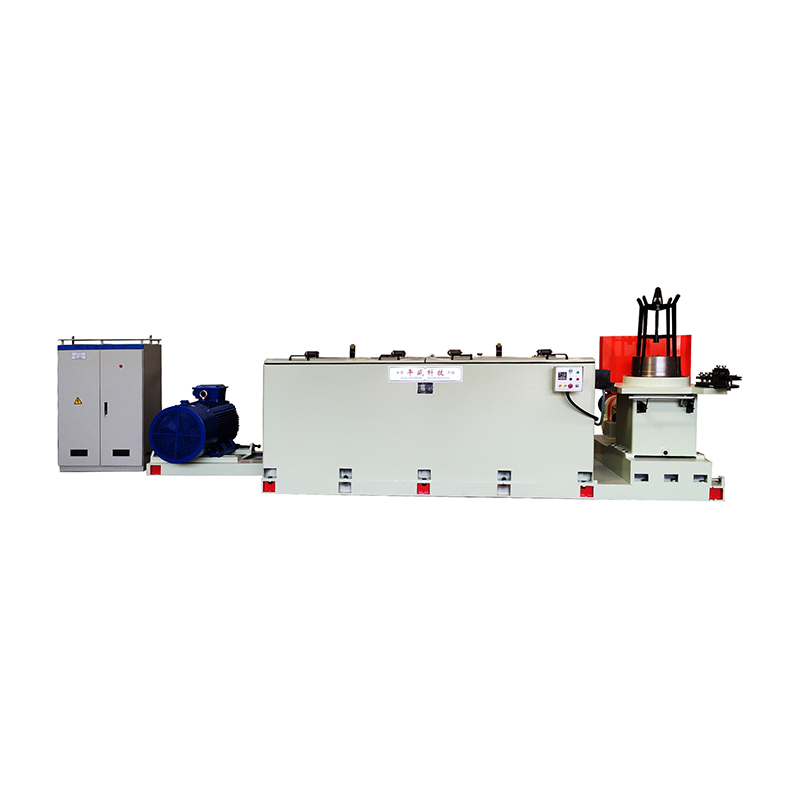
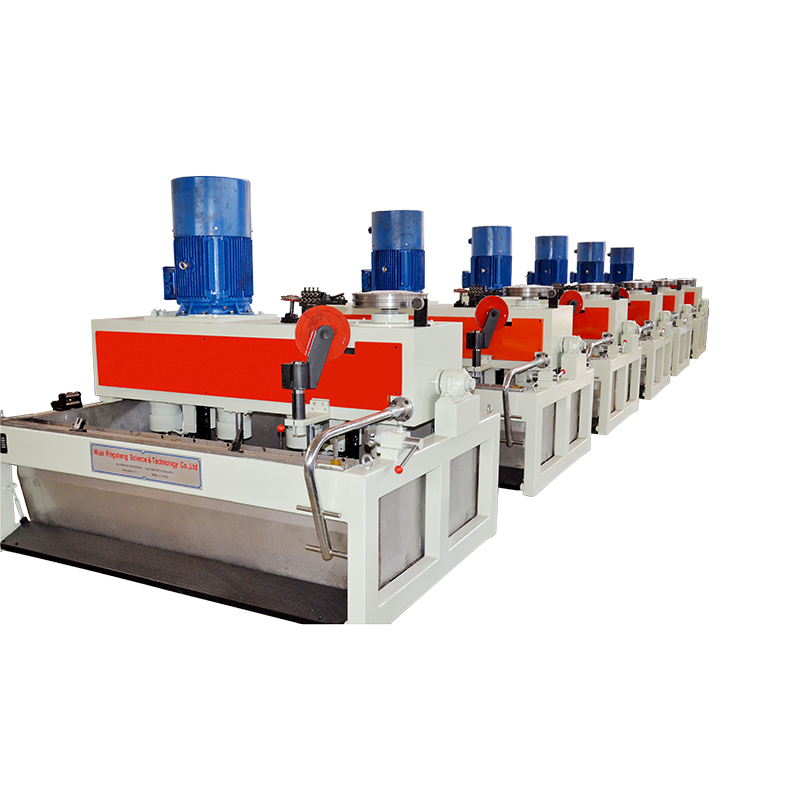
Understanding the mechanical layout of an inverted vertical wire drawing machine helps clarify why this design is favored for certain production environments. The machine consists of several interconnected systems, each playing a distinct role in the drawing process.
Die Boxes and Carbide Dies
The wire passes through a sequence of die boxes, each housing a carbide or polycrystalline diamond die that reduces the wire diameter incrementally. The number of dies varies depending on the target finished gauge and the starting rod diameter, with high-reduction machines sometimes containing a dozen or more dies in sequence.
Capstans and Drawing Blocks
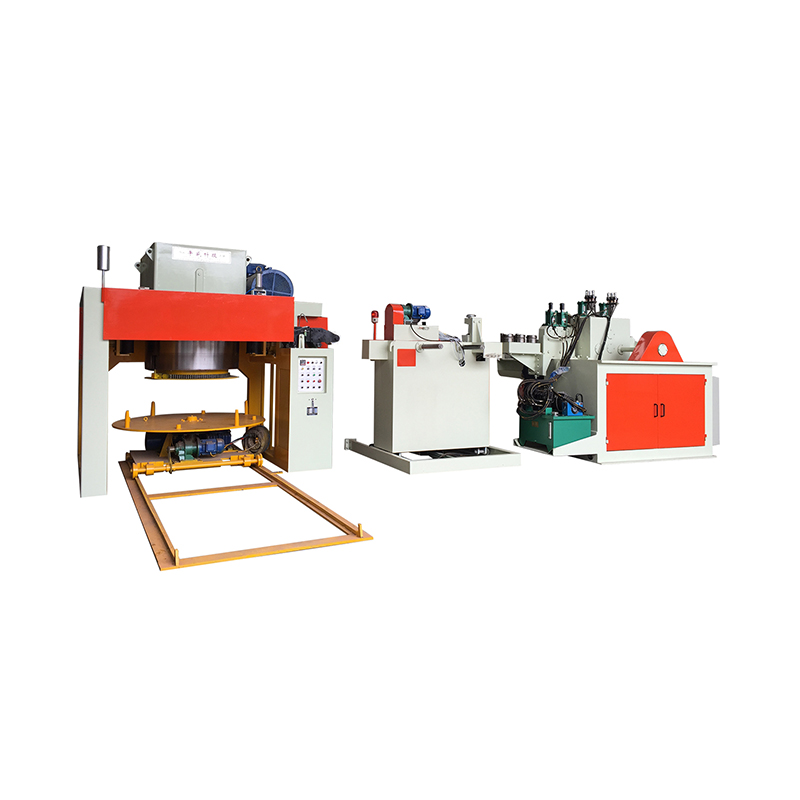
Between each die, a capstan wheel, also called a drawing block, grips the wire and applies the pulling force needed to draw it through the next die. In the inverted vertical arrangement, these capstans are stacked vertically, which reduces the machine's horizontal footprint and allows for a more compact factory layout compared to traditional horizontal draw benches.
Lubrication and Cooling System
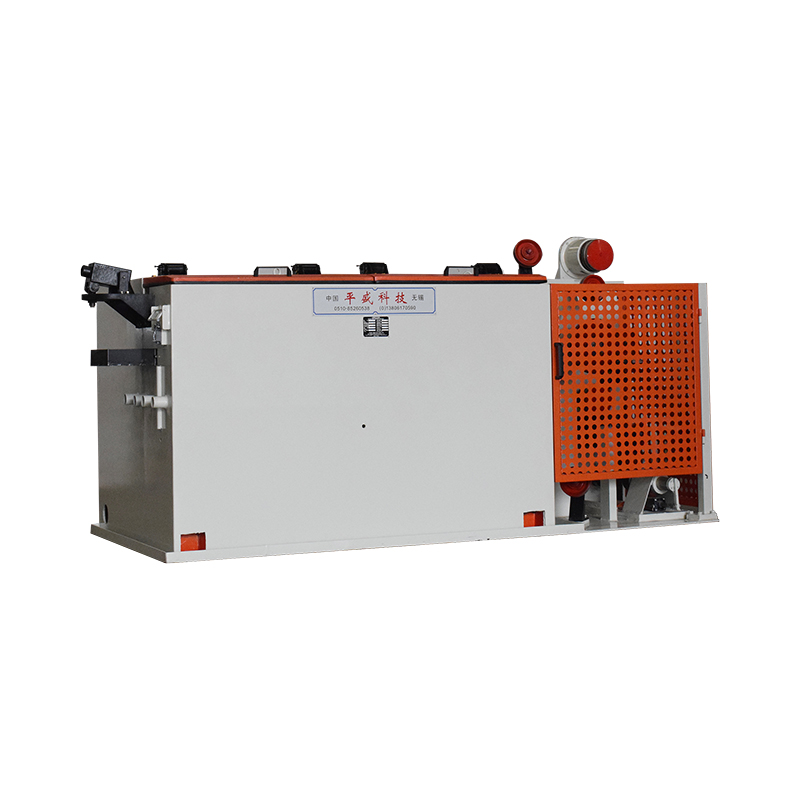
Wire drawing generates significant friction and heat, both of which must be controlled to prevent die wear and wire breakage. The inverted vertical design typically incorporates a closed-loop lubrication system that circulates drawing compound around the dies, along with a water cooling jacket around the capstans to dissipate heat generated during high-speed operation.
Take-Up and Payoff Units
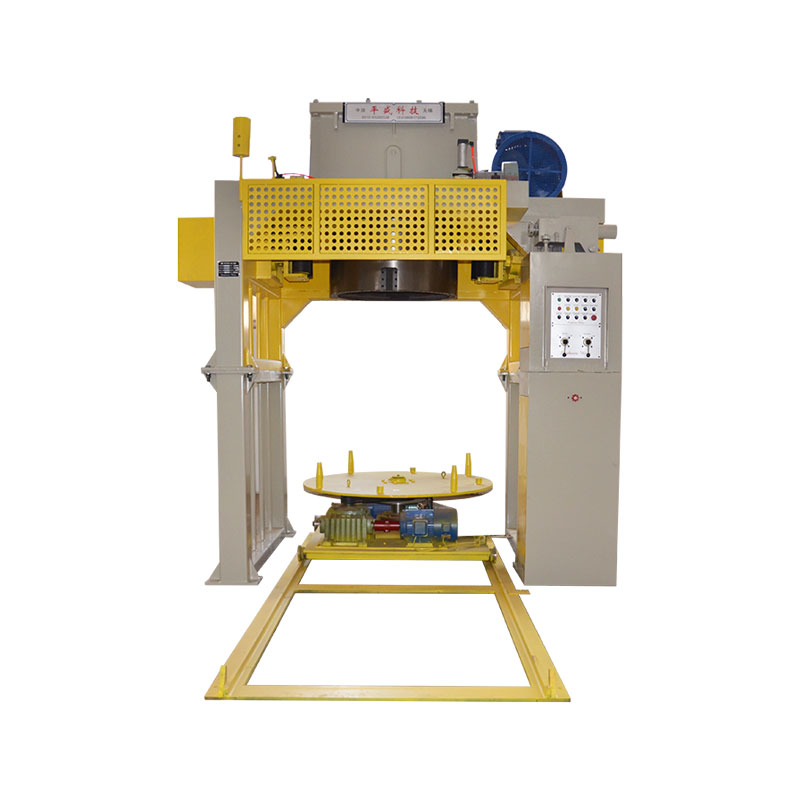
At the start of the line, a payoff unit feeds rod or coarse wire into the machine under controlled tension. At the end of the process, a take-up unit winds the finished wire onto spools or bobbins, often incorporating traversing mechanisms to ensure even layering during winding.
Why Manufacturers Choose the Inverted Vertical Configuration
The decision to use an inverted vertical layout over a horizontal or standard vertical machine typically comes down to a combination of space efficiency, speed capability, and product quality considerations.
Reduced Floor Space Requirements
Because the drawing blocks are stacked vertically rather than arranged in a long horizontal line, an inverted vertical machine occupies significantly less floor space for a given number of drawing passes. This is particularly valuable in facilities where space is at a premium or where multiple production lines need to run in parallel.
Improved High-Speed Stability
At the high line speeds required for fine wire production, horizontal machines can experience wire whip and vibration issues that affect surface finish and dimensional accuracy. The vertical orientation, combined with the inverted capstan arrangement, helps stabilize the wire path and reduces oscillation, allowing for smoother operation at higher speeds.
Better Heat Dissipation
The vertical stacking of capstans allows for more effective cooling water circulation around each drawing block, since gravity assists in maintaining consistent water flow through the cooling jackets. This is especially important when drawing copper wire, where excessive heat can lead to annealing effects that alter the mechanical properties of the finished product.
Typical Applications in Industry
Inverted vertical wire drawing machines are used across a range of metalworking sectors, with the majority of installations found in industries that require fine to medium gauge wire at high production volumes.
- Copper wire manufacturing for electrical cables and magnet wire
- Aluminum wire production for power transmission applications
- Stainless steel wire drawing for springs and fasteners
- Enameled wire production for motor and transformer windings
- Fine gauge wire for electronics and telecommunications
Each of these applications benefits from the consistent tension control and high-speed capability that the inverted vertical design provides, particularly when producing wire that will later undergo additional processing such as annealing, tinning, or insulation coating.
Comparing Inverted Vertical Machines to Horizontal Draw Benches
While horizontal draw benches remain common for certain heavy-gauge applications, the inverted vertical configuration offers distinct advantages for fine and medium wire production. The table below outlines key differences between the two configurations.
| Feature | Inverted Vertical Machine | Horizontal Draw Bench |
| Floor Space | Compact, vertical footprint | Long, extended footprint |
| Typical Speed | High speed, fine wire | Moderate speed, heavier gauge |
| Cooling Efficiency | Gravity-assisted circulation | Requires pumped circulation |
| Common Use | Copper, aluminum, fine wire | Heavy gauge steel and rod |
Key Factors When Selecting an Inverted Vertical Wire Drawing Machine
Selecting the right machine for a production line involves evaluating several technical specifications beyond the basic configuration type. Manufacturers should consider the following factors carefully before making a purchasing decision.
Number of Drawing Passes
The number of die stations directly determines how much diameter reduction can be achieved in a single pass through the machine. Facilities producing very fine wire from thicker starting rod may require a machine with more passes to avoid excessive strain on the wire and premature die wear.
Maximum Line Speed
Line speed capability affects overall production throughput. Machines designed for fine copper wire, for example, often operate at significantly higher speeds than those intended for stainless steel or specialty alloys, which require slower, more controlled drawing to prevent work hardening issues.
Motor and Drive System
The drive system, whether it uses individual motors for each capstan or a synchronized central drive, affects both energy efficiency and tension control precision. Independent motor drives allow for more precise speed matching between capstans, reducing the risk of wire breakage caused by tension mismatches.
Automation and Control Features
Modern machines increasingly incorporate programmable logic controllers that monitor tension, speed, and temperature in real time. These systems can automatically adjust drawing parameters to compensate for variations in incoming rod quality, reducing scrap rates and improving overall product consistency.
Maintenance Practices for Long-Term Reliability
Proper maintenance is essential for keeping an inverted vertical wire drawing machine running efficiently over its operational lifespan. Regular inspection of dies for wear patterns helps prevent dimensional inconsistencies in the finished wire, while timely replacement of worn capstan surfaces avoids slippage that can lead to uneven tension.
Lubrication system filters should be checked and cleaned on a scheduled basis, since contaminated drawing compound can accelerate die wear and introduce surface defects on the wire. Additionally, cooling water systems should be monitored for scale buildup, particularly in facilities with hard water supplies, as reduced cooling efficiency can lead to overheating during extended high-speed runs.
Final Thoughts on Machine Selection and Operation
The inverted vertical wire drawing machine represents a practical solution for manufacturers seeking high-speed, space-efficient wire production capable of handling copper, aluminum, and specialty alloy wire at fine to medium gauges. By understanding the mechanical layout, evaluating key selection criteria, and maintaining the equipment according to manufacturer guidelines, production facilities can achieve consistent wire quality while minimizing downtime and operational costs over the long term.