
 EN
EN
 English
 Español
 Français
 Português
 عربى
عربى
Inverted Vertical Wire Drawing Machine is Trusted Wire Drawing Equipment
Content
- 1 What Is an Inverted Vertical Wire Drawing Machine?
- 2 Key Advantages of the Inverted Vertical Design
- 3 How It Compares with Other Wire Drawing Machines
- 4 Where It Is Most Often Used
- 5 Choosing the Right Configuration
- 6 Adding Flexibility with a Single Drawing Block
- 7 The Ordinary Model: Simple and Proven
- 8 Working with a Manufacturer Who Knows Wire Drawing
In modern wire manufacturing, the ability to draw metal wire precisely while keeping the line running is what separates efficient mills from the rest. Among the many machine types available, the inverted vertical wire drawing machine stands out as a practical, dependable solution for medium and heavy wire production. It is a design refined over decades, and it still serves industries that demand high output and consistent quality.
As a manufacturer with deep roots in the wire drawing industry, we want to offer a clear and practical look at this machine. In this guide, we explain what an inverted vertical wire drawing machine is, how it works, where it fits best, and what to consider when adding one to your production line.
What Is an Inverted Vertical Wire Drawing Machine?
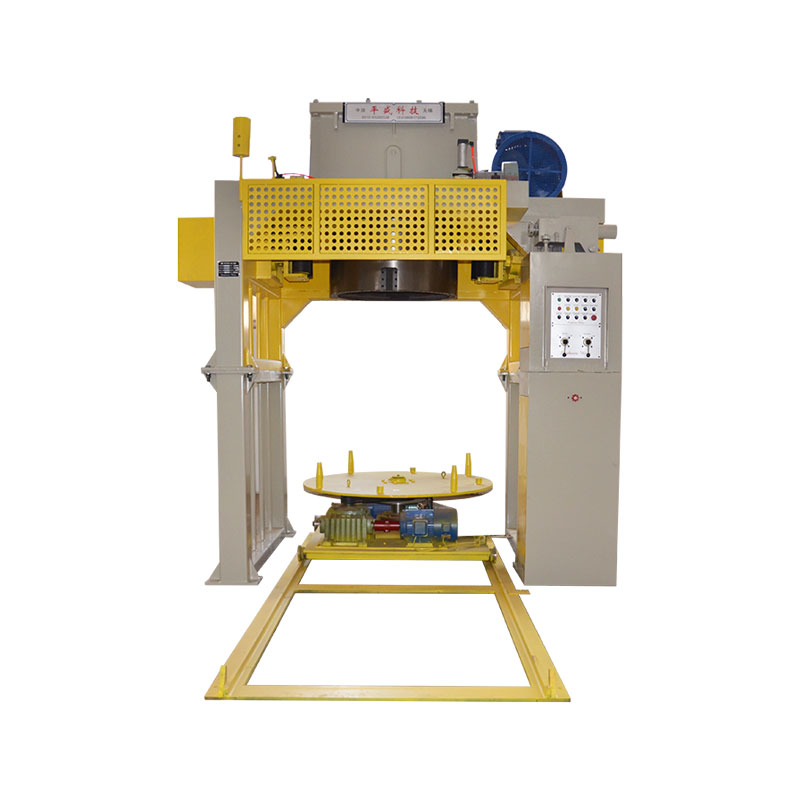
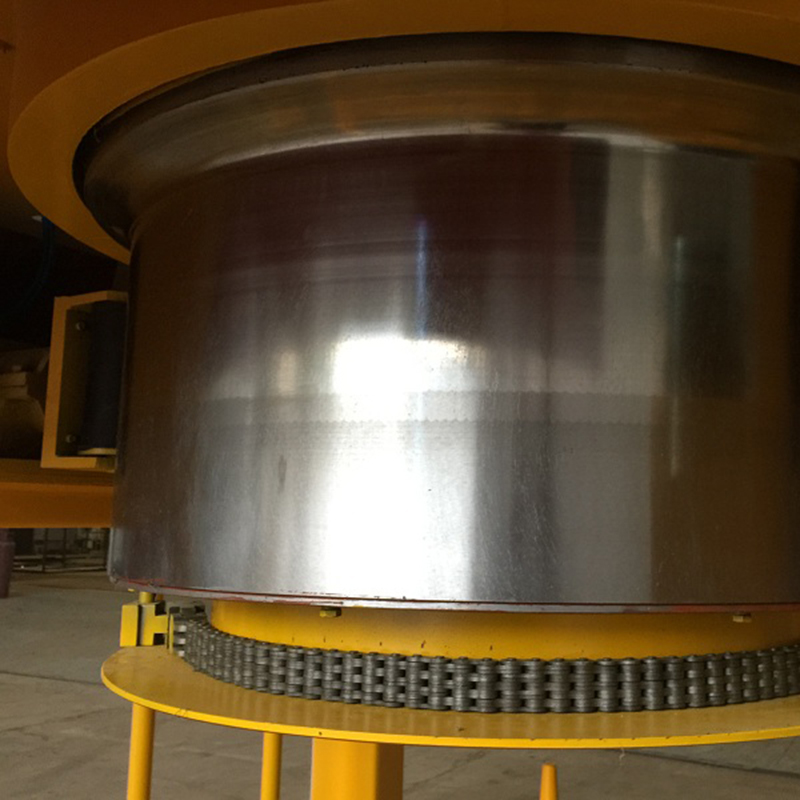
An inverted vertical wire drawing machine is a drawing unit with a vertical capstan, or drawing drum, arranged so that the wire is wrapped around it and the finished coil is discharged downward. The term "inverted" comes from the fact that the drum sits in a vertical orientation that reverses the traditional horizontal layout, allowing the coil to form below the machine and be removed without stopping the process.
The drive motor is mounted above the capstan, which keeps the machine compact and gives maintenance crews easy access to key components. During operation, the wire is pulled through the drawing die by the rotating drum, then guided onto a coil platform below. When the coil reaches the desired weight, it is removed with an overhead crane or a mechanical unloader, and drawing resumes with little interruption.
This arrangement makes the machine especially suitable for high-carbon steel wire, PC steel wire, spring wire, and other demanding materials. The vertical design supports large coil weights and keeps tension stable across the drawing pass, which is essential for producing wire with a bright surface and uniform mechanical properties.
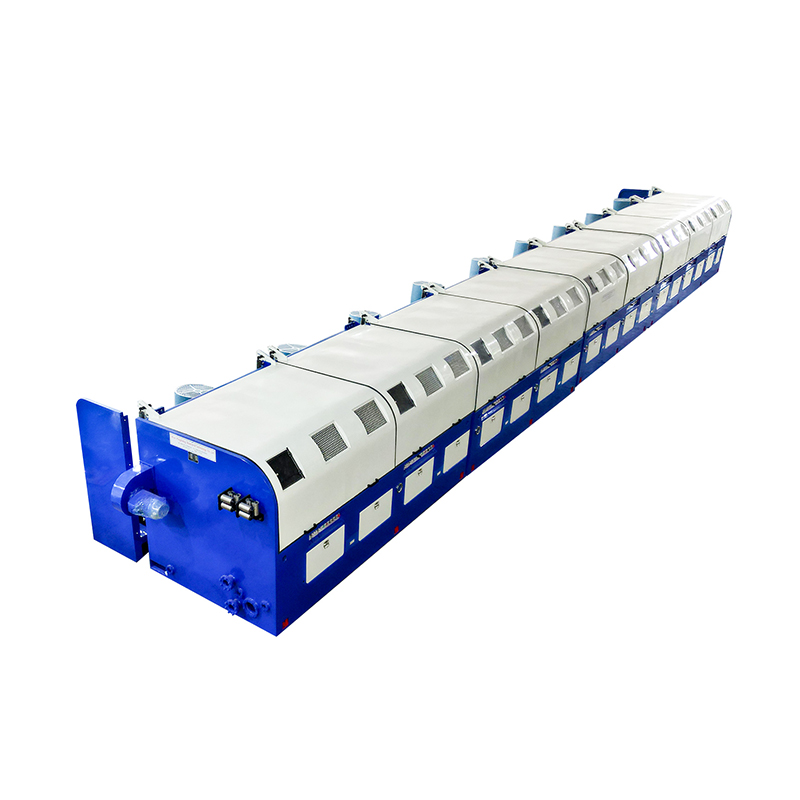
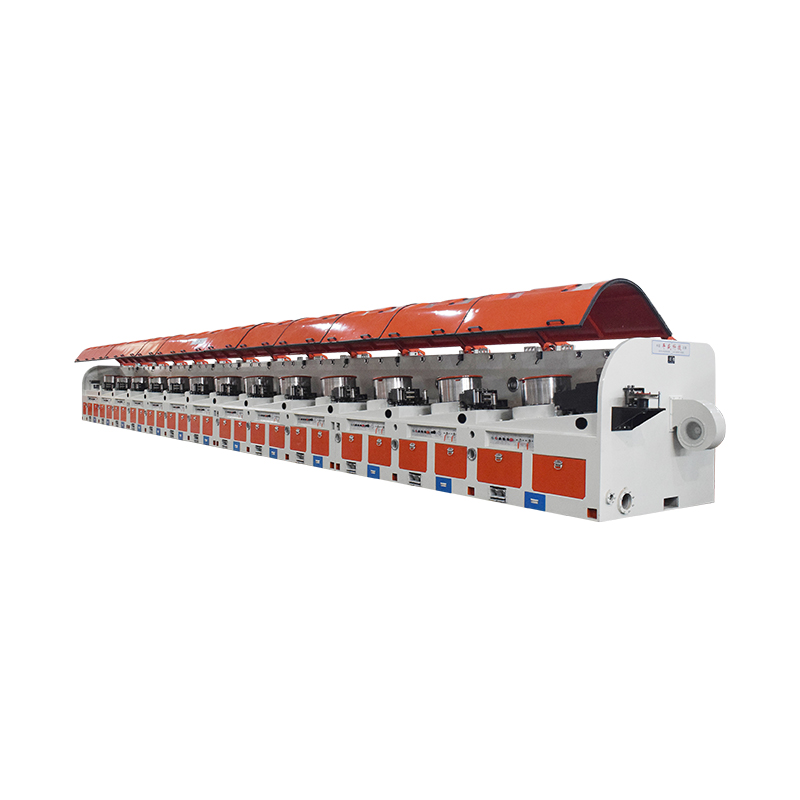
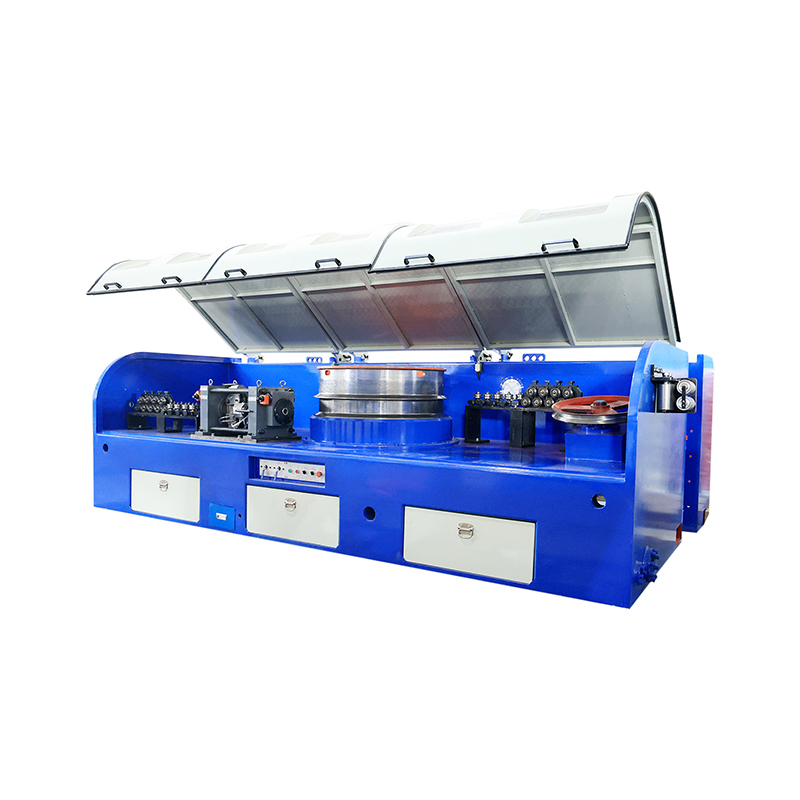
 Heavy-Duty Inverted Vertical Wire Drawing Machine with Auto Pay-OffThis machine is built for demanding materials like high-carbon steel and spring wire, with a vertical design that handles large coil weights and maintains stable tension, making it a strong choice for bright, uniform wire production.View Product →
Key Advantages of the Inverted Vertical Design
Why do so many production managers choose this configuration? The benefits are visible on the shop floor every day:
- Continuous coil removal: Coils exit from below, so the machine does not stop for unloading and the line stays productive.
- No twisting of the wire: The wire path around a fixed vertical drum avoids rotation, protecting surface quality and mechanical consistency.
- Heavy coil capability: The vertical layout supports large coil weights, reducing the number of coil changes and improving downstream efficiency.
- Compact footprint: The inverted vertical design takes up less floor space than many horizontal alternatives, which is valuable in crowded workshops.
- Simpler coil handling: Operators can remove finished coils with less physical effort, lowering labor strain and handling damage.
Taken together, these advantages help mills achieve higher throughput, lower scrap rates, and a safer working environment.
How It Compares with Other Wire Drawing Machines
Every type of wire drawing machine has its own strengths. To make an informed decision, it helps to see how the inverted vertical machine compares with straight-line and wet drawing machines.
| Feature | Inverted Vertical | Straight-Line | Wet Type |
|---|---|---|---|
| Capstan orientation | Vertical | Horizontal | Submerged |
| Coil handling | Downward discharge | Spool or block | Spool or basket |
| Typical wire range | Medium to heavy | Fine to heavy | Fine wire |
| Lubrication mode | Dry or semi-dry | Dry | Wet |
| Primary strength | Large coils, stable pulling | Multi-pass flexibility | High speed, fine finish |
In practice, many production lines combine machine types. An inverted vertical machine often works alongside straight-line units as the final block that produces the finished coil, or it runs as a standalone machine for processes where a single strong drawing pass is sufficient.
Where It Is Most Often Used
Inverted vertical wire drawing machines are found in metal products plants around the world. They are especially common in these applications:
- High-carbon steel wire for tire cord, springs, and wire rope
- PC steel wire for prestressed concrete structures
- Welding wire, where smooth surface and precise diameter are essential
- Cold heading wire for fasteners and formed components
These applications share a common need: stable drawing tension, reliable coil handling, and minimal downtime. The inverted vertical machine delivers on all three. It also integrates neatly with supporting equipment such as pay-off machines, take-up machines, and surface treatment equipment to form a complete production line.
Choosing the Right Configuration
When you evaluate an inverted vertical wire drawing machine, consider how it will fit into your existing process. The decision is not only about pulling power; it also involves layout, coil size, and the flexibility you need for different products.
For plants that want extended capability, a configuration combined with a single drawing block adds an extra drawing pass before the wire is coiled. This setup can improve the mechanical properties of the wire and makes it easier to switch from one product to another, which is valuable for multi-purpose lines.
Where the priority is maximum economy and simplicity, the ordinary inverted vertical design offers proven performance with a straightforward structure. It is easy to operate, easy to maintain, and still delivers the core benefits of the inverted vertical concept.
Before making a choice, discuss your wire range, target coil weight, and speed requirements with an experienced supplier. These details will guide you to a configuration that meets production targets without unnecessary investment.
Adding Flexibility with a Single Drawing Block
Some production programs require more than one machine arrangement. The inverted vertical wire drawing machine combined with a single drawing block responds to this need by placing an additional drawing block before the vertical capstan. This design lets the wire receive one more reduction pass while still enjoying the convenience of continuous downward coil discharge.
This combination is especially useful when you process a wide range of diameters and want to control final mechanical properties more precisely. It can extend the life of your drawing dies, improve surface finish, and reduce the number of intermediate anneals in certain product routes.
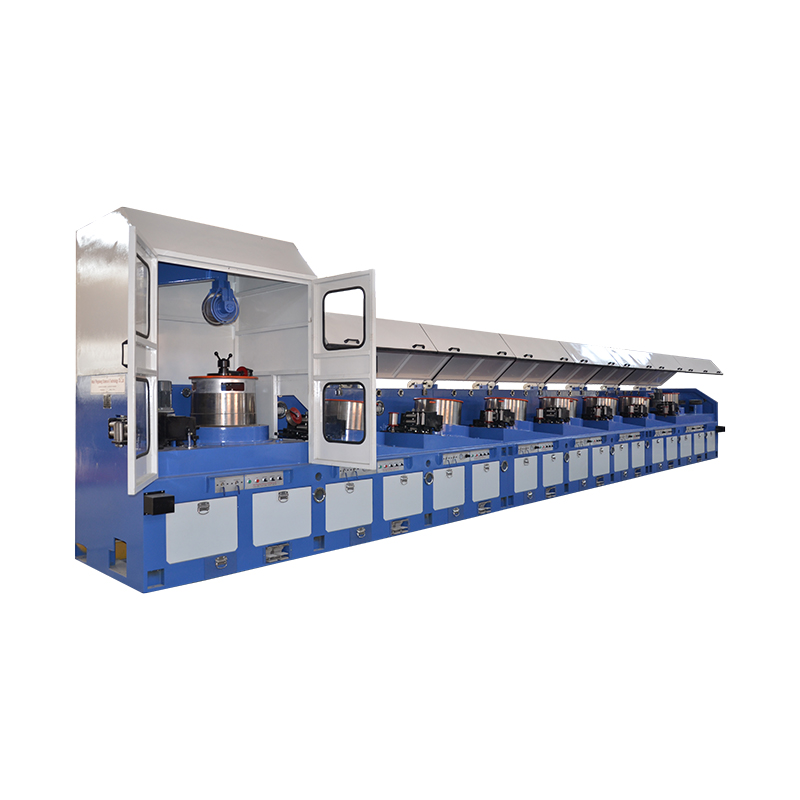
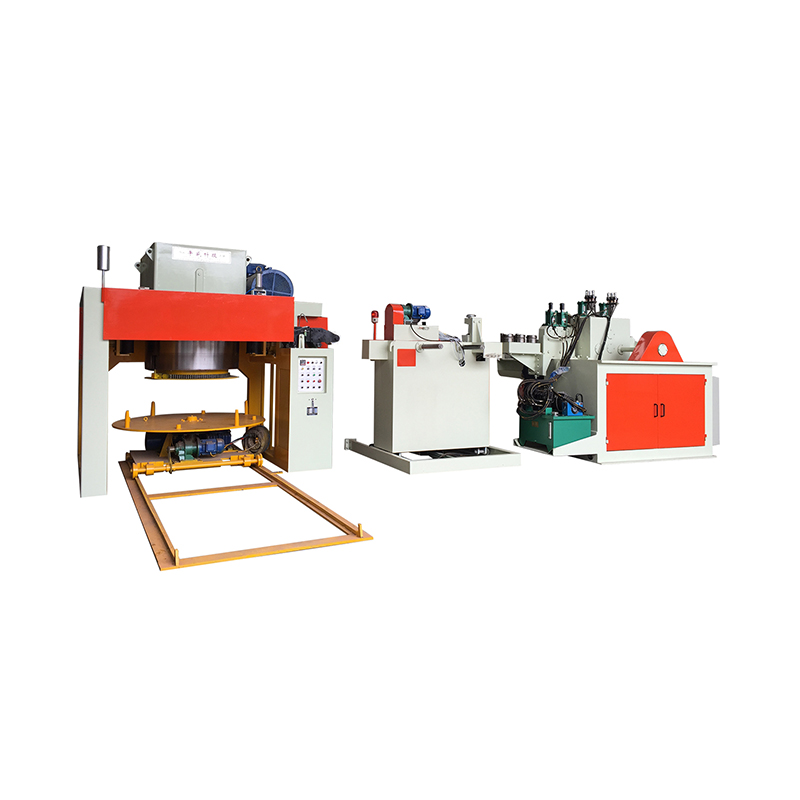
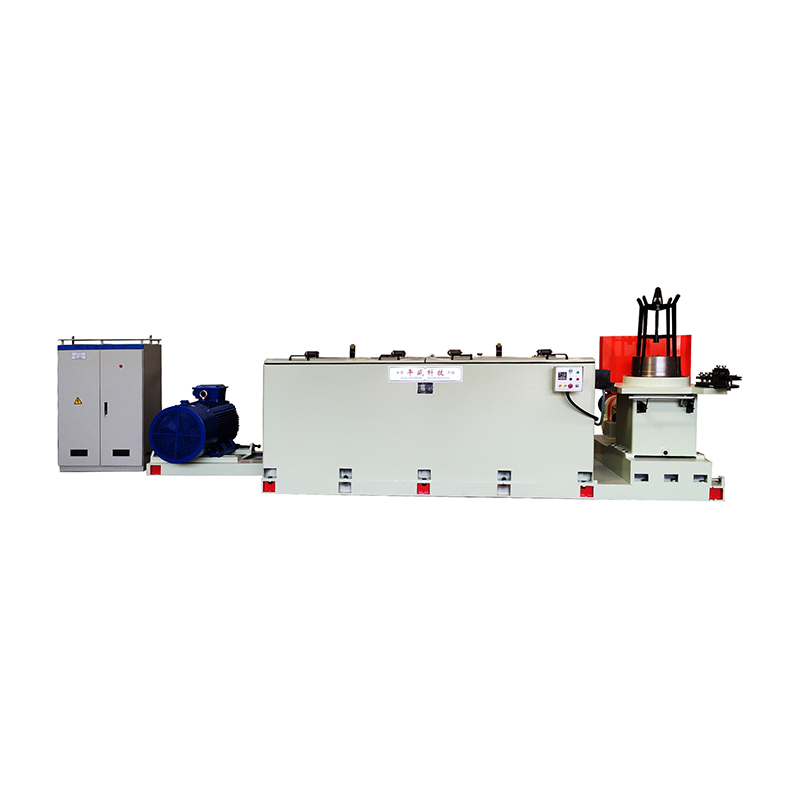
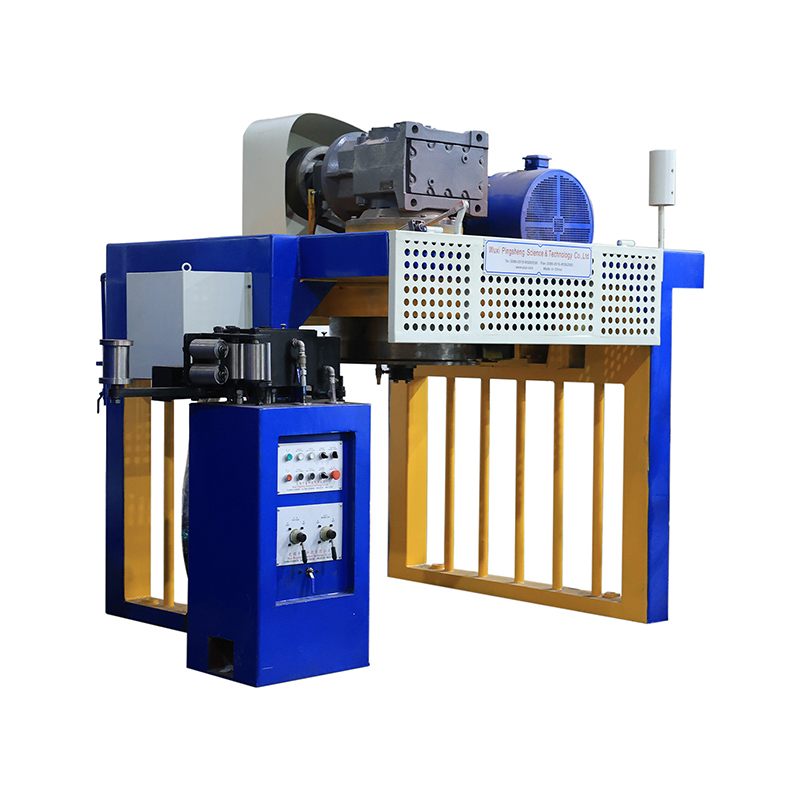 Inverted Vertical Wire Drawing Machine with Single Drawing BlockThis combined unit integrates a single drawing block with an inverted vertical line, simplifying operation while allowing precise control over mechanical properties. It suits plants processing varied diameters and can improve die life and surface finish.View Product →
The Ordinary Model: Simple and Proven
Not every plant needs a complex line. The ordinary inverted vertical wire drawing machine keeps the design focused on the essentials: a sturdy capstan, reliable drive, and clean coil discharge. It is a machine that operators can learn quickly and that maintenance teams can keep running with routine care.
For small and mid-sized wire mills, this model is often the first step into high-efficiency drawing. It also works well as a support unit in larger plants that need additional drawing capacity without the cost of a fully automated line.
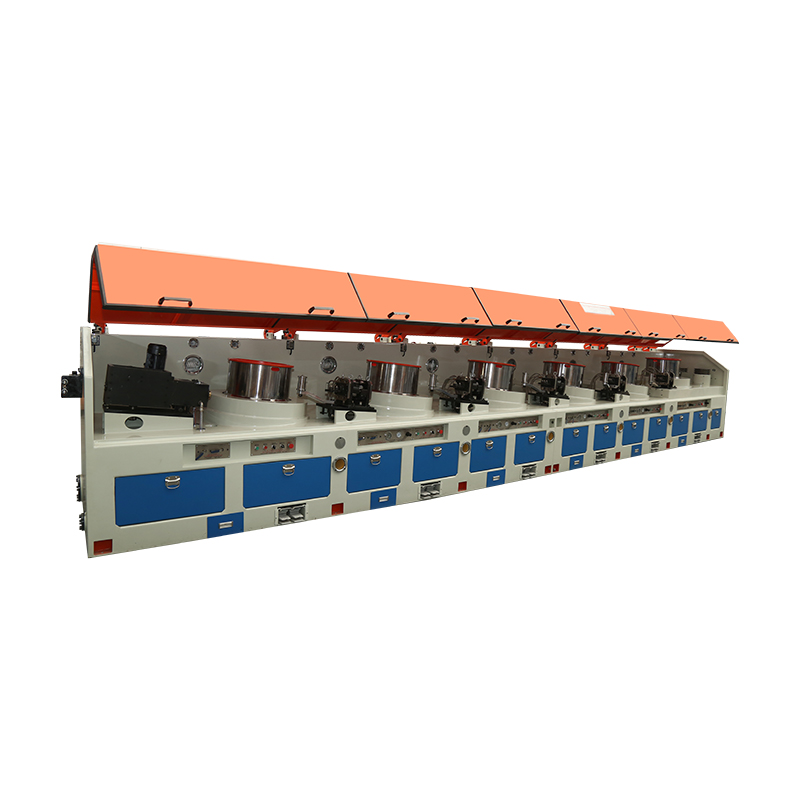
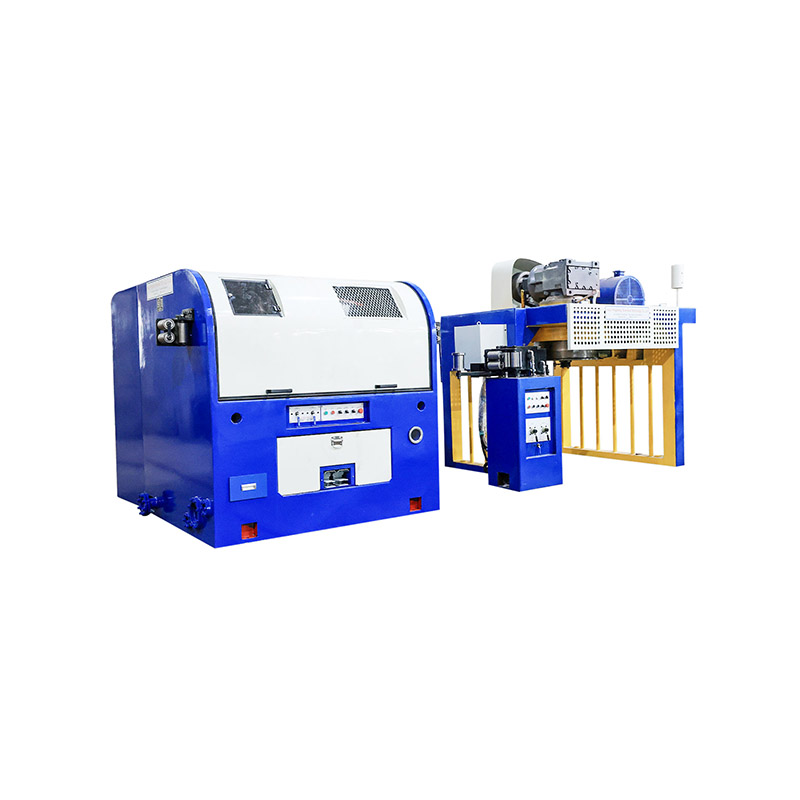
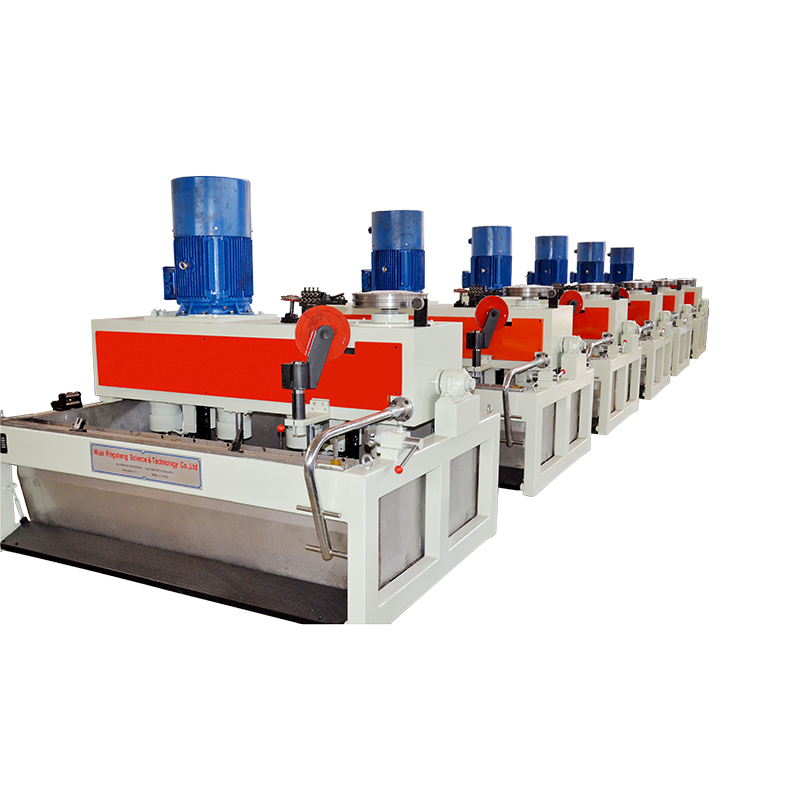
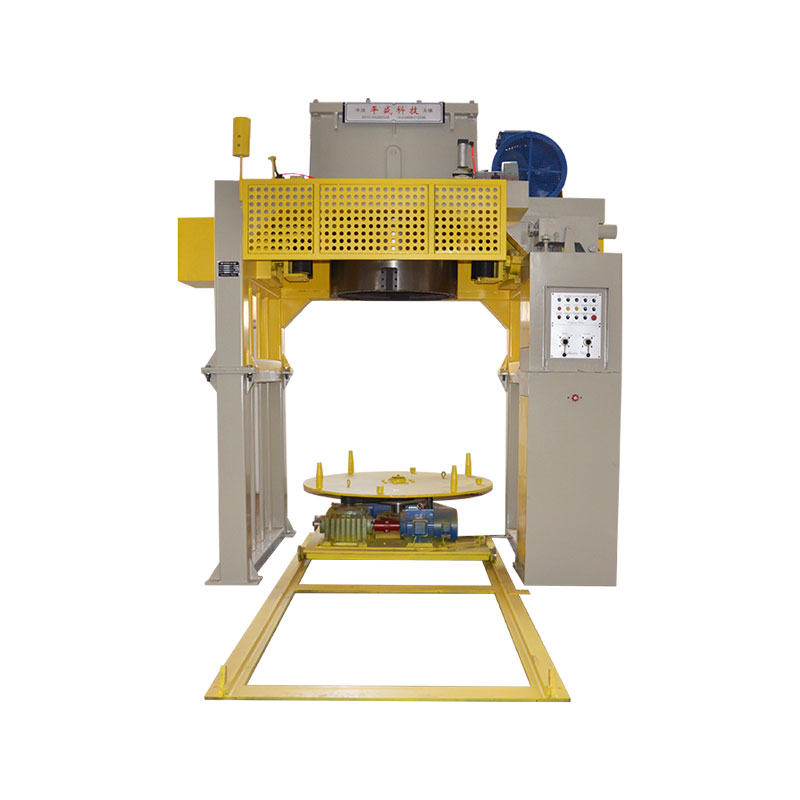 Ordinary Inverted Vertical Wire Drawing MachineA straightforward vertical drawing machine focused on essential functions, this model suits small and mid-sized mills taking their first step into efficient drawing, or as a cost-effective support unit in larger plants requiring extra capacity.View Product →
Working with a Manufacturer Who Knows Wire Drawing
Choosing the right machine is only half of the equation. The other half is choosing a partner who can support you before and after the sale. At Wuxi Pingsheng Science & Technology Co., Ltd., we have been developing wire drawing equipment since 1985. Our machines are built for real production conditions, and our team works closely with customers to match equipment to their exact wire range, speed, and quality targets.
We know that a successful wire mill depends on reliable machinery and honest technical advice. From the first inquiry to installation, commissioning, and after-sales service, we focus on clear communication and practical solutions. Our product range covers straight-line, wet, pulley-type, and inverted vertical wire drawing machines, as well as pay-off, take-up, and surface treatment equipment, so we can view your project as a whole rather than as a single machine.
Understanding the machine structure helps you make better decisions. If you want to go deeper into how each component contributes to drawing performance, we recommend reading this overview of the key structural parts of a wire drawing machine.
Whatever your application, we are ready to discuss how an inverted vertical wire drawing machine can fit into your production line and help you reach your output goals.