
 EN
EN
 English
 Español
 Français
 Português
 عربى
عربى
Auto Wire Pay-Off Machines: How They Boost Wire Drawing Line Efficiency
Content
For wire drawing producers, the pay-off station is where every production run begins. Its fundamental job sounds simple: hold the coil and feed the wire into the line at a steady speed and tension. Yet in many plants, this first step causes a surprising share of downtime, wire breaks, and operator fatigue. An automatic wire pay-off machine removes most of that unpredictability. It brings closed-loop tension control to the front of the line, so the wire reaches the drawing machine in a uniform, stable condition from the first meter to the last.
What Is an Auto Wire Pay-Off Machine?
An auto wire pay-off machine, sometimes called an automatic uncoiler or pay-off stand, is a piece of line equipment that supports a wire coil, spool, or carrier and unwinds the wire at a controlled rate. What makes it automatic is the active control system behind it. Instead of a fixed mechanical drag that an operator must set by hand and correct again during the run, the machine measures wire tension continuously and adjusts the braking or driving force to match the real-time consumption of the downstream drawing machine.
At Wuxi Pingsheng Science & Technology Co., Ltd., we have watched this difference play out on shop floors and production lines across the world. A manually braked stand drifts as the coil diameter shrinks and as line speed climbs. An automatic pay-off machine holds its set point. The result is a clean, stable wire path with no slack, no snatching, and no fluctuating back tension.
For plants that run long shifts with frequent coil changes, the pay-off is no longer a passive stand. It becomes an active partner in the process and a genuine upgrade in productivity.
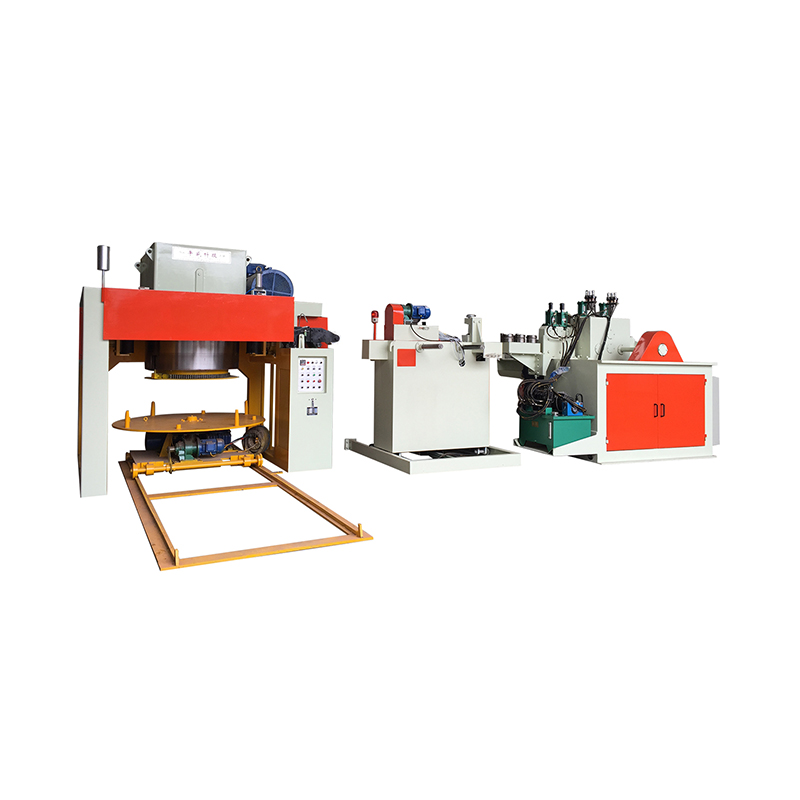
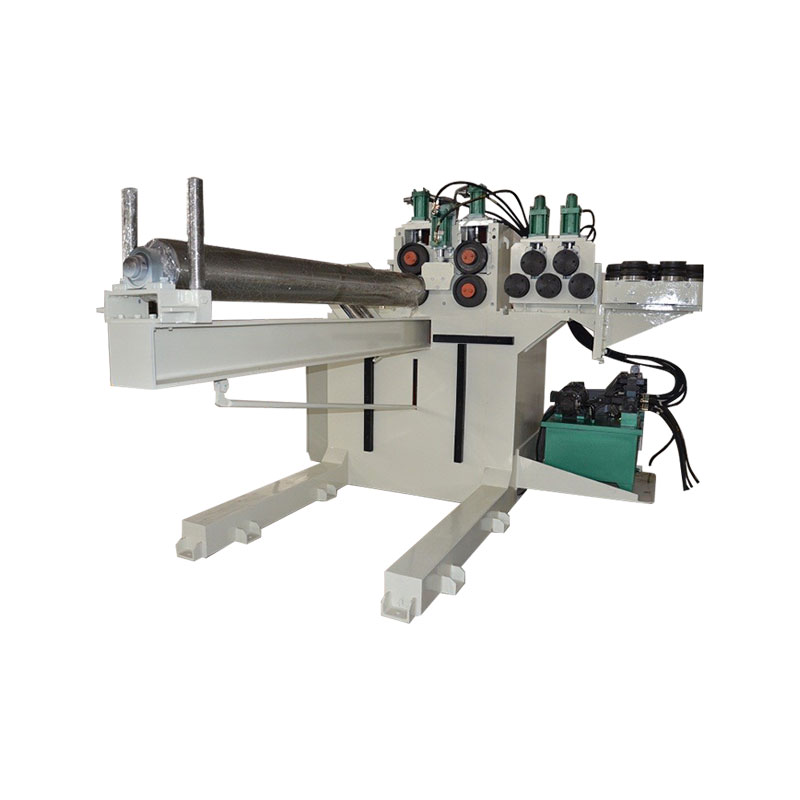 Automatic Wire Pay-Off Machine for Continuous Coil UnwindingThis active pay-off unit replaces passive stands, providing consistent uncoiling tension for long shifts. It supports spool or coil feeding into wire drawing lines, reducing slack and improving productivity.View Product →
How an Automatic Pay-Off Machine Works
Automatic pay-off machines combine a few well-proven components that must work together smoothly:
- A dancer arm or load cell that senses the position and tension of the wire loop between the coil and the first guide roll.
- A controllable brake or an active drive motor that applies the required holding torque to the coil.
- A speed or tension reference from the line controller that tells the pay-off how fast the wire is being consumed.
The dancer arm is the heart of the system. When the wire accelerates, it pulls more material from the coil and the arm moves; the controller reacts by adjusting the brake torque or drive speed. This closed-loop cycle repeats constantly, absorbing the effects of eccentric coils, changing coil diameters, and sudden speed changes in the wire drawing machine.
Passive Braking or Active Drive?
There are two common designs. A passive braking system uses a pneumatic, magnetic, or eddy-current brake to hold the coil back while the drawing machine pulls the wire. An active drive system adds a motorized capstan that gently assists the wire off the coil. Active drives are particularly useful for fine wire, where back tension must be minimized, and for very heavy coils that are difficult to start rotating.
Key Benefits at a Glance
Switching from manual feeding to an automatic pay-off machine improves the entire line, not just the pay-off station.
| Pay-Off Feature | Production Benefit |
|---|---|
| Automatic tension control | Fewer wire breaks and lower scrap rates |
| Self-adjusting brake or drive | Stable feeding at changing line speeds |
| Fast coil positioning | Shorter coil-change downtime |
| Less manual handling | Lower operator fatigue and labor costs |
These improvements add up over thousands of coil changes. The pay-off unit becomes a driver of efficiency, not an interruption point, and the whole drawing area runs with fewer production stops.
Selecting the Right Pay-Off for Your Production Line
Every drawing line has its own coil handling and speed profile. Choosing a pay-off machine begins with understanding your specific conditions:
- Coil weight and package type. Compact coils, carrier coils, spools, and drum packs each impose different requirements on the pay-off supports and braking range.
- Wire diameter and material. Fine high-carbon wire demands smooth, sensitive braking, while thick rod needs high torque capacity.
- Maximum line speed. The pay-off must release wire as fast as the first capstan consumes it without creating slack.
- Control compatibility. If your line already uses a PLC or a central drive system, the pay-off should communicate over the same input-output or fieldbus structure.
- Available floor space. Vertical pay-offs save footprint, while horizontal or turntable designs support larger packages.
Working with a manufacturer that builds both the pay-off and the drawing line simplifies the matching process. A well-matched set keeps tension stable through the entry section and gives the downstream machine a better chance to perform.
The pay-off must also be considered together with what happens at the other end of the line. A line that ends with an automatic take-up machine can run for hours with very little operator involvement, provided the pay-off feeds consistently from the start.
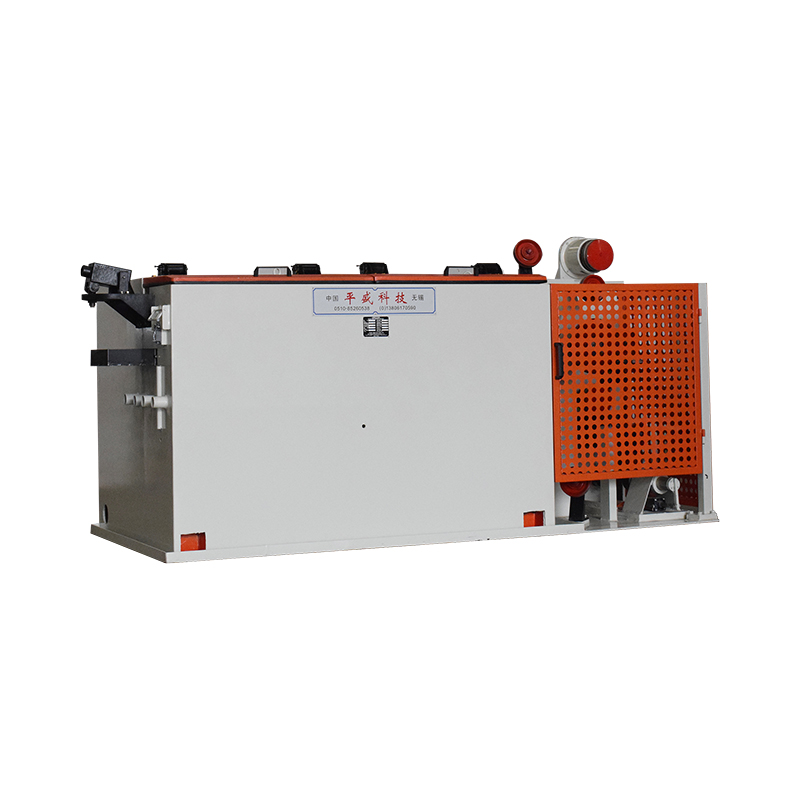
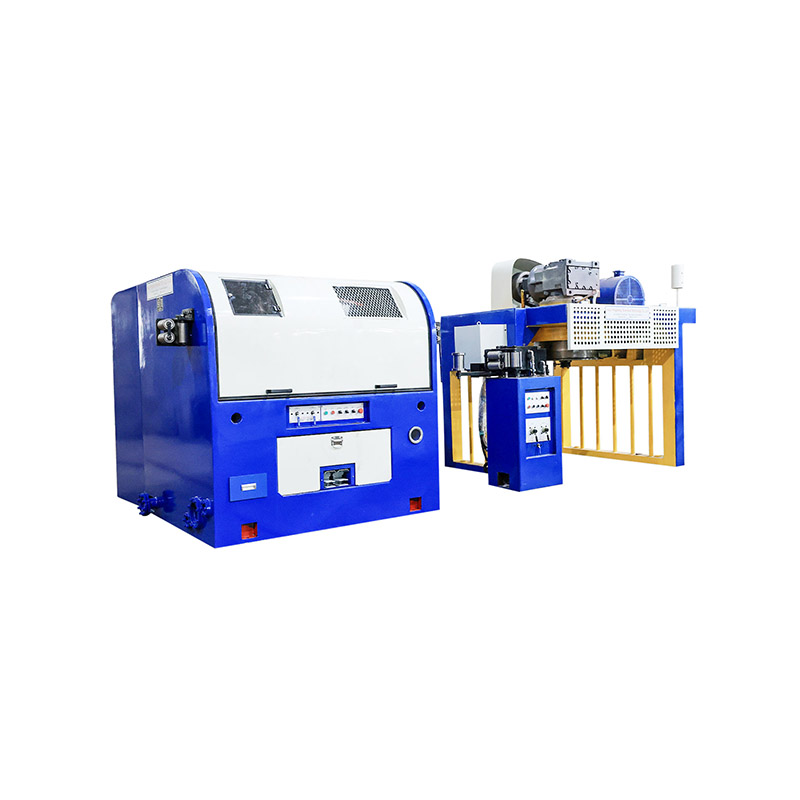
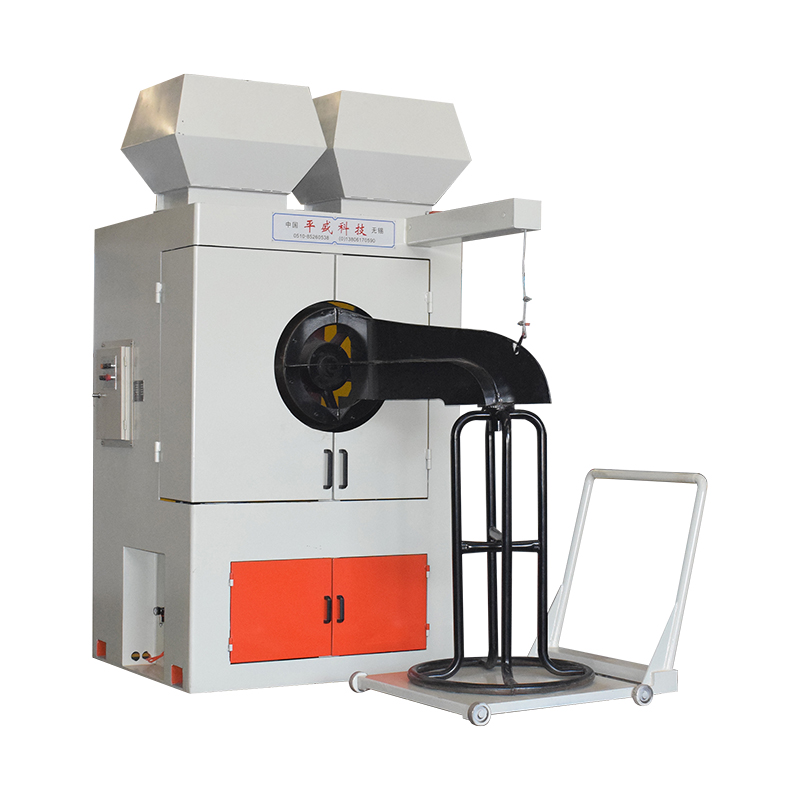 Multi-Unit Automatic Wire Take-Up Machine for Drawing LinesAutomated take-up equipment controls winding speed, tension, and spool diameter to protect wire surface quality. Designed for continuous operation, it minimizes operator involvement and suits various wire types.View Product →
Integration with Modern Wire Drawing Lines
The value of an automatic pay-off machine grows when it communicates with the drawing machine and the rest of the process. Signal exchange is the key. When the pay-off receives the draw-bench speed reference, it can anticipate changes before tension errors appear. Safety interlocks matter too: if the line stops, the pay-off must stop its drive and apply the brake immediately.
Modern lines supplied by our company can combine a pay-off machine, a high-speed multi-block straight line wire drawing machine, surface treatment equipment, and a take-up machine into one coordinated setup. For a deeper look, we have explained how to achieve seamless integration of pay-off machines with your production line control systems.
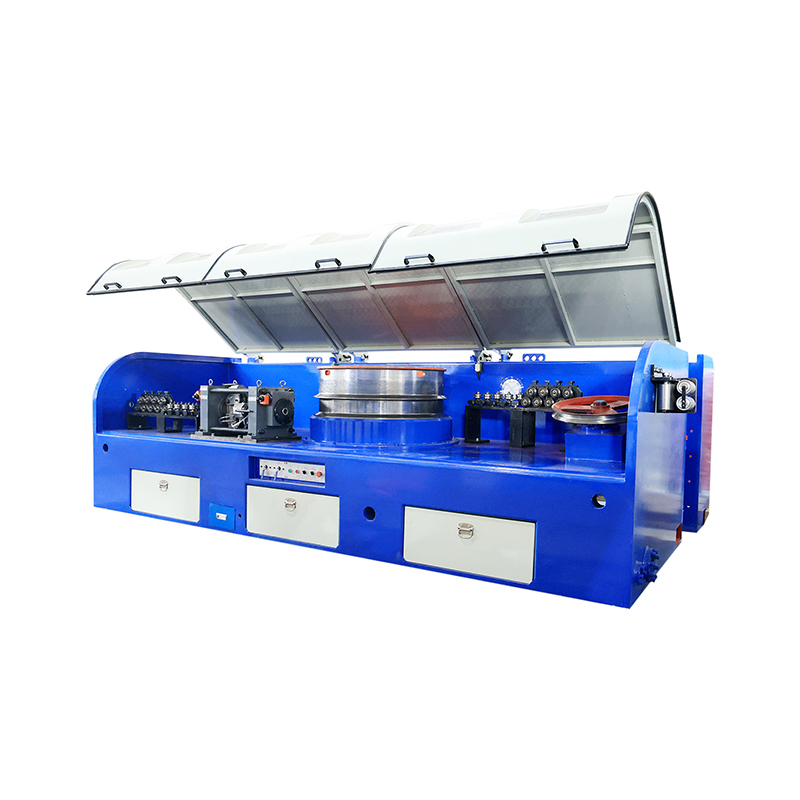
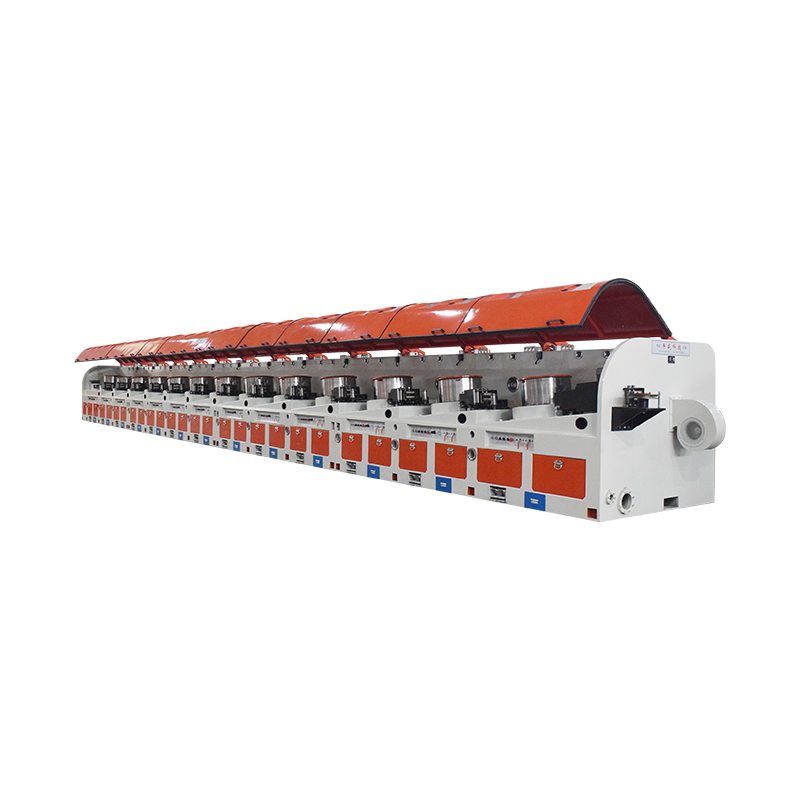 High-Speed Multi-Block Straight Line Wire Drawing MachineEngineered for continuous drawing of carbon, alloy, and stainless steel wire, this machine uses up to 16 blocks. It offers smooth operation, reduced breakage, and high output for construction and automotive applications.View Product →
Maintenance and Operational Best Practices
An automatic pay-off machine is built for continuous duty, but a small set of routine habits keeps its accuracy and extends its service life:
- Clean the dancer arm pivots and the wire guide rolls every shift; dust and drawing powder build up quickly.
- Check the brake lining or the active drive belt weekly, and replace worn parts before they fail.
- Verify the tension sensor calibration monthly with a hand-held tension meter.
- Inspect air pressure and pneumatic components if the brake is pneumatic.
- Watch the first meters of each new coil; tangles and bent wire ends should be corrected before they enter the machine.
Paying attention to these details also reduces the risk of starting defects in the drawing process. A tiny hesitation or tension jump at the pay-off can become a surface mark or a dimensional variation by the time the wire reaches the die box.
The pay-off station deserves more attention than it usually receives. An auto wire pay-off machine turns a frequent source of manual adjustment and production interruption into a controlled, repeatable part of the process. Whether you are upgrading a single line or building a complete installation from scratch, starting with reliable pay-off technology makes everything downstream easier. When the whole line runs in step, from pay-off to drawing to take-up, the result is exactly what every wire producer is looking for: more good wire, in less time, and at a lower cost per ton.