
 EN
EN
 English
 Español
 Français
 Português
 عربى
عربى
Auto Wire Pay-Off Machines: Selection Guide, Tension Control & Line Integration
Content
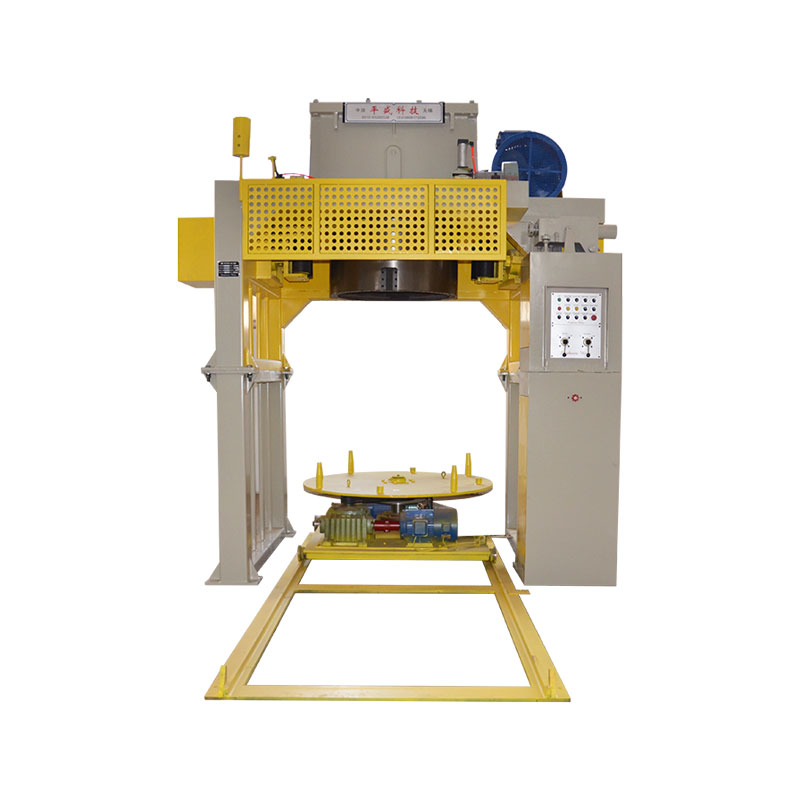
A wire drawing line that stops for tension correction is a line that is not producing. In many plants, the first place to look is the pay-off station. Inconsistent uncoiling tension creates slack loops, wire snapping, and surface scratches that are later blamed on the dies or on the drawing machine itself. An automatic wire pay-off machine removes this variable by regulating uncoiling tension as the coil diameter changes and as line speed varies. This article explains how automatic pay-off machines work, what to verify when selecting one, and how to integrate them into a drawing line without surprises during commissioning.
Why Pay-Off Control Sets the Quality Baseline
Every meter of wire that enters the die first passes through the pay-off. The behavior of the pay-off therefore sets the baseline for everything downstream. When the incoming tension fluctuates, the drawing machine sees an unstable input, and the result appears immediately as diameter variation, chatter marks, or scoring on the wire surface.
In practice, tension variation at the pay-off should stay within a narrow band, typically within 5 percent of the setpoint for steel wire, and tighter for fine wires where the margin between required drawing tension and breakage tension is small. A manual pay-off with a fixed friction brake cannot hold this band because it does not adapt as the coil weight drops and as line speed changes. An automatic machine compensates for both variables continuously.
The mechanical job of the pay-off is simple: support the coil or spool, allow the wire to unwind, and guide it into the drawing machine. What makes the job difficult is that a full coil of high-carbon wire has much higher inertia than a nearly empty coil, and the wire itself carries residual curvature from the upstream spooling process. Automatic pay-off machines combine sensors, a dancer or torque control, and a brake or drive to cope with these conditions.
What "Automatic" Means in a Wire Pay-Off Machine
Automatic wire pay-off machines use two main control principles.
Dancer Arm Control
A roller mounted on a pivoting arm maintains a defined wire loop between the coil and the drawing machine. When the loop grows or shrinks, the arm angle changes, and the control system adjusts the brake torque or drive speed to restore the steady-state loop. Dancer systems are robust, respond quickly, and tolerate short-term mismatches between uncoiling speed and line speed.
Torque or Speed Following
The pay-off drive receives a speed reference from the line and adjusts its output torque to maintain a preset back tension. This method suits high-speed lines and materials that cannot tolerate tension spikes, because it reacts to the speed signal before a loop can form or collapse.
The difference between automatic and manual operation is response time. A manual unit requires the operator to set the brake force at the start of each coil and then check it regularly. An automatic machine reacts in milliseconds to changes in line demand, and it holds the tension setpoint even during acceleration, deceleration, and emergency stops. This is the first thing to verify when comparing machines: how the control is implemented, and what happens to the wire when the line stops suddenly.
Matching the Pay-Off Machine to Your Drawing Line
Auto wire pay-off machines should be selected as part of the drawing line, not as standalone units. Three groups of parameters define the match.
Wire Characteristics
The pay-off must adjust tension precisely for the wire diameter, material, and strength level in production. High-carbon steel wire and PC steel wire are typical examples where the process window is relatively narrow. The tension setpoint must be repeatable at both low and high values, because a full coil and a nearly empty coil impose completely different loads on the control system.
Coil and Reel Geometry
Flange diameter, bore size, and coil weight determine the cradle or spindle design. If the plant receives coils in more than one format, the pay-off should allow quick changeover or tool-free adjustment. An undersized cradle limits the choice of wire suppliers; an oversized one wastes floor space and increases initial cost.
Line Speed and Acceleration
The pay-off must feed wire faster than the maximum drawing speed, with enough reserve for acceleration. A practical guideline is to specify the maximum feed rate at 20 to 30 percent above the rated line speed. The braking system should also be matched to the inertia of a full coil, so that the coil stops in a controlled way during a wire break or emergency stop.
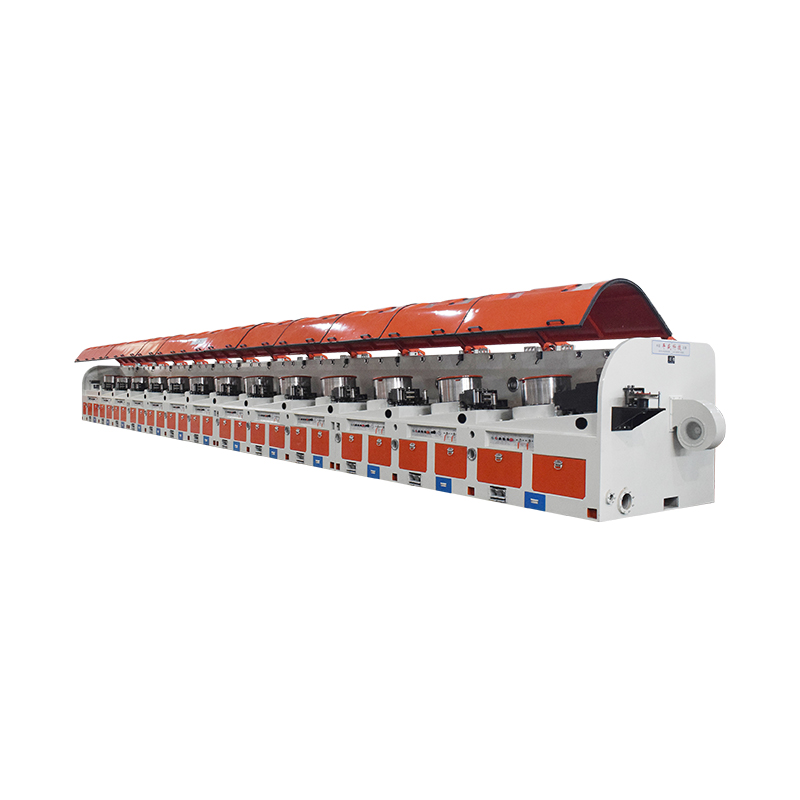
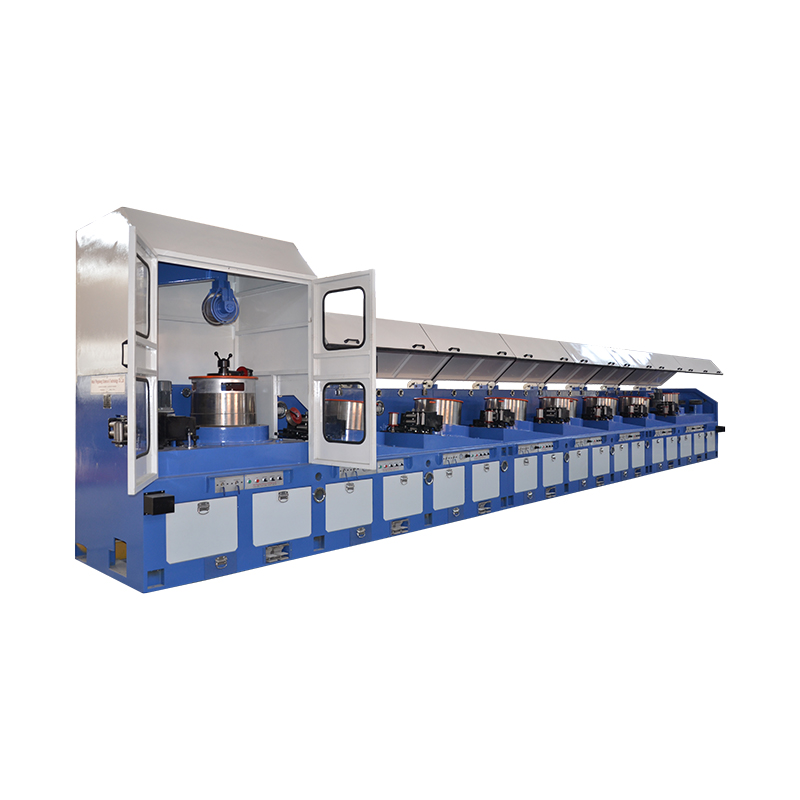
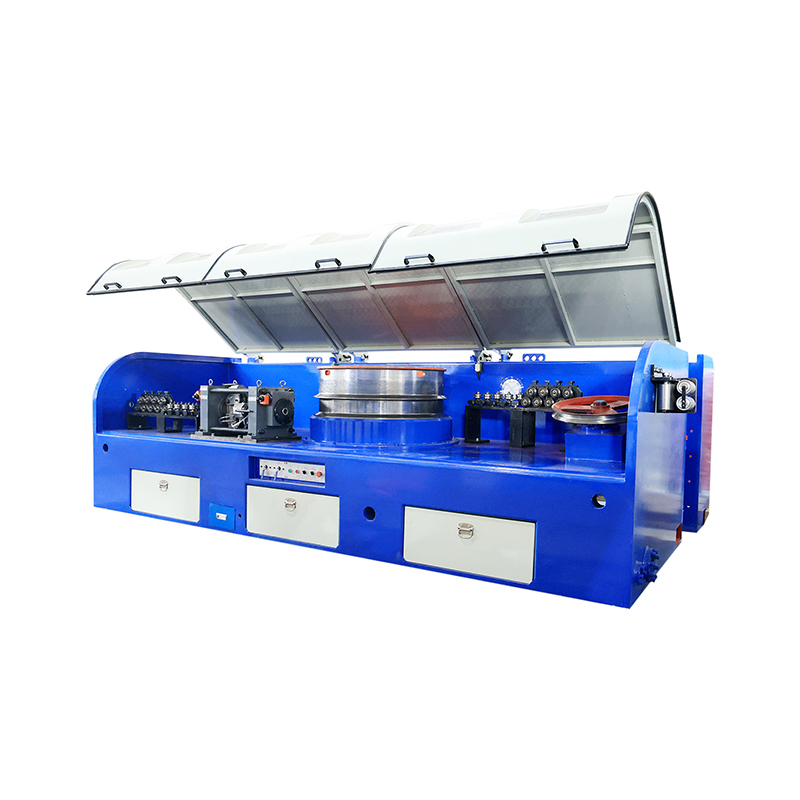
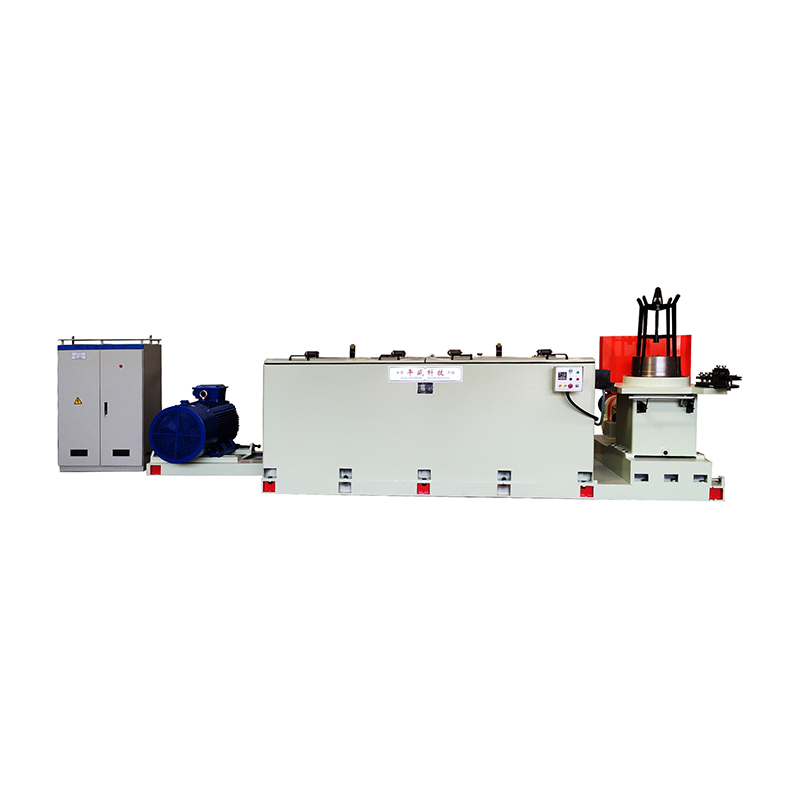
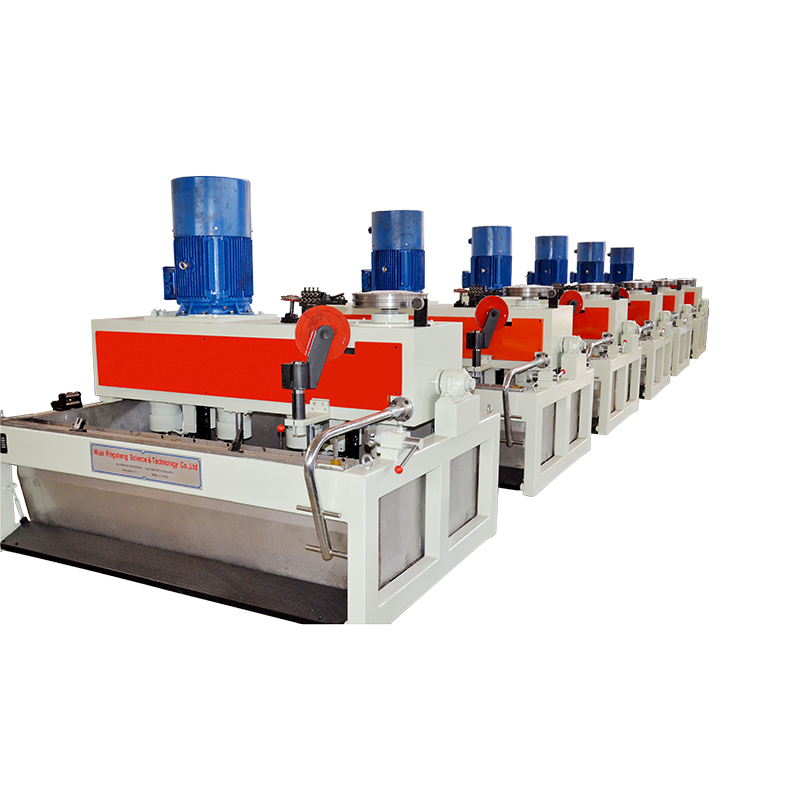
Complete drawing lines are usually supplied with the pay-off, the drawing machine, and the take-up from the same product family. A straight-line wire drawing machine, for example, places high demands on the pay-off because it runs at high speed with multiple blocks, and any inconsistency at the input is amplified by each die. When the units come from different suppliers, the plant becomes the integration point, and that is where delays and performance gaps usually appear.
Within the pay-off itself, the points to check are the type of braking or drive, the sensitivity of the tension adjustment, and the guiding mechanism that keeps the wire centered on its path into the drawing machine. These details determine how much operator attention the unit will need during normal production. A supplier such as Wuxi Pingsheng Science & Technology Co., Ltd., which builds pay-off machines together with drawing and take-up equipment, can confirm how a specific model is sized for a given coil weight and speed range.
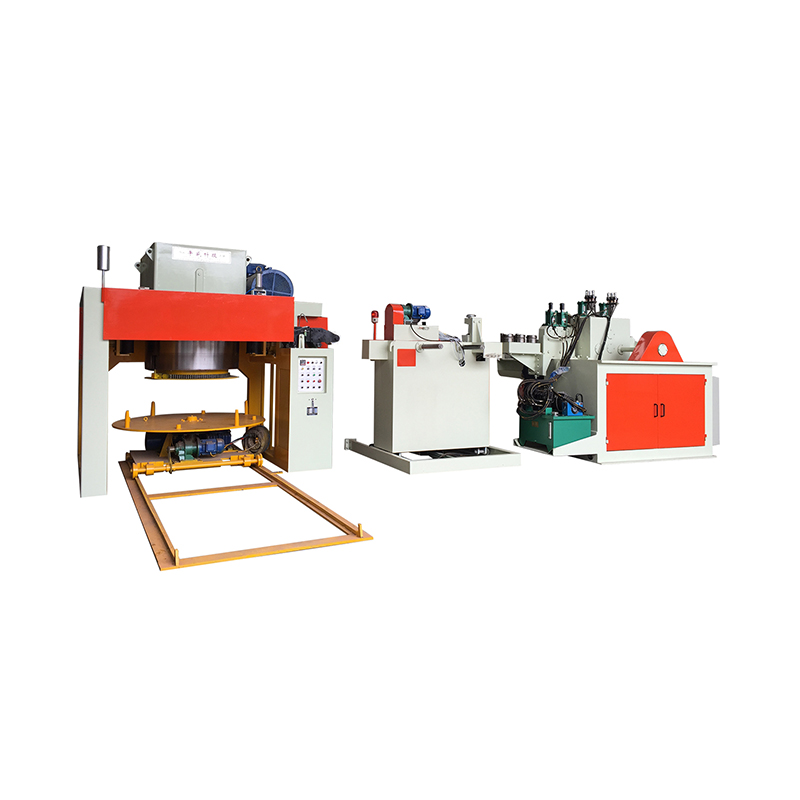
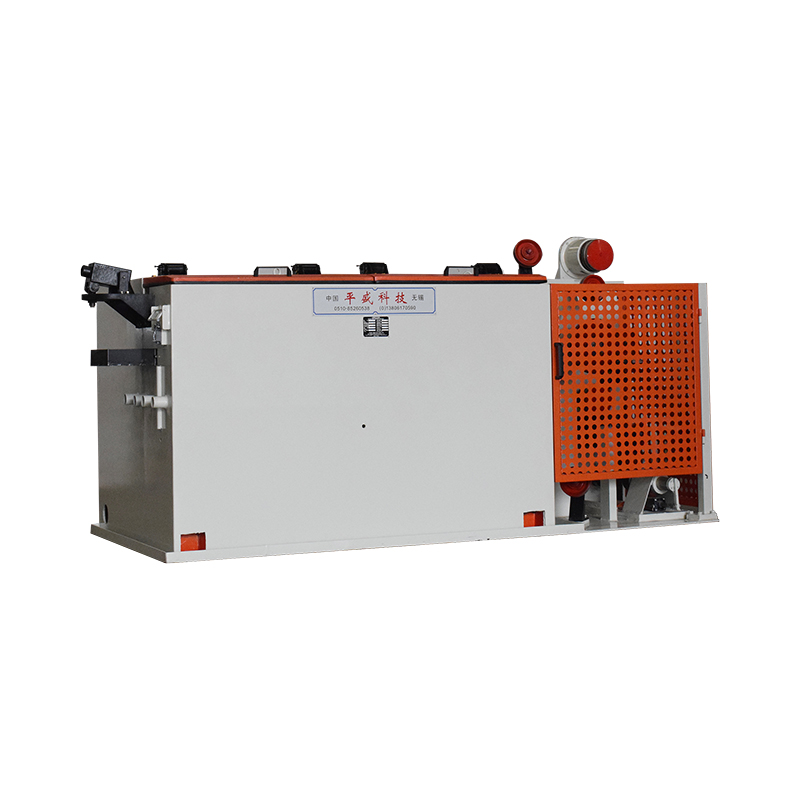
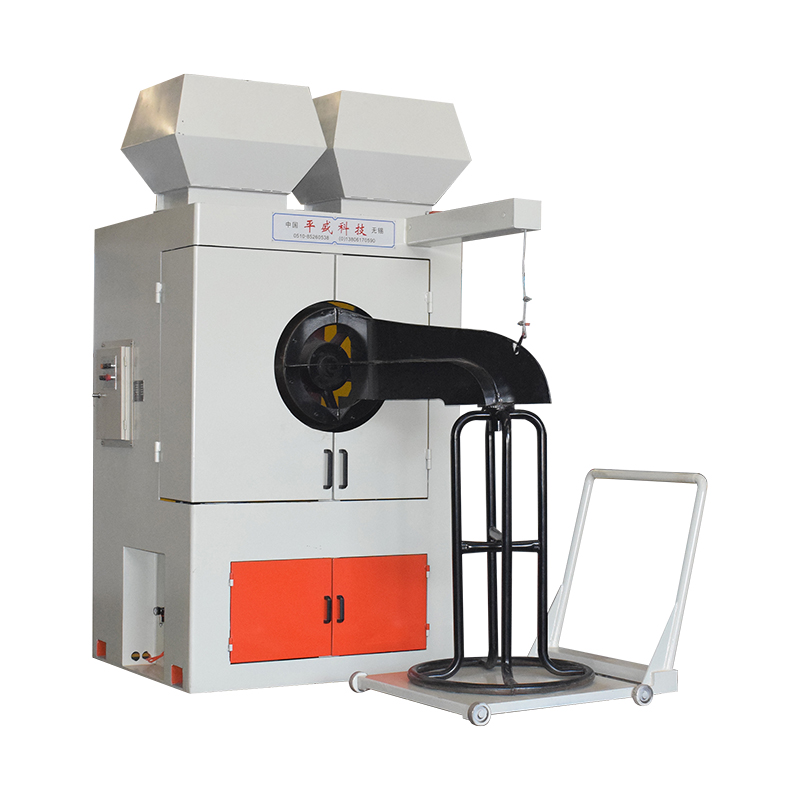
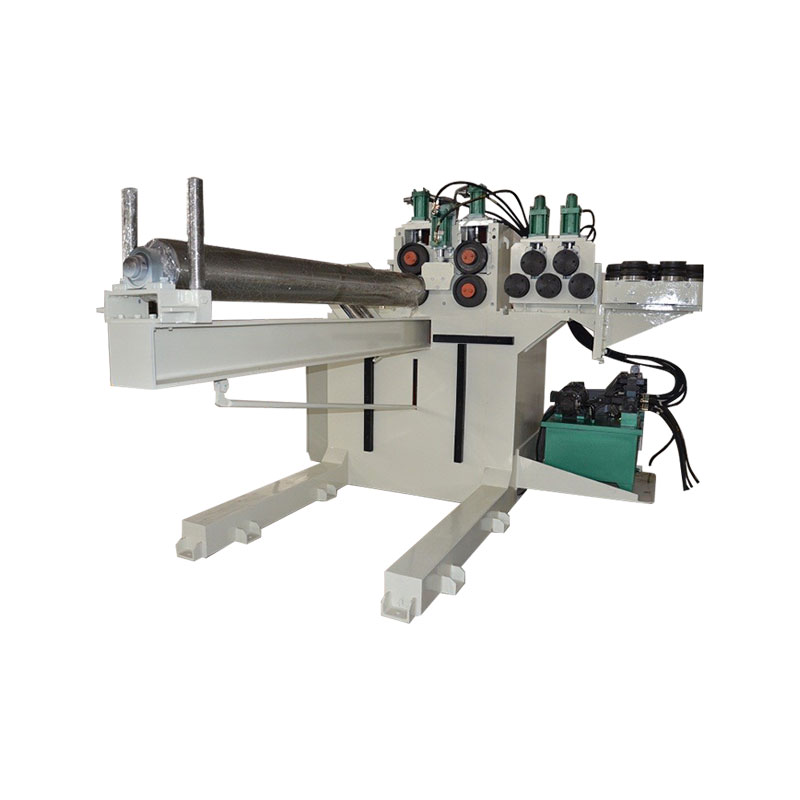 Automatic Pay-Off Machines for Wire Drawing LinesThis page details automatic pay-off machines from a supplier that also builds drawing and take-up equipment, helping you size the unit for coil weight and speed while planning control system integration.View Product →
Integration with Line Control Systems
The most common problems with automatic pay-off machines appear after installation, when the unit is connected to the line control system for the first time. Signal voltage, communication protocol, and start-stop logic must be agreed on before delivery, not during commissioning. The supplier's guide to seamless integration of pay-off machines with production line control systems summarizes what should be prepared on the line side: PLC signal lists, wiring schematics, and HMI screens. In short, the pay-off needs the line running status, the speed reference, and the stop command, and it must return its own status, alarms, and tension setpoints to the line PLC.
The take-up machine is the counterpart of the pay-off, and the same tension-control principles apply on the outgoing side. If the take-up regulates tension smoothly, the pay-off is not disturbed by irregular pulling, and the wire is not overstressed between the two stations. Selecting the pay-off, the drawing machine, and the take-up from the same product family simplifies integration, because the control interfaces are designed to work together.
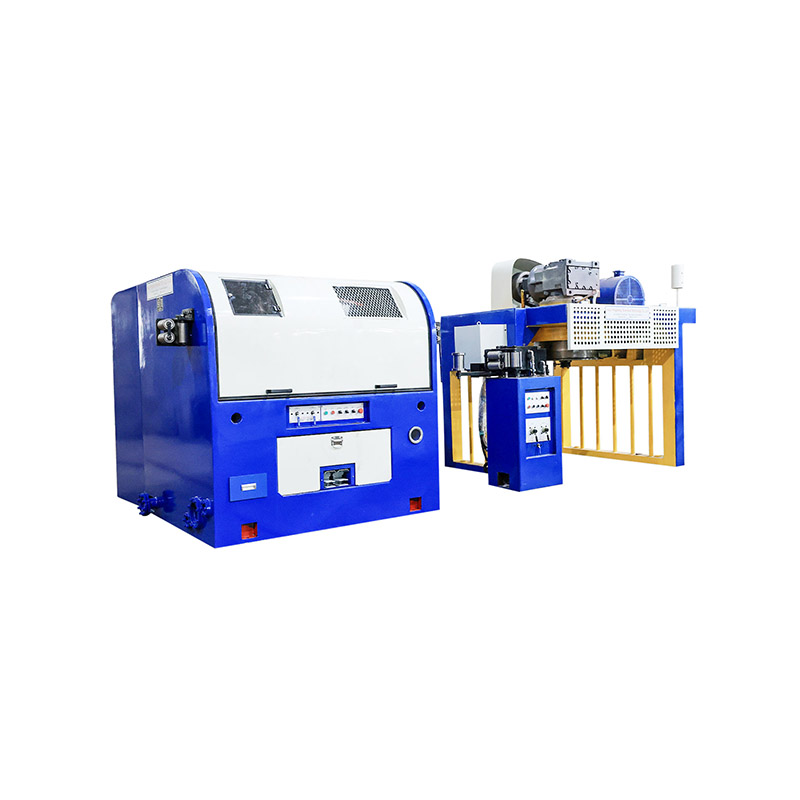
 Multi-Unit Wire Take-Up Machines for CoilingExplore multi-unit take-up machines with automated winding speed, tension, and spool diameter control, designed to pair smoothly with pay-off units from the same product family for consistent tension.View Product →
Specification Checklist for Auto Wire Pay-Off Machines
There is no universal specification for an automatic pay-off machine, but there is a standard set of questions that should be answered before requesting a quotation. The table below lists the parameters that most often cause mismatches.
| Parameter | What to Verify | Why It Matters |
|---|---|---|
| Maximum coil or reel weight | Must match the heaviest supply coil used in production | Undersizing limits the choice of wire suppliers; oversizing wastes floor space |
| Wire diameter range | Must cover current products and near-term plans | Changing to a thinner wire grade requires finer tension adjustment |
| Tension setpoint range | Confirm the minimum and maximum tension values | Low-tension materials need precise control at the bottom of the range |
| Brake or drive type | Friction brake versus motor-driven dancer system | Motor-driven units respond faster but have higher purchase and maintenance cost |
| Signal interface | Analog, digital, or fieldbus communication | Must match the existing line PLC to avoid integration delays |
| Response to emergency stop | How quickly the brake or drive stops the coil | Slow response causes slack loops or overstress at the wire break point |
Three parameters deserve the most attention: the wire diameter range, the maximum coil weight, and the tension setpoint range. If these are not confirmed against the actual production schedule, every other part of the specification is at risk. It is not unusual for a machine to be selected on the basis of the current product and then fail when the plant adds a larger coil format or a thinner wire grade.
What the Purchase Decision Really Comes Down To
An automatic wire pay-off machine costs more than a manual unit, and that difference should be evaluated against line utilization. A rough but useful reference: if the automatic pay-off reduces stoppages by one event per shift, it usually pays for itself quickly. Consistent input tension also protects the dies, the drawing machine, and the take-up from unexpected load variations.
The buying risks are rarely technical; they are specification gaps. Confirm the wire range, the coil envelope, and the tension control range against your actual production plan. Ask how the brake or drive is sized for a full coil, what happens on an emergency stop, and what the maintenance intervals are for the dancer mechanism and the brake lining. The answers to these questions say more about the machine than any brochure.
The value of an automatic wire pay-off machine is that it removes the most avoidable source of instability in a drawing line: uncontrolled input tension. When the pay-off responds to the line automatically, the drawing machine receives consistent input, the take-up receives consistent output, and the operator can concentrate on process quality instead of correcting the wire feed. For a plant that runs high-carbon steel, PC wire, or any product with a tight process window, that consistency is the difference between a line that produces steadily and one that is constantly interrupted.