
 EN
EN
 English
 Español
 Français
 Português
 عربى
عربى
Inverted Vertical Wire Drawing Machine: A Complete Guide for Global Buyers
Content
- 1 What Is an Inverted Vertical Wire Drawing Machine?
- 2 How the Drawing Process Works
- 3 Main Advantages of the Vertical Layout
- 4 Where an Inverted Vertical Machine Fits
- 5 Configurations and Variants
- 6 What to Confirm Before You Order
- 7 Building a Complete Line Around the Machine
- 8 Safety, Operation and Maintenance
- 9 Why Buyers Worldwide Work With Wuxi Pingsheng
An inverted vertical wire drawing machine quietly decides how smooth, round and profitable the rest of a wire production line will be. Instead of the familiar horizontal layout, the drawing blocks stand vertically on a heavy frame, and the wire is pulled upward through the dies before it moves on to the next reduction.
At Wuxi Pingsheng Science and Technology Co., Ltd., we have been building wire drawing machinery in Wuxi since 1985, and the inverted vertical design has become one of the machines our customers ask for most often. This guide explains how it works, where it earns its keep, and what you should confirm before you place an order.
What Is an Inverted Vertical Wire Drawing Machine?
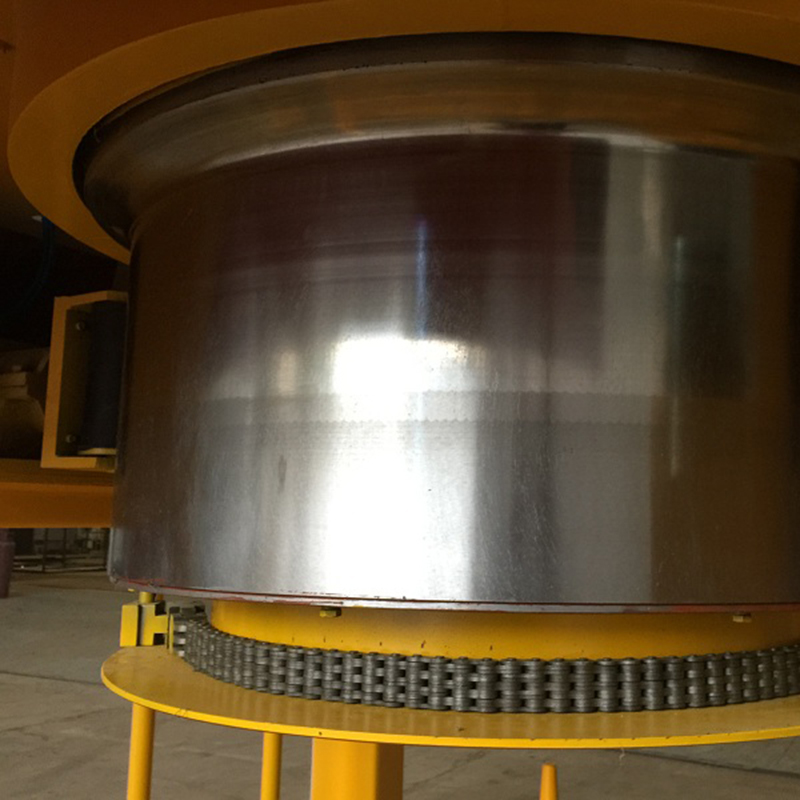
The name describes both the geometry and the motion. Vertical refers to the orientation of the drawing blocks, which are mounted on a vertical shaft or frame instead of a horizontal row. Inverted describes how the block sits in relation to the die box: the wire is drawn upward through the die and laid onto the rotating block before it is guided away.
In many workshops the machine is still called an inverted bull block, because it descends from the classic bull block used for heavy single-pass reduction. Because the block is vertical, the wire leaves it along a naturally falling path instead of being dragged sideways across a long frame.
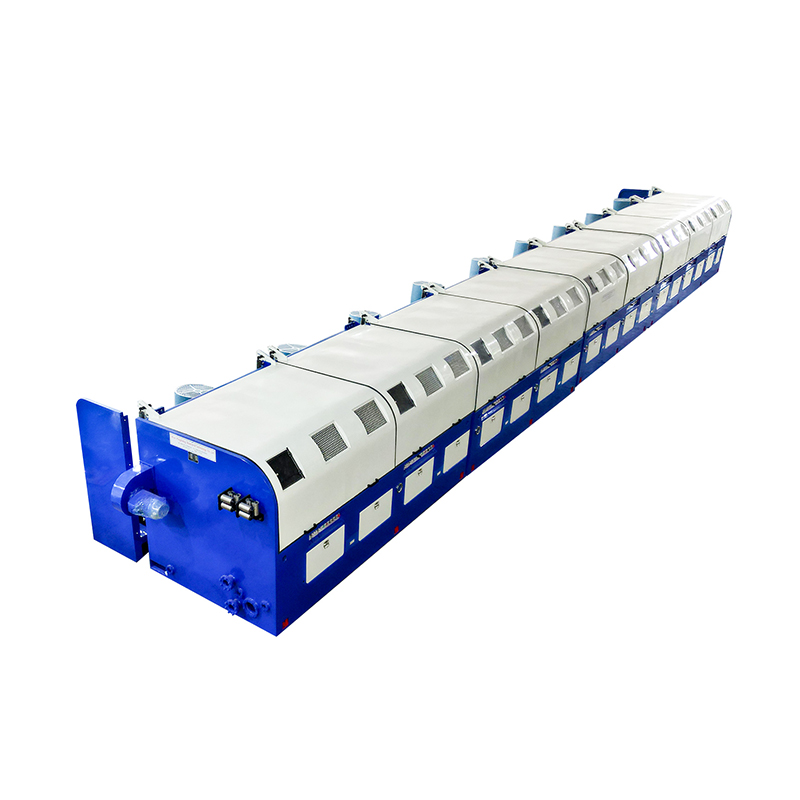
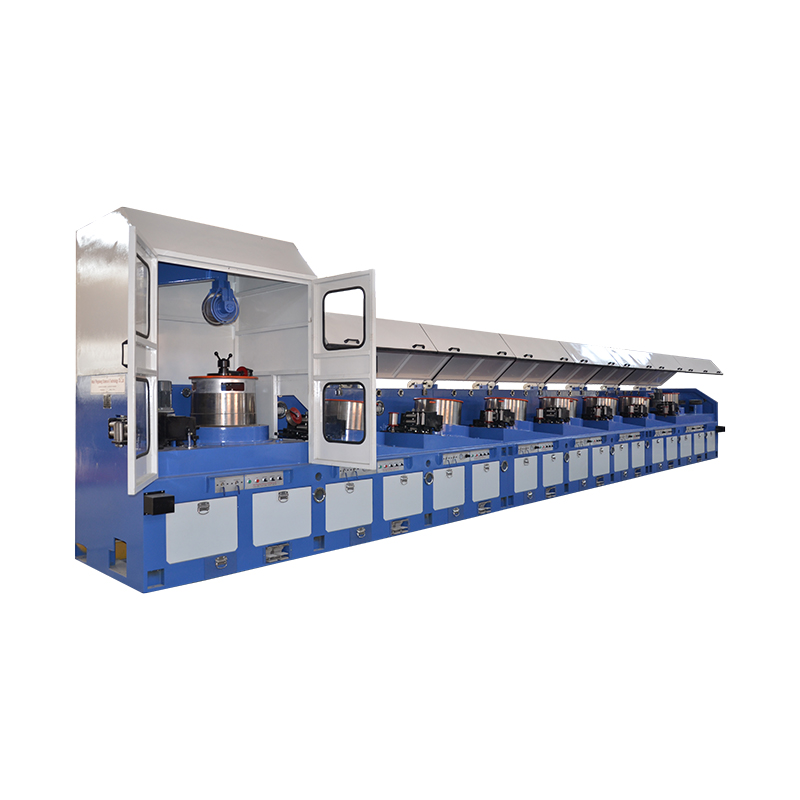
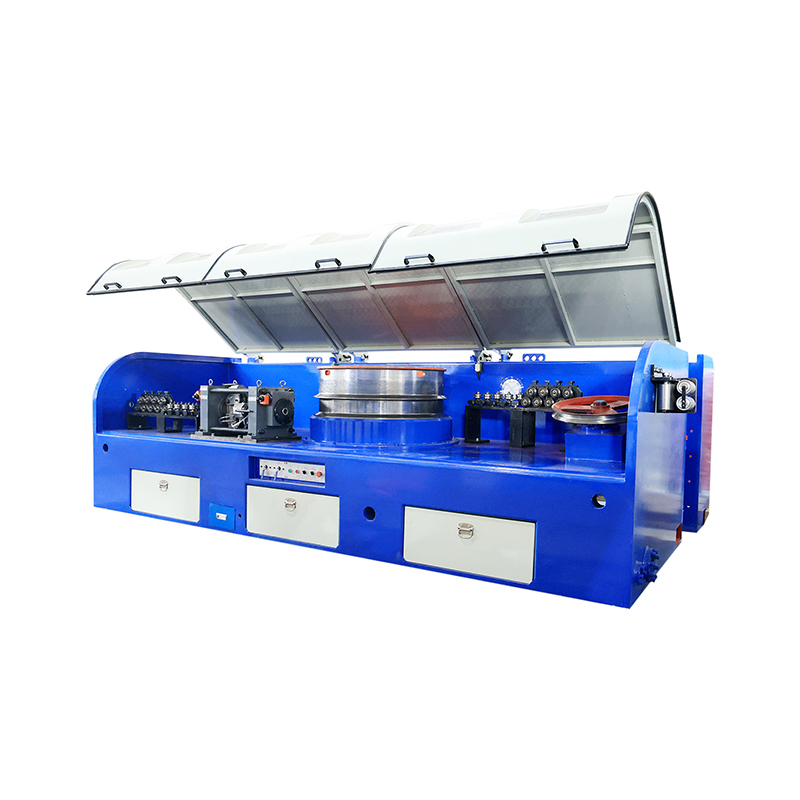
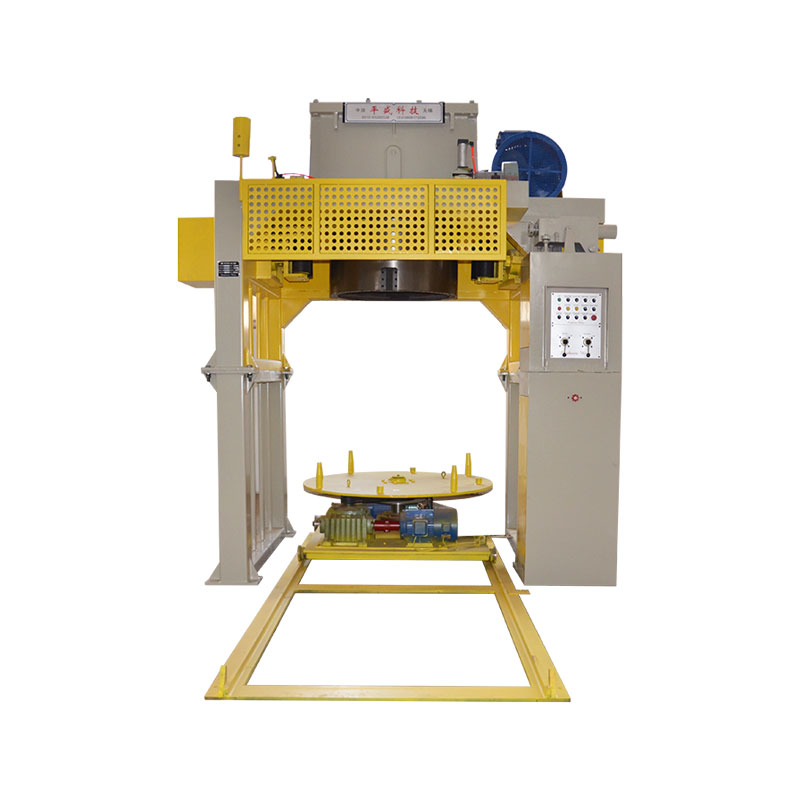
 Heavy duty inverted vertical wire drawing machine with auto pay-offInverted vertical wire drawing machine is usually used for medium-big diameter wire, different shaped wire drawing and take-up.View Product →
Gravity does useful work here. It helps the wire sit steadily against the block, keeps loops tidy, and lets the finished wire drop towards the take-up with very little extra handling. The same machine can be built as a single-block unit for one heavy reduction or as a multi-block arrangement for several passes in series.
How the Drawing Process Works
Every drawing line is configured a little differently, but the sequence on an inverted vertical machine usually follows the same logic.
- Pay-off: wire is unwound from a coil or spool and fed in under controlled tension.
- Preparation: a cleaning or descaling stage removes scale and dust before the wire reaches the die.
- First die: the wire is pulled through a die that reduces its diameter and shapes the surface.
- Drawing block: the reduced wire is laid onto the vertical block, whose rotation provides the pulling force.
- Loop and tension control: an accumulator or dancer keeps the loop stable so that the next die is fed smoothly.
- Further passes: additional dies and blocks repeat the reduction until the target diameter is reached.
- Delivery: the finished wire is collected on a spooler, coil former or basket, ready for the next process.
Two details are easy to overlook. The first is lubrication: the die box, the block surface and the wire path all depend on a steady supply of lubricant, and in a vertical layout liquids drain away naturally instead of pooling along a frame. The second is the loop: a stable loop means a stable cross-section, so we spend real time on accumulator and tension settings during commissioning.
Main Advantages of the Vertical Layout
Vertical geometry is not a fashion statement. It solves several practical problems at once:
- Floor space: a vertical block needs a small footprint, which matters where every square metre is planned.
- Gravity-assisted path: the wire hangs naturally, so loose loops and tangles are far less likely.
- Fewer guide pulleys: fewer changes of direction mean less bending, less scratching and better surface quality.
- Heavy reductions: the design handles large single-pass reductions well, which suits thick wire and difficult alloys.
- Easier coil handling: finished coils can be lifted with a coil car instead of being manoeuvred around a long frame.
- Simple access: dies, die holders and the block surface are easy to reach, which shortens changeover time.
None of these benefits is automatic. They depend on correct sizing, a rigid frame, well-balanced blocks and a carefully tuned control system.
Where an Inverted Vertical Machine Fits
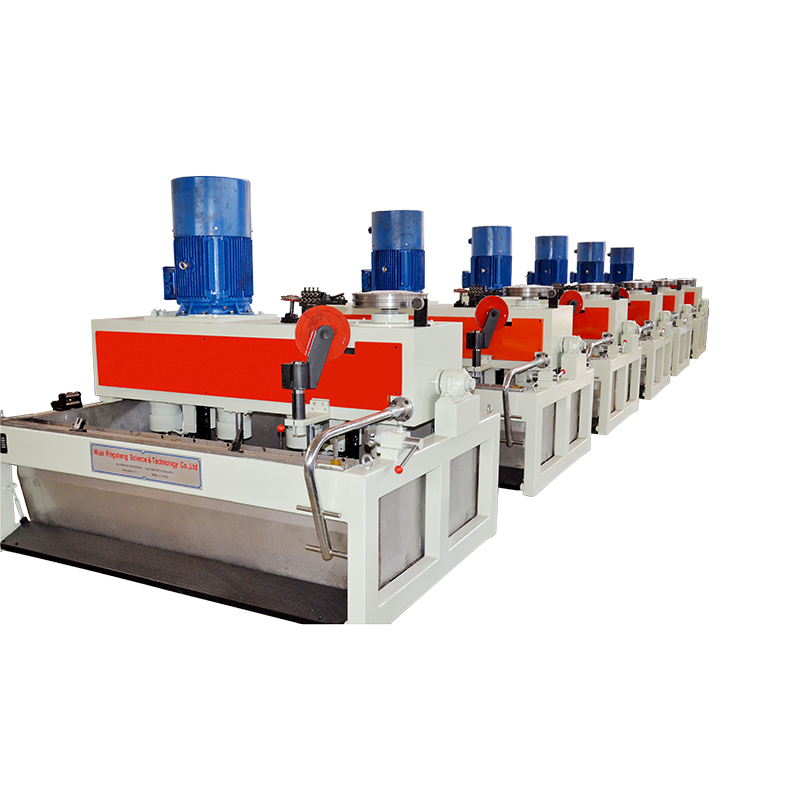
These machines are usually chosen where the wire is thick, the coil is heavy, or the surface of the finished product leaves no room for error. Typical work includes cold heading quality wire for fasteners, high carbon wire, stainless and alloy steel wire, welding wire and PC wire.
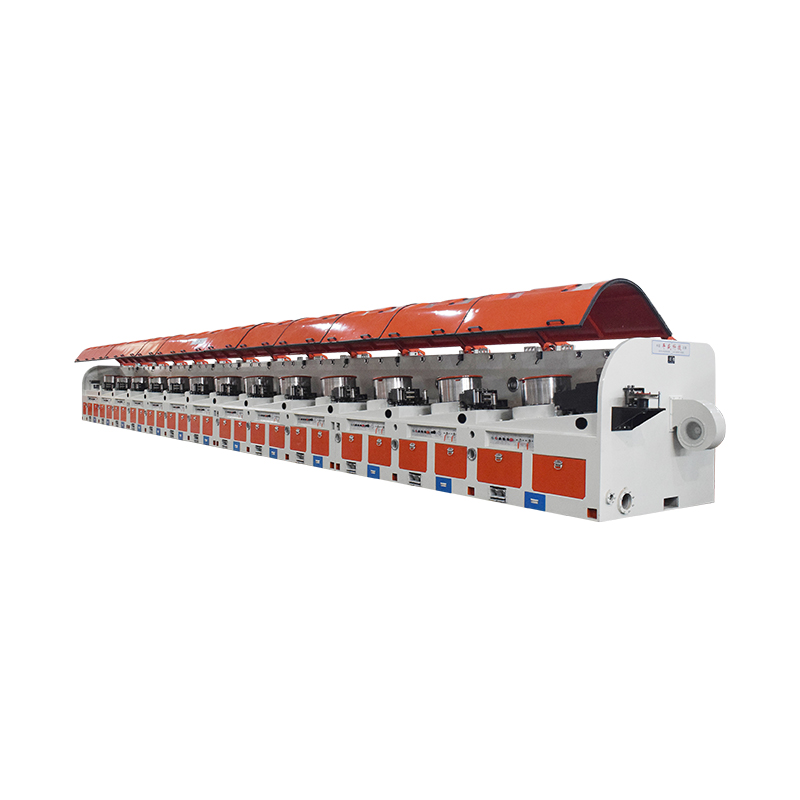
For high-carbon and PC wire production, many customers pair an inverted vertical machine with a straight line drawing line for high-carbon wire and PC wire for the finer passes, so that the whole route from rod to finished wire stays under one process plan.
Configurations and Variants
Two standard configurations cover most requirements, and both can be adapted with options.
Ordinary Inverted Vertical Wire Drawing Machine
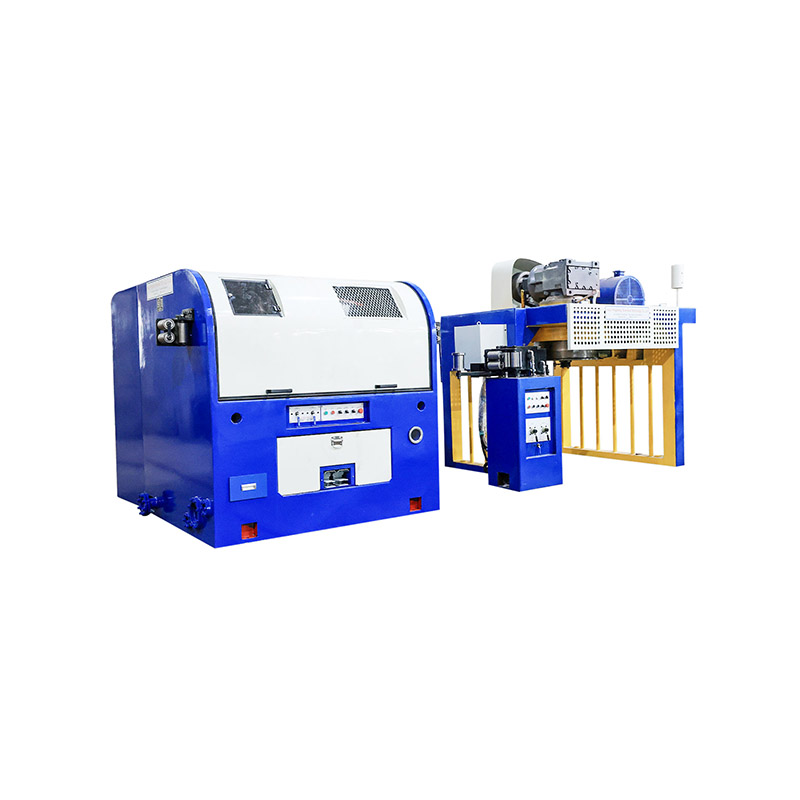
The workhorse version: block, die box, drive and controls arranged for straightforward heavy drafting. It suits plants that need a dependable unit for a defined diameter range and want to keep using their existing pay-off and take-up equipment.
Inverted Vertical Machine Combined with a Single Drawing Block
Here the inverted vertical block and a single drawing block share one frame, which allows a first heavy reduction followed by a controlled finishing pass without moving the coil to a second machine. It is a popular answer when floor space is tight but the process still needs two distinct steps.
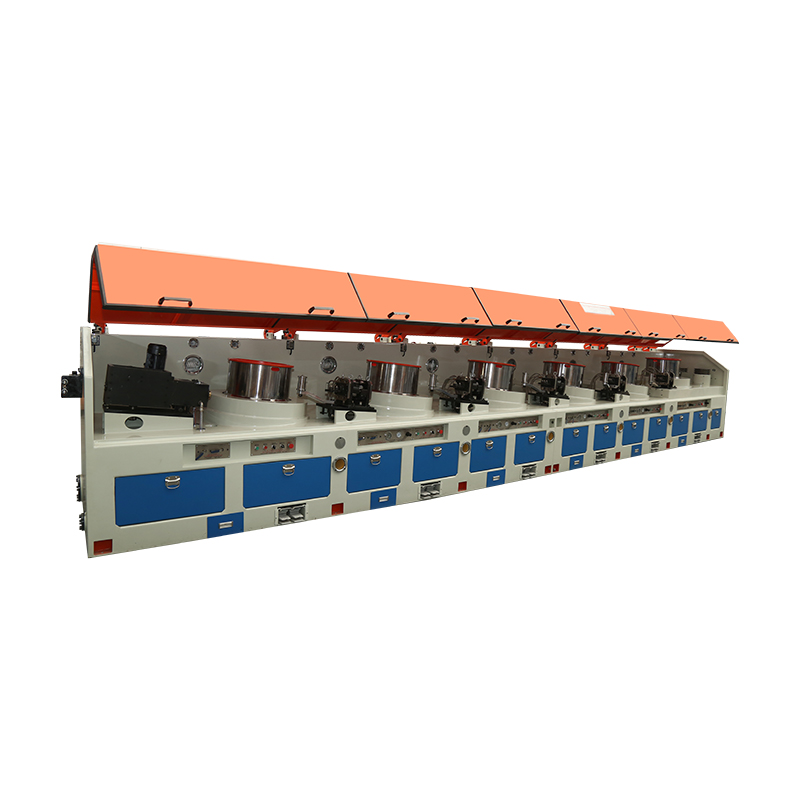
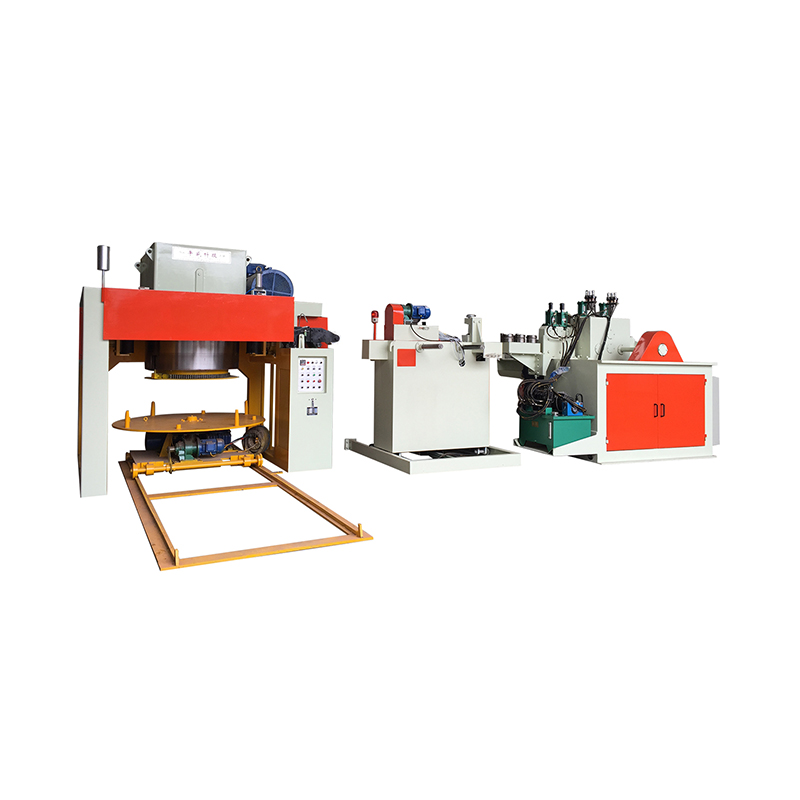
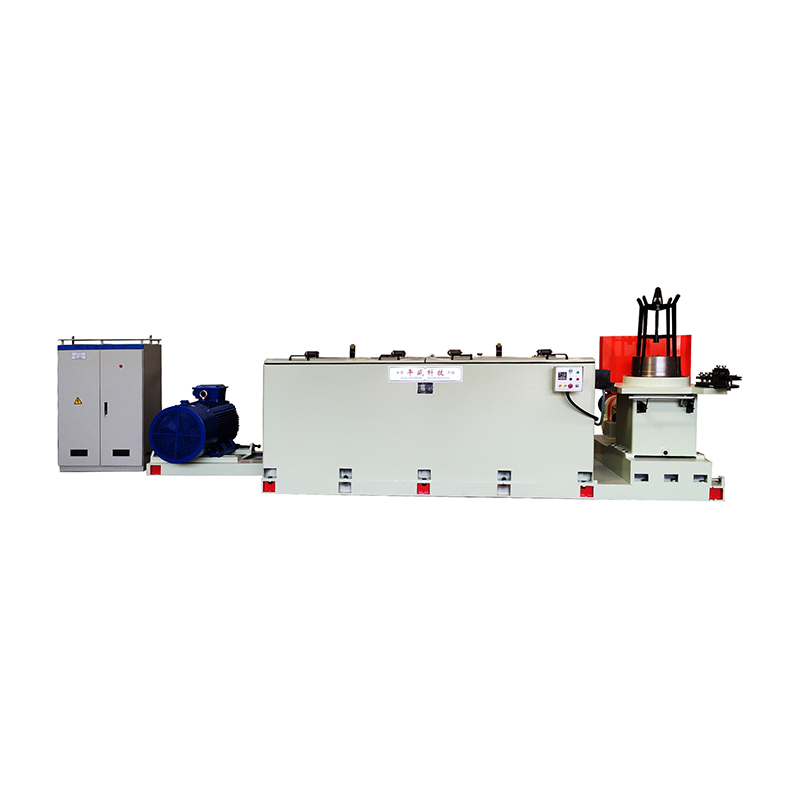
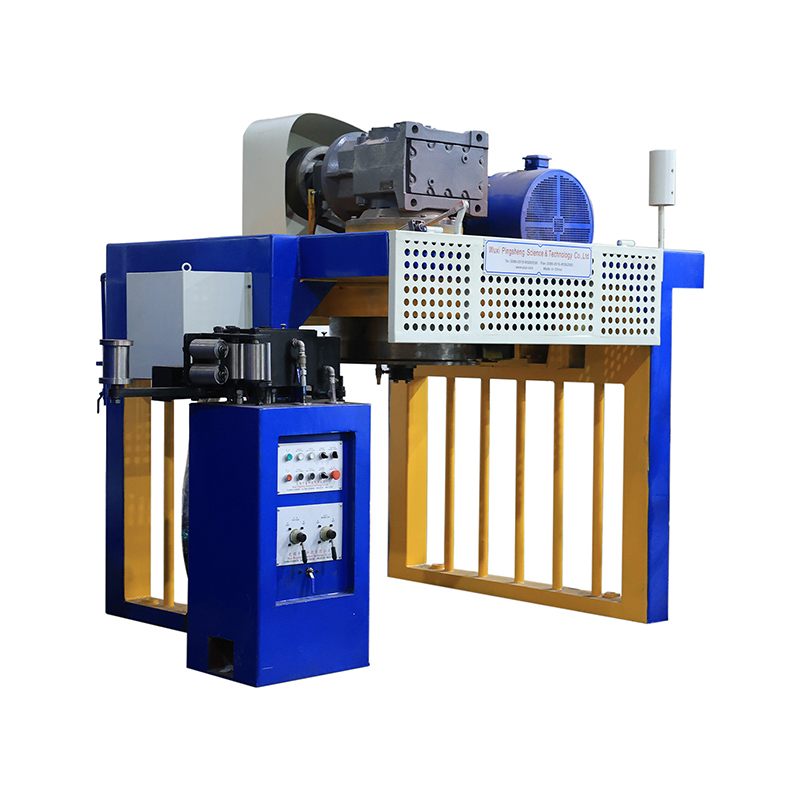 Inverted vertical wire drawing machine combined with single drawing blockThis unit combines single head straight line and inverted vertical drawing line, inverted vertical machine has the function of wire drawing and take-up.View Product →
Beyond the basic layout, we discuss die holders matched to your wire range, block surfaces chosen for wear resistance, AC motors with variable-frequency drives, loop arms, coil cars, guarding, and controls that can talk to the rest of your line.
What to Confirm Before You Order
A drawing machine is specified around the wire, not around a catalogue page. These are the points we work through with every buyer.
| Parameter | Why It Matters | What To Confirm |
|---|---|---|
| Inlet wire | Sets pulling force and die geometry | Rod diameter, steel grade, surface condition |
| Finished diameter and passes | Decides how many blocks and dies are needed | Target size, tolerance, reduction plan |
| Reduction per pass | Too much overloads the wire, too little wastes capacity | A draft schedule agreed with the builder |
| Drawing speed | Links machine output to downstream equipment | Required output per hour and drive speed range |
| Block diameter and surface | Affects wire curvature and wear life | Block size for your range and surface treatment |
| Motor, drive and control | Provides pulling power and stable loop control | Motor rating, variable-frequency drive, PLC functions |
| Lubrication and cooling | Protects dies and wire surface | Die box design, lubricant type, circulation and filtration |
| Coil weight and handling | Decides take-up and lifting equipment | Coil weight, coil former or spooler, removal method |
Building a Complete Line Around the Machine
An inverted vertical machine rarely works alone. Wire has to arrive at the right tension, leave at the right tension, and be collected in a form that suits the next process.
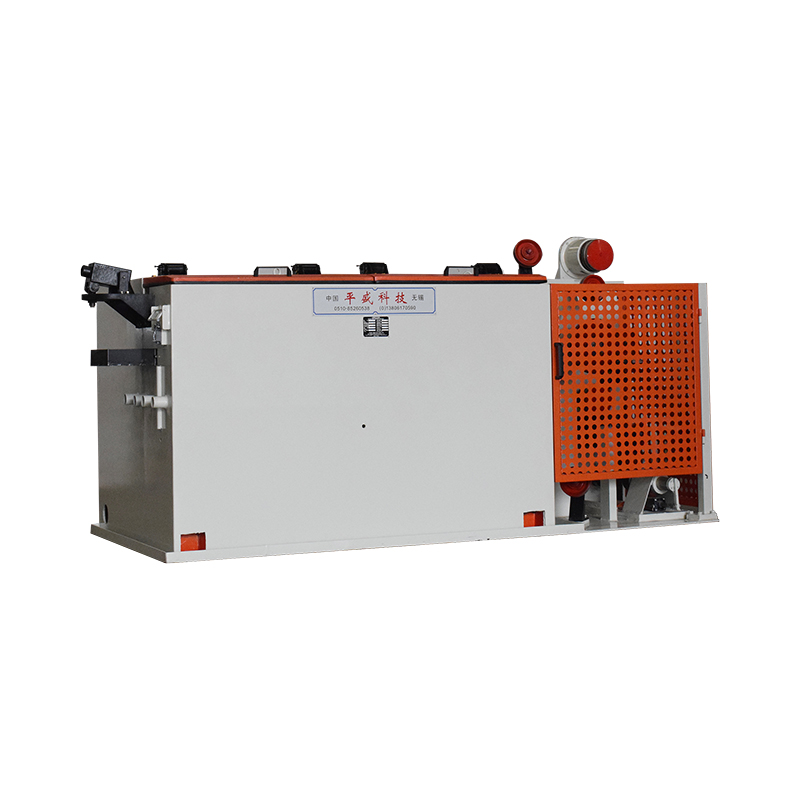
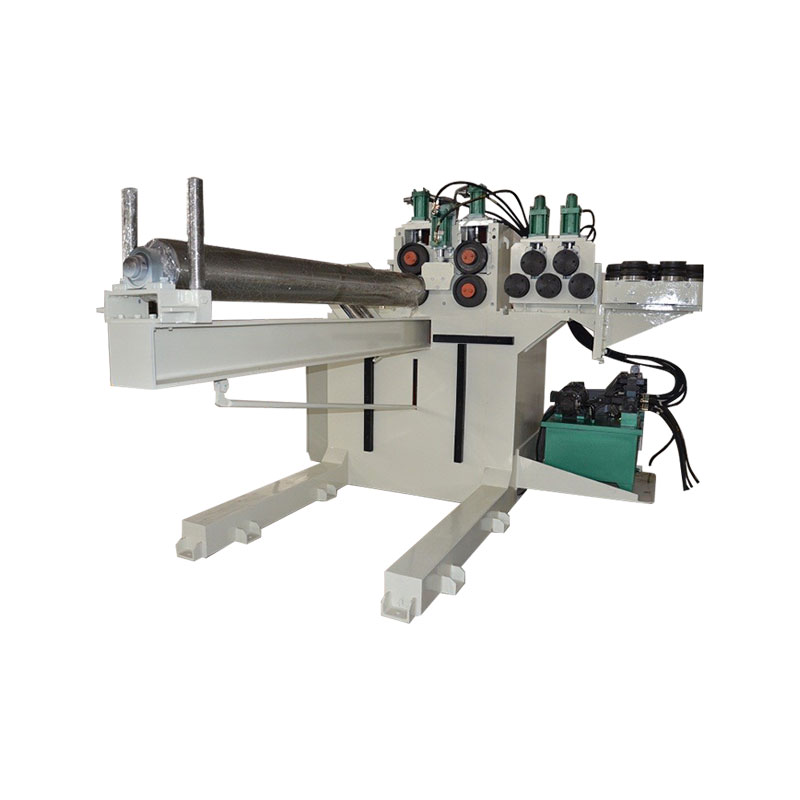 Auto Wire Pay-Off Machines ManufacturersAuto pay-off machineView Product →
On the upstream side, a pay-off machine must deliver wire smoothly, because jerks show up later as diameter variation at the die. Downstream, the take-up or coil former has to wind the finished wire into a tight coil without marking the surface. Between the two, surface treatment equipment, accumulators and guarding complete the picture.
Safety, Operation and Maintenance
A well-designed machine is only half of a safe drawing shop; the other half is routine discipline.
- Inspect dies regularly and replace them before wear shows up as an out-of-tolerance diameter.
- Keep lubricant concentration, temperature and filtration inside the recommended range.
- Check blocks and capstans for grooves, scoring and imbalance.
- Test emergency stops, guards and interlocks at the start of every shift.
- Log die changes, speeds and coil weights so that quality issues can be traced quickly.
A useful starting point is this short guide to the safe operation of a wire drawing machine. Our engineers are always glad to talk through the routines we recommend for your layout.
Why Buyers Worldwide Work With Wuxi Pingsheng
Our story began in 1985, and more than three decades have been spent on one product family: wire drawing machinery and the equipment around it. Today we build straight line, wet, OTO pulley type and inverted vertical machines, together with pay-off machines, take-up machines, surface treatment equipment and auxiliary machinery.
We hold ISO 9001 quality management system certification (2023) and a number of patents, and we keep investing in research and development so that our machines combine solid mechanical structure with modern electrical control. Our promise is simple: coming from China, marketing to the world.
Choosing an inverted vertical wire drawing machine comes down to matching the machine to your wire, your reduction plan and your plant. Get those three right, and the machine will run quietly for years.
If you would like to discuss a specific wire range, send us the inlet diameter, the finished diameter, the material and the coil weight. Our engineers will reply with a proposed configuration, a reduction schedule and the line equipment needed to complete the job.