
 EN
EN
 English
 Español
 Français
 Português
 عربى
عربى
How Does an Inverted Take-Up Multi Unit Improve Conveyor Belt Tensioning?
Content
- 1 What Is an Inverted Take-Up Multi Unit?
- 2 Why Belt Tensioning Matters in Conveyor Systems
- 3 How the Inverted Configuration Differs from Standard Take-Up Designs
- 4 Core Components of an Inverted Take-Up Multi Unit
- 5 Common Applications
- 6 Installation and Maintenance Considerations
- 7 Selecting the Right Take-Up System for Your Facility
What Is an Inverted Take-Up Multi Unit?
An inverted take-up multi unit is a specialized conveyor component designed to maintain proper belt tension while positioning the take-up pulley assembly beneath or opposite the conventional orientation used in standard take-up systems. Rather than mounting the take-up carriage in a straight horizontal line following the belt path, the inverted configuration redirects the pulley assembly downward or to an alternate plane, allowing the tensioning mechanism to operate within a smaller footprint. This design is particularly valuable in facilities where overhead clearance, floor space, or structural obstructions limit where a traditional take-up system can be installed.
The term "multi unit" refers to the fact that these systems often integrate multiple functional components, such as the take-up carriage, guide rollers, tensioning device, and sometimes a belt cleaner or scraper assembly, into a single compact frame. This consolidation reduces the number of separate mounting points needed along the conveyor structure and simplifies both installation and ongoing maintenance.
Why Belt Tensioning Matters in Conveyor Systems
Conveyor belts stretch over time due to mechanical load, temperature fluctuations, and material fatigue. Without a functioning take-up system, this stretch leads to belt sag, slippage on the drive pulley, and uneven tracking that can cause the belt to run off-center or damage the frame. A take-up unit compensates for this elongation by applying continuous or periodic tension, keeping the belt taut enough to transmit power efficiently from the drive pulley without excessive slack.
Inadequate tensioning creates several downstream problems. Slippage reduces conveying efficiency and generates heat at the pulley-belt interface, which accelerates wear on both components. Belt mistracking can cause material spillage, increased cleanup costs, and in severe cases, belt damage requiring costly replacement. Proper take-up design directly affects the operational lifespan of the entire conveyor system.
How the Inverted Configuration Differs from Standard Take-Up Designs
Standard take-up units typically extend the tensioning carriage along the same horizontal or inclined plane as the conveyor itself, requiring additional linear space at the tail or head end of the system. In facilities with limited runway length, this extension can be difficult to accommodate without redesigning the surrounding structure.
The inverted take-up multi unit addresses this by reorienting the pulley travel path, often routing it vertically downward or folding it beneath the main conveyor bed. This allows the tensioning mechanism to extend and retract without consuming additional horizontal footprint. The trade-off is that inverted designs require careful structural support underneath the conveyor, since the take-up carriage and its counterweight or screw mechanism now occupy vertical space that must be integrated into the support framework.
| Feature | Standard Take-Up | Inverted Take-Up Multi Unit |
| Space Requirement | Extended horizontal run | Compact, vertically integrated |
| Structural Support Needs | Moderate | Higher, requires reinforced underframe |
| Best Suited For | Open, unrestricted layouts | Confined or space-limited installations |
| Maintenance Access | Typically straightforward | May require underside access points |
Core Components of an Inverted Take-Up Multi Unit
Although designs vary between manufacturers, most inverted take-up multi units share a common set of core components that work together to maintain consistent belt tension.
Take-Up Pulley and Carriage
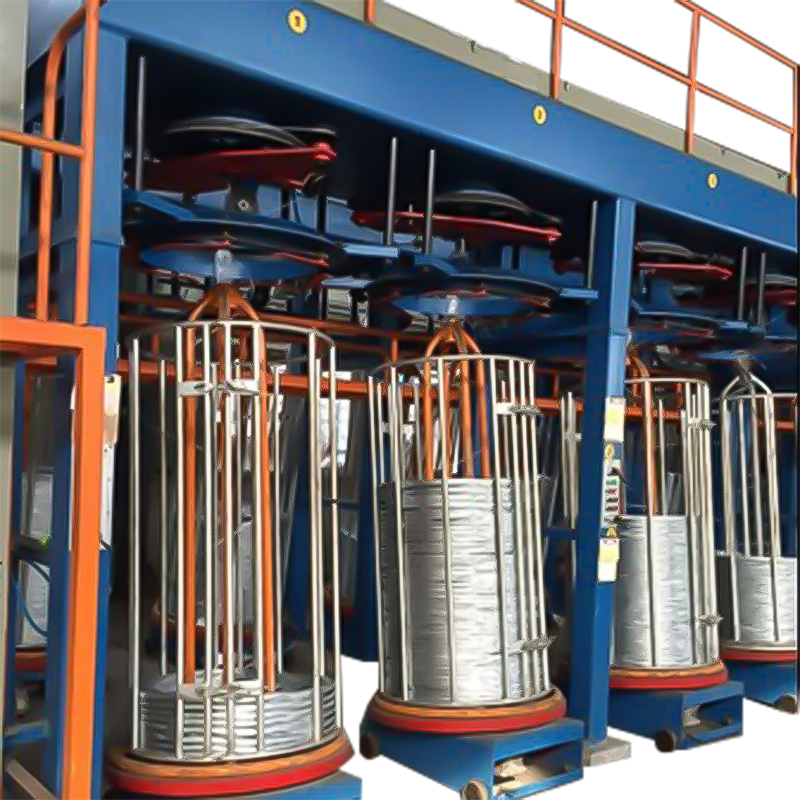
The take-up pulley rides on a carriage that moves along guide rails or tracks. In an inverted configuration, this carriage travels along a vertical or angled path rather than a straight horizontal one, which is what allows the unit to fit within a reduced footprint.
Tensioning Mechanism
Tension can be applied through a gravity counterweight, a screw-type mechanism, or a spring-loaded assembly, depending on the load requirements and available space. Screw take-ups are common in smaller systems where manual adjustment is practical, while gravity or automatic tensioners are preferred in larger or continuously running operations.
Guide Rollers and Frame
Guide rollers help maintain proper belt alignment as it passes through the take-up section, reducing the risk of tracking issues. The surrounding frame is engineered to withstand the combined loads of belt tension, pulley weight, and any material being conveyed.
Integrated Accessories
Many multi unit designs incorporate additional components such as belt scrapers, skirting, or dust seals directly into the take-up frame, reducing the number of separate assemblies needed along the conveyor line.
Common Applications
Inverted take-up multi units are typically selected for applications where conventional take-up placement is impractical due to spatial or structural constraints.
- Underground mining conveyor systems with limited tunnel clearance
- Bulk material handling facilities with tightly packed equipment layouts
- Aggregate and quarry operations where conveyor runs are constrained by terrain
- Retrofit projects where an existing structure cannot accommodate a standard take-up extension
- Multi-level processing plants where vertical space is more available than horizontal space
Installation and Maintenance Considerations
Installing an inverted take-up multi unit requires closer coordination with the surrounding structural design than a standard take-up system, since the tensioning mechanism now occupies space beneath or alongside the main conveyor bed rather than at its end. Engineers typically need to verify that the supporting framework can handle the additional load path created by the inverted carriage travel.
Routine maintenance should include regular inspection of the guide rails or tracks for wear, since misalignment in the carriage path can lead to uneven tensioning across the belt width. Lubrication points on the pulley bearings and carriage rollers should be checked according to the manufacturer's schedule, and any counterweight or screw mechanism should be inspected for signs of corrosion, particularly in outdoor or high-humidity environments.
Access for maintenance personnel is an important design consideration as well. Because the inverted orientation often places components underneath the conveyor structure, maintenance walkways or access panels should be planned into the installation from the outset rather than added afterward.
Selecting the Right Take-Up System for Your Facility
Choosing between a standard and inverted take-up multi unit depends largely on the physical constraints of the installation site and the operational demands of the conveyor. Facilities with ample horizontal space and straightforward layouts may find a standard take-up system easier to install and maintain. However, when space is at a premium, or when structural obstacles prevent a conventional horizontal extension, the inverted multi unit configuration offers a practical alternative that preserves tensioning performance without requiring a larger footprint.
Consulting with a conveyor system engineer during the planning phase helps ensure that the selected take-up design matches both the belt specifications and the site's structural realities, reducing the likelihood of costly modifications after installation.