
 EN
EN
 English
 Español
 Français
 Português
 عربى
عربى
How Does an Inverted Vertical Wire Drawing Machine Improve Wire Production?
Content
- 1 What an Inverted Vertical Wire Drawing Machine Is
- 2 How the Inverted Vertical Design Works
- 3 Key Advantages of the Inverted Vertical Configuration
- 4 Comparing Inverted Vertical Machines to Other Wire Drawing Types
- 5 Common Applications in Wire Manufacturing
- 6 Maintenance Practices That Support Reliable Operation
What an Inverted Vertical Wire Drawing Machine Is
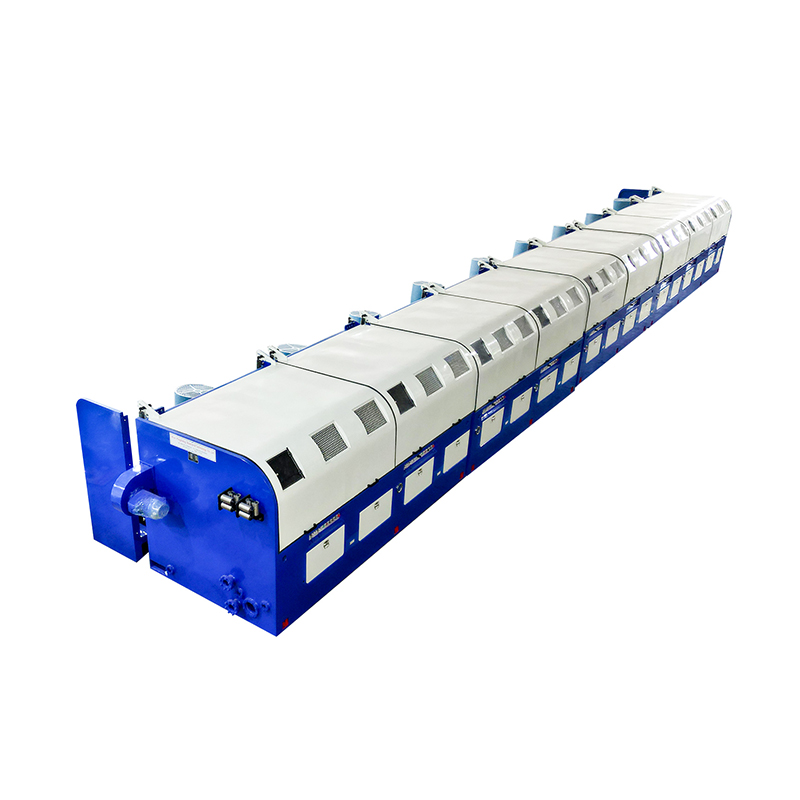
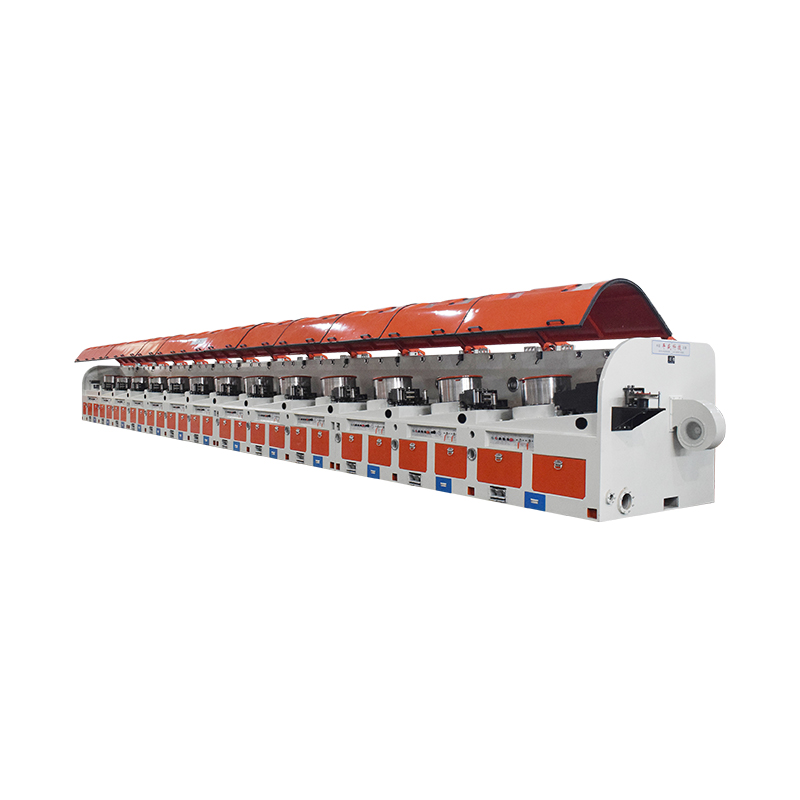
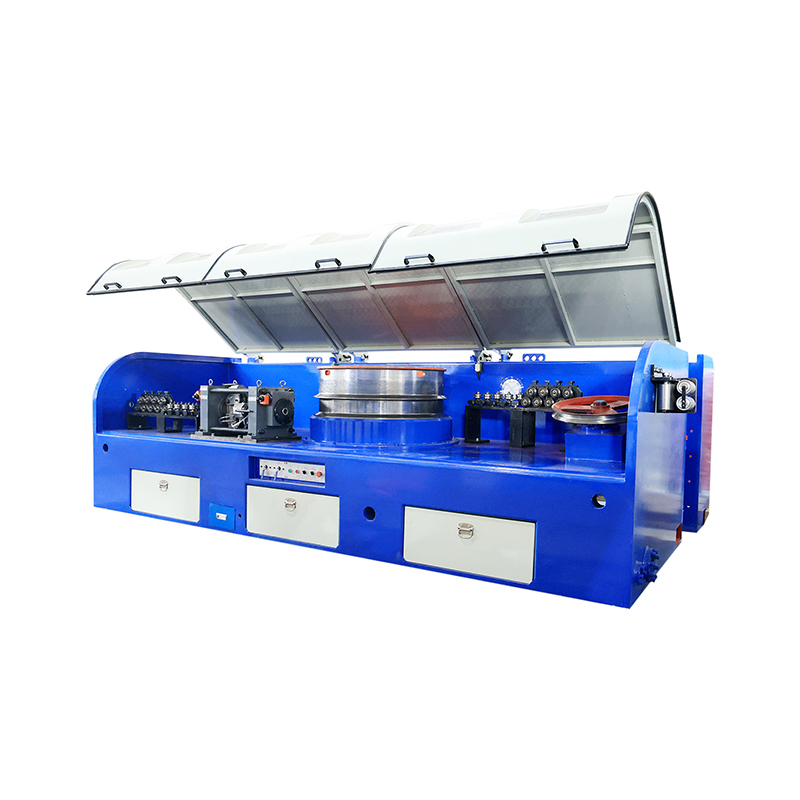
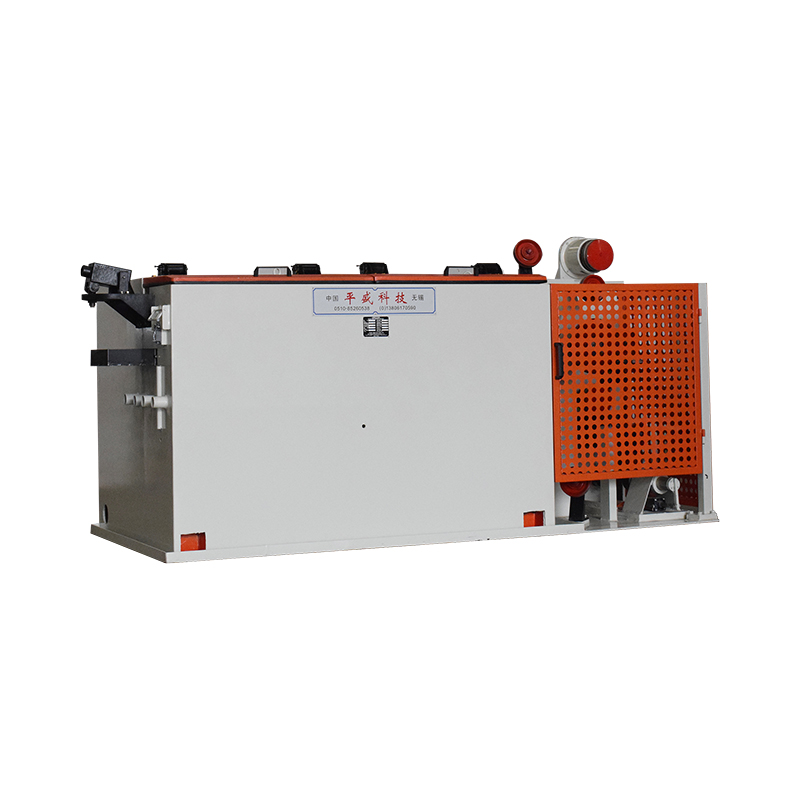
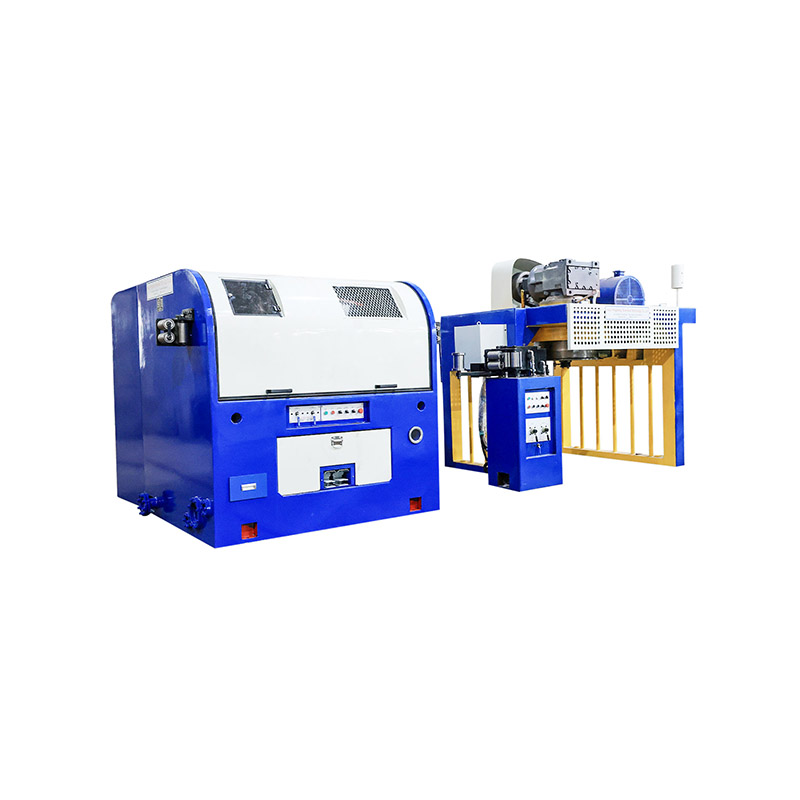
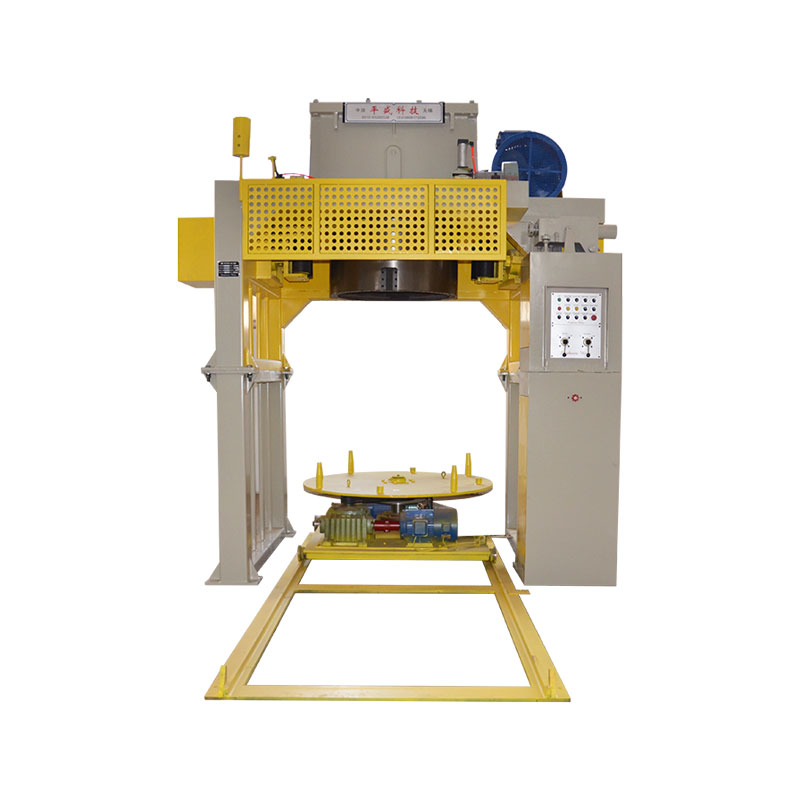
An inverted vertical wire drawing machine is a type of wire processing equipment used to reduce the diameter of metal wire by pulling it through a series of progressively smaller dies arranged in a vertical configuration. Unlike horizontal wire drawing machines, where wire travels along a flat plane, the inverted vertical design routes wire upward and downward through a compact vertical structure, with capstans positioned in an inverted arrangement relative to traditional vertical machines. This configuration reduces the machine's overall footprint while improving cooling efficiency and wire tension control during high-speed drawing operations.
This machine type is commonly used for drawing ferrous and non-ferrous wire, including steel, copper, and aluminum, down to fine gauges suitable for applications ranging from electrical wiring to reinforcement mesh and fastener production.
How the Inverted Vertical Design Works
The core function of any wire drawing machine is to reduce wire diameter through controlled tensile deformation, but the inverted vertical configuration achieves this through a distinct mechanical arrangement compared to horizontal or standard vertical designs.
Capstan and Die Arrangement
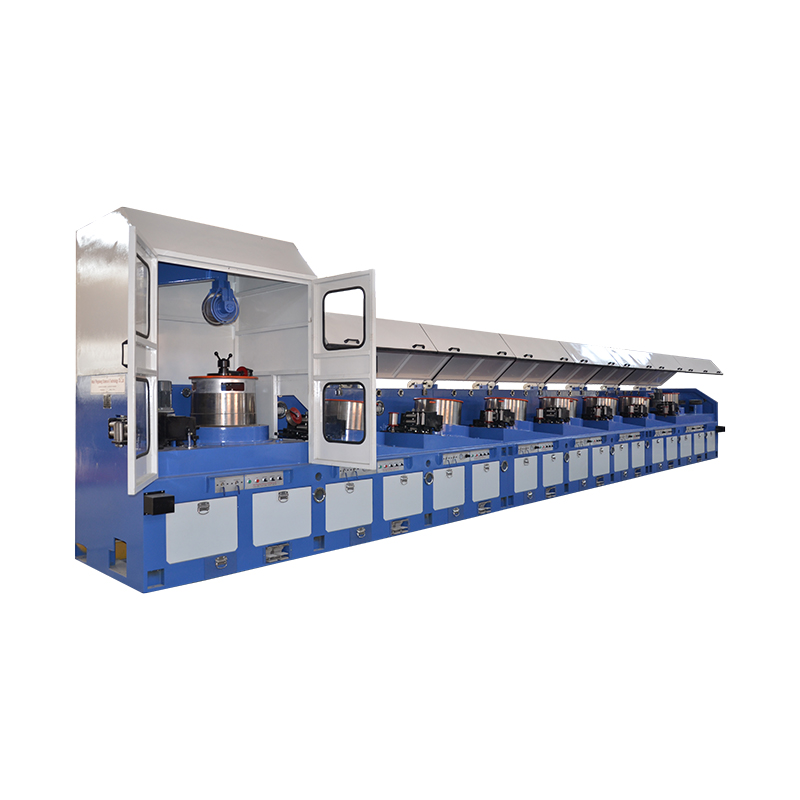
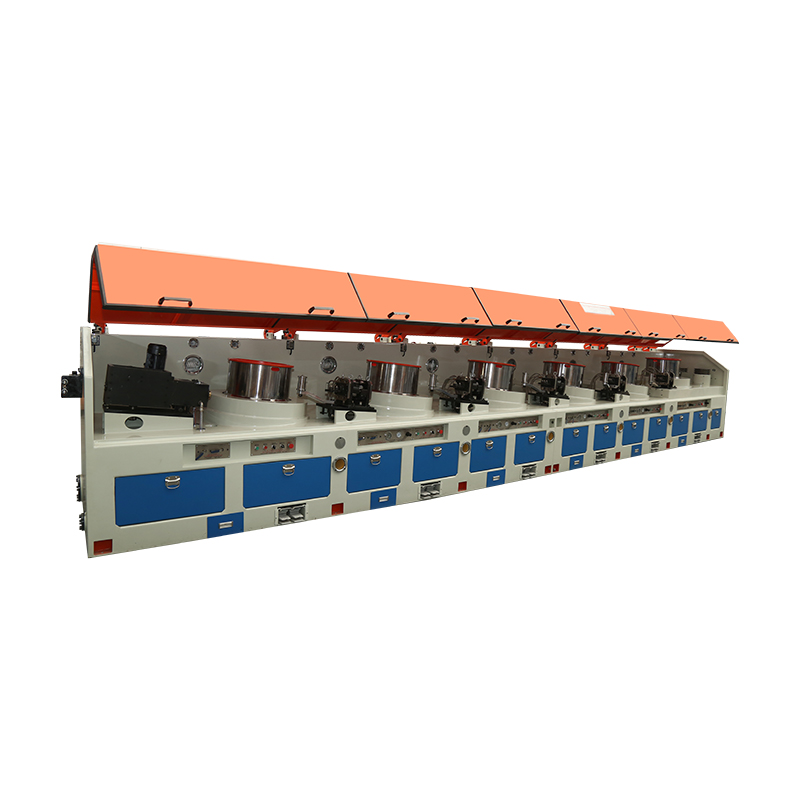
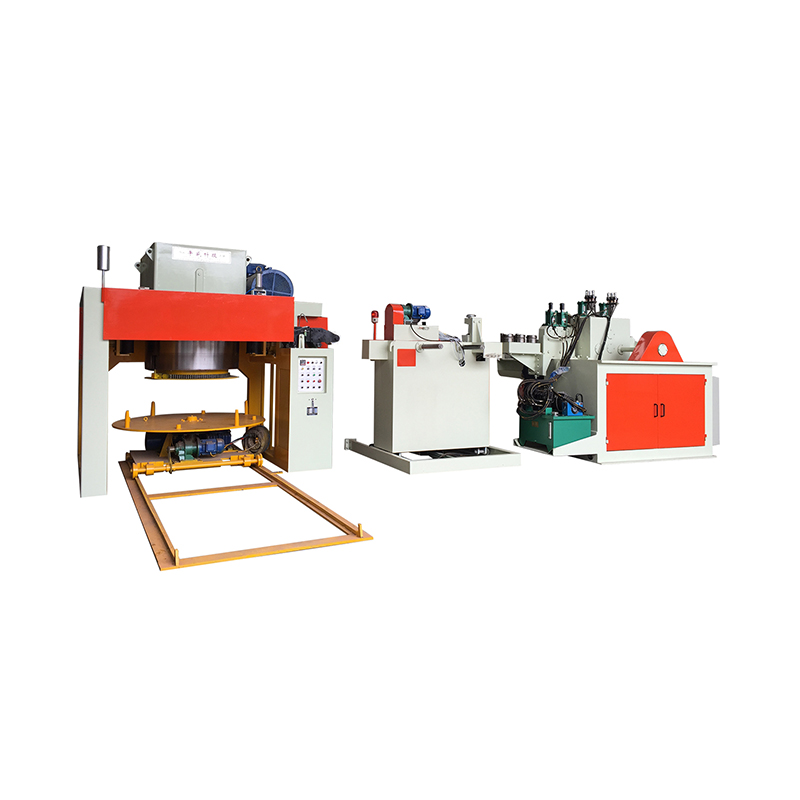
Wire enters the machine and passes through a carbide or diamond drawing die, which mechanically reduces its diameter as it is pulled through under tension. After passing through each die, the wire wraps around a capstan, a rotating drum that controls wire speed and tension before feeding it into the next drawing stage. In the inverted configuration, these capstans are mounted with their drawing dies positioned below the capstan body, allowing wire to travel upward through each stage, which improves how cooling lubricant flows across the wire surface during processing.
Multi-Stage Progressive Drawing
Most inverted vertical wire drawing machines incorporate multiple drawing stages, sometimes ranging from six to twenty or more, each with progressively smaller dies. This progressive reduction allows the wire to reach very fine final diameters without exceeding the material's tensile strength limits at any single stage, since each pass only reduces the diameter by a controlled percentage.
Integrated Cooling and Lubrication
Because wire drawing generates significant friction and heat, especially at high line speeds, these machines typically integrate a lubrication and cooling system that continuously coats the wire and dies to reduce wear and prevent overheating. The vertical orientation of the inverted design allows cooling fluid to drain more efficiently by gravity compared to some horizontal configurations, contributing to more consistent die temperatures throughout extended production runs.
Key Advantages of the Inverted Vertical Configuration
The inverted vertical layout offers several practical benefits over horizontal or standard vertical wire drawing machines, particularly for facilities prioritizing space efficiency and high-speed production.
- Reduced floor space requirements compared to horizontal machines of similar drawing capacity
- Improved cooling fluid drainage due to the vertical wire path, reducing die wear over extended production runs
- Better wire tension consistency across multiple drawing stages, resulting in more uniform final wire diameter
- Easier access for die maintenance and replacement due to the accessible vertical stage arrangement
- Suitability for high-speed continuous production, supporting large-volume wire manufacturing operations
Comparing Inverted Vertical Machines to Other Wire Drawing Types
Understanding how inverted vertical machines compare to other common wire drawing configurations helps buyers determine which setup best fits their production needs.
| Machine Type | Footprint | Best Suited For |
| Inverted Vertical | Compact | High-speed fine wire drawing, space-limited facilities |
| Standard Vertical | Moderate | General purpose wire drawing across mid-range gauges |
| Horizontal | Large | Heavy gauge wire, rod drawing applications |
Common Applications in Wire Manufacturing
Inverted vertical wire drawing machines are widely used across industries requiring precise, high-speed wire reduction. In electrical and telecommunications manufacturing, these machines draw copper and aluminum wire down to fine gauges used in cables, connectors, and electrical components. In construction, they are used to produce steel wire for reinforcement mesh, fencing, and fastener production, where consistent diameter directly affects product strength and reliability. Automotive and industrial fastener manufacturers also rely on this machine type to produce wire stock used in bolt, screw, and rivet production, where dimensional precision is critical for downstream cold heading and threading operations.
Maintenance Practices That Support Reliable Operation
Regular maintenance is essential to keep an inverted vertical wire drawing machine operating at consistent quality and speed. Dies should be inspected routinely for wear, since a worn die can produce out-of-tolerance wire diameter or surface defects that compromise downstream processing. Lubrication systems require periodic cleaning and fluid replacement to prevent contamination buildup that can accelerate die wear and reduce wire surface quality. Capstan bearings and drive motors should also be checked regularly for excessive vibration or unusual noise, which often indicates early-stage mechanical wear that, if left unaddressed, can lead to inconsistent wire tension or unplanned downtime during production runs.