
 EN
EN
 English
 Español
 Français
 Português
 عربى
عربى
How Does a Wet Wire Drawing Machine Improve Wire Quality and Efficiency?
Content
- 1 Understanding Wet Wire Drawing Machines
- 2 Key Components of Wet Wire Drawing Machines
- 3 Working Principle of Wet Wire Drawing
- 4 Types of Wet Wire Drawing Machines
- 5 Advantages of Wet Wire Drawing
- 6 Selecting the Right Lubricant
- 7 Maintenance and Operational Tips
- 8 Comparison of Wet vs. Dry Wire Drawing
- 9 Applications of Wet Wire Drawing Machines
- 10 Conclusion
Understanding Wet Wire Drawing Machines
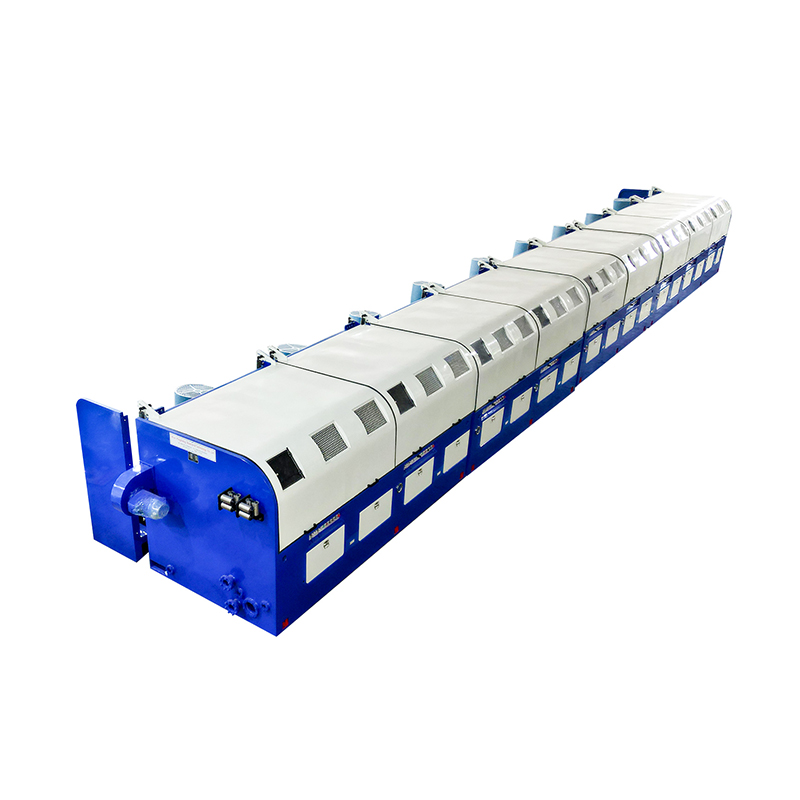
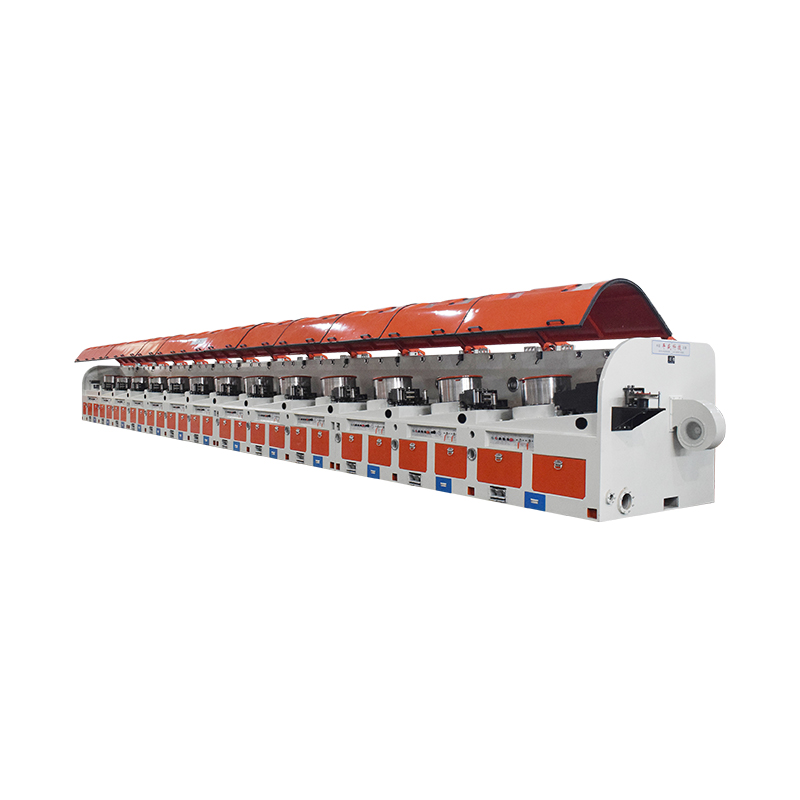
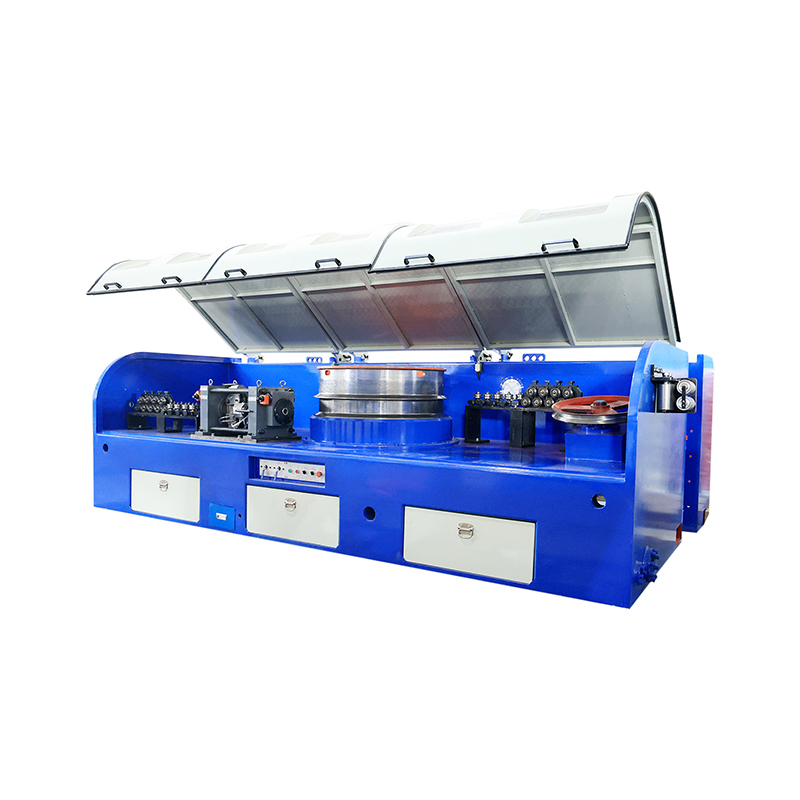
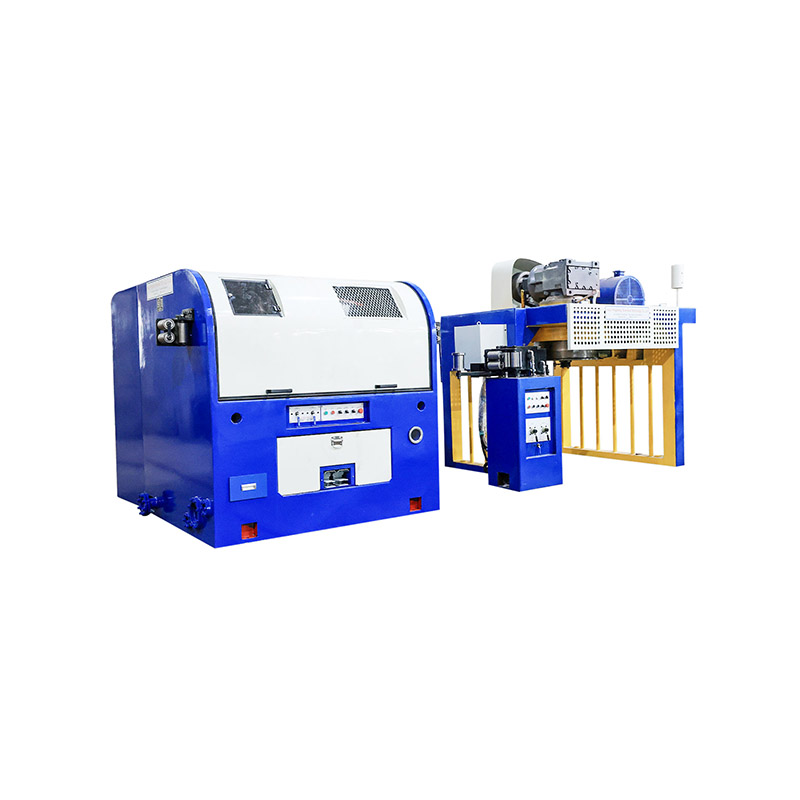
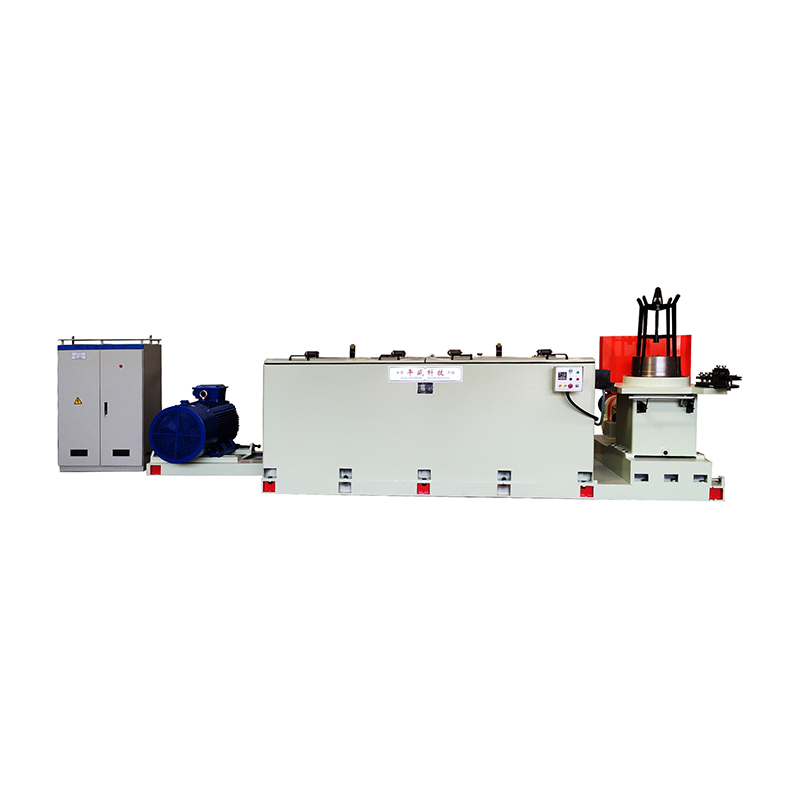
A wet wire drawing machine is a specialized equipment used in the metalworking industry to reduce the diameter of wires by pulling them through a series of dies while immersed in a lubricant. This method, known as wet wire drawing, differs from dry drawing by using liquid mediums such as oil, water-based solutions, or emulsions to minimize friction, reduce heat, and improve the quality of the wire surface.
The process is crucial for producing high-precision wires used in electrical, automotive, and construction applications. Wet drawing enhances wire ductility and maintains consistent mechanical properties, making it ideal for metals like copper, aluminum, and stainless steel.
Key Components of Wet Wire Drawing Machines
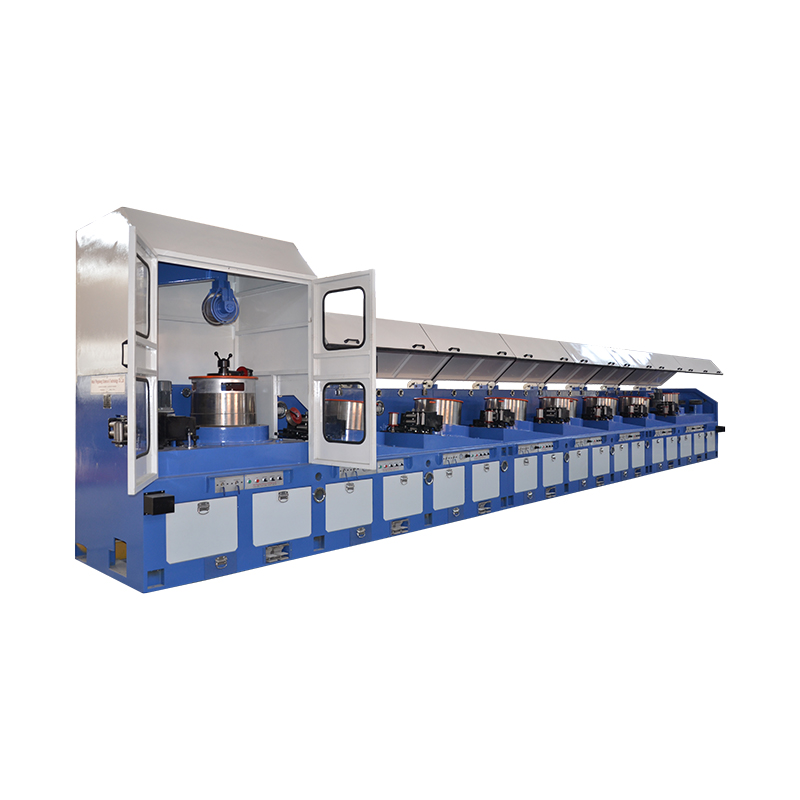
A wet wire drawing machine comprises several essential components that work in unison to ensure smooth wire processing:
- Wire pay-off system: Feeds the raw wire into the machine at a controlled speed.
- Drawing dies: Precision-engineered dies that shape the wire to the required diameter.
- Lubrication system: Circulates the liquid lubricant to reduce friction and heat.
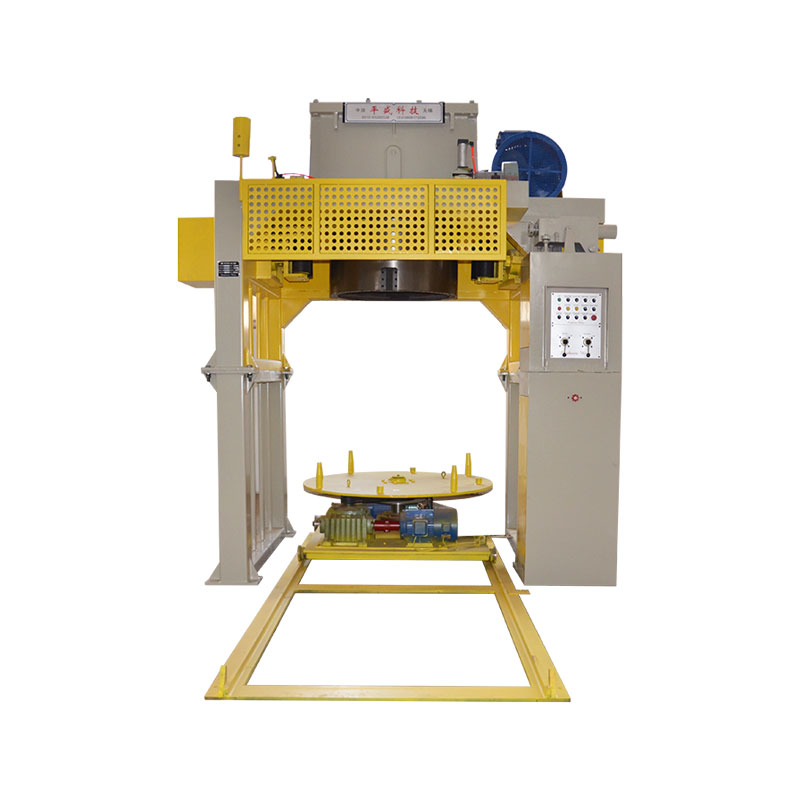
- Capstan or drawing drum: Provides the pulling force required to draw the wire through dies.
- Take-up system: Collects the finished wire, maintaining tension and uniformity.
- Control panel: Monitors parameters like speed, tension, and temperature for precise operation.
Working Principle of Wet Wire Drawing
The wet wire drawing process involves pulling a metal wire through progressively smaller dies while submerged in a lubricant bath. This reduces the wire’s cross-sectional area while maintaining its length, tensile strength, and surface finish.
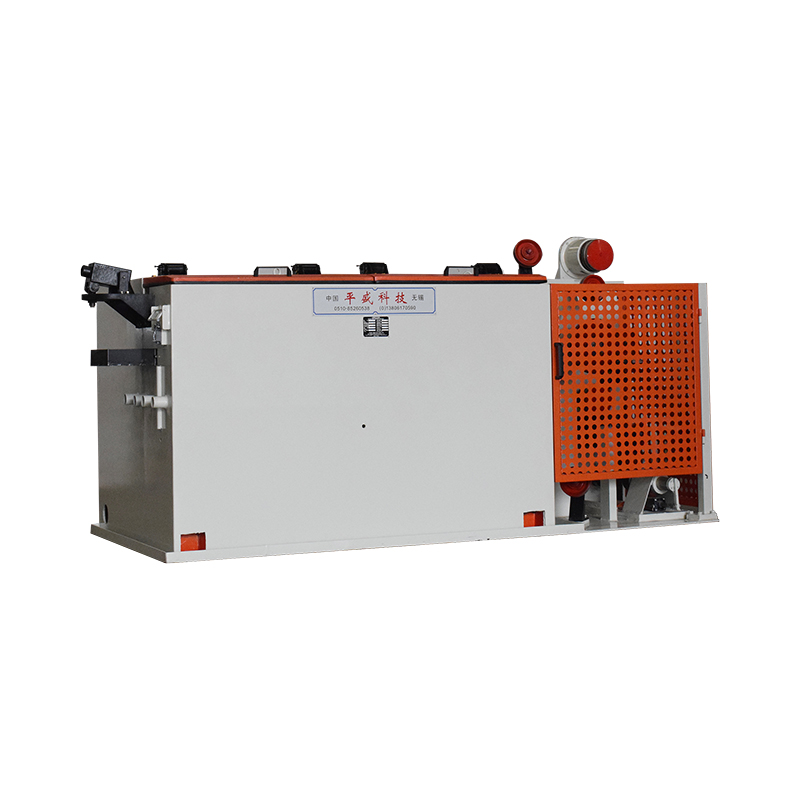
Key steps include:
- Feeding the wire from a coil into the first die.
- Passing the wire through a series of dies, each reducing the diameter incrementally.
- Immersing the wire in a liquid medium to provide lubrication and cooling.
- Collecting the drawn wire on the take-up drum, ensuring consistent tension.
Types of Wet Wire Drawing Machines
Wet wire drawing machines can be classified based on their drawing method, number of dies, and application:
Single-Block Wet Wire Drawing Machines
These machines draw wire using a single block of dies and are suitable for small-scale production or specialized wires. They offer precise control but lower production efficiency compared to multi-block systems.
Multi-Block Wet Wire Drawing Machines
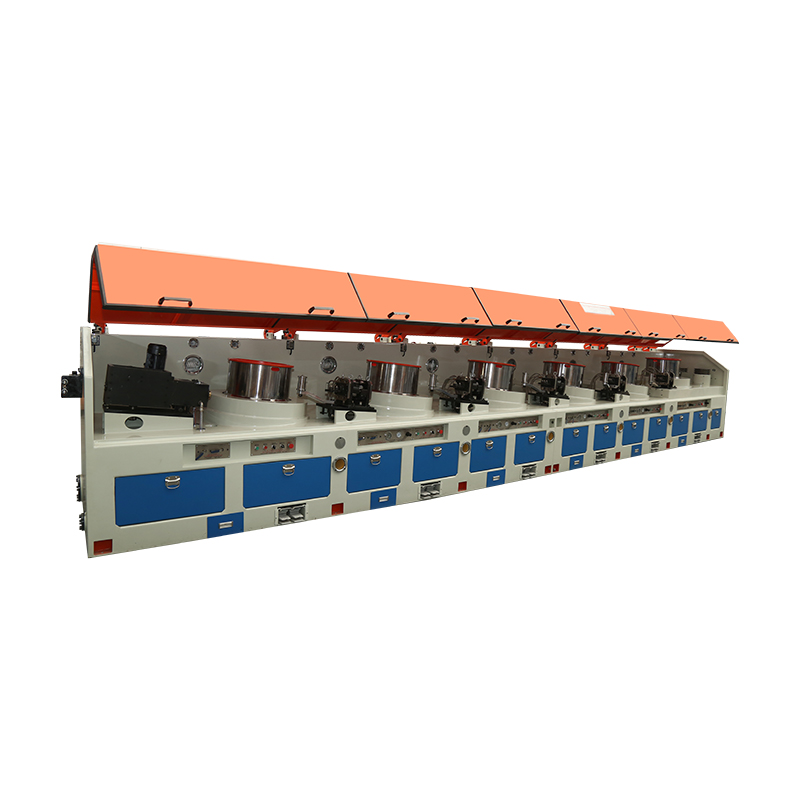
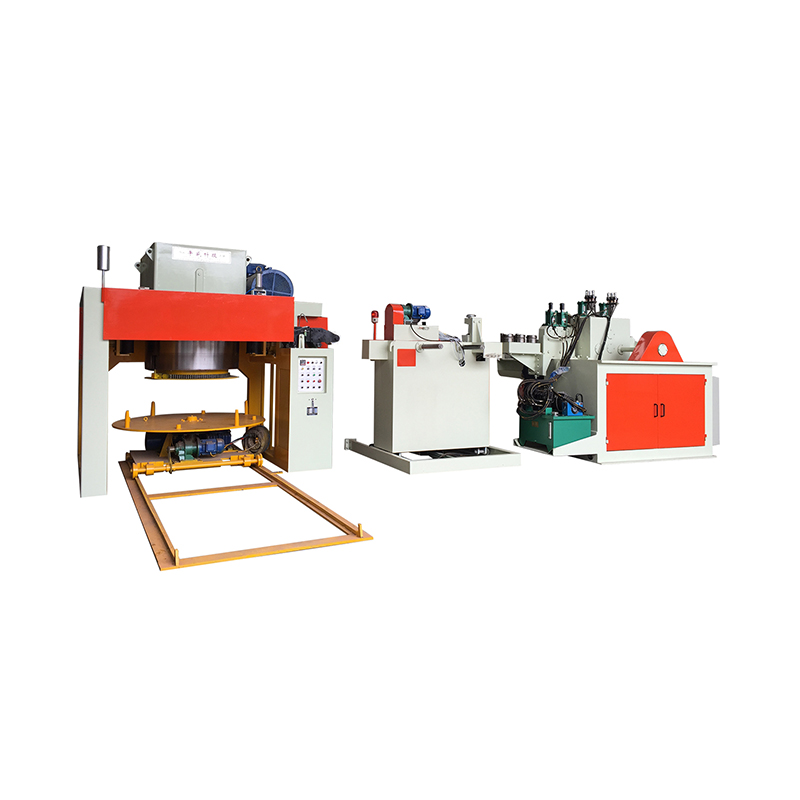
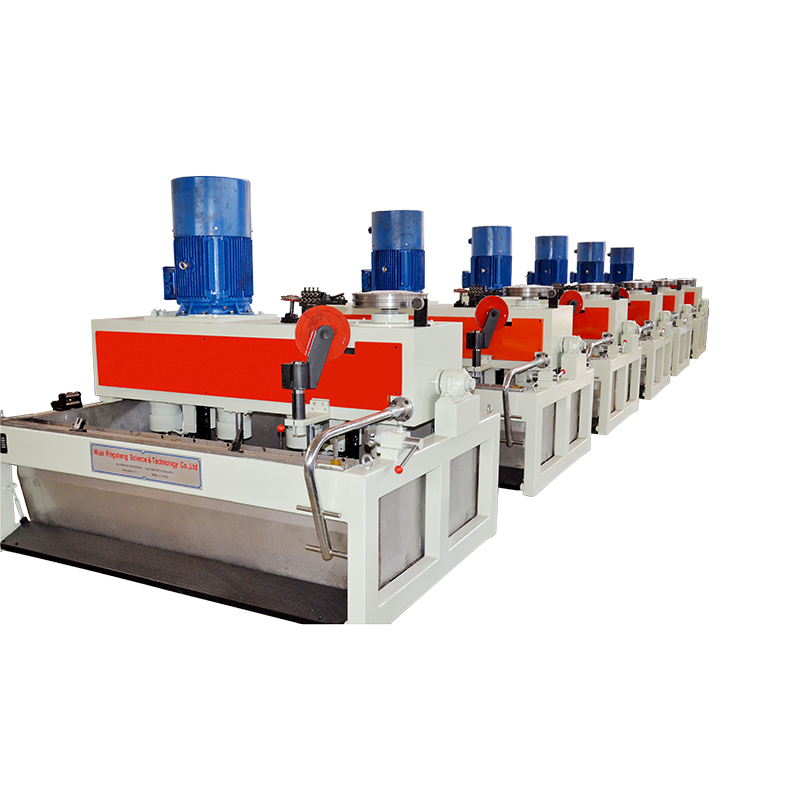
Designed for large-scale industrial production, multi-block machines have multiple die blocks arranged in series. Each block reduces the wire diameter incrementally, allowing higher production speed while maintaining quality.
Hydraulic Wet Wire Drawing Machines
These machines use hydraulic tension systems to pull wires through dies. They are particularly effective for high-strength materials, offering smooth force distribution and reducing the risk of wire breakage.
Advantages of Wet Wire Drawing
Wet wire drawing provides numerous benefits over traditional dry wire drawing methods:
- Improved surface finish: Lubrication prevents scratches and surface defects.
- Reduced die wear: Liquid reduces friction, extending the life of dies.
- Better wire ductility: Minimizes work hardening, keeping wires flexible.
- Lower energy consumption: Lubrication reduces the force needed to draw the wire.
- Efficient heat dissipation: Liquid medium prevents overheating of both wire and die.
Selecting the Right Lubricant
Choosing the correct lubricant is critical for optimal performance. Factors to consider include metal type, drawing speed, die material, and desired surface quality.
- Oil-based lubricants: Ideal for copper and aluminum wires; excellent for high-speed drawing.
- Water-based emulsions: Suitable for stainless steel; environmentally friendly and easy to clean.
- Specialty synthetic lubricants: Provide consistent performance for high-strength wires.
Maintenance and Operational Tips
Proper maintenance ensures longevity and efficient operation of wet wire drawing machines:
- Regularly check die alignment and wear to maintain wire quality.
- Monitor lubricant concentration and temperature to prevent overheating or corrosion.
- Inspect tension systems and capstans for smooth operation.
- Clean the machine and replace worn components on a scheduled basis.
- Train operators to adjust parameters based on wire type and production requirements.
Comparison of Wet vs. Dry Wire Drawing
| Feature | Wet Wire Drawing | Dry Wire Drawing |
| Surface Quality | Smooth, minimal defects | Rougher, potential scratches |
| Die Life | Extended due to lubrication | Shorter, higher wear |
| Energy Consumption | Lower | Higher |
| Wire Ductility | High, less work hardening | Reduced, more brittle |
| Heat Management | Effective cooling with lubricant | Heat can build up quickly |
Applications of Wet Wire Drawing Machines
Wet wire drawing machines are widely used in industries that demand high-quality wires with precise dimensions:
- Electrical wiring for residential and industrial use
- Automotive wires for motors, sensors, and control systems
- Construction wire, including cables and reinforcement wires
- High-precision wires for electronics and instrumentation
- Medical wire applications, such as surgical instruments and orthodontics
Conclusion
Wet wire drawing machines play a pivotal role in modern wire manufacturing by combining precision, efficiency, and surface quality. Understanding their components, operation, and maintenance helps manufacturers achieve optimal results. Selecting the right type of machine and lubricant, along with proper operational practices, ensures consistent high-quality wires suitable for a wide range of industrial applications.