
 EN
EN
 English
 Español
 Français
 Português
 عربى
عربى
How Does a Wet Wire Drawing Machine Achieve High-Speed, High-Precision Metal Wire Production?
Content
- 1 What Is a Wet Wire Drawing Machine and Why Is It Important?
- 2 How Does a Wet Wire Drawing Machine Work?
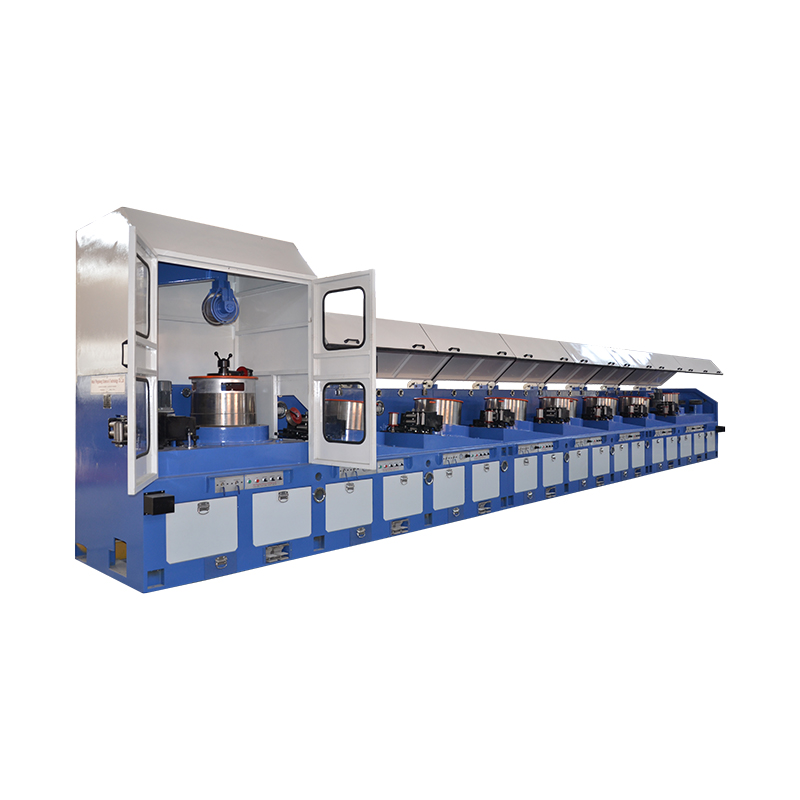
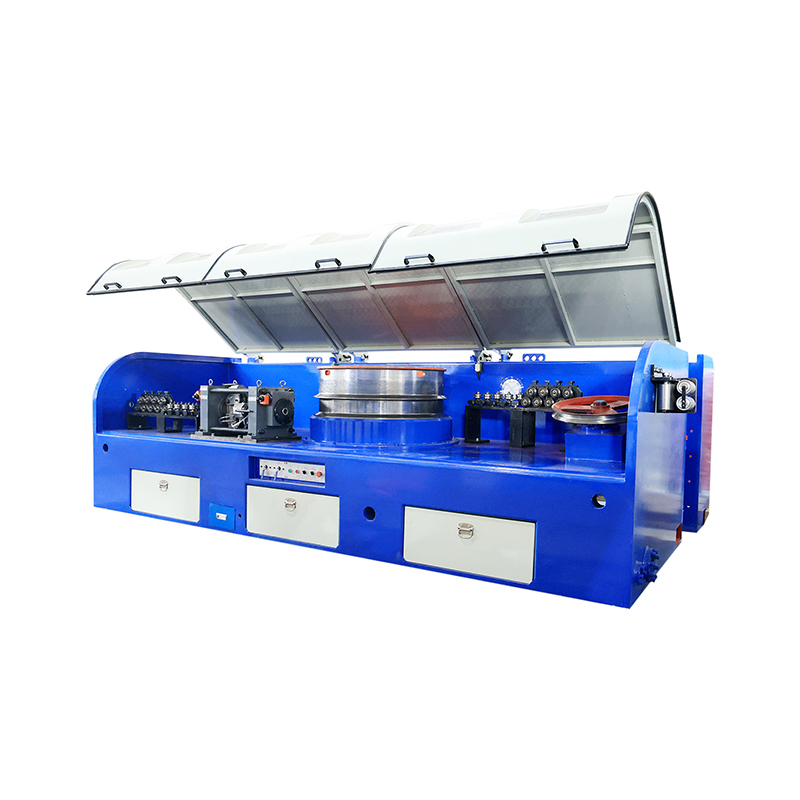
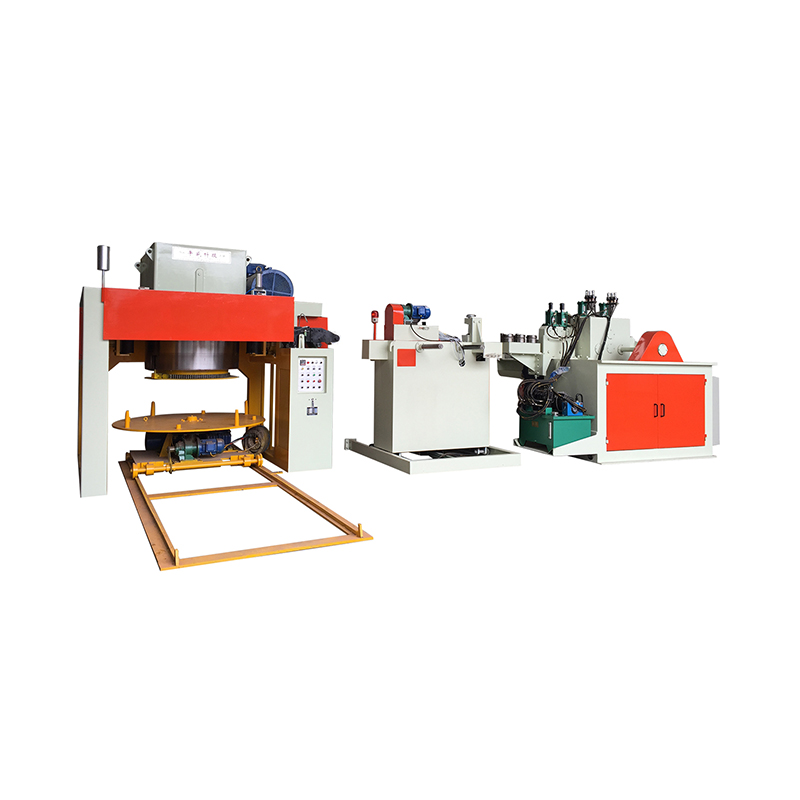
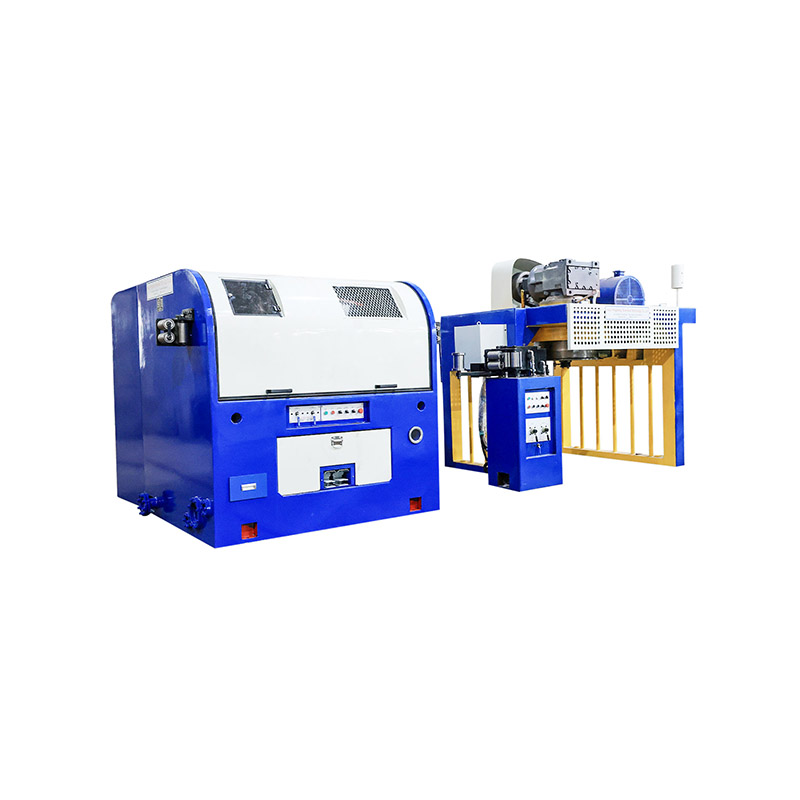
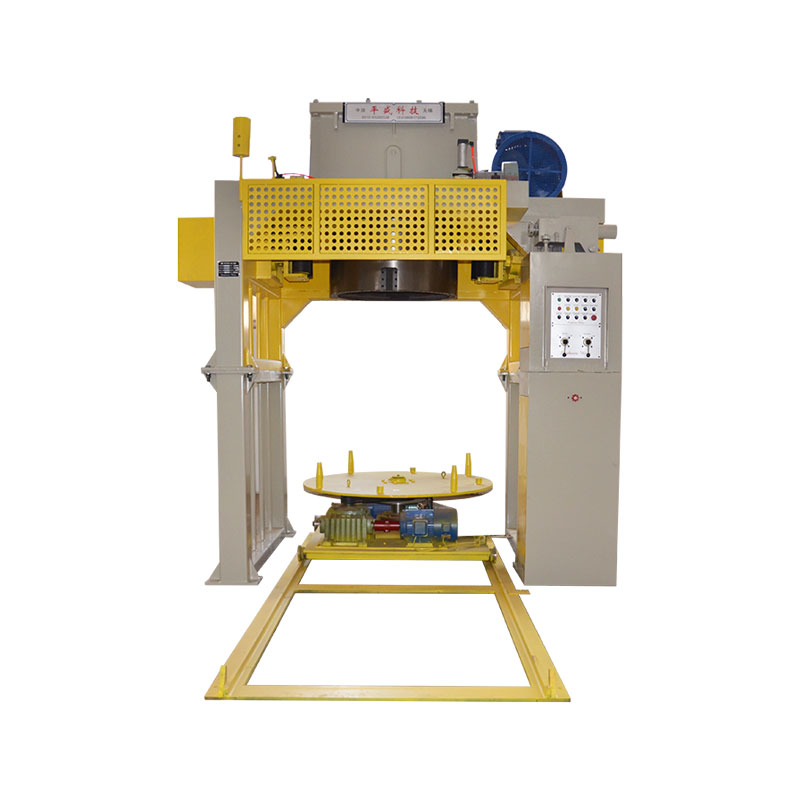
- 3 What Are the Main Components of a Wet Wire Drawing Machine?
- 4 What Are the Advantages of Wet Wire Drawing Technology?
- 5 What Materials Can Be Processed?
- 6 Where Is Wet Wire Drawing Machine Used?
- 7 How to Maintain a Wet Wire Drawing Machine?
- 8 Conclusion
What Is a Wet Wire Drawing Machine and Why Is It Important?
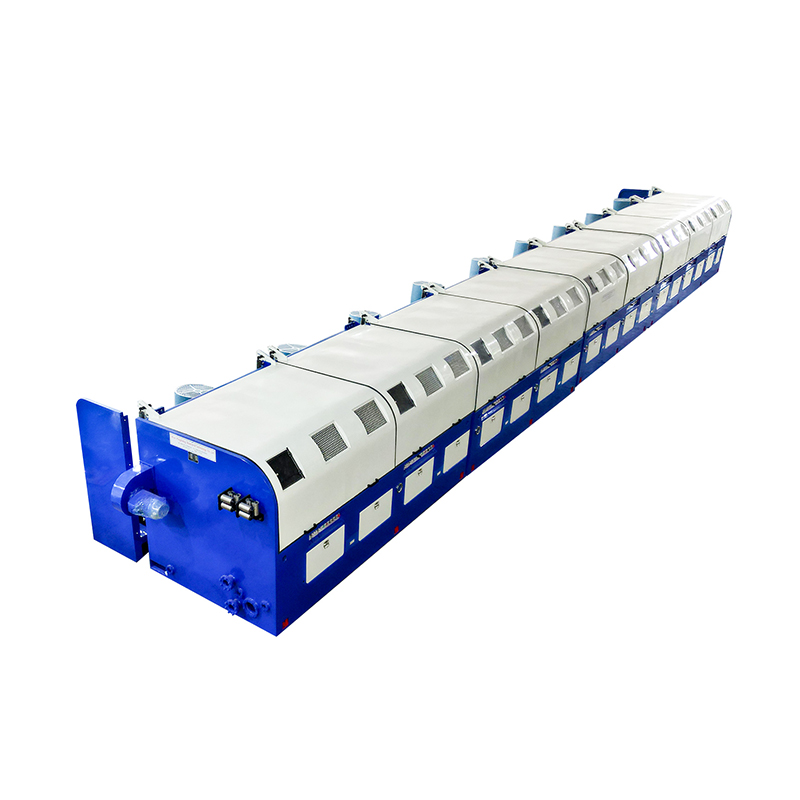
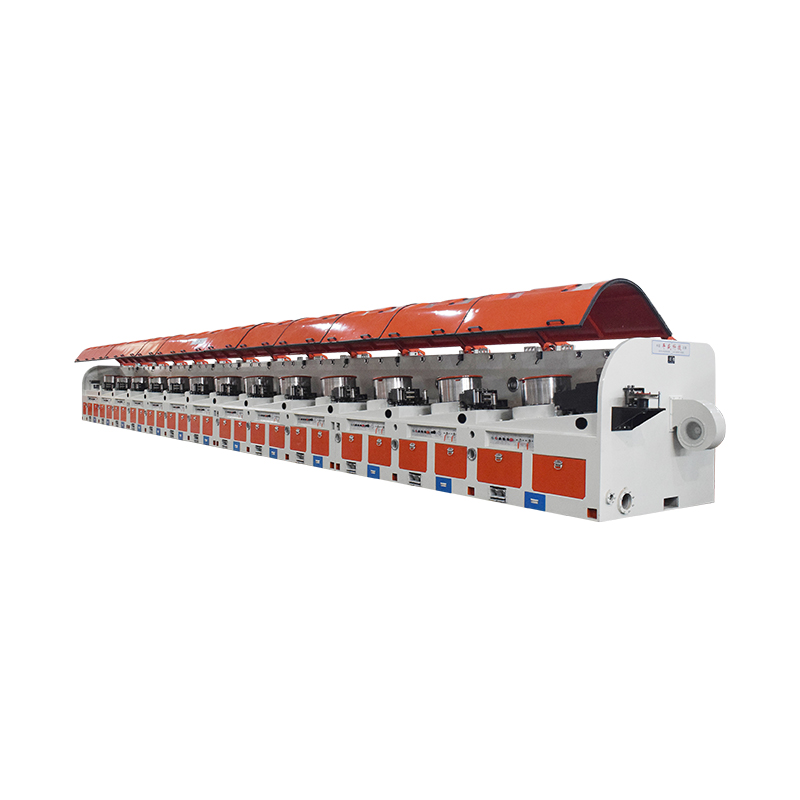
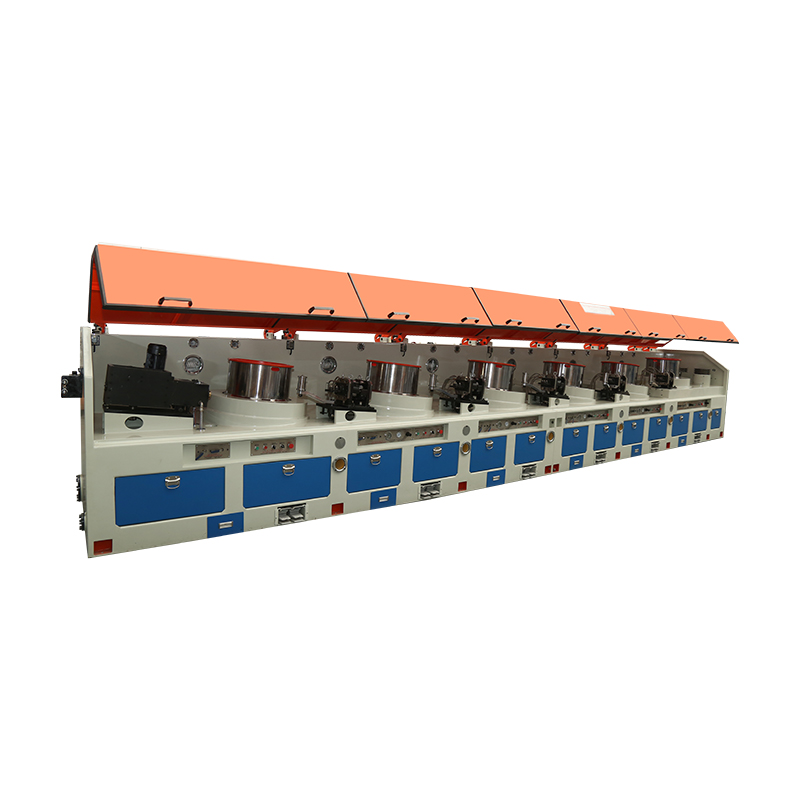
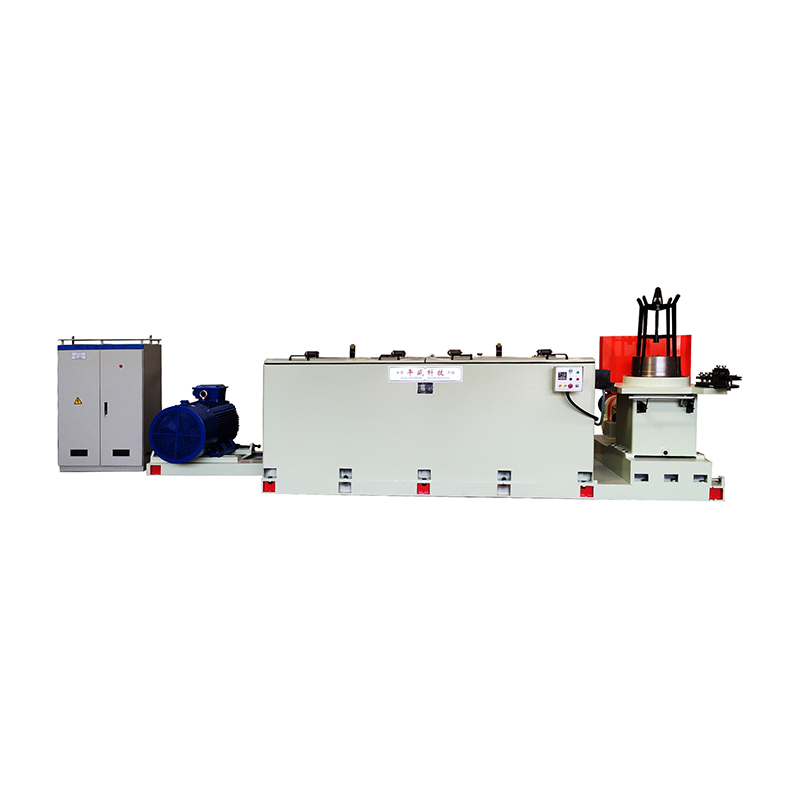
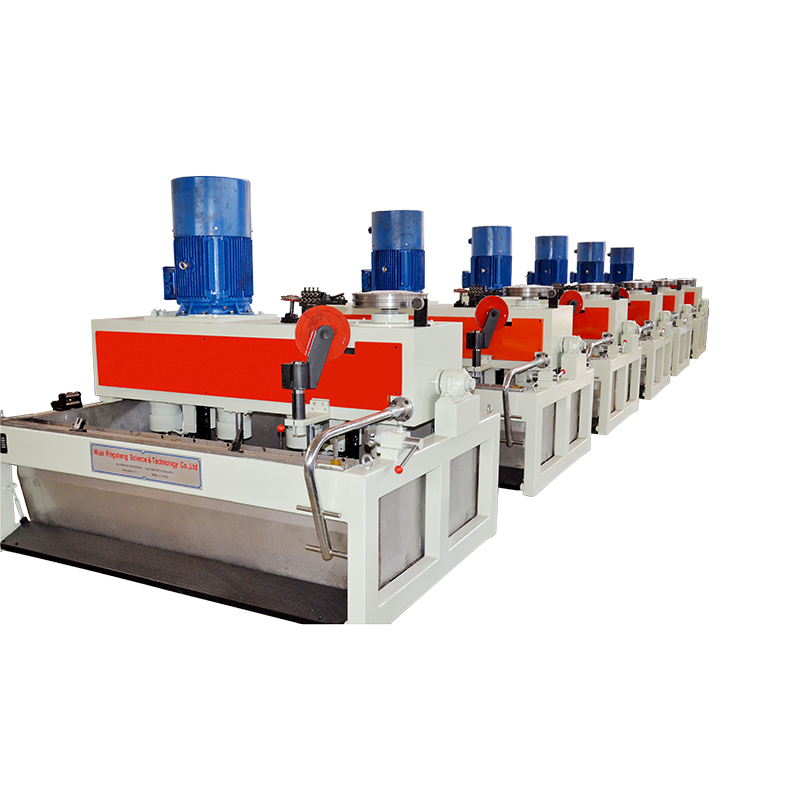
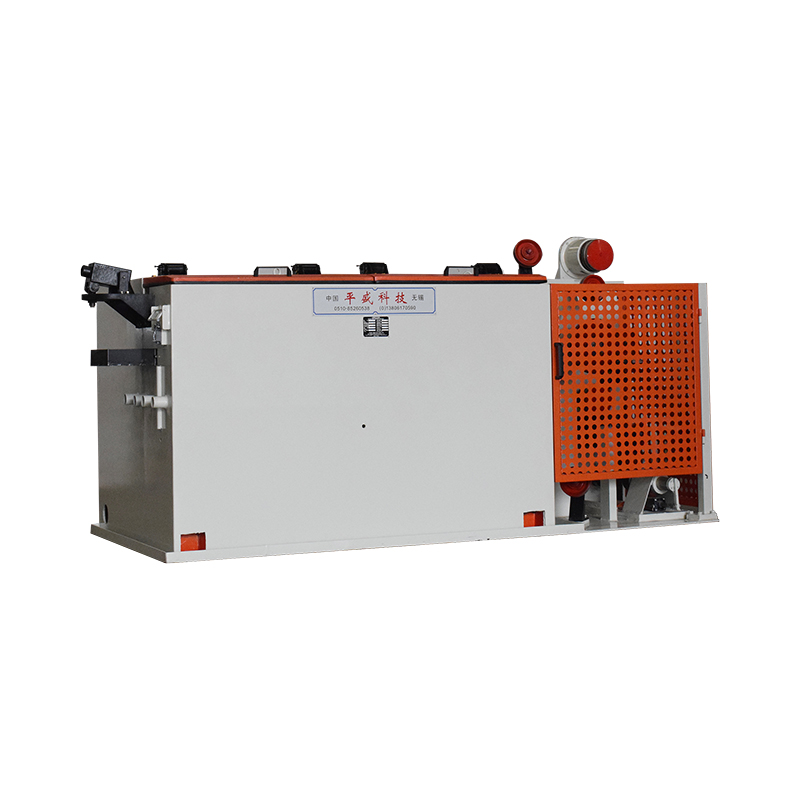
A wet wire drawing machine is an industrial metal processing system used to reduce the diameter of metal wires by pulling them through a series of drawing dies while submerged in a lubricant or cooling fluid. This process is widely used for producing copper, aluminum, and steel wires with improved surface finish, higher dimensional accuracy, and enhanced mechanical properties.
Unlike dry wire drawing machines, wet systems immerse both the wire and die in a lubricating solution, which significantly reduces friction, heat generation, and die wear. This allows for higher drawing speeds, better surface quality, and longer equipment lifespan.
Wet wire drawing technology is essential in industries such as electrical cable manufacturing, automotive wiring, construction materials, and telecommunications due to its ability to produce consistent, high-quality wire products.
How Does a Wet Wire Drawing Machine Work?
The working principle of a wet wire drawing machine involves pulling a metal rod or thick wire through a series of progressively smaller dies. Each pass reduces the diameter while increasing length and tensile strength.
During this process, the wire passes through a lubricant bath containing drawing oil or emulsified coolant. This reduces friction between the wire and die surface and prevents overheating during high-speed operation.
- Wire feeding system for controlled input
- Multiple drawing dies for diameter reduction
- Lubrication and cooling system
- Take-up system for finished wire winding
What Are the Main Components of a Wet Wire Drawing Machine?
Pay-Off System
This system feeds raw wire rod into the machine at a controlled and stable speed to ensure consistent drawing performance.
Drawing Die Block
The die block contains multiple carbide or diamond dies that progressively reduce wire diameter with high precision.
Lubrication System
A circulating coolant system ensures continuous lubrication, reducing friction and improving surface finish.
Capstan and Take-Up Unit
These components control wire tension and collect finished wire onto spools for further processing or shipment.
| Component | Function |
| Pay-Off System | Feeds raw wire |
| Drawing Dies | Reduces wire diameter |
| Lubrication System | Reduces friction and heat |
| Take-Up Unit | Collects finished wire |
What Are the Advantages of Wet Wire Drawing Technology?
Improved Surface Quality
Lubrication reduces surface scratches and defects, resulting in smoother and cleaner wire surfaces.
Higher Drawing Speed
Cooling and lubrication allow faster processing speeds compared to dry drawing systems.
Reduced Die Wear
Continuous lubrication significantly extends die lifespan and reduces maintenance costs.
Better Mechanical Properties
Cold working during drawing improves tensile strength and wire consistency.
What Materials Can Be Processed?
Wet wire drawing machines are suitable for a wide range of conductive and structural metals.
- Copper wire for electrical applications
- Aluminum wire for lightweight conductors
- Steel wire for construction and reinforcement
- Alloy wires for industrial applications
Where Is Wet Wire Drawing Machine Used?
These machines are widely used in industries requiring high-precision wire manufacturing.
- Electrical cable manufacturing
- Automotive wiring systems
- Construction reinforcement materials
- Telecommunications cable production
How to Maintain a Wet Wire Drawing Machine?
Proper maintenance ensures long-term stability and production efficiency.
- Regular lubricant filtration and replacement
- Inspection of dies for wear and damage
- Monitoring wire tension systems
- Cleaning cooling circulation system
Conclusion
A wet wire drawing machine is a highly efficient solution for producing high-quality metal wires with excellent surface finish and mechanical performance. By understanding its working principle, components, and technical advantages, manufacturers can optimize production processes and achieve superior wire quality for industrial applications.