
 EN
EN
 English
 Español
 Français
 Português
 عربى
عربى
What Equipment Makes Up a Wire Surface Treatment Line?
Content
- 1 What Is a Wire Surface Treatment Line and Why Does It Matter?
- 2 Pay-Off and Entry Equipment: Where the Line Begins
- 3 Mechanical Descaling and Pre-Cleaning Equipment
- 4 Chemical Treatment Tanks and Their Sequence
- 5 Electrochemical Treatment Equipment for Advanced Surface Preparation
- 6 Coating and Application Equipment at the Heart of the Line
- 7 Drying, Cooling, and Post-Treatment Equipment
- 8 Take-Up Equipment and Inline Quality Control Systems
- 9 Key Factors to Consider When Specifying Wire Surface Treatment Line Equipment
What Is a Wire Surface Treatment Line and Why Does It Matter?
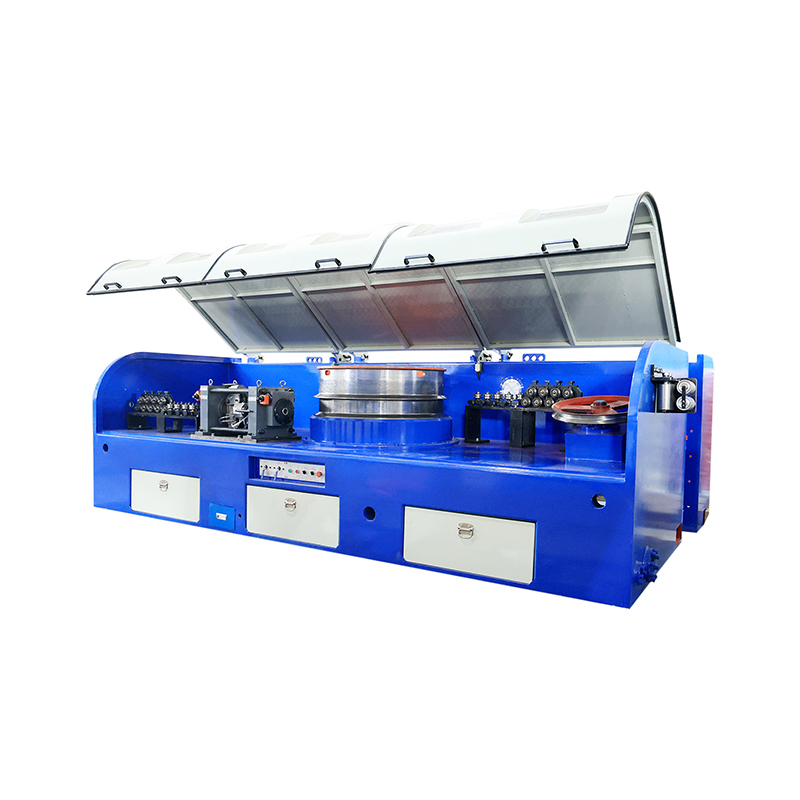
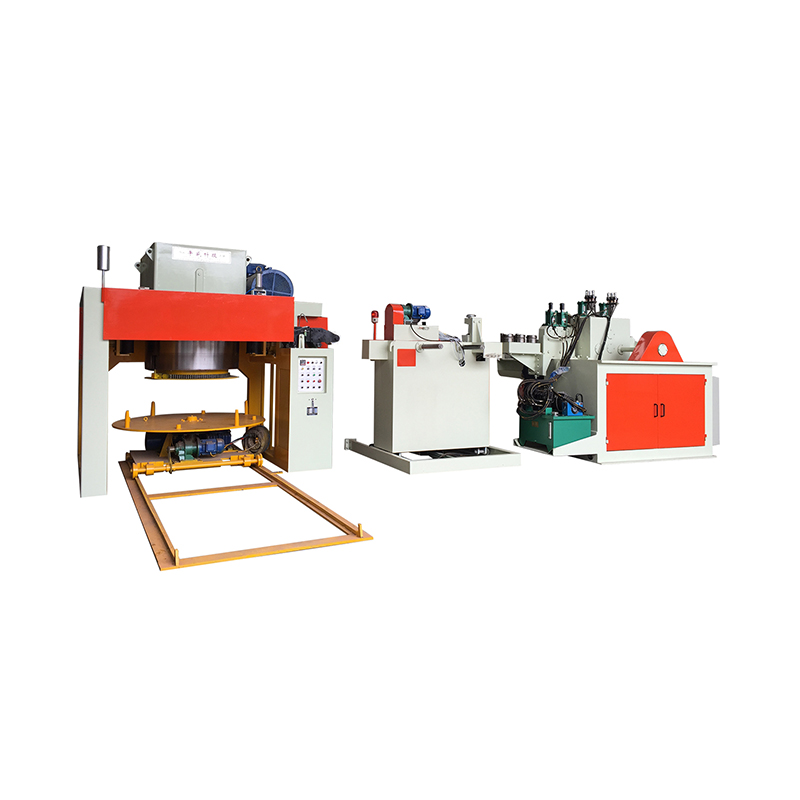
A wire surface treatment line is an integrated sequence of industrial equipment designed to clean, condition, coat, or otherwise modify the outer surface of metal wire before it undergoes further processing such as drawing, plating, galvanizing, enameling, or final packaging. The condition of a wire's surface directly determines how well subsequent coatings adhere, how smoothly the wire passes through drawing dies, how resistant the final product is to corrosion, and ultimately how long the end product performs in service. A poorly prepared surface leads to coating delamination, increased die wear, inconsistent electrical conductivity in magnet wire, and premature product failure in structural applications.
Wire surface treatment lines are used across a wide range of industries including automotive, construction, electronics, telecommunications, and aerospace. The specific equipment configuration depends on the wire material — steel, copper, aluminum, or specialty alloys — and the intended end use. A galvanized steel wire line designed for fencing applications has fundamentally different equipment requirements from an enameling line for transformer windings or a tinning line for electronic connector wire. Understanding what each piece of equipment does and how the stages interact is essential for engineers, procurement managers, and production planners responsible for specifying or upgrading these systems.
Pay-Off and Entry Equipment: Where the Line Begins
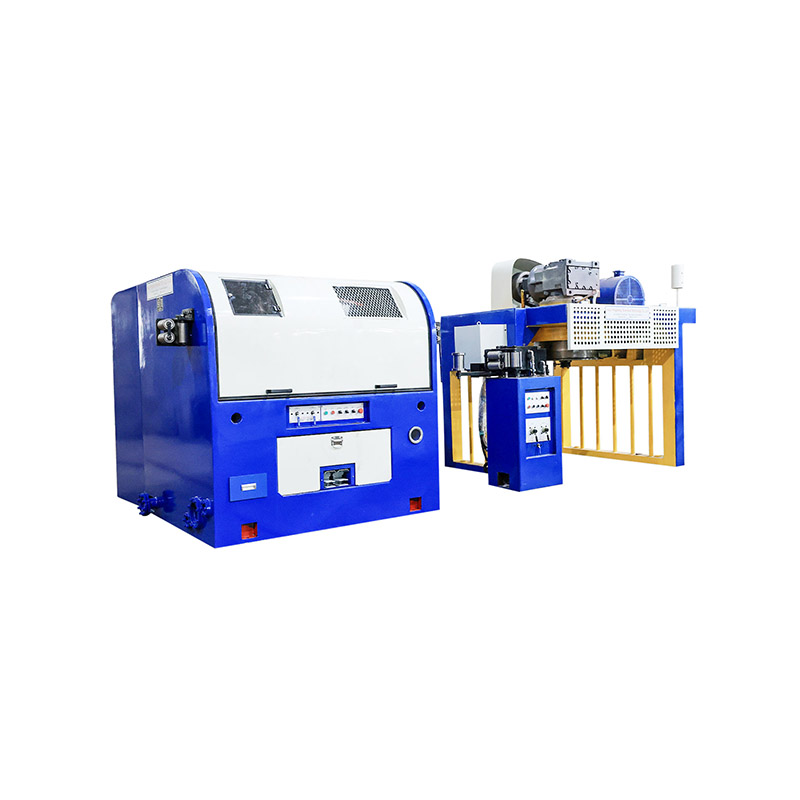
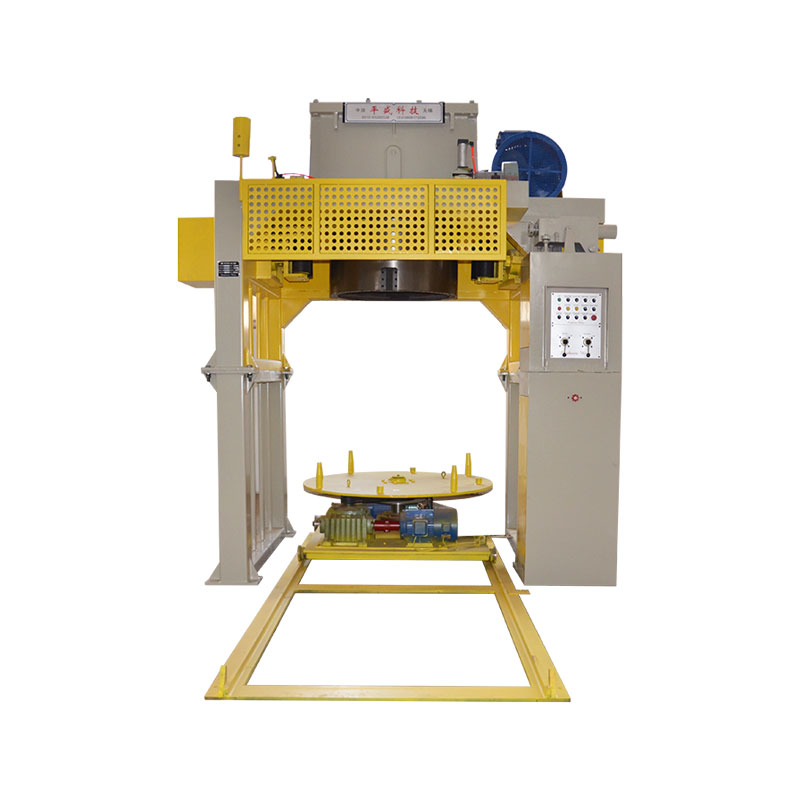
Every wire surface treatment line begins with a pay-off section, which unwinds wire from coils, spools, or rods and feeds it into the line at a controlled, consistent tension. The design of the pay-off equipment has a significant impact on line efficiency and surface quality. Static pay-offs using rotating coil cradles are common for heavier wire gauges, while motor-driven active pay-offs with dancer roll tension control systems are preferred for fine wire and high-speed lines where even minor tension fluctuations can cause surface defects or wire breakage.
Entry accumulator units are often installed immediately after the pay-off station to allow continuous line operation during coil changeovers. These devices store a reserve length of wire in a vertical or horizontal loop arrangement so that the downstream treatment process does not need to stop while a new coil is loaded and spliced. For high-throughput production lines treating wire at speeds above 100 meters per minute, accumulators are not optional — they are essential to achieving economically viable uptime rates and consistent treatment quality.
Mechanical Descaling and Pre-Cleaning Equipment
Wire arriving from hot rolling mills or annealing furnaces typically carries mill scale, oxide layers, or residual lubricants that must be removed before chemical or electrochemical treatment can be effective. Mechanical descaling is often the first active treatment stage and uses abrasive action to fracture and dislodge surface oxides without the use of chemicals.
Roller Descalers
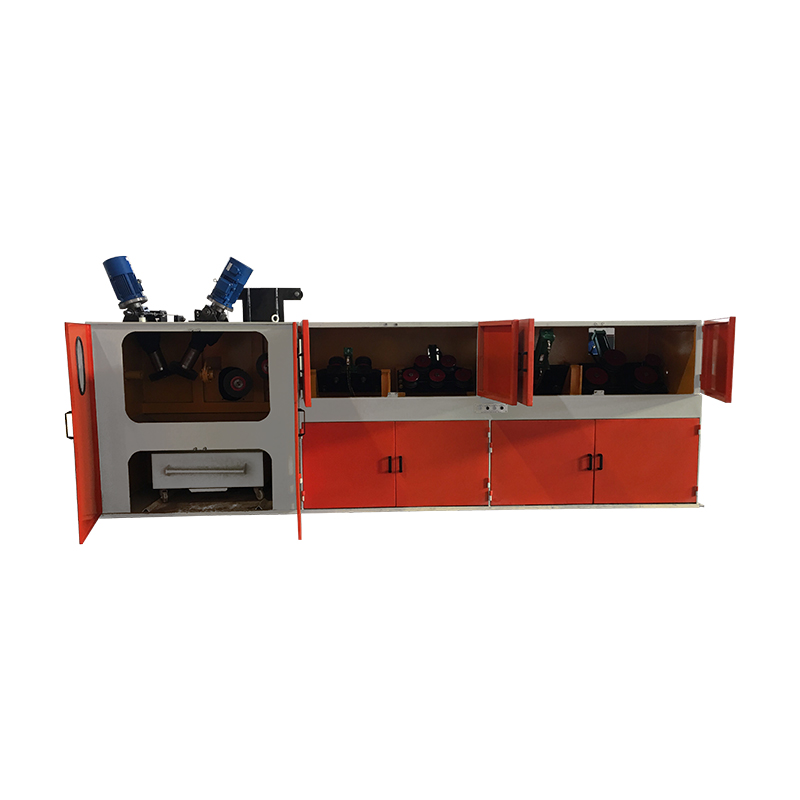
Roller descalers pass the wire through a series of alternating bending rolls that flex the wire in multiple planes simultaneously. This repeated flexing causes the brittle oxide scale to crack and separate from the ductile metal substrate beneath. Roller descalers are compact, require no consumables, and are particularly effective on hot-rolled steel rod with thick scale layers. The degree of scale removal depends on the number of bending stages, the bend radius, and the wire diameter. Modern roller descalers are adjustable to accommodate a range of wire sizes without tooling changes.
Shot Blasting Units
For more aggressive scale removal or where a specific surface roughness profile is required for subsequent coating adhesion, shot blasting equipment propels steel or ceramic abrasive particles against the wire surface at high velocity using centrifugal wheels or compressed air nozzles. Shot blasting produces a highly active, anchor-profiled surface that significantly improves the mechanical bonding of zinc coatings, phosphate layers, and polymer coatings applied in later stages. Dust extraction and abrasive recovery systems are integral components of any shot blasting unit.
Chemical Treatment Tanks and Their Sequence
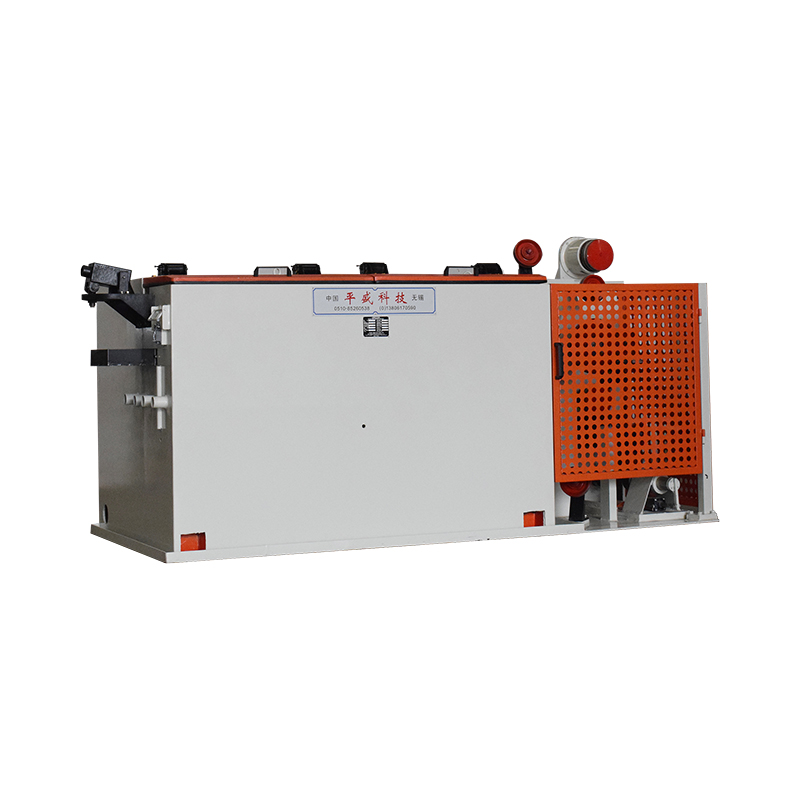
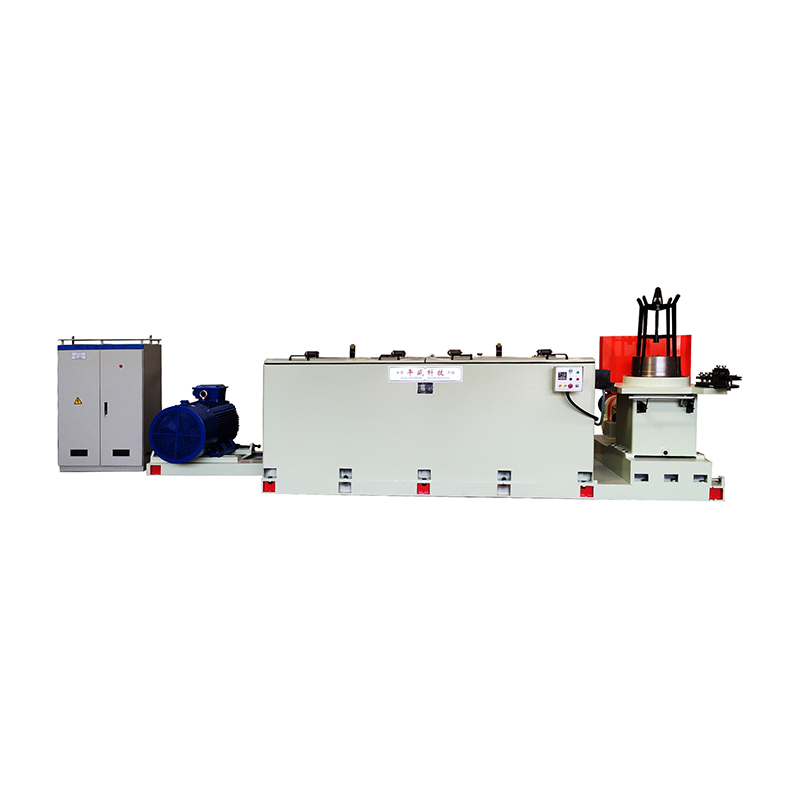
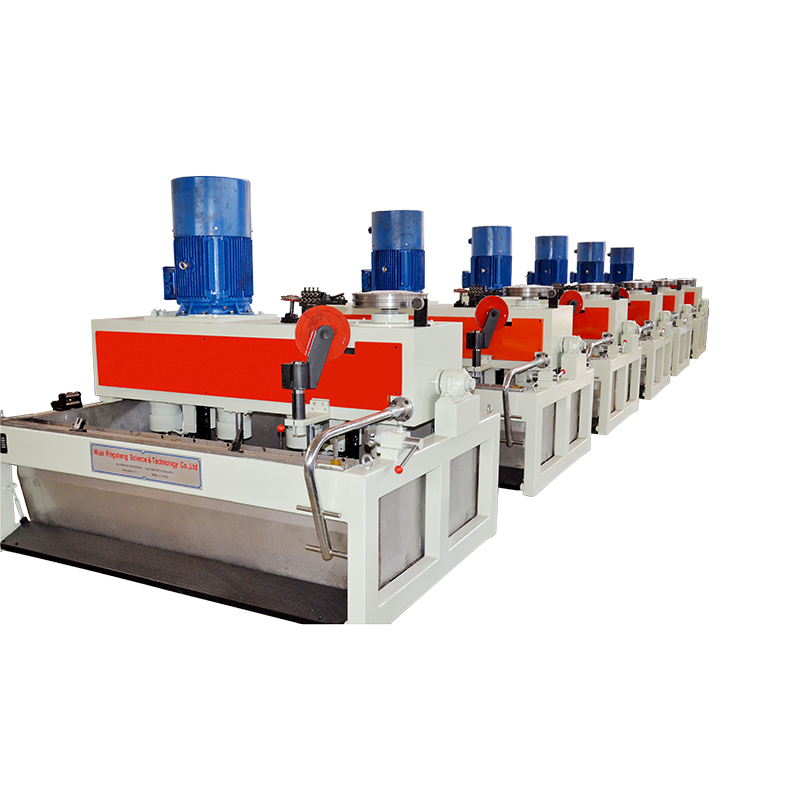
The chemical treatment section is the core of most wire surface treatment lines and typically consists of a series of tanks through which the wire passes continuously. Each tank performs a specific chemical action, and the sequence is carefully engineered to prepare the wire surface progressively. The following table shows a typical treatment sequence for a steel wire galvanizing preparation line:
| Stage | Process | Purpose | Typical Medium |
| 1 | Degreasing | Remove oils, greases, and drawing lubricants | Alkaline solution or solvent |
| 2 | Rinsing | Remove degreasing residues | Fresh or recycled water |
| 3 | Pickling / Acid Cleaning | Dissolve residual oxides and scale | Hydrochloric or sulfuric acid |
| 4 | Rinsing | Remove acid residues | Fresh water |
| 5 | Fluxing | Activate surface for zinc adhesion | Zinc ammonium chloride flux |
Tank construction materials are selected based on the chemical used. Polypropylene, PVC, and rubber-lined steel are common choices for acid tanks, while stainless steel is standard for alkaline degreasing and rinsing stages. Tank heating is provided by immersion heaters, steam coils, or external heat exchangers depending on the required process temperature. Adequate ventilation and fume extraction above acid and alkaline tanks are mandatory both for worker safety and to prevent corrosion of adjacent equipment and building structures.
Electrochemical Treatment Equipment for Advanced Surface Preparation
Where chemical treatment alone is insufficient or where process speed must be maximized, electrochemical treatment equipment applies electrical current to accelerate or enhance surface reactions. Electrolytic degreasing cells use direct or alternating current to generate oxygen or hydrogen bubbles at the wire surface, providing a vigorous scrubbing action that removes tenacious lubricant films far more effectively than passive alkaline soaking alone. This is particularly important for copper wire in enameling lines where any surface contamination causes pin-hole defects in the insulation coating.
Electrolytic pickling cells apply current in an acid bath to accelerate oxide dissolution while giving the operator precise control over the degree of material removal. For stainless steel wire, where passive oxide layers are particularly stable, electrolytic pickling is often the only practical method for achieving the clean, active surface required for subsequent electroplating or bright annealing. The rectifier units supplying current to these cells must deliver stable, ripple-free DC output, and their capacity must be matched to the line speed and wire cross-section to ensure consistent current density across the wire surface.
Coating and Application Equipment at the Heart of the Line
Once the wire surface has been properly prepared, the coating application stage applies the functional or protective layer that defines the wire's end-use performance. The equipment used at this stage varies significantly depending on the coating type.
Hot-Dip Galvanizing Pots
For zinc-coated steel wire, the wire passes continuously through a molten zinc bath maintained at approximately 450°C. The pot is constructed from high-temperature refractory materials or specialized steel alloys and is heated by gas burners or electrical induction systems. Zinc bath chemistry, temperature uniformity, and wire speed must be precisely controlled to achieve the target coating weight and surface appearance. Wiping dies or air knives positioned at the bath exit control the zinc coating thickness by removing excess molten zinc before it solidifies.
Electroplating Lines
Copper, tin, nickel, silver, and other electroplated coatings are applied using continuous plating cells in which the wire acts as the cathode in an electrolytic circuit. The plating tank geometry, anode configuration, electrolyte composition, and current density are all engineered to achieve uniform coating thickness across the wire circumference and consistent deposit quality along the entire length. High-speed tin plating lines for electronic wire, for example, operate at wire speeds of several hundred meters per minute and require sophisticated current control and electrolyte management systems to maintain coating thickness tolerances within ±0.1 micrometers.
Phosphating and Lubricant Coating Equipment
Wire destined for cold drawing is frequently treated with zinc or manganese phosphate followed by a soap or polymer lubricant carrier coat. The phosphate reaction tank, rinsing stages, and lubricant application tank form a compact sub-line that converts the wire surface into a porous crystalline layer capable of retaining drawing lubricant under the extreme pressures encountered in die drawing. The crystal structure and coating weight of the phosphate layer are controlled by bath temperature, free acid content, and accelerator concentration, all of which require regular monitoring and adjustment.
Drying, Cooling, and Post-Treatment Equipment
After coating application, most wire surface treatment lines include drying or cooling stages to stabilize the coating before the wire is wound onto the take-up spool. Hot-air drying ovens using gas or electric heating elements evaporate water and activate certain coating chemistries. For galvanized wire, water quench tanks immediately downstream of the zinc bath rapidly cool the coating to lock in the spangle structure and prevent excessive zinc-iron alloy layer growth. Polymer-coated wires may pass through UV curing chambers or infrared ovens that crosslink the coating to achieve the required hardness and adhesion within the brief time available at production line speeds.
Take-Up Equipment and Inline Quality Control Systems
The take-up section winds the treated wire onto finished spools, coils, or reels at consistent tension and traverse speed to produce a well-formed package suitable for the next production stage or direct dispatch to the customer. Precision traverse mechanisms ensure uniform layer-by-layer winding that prevents coil collapse during transit and allows smooth payoff in downstream operations. Motor-driven take-ups with closed-loop tension control systems compensate for the increasing spool diameter as wire is wound, maintaining constant wire tension regardless of the spool fill level.
Inline quality control systems integrated throughout modern wire surface treatment lines include coating thickness gauges using X-ray fluorescence or eddy current principles, surface defect detection cameras, diameter measurement laser gauges, and coating adhesion monitors. These instruments provide real-time data to the line's central control system, enabling automatic process adjustments and generating traceable quality records for each production coil. Integrating these measurement systems with statistical process control software allows production teams to identify trends before defects occur and to demonstrate compliance with customer specifications without relying solely on end-of-line sampling.
Key Factors to Consider When Specifying Wire Surface Treatment Line Equipment
Selecting and configuring a wire surface treatment line involves balancing multiple technical, economic, and regulatory factors. The following considerations are critical to achieving a system that meets production targets and remains cost-effective throughout its service life:
- Wire material and diameter range: The equipment must be designed to handle the full range of wire sizes and materials in your product portfolio without requiring major tooling changes between runs.
- Line speed and production capacity: All equipment sections must be matched to the same throughput speed. A bottleneck at any single stage limits the entire line's output and increases unit processing costs.
- Chemical waste treatment and environmental compliance: Acid, alkaline, and plating effluents require on-site treatment before discharge. The wastewater treatment plant must be sized and specified alongside the main process equipment to ensure regulatory compliance from day one.
- Automation and control system integration: Modern lines benefit from centralized PLC or SCADA control that coordinates all equipment sections, logs process parameters, and enables remote diagnostics to minimize downtime.
- Energy efficiency: Heating systems for chemical tanks, drying ovens, and molten metal pots represent major operating costs. Specifying heat recovery systems, insulated tank covers, and variable-speed drives on pumps and fans significantly reduces energy consumption over the equipment's lifetime.
- Supplier support and spare parts availability: A wire surface treatment line is a long-term capital investment. Choosing equipment suppliers with established service networks, local technical support, and guaranteed spare parts availability reduces the risk of extended downtime due to component failures.