
 EN
EN
 English
 Español
 Français
 Português
 عربى
عربى
Wire Surface Treatment Line Equipment: Components and Buyer Guide
Content
- 1 What Is Wire Surface Treatment Line Equipment?
- 2 Core Processing Stages in a Wire Surface Treatment Line
- 3 Surface Coating and Conversion Equipment
- 4 Drying and Thermal Treatment Equipment
- 5 Key Equipment Components and Their Functions at a Glance
- 6 Automation, Control Systems, and Line Integration
- 7 Factors to Consider When Specifying Wire Surface Treatment Line Equipment
What Is Wire Surface Treatment Line Equipment?
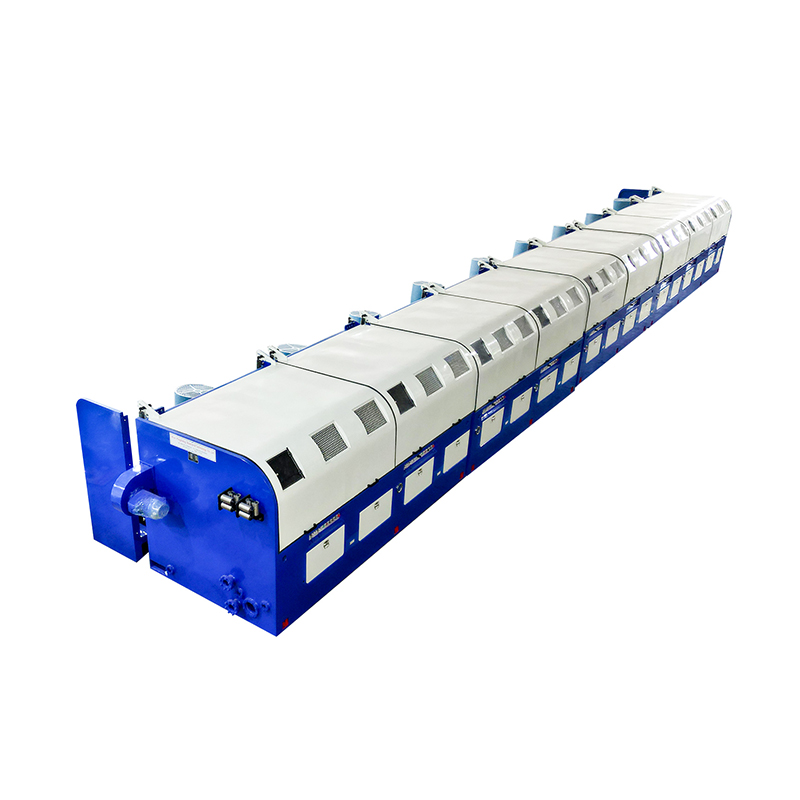
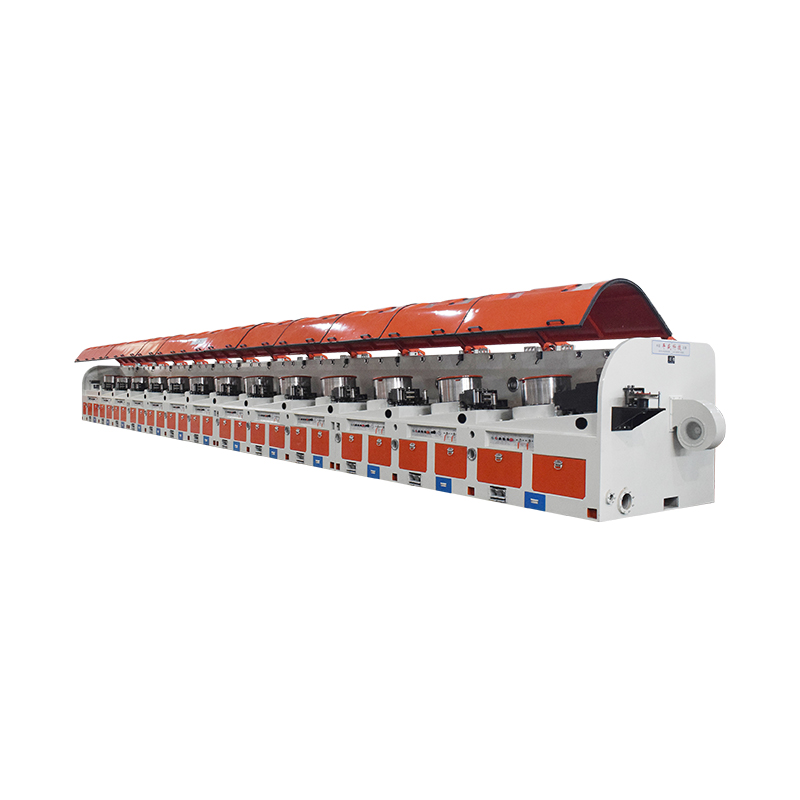
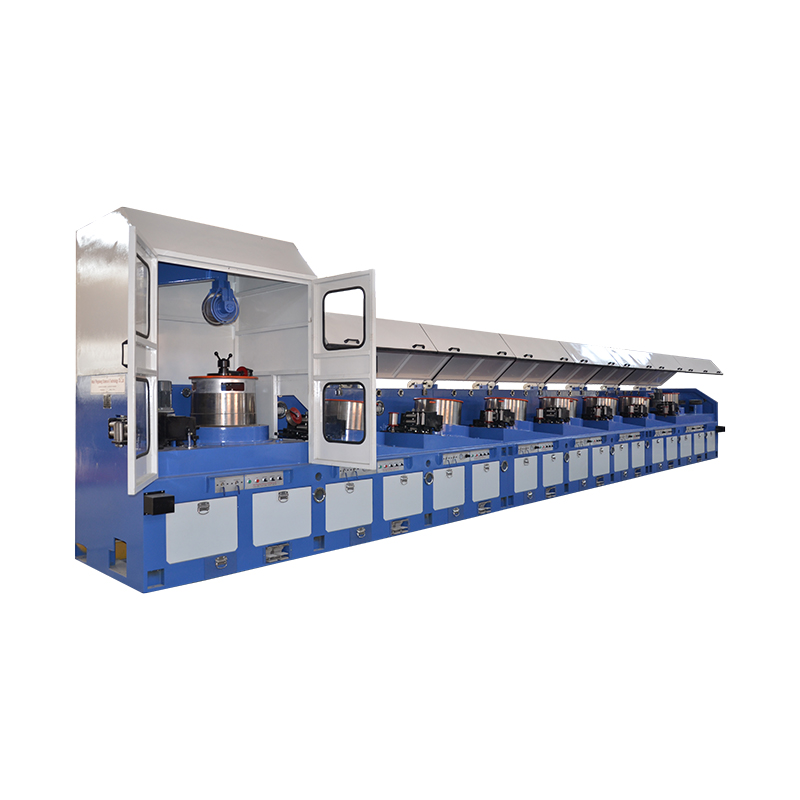
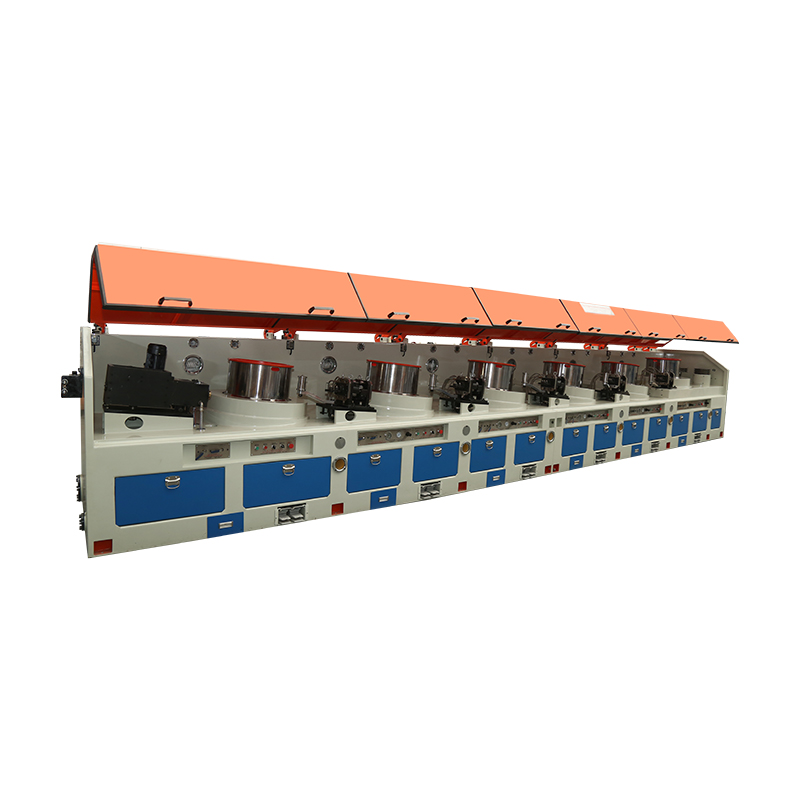
Wire surface treatment line equipment refers to the integrated series of machines and processing stations designed to clean, condition, coat, or otherwise modify the surface of metal wire as it travels continuously through a production line. The purpose of surface treatment is to prepare the wire for its intended downstream application — whether that is drawing to finer diameters, galvanizing, electroplating, rubber bonding, welding, or final use in finished products such as springs, cables, fasteners, and reinforcement materials. Without proper surface treatment, wire may carry oxide scale, lubricant residues, hydrogen embrittlement, or surface defects that compromise its mechanical performance, coating adhesion, or service life in the end product.
A complete wire surface treatment line is not a single machine but a carefully sequenced system of processing units, each performing a distinct step in the overall treatment process. The line configuration varies depending on the wire material — carbon steel, stainless steel, copper, aluminum, or specialty alloys — the incoming wire condition, and the required output specification. Lines can range from compact, single-purpose installations occupying a small area of a production floor to large, fully automated continuous processing systems running at speeds of hundreds of meters per minute and handling multiple wire strands simultaneously. Understanding the function and specification of each equipment component is essential for anyone designing, purchasing, or upgrading a wire surface treatment facility.
Core Processing Stages in a Wire Surface Treatment Line
Regardless of the specific wire material or final application, most wire surface treatment lines share a common sequence of processing stages. Each stage targets a specific aspect of the wire surface condition, and the stages are ordered to build on one another — cleaning before coating, rinsing after chemical treatment, and drying before the wire enters any temperature-sensitive downstream process.
Mechanical Descaling
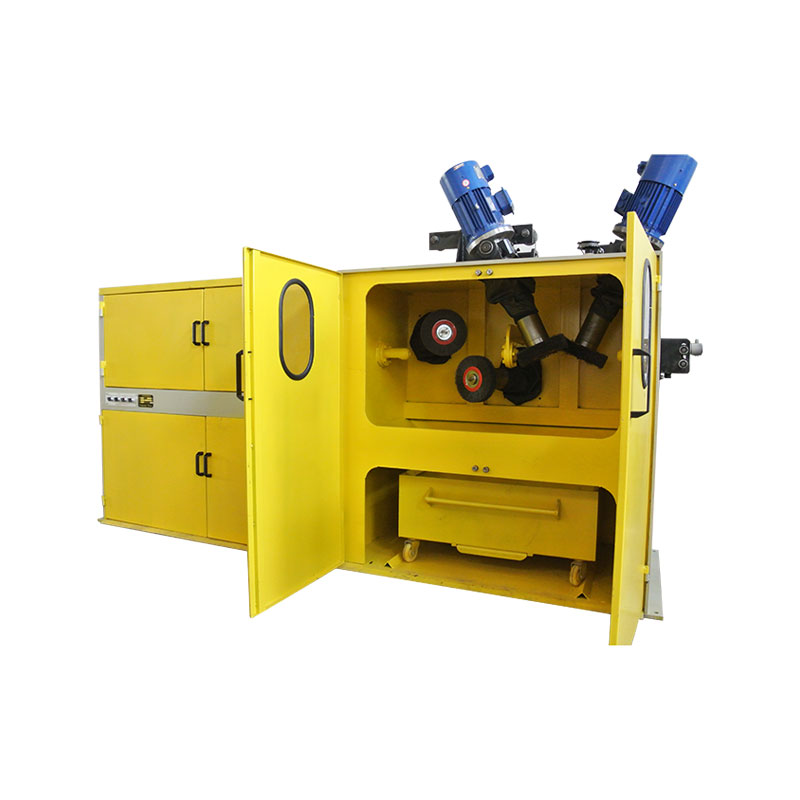
For hot-rolled carbon steel wire rod, the first processing step is typically mechanical descaling to remove the brittle iron oxide scale layer formed during hot rolling. This is accomplished using a series of reverse bending rollers — sometimes called a roller descaler or flexing unit — that repeatedly flex the wire in alternating directions through tight bend radii. The differential expansion and contraction at the wire surface caused by this flexing fractures and detaches the scale from the underlying metal. The broken scale particles are then removed by mechanical brushing units, typically rotating steel wire or fiber brushes, that sweep the fragmented scale off the wire surface. Mechanical descaling is preferred over chemical pickling alone for heavily scaled wire because it reduces the acid consumption and treatment time required in the subsequent pickling stage, lowering both operating costs and environmental impact.
Chemical Pickling and Acid Treatment
Chemical pickling uses acid solutions to dissolve residual oxide scale, rust, and surface contaminants that mechanical descaling alone cannot remove. Hydrochloric acid (HCl) is the most widely used pickling acid for carbon steel wire because of its fast reaction rate and the solubility of the resulting iron chloride by-products. Sulfuric acid (H₂SO₄) is also used, particularly in older or lower-speed installations, and offers the advantage of easier fume control at elevated temperatures. For stainless steel wire, a mixed acid solution of nitric acid and hydrofluoric acid — known as a bright pickling or passivation bath — is required to dissolve the chromium-depleted surface layer and restore the passive film that gives stainless steel its corrosion resistance. Pickling tanks in modern wire treatment lines are constructed from acid-resistant materials such as polypropylene, fiberglass-reinforced plastic, or rubber-lined steel, and are equipped with temperature control, acid concentration monitoring, and fume extraction systems to maintain consistent pickling performance and comply with occupational health and environmental regulations.
Rinsing Stations
After each chemical treatment stage, thorough rinsing is essential to remove residual acid, alkali, or process chemicals from the wire surface before it enters the next processing step. Carry-over of acid into a subsequent coating bath, for example, will rapidly contaminate and destabilize the coating solution. Rinsing stations typically consist of one or more tanks containing clean water or pH-buffered rinse solutions through which the wire passes at controlled tension. Cascade rinsing systems — in which water flows counter-current to the wire travel direction through a series of tanks — maximize rinse efficiency while minimizing fresh water consumption and wastewater generation. Hot water rinse stages near the end of the treatment sequence accelerate drying and help prevent flash rusting on freshly pickled carbon steel wire surfaces.
Electrolytic Cleaning
Electrolytic cleaning uses direct electrical current passed through an alkaline electrolyte solution to remove oil, grease, and fine metallic particles from the wire surface through a combination of saponification, emulsification, and the mechanical scrubbing action of gas bubbles generated at the wire surface during electrolysis. The wire passes through the electrolytic cleaning tank as either the cathode (negative electrode) or the anode (positive electrode), or alternates between both in a periodic reverse current system. Cathodic cleaning generates hydrogen gas at the wire surface, which provides vigorous mechanical cleaning but carries a risk of hydrogen embrittlement in high-strength steels. Anodic cleaning avoids hydrogen embrittlement but can cause slight surface oxidation. Periodic reverse current systems combine the benefits of both modes while minimizing their respective drawbacks. Electrolytic cleaning is particularly important in electroplating preparation lines where the wire surface must be completely free of any organic contamination for the plated deposit to achieve adequate adhesion and density.
Surface Coating and Conversion Equipment
Following the cleaning and preparation stages, many wire surface treatment lines include one or more coating or conversion treatment stations that apply a functional surface layer to the wire. The specific coating process depends on the intended application of the wire and the performance requirements of the surface layer.
Phosphating Units
Phosphate coating — also known as bonderizing or lubri-phosphating — is one of the most common surface treatments applied to steel wire prior to cold drawing or wire forming operations. The phosphating unit typically consists of a heated tank containing a zinc phosphate, manganese phosphate, or iron phosphate solution through which the wire passes at controlled speed and temperature. The chemical reaction between the phosphate solution and the steel surface creates a crystalline phosphate conversion coating that provides two key benefits: it acts as an excellent carrier and reservoir for drawing lubricants, significantly reducing die wear and drawing force during subsequent cold drawing operations, and it provides a degree of temporary corrosion protection. Zinc phosphate coatings are the most widely used for wire drawing applications because of their relatively coarse crystal structure, which holds lubricant effectively in heavy-reduction drawing sequences.
Electroplating Lines
Electroplating equipment deposits a metallic coating onto the wire surface using electrochemical reduction of metal ions from a plating solution. Common wire electroplating processes include copper plating for welding wire and tire cord, zinc plating for corrosion protection and fastener wire, brass plating for rubber-bonded wire products, nickel plating for high-temperature and electronic applications, and tin plating for electrical conductor wire. The electroplating section of a wire line consists of one or more plating tanks containing the appropriate metal salt electrolyte solution, insoluble or soluble anodes, rectifiers that supply precisely controlled direct current, and temperature regulation equipment. After plating, post-treatment stages such as chromating, passivation, or brightening may be applied to enhance the corrosion resistance or appearance of the plated deposit before the wire enters the drying and takeup section of the line.
Hot-Dip Galvanizing Equipment
For wire products requiring heavy zinc coating weights for outdoor corrosion protection — such as fencing wire, armouring wire, stay wire, and overhead ground wire — hot-dip galvanizing equipment is integrated into the surface treatment line. The wire passes through a flux bath that activates the steel surface and promotes zinc adhesion, then enters a bath of molten zinc maintained at approximately 450°C to 460°C. As the wire exits the zinc bath, the coating thickness is controlled by wiping dies or gas jet wiping systems that remove excess zinc while it is still molten. The wire then passes through a cooling section where air quenching or water quenching solidifies the zinc coating before the wire is taken up on reels or spools. Zinc-aluminum alloy galvanizing baths — using alloys such as Galfan (Zn-5% Al) or Zalutite (Zn-10% Al) — are used in premium galvanizing lines to produce coatings with significantly improved corrosion resistance compared to conventional pure zinc coatings.
Drying and Thermal Treatment Equipment
After wet chemical treatment stages, the wire must be thoroughly dried before entering any further processing or being taken up on reels. Residual moisture causes flash rusting on carbon steel wire and can interfere with the adhesion of subsequently applied coatings or lubricants. Drying is accomplished using hot air ovens, induction heating units, or resistance heating sections through which the wire passes at controlled speed. Induction drying systems are particularly effective for metallic wire because they heat the wire directly and rapidly without requiring the wire to be in contact with a heated surface, enabling high line speeds without the risk of surface marking. In addition to drying, some wire surface treatment lines incorporate in-line annealing or stress-relieving furnaces that restore ductility to work-hardened wire or develop specific mechanical property profiles required for the end application.
Key Equipment Components and Their Functions at a Glance
The following table summarizes the principal equipment components found in a typical wire surface treatment line, along with their primary function and the wire types for which they are most commonly applied:
| Equipment Unit | Primary Function | Wire Types |
| Roller Descaler | Mechanical scale removal by flexing | Carbon steel wire rod |
| Pickling Tank | Chemical oxide and scale removal | Carbon steel, stainless steel |
| Electrolytic Cleaner | Oil and contaminant removal | All metals before plating |
| Rinse Tanks | Chemical carry-over removal | All wire types |
| Phosphating Unit | Lubricant carrier coating for drawing | Carbon steel drawing wire |
| Electroplating Section | Metallic coating deposition | Steel, copper, specialty alloy wire |
| Hot-Dip Galvanizing Bath | Heavy zinc corrosion protection coating | Carbon steel fencing and structural wire |
| Induction Dryer | Rapid contactless wire drying | All metallic wire types |
| Annealing Furnace | Ductility restoration and stress relief | Drawn carbon steel, copper wire |
Automation, Control Systems, and Line Integration
Modern wire surface treatment lines are highly automated systems in which programmable logic controllers (PLCs) and supervisory control and data acquisition (SCADA) systems coordinate the operation of every processing unit along the line. Tension control between processing stages is critical to maintaining consistent wire speed and preventing breakage or slack accumulation that would disrupt the continuous process. Motorized payoff reels at the line entry and takeup reels at the exit are integrated with tension feedback systems that automatically adjust payoff and takeup speeds to maintain the programmed line tension profile throughout each coil change cycle.
Process parameters including bath temperatures, acid concentrations, current densities in electroplating and electrolytic cleaning sections, and zinc bath temperature in galvanizing lines are continuously monitored by inline sensors and automatically adjusted by the control system to maintain the target values within specified tolerances. Automatic dosing systems replenish consumed chemicals in treatment baths based on either time-interval dosing or inline concentration measurement, reducing operator intervention and ensuring consistent bath chemistry throughout extended production runs. Data logging and quality traceability systems record the process parameters for each coil of wire processed through the line, enabling full traceability of the surface treatment history for quality assurance purposes and facilitating root cause analysis when surface quality issues arise in downstream operations or customer complaints are received.
Factors to Consider When Specifying Wire Surface Treatment Line Equipment
Selecting and specifying wire surface treatment line equipment requires a systematic evaluation of production requirements, wire specifications, environmental constraints, and long-term operating cost considerations. The following factors should be addressed in detail before issuing an equipment inquiry or purchase order:
- Wire material and incoming condition: The base metal, alloy grade, wire diameter range, incoming surface condition (scaled, lightly oxidized, or pre-cleaned), and mechanical properties of the wire to be processed determine which treatment stages are required and what equipment specifications are appropriate for each stage.
- Required output specification: The target surface cleanliness level, coating type, coating weight or thickness, and any specific mechanical property requirements after treatment define the process sequence and the performance targets that each equipment unit must achieve.
- Production throughput and line speed: The required annual tonnage and coil weight determine the necessary line operating speed, the size and capacity of each processing tank and furnace, and the level of automation required for efficient operation with the available workforce.
- Environmental and waste treatment requirements: Acid pickling, electroplating, and hot-dip galvanizing generate liquid effluents, acid fumes, and zinc fumes that are subject to strict environmental regulations. The line design must incorporate appropriate fume extraction, acid mist scrubbing, wastewater neutralization, and sludge handling systems to achieve compliance with applicable local and national environmental permits.
- Supplier experience and after-sales support: Wire surface treatment line equipment involves complex chemical, electrical, and mechanical systems that require specialized expertise for commissioning, operator training, and ongoing maintenance. Evaluating the supplier's track record with comparable installations, the availability of spare parts, and the quality of their technical support organization is as important as the equipment specification itself when making a final purchasing decision.