
 EN
EN
 English
 Español
 Français
 Português
 عربى
عربى
What Is a Wet Wire Drawing Machine and How Does It Improve Wire Production Quality?
Content
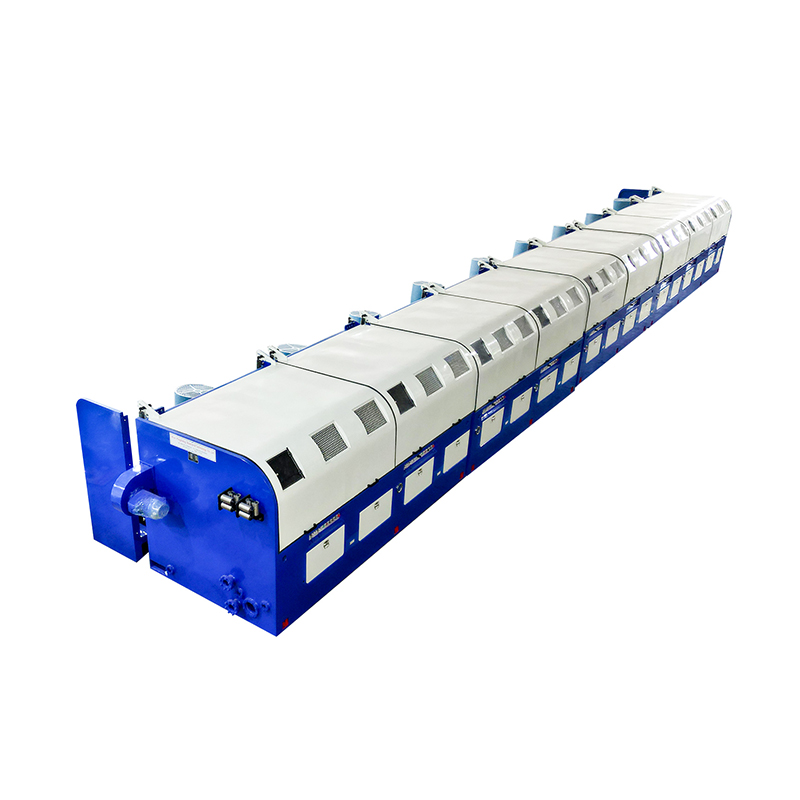
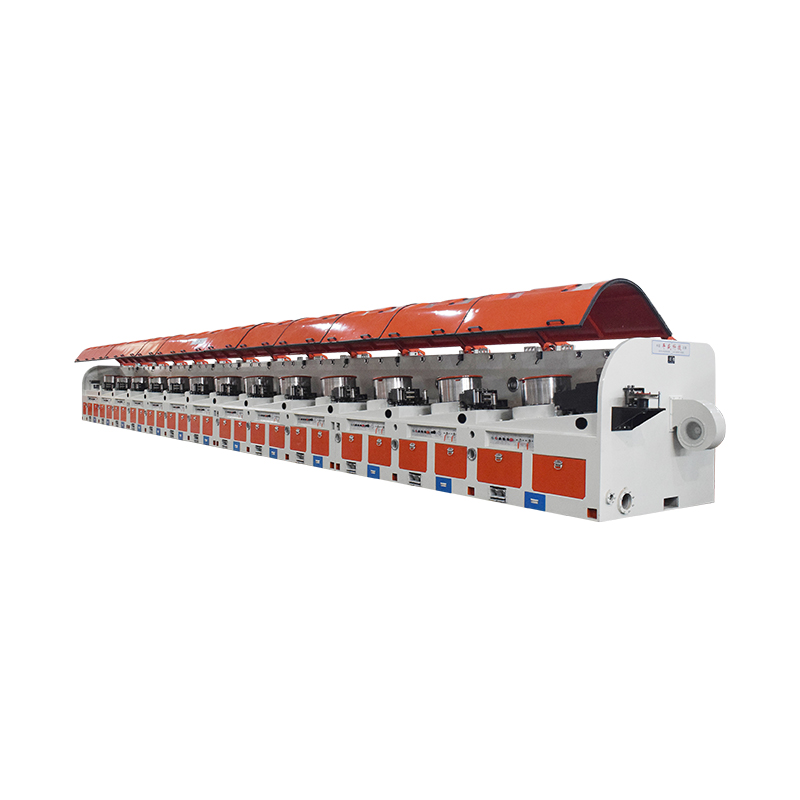
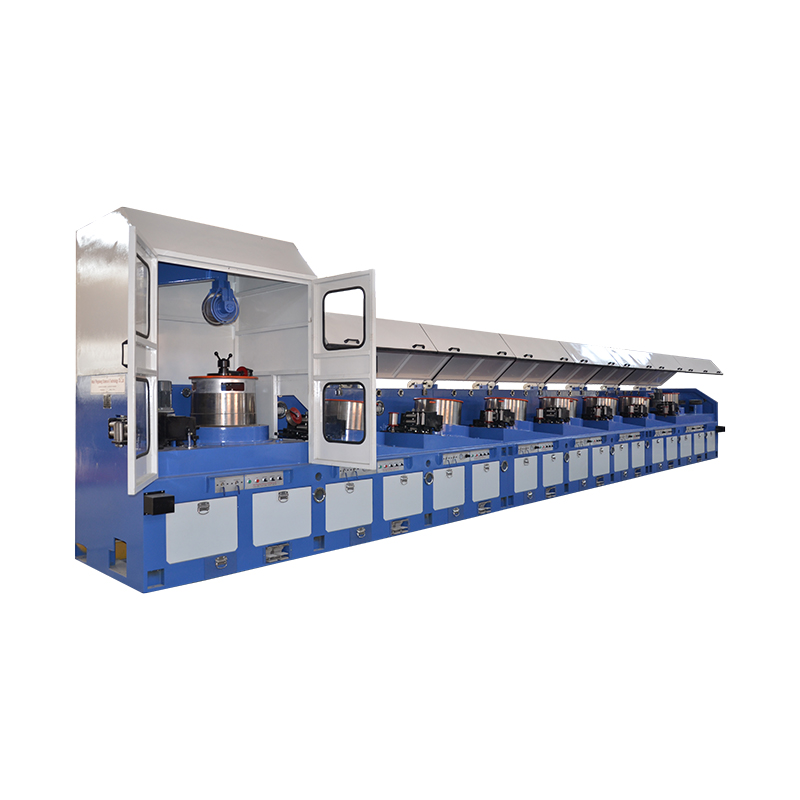
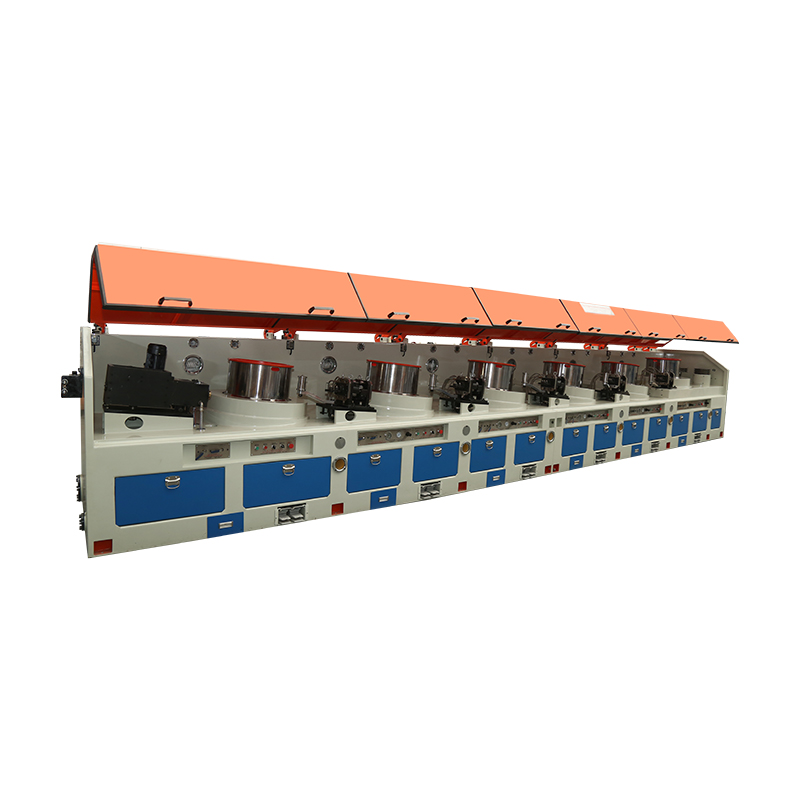
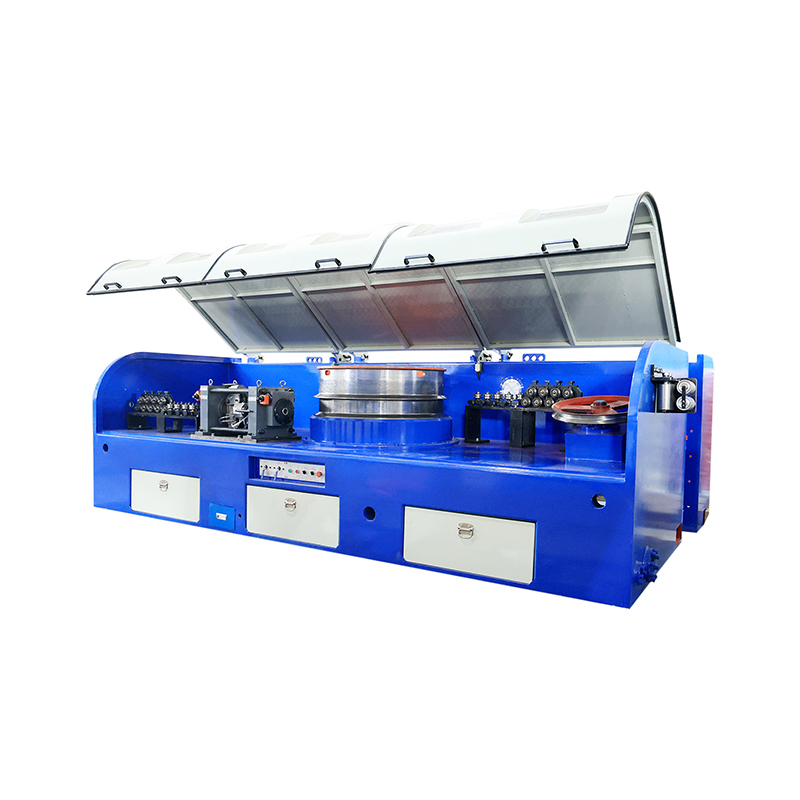
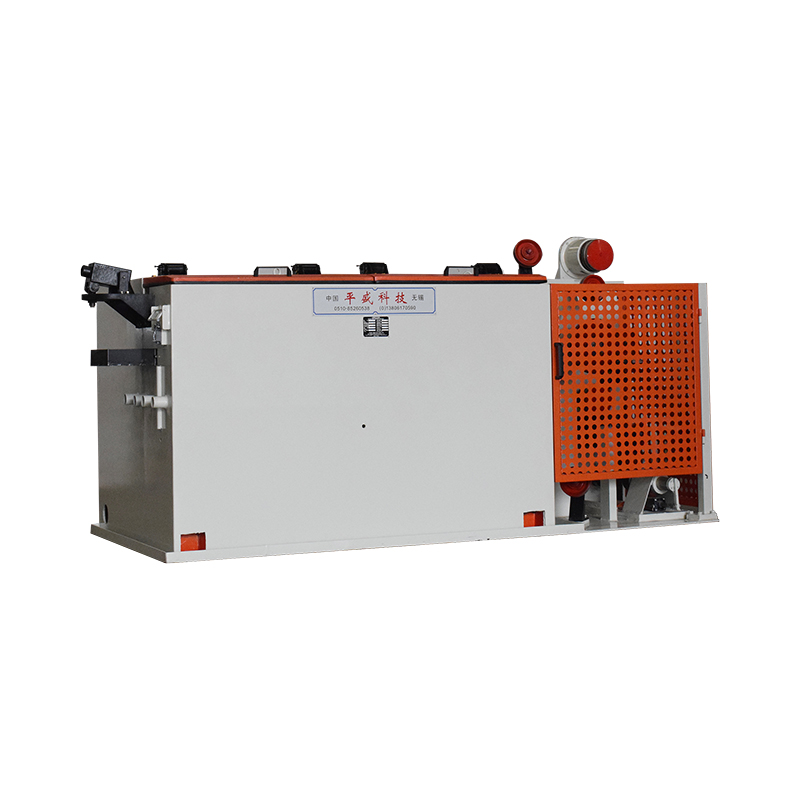
A wet wire drawing machine is a specialized industrial equipment used to reduce the diameter of metal wires through a drawing process that uses a liquid lubricant or coolant. Unlike dry wire drawing, the wet process ensures better surface finish, reduced friction, and improved wire quality. This type of machine is commonly used in the production of copper, aluminum, and steel wires for electrical, construction, and industrial applications.
Core Components and Working Principle
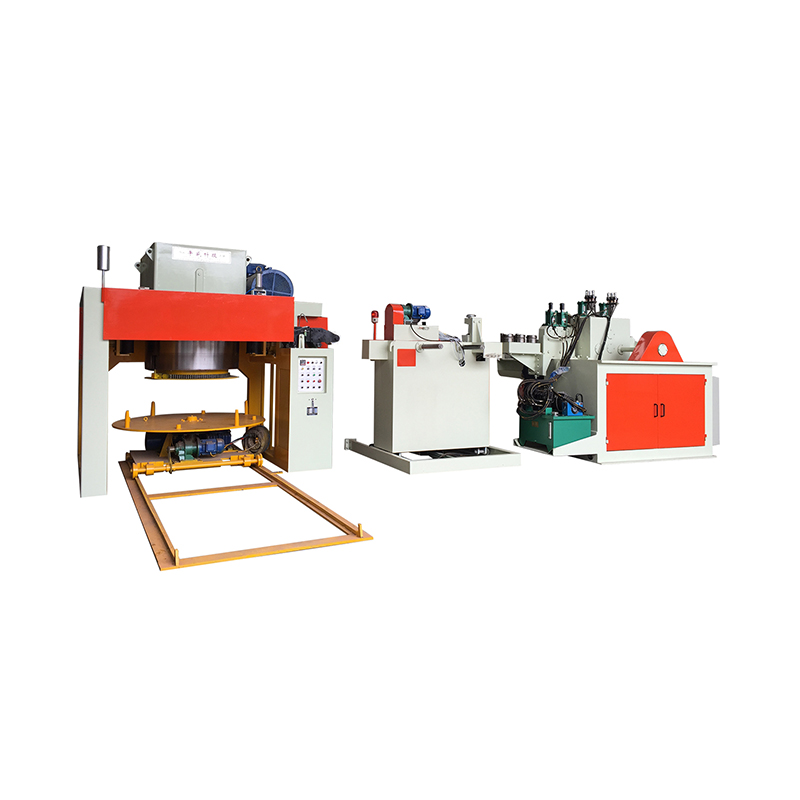
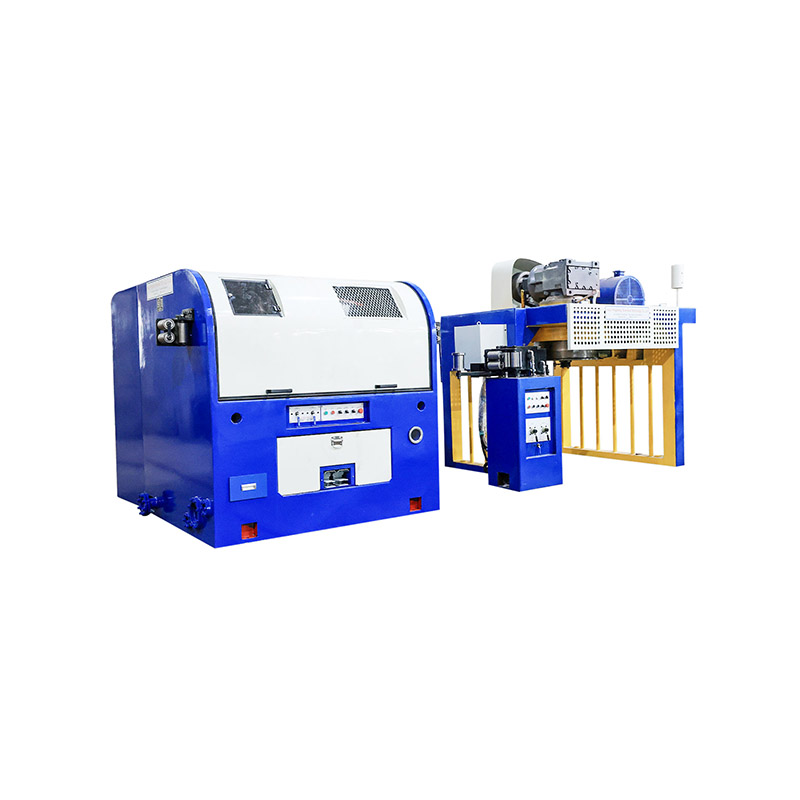
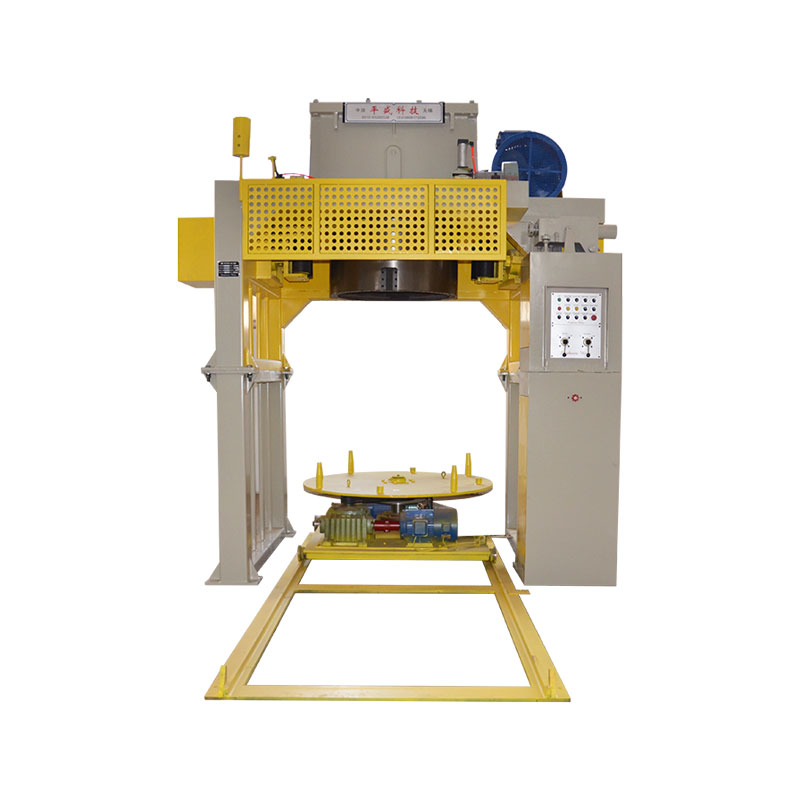
The wet wire drawing machine consists of several key components designed to control tension, lubrication, and wire speed. The machine typically includes a pay-off reel, drawing die, capstan, lubrication system, and take-up reel. The core working principle is based on pulling the wire through a series of dies while applying lubricant to reduce friction and heat.
Pay-Off and Wire Feeding
The wire starts from a pay-off reel, where it is unwound at controlled speed. Proper alignment is crucial to prevent wire deviation and reduce the risk of breakage. The feeding system often includes guiding rollers and tension sensors to ensure consistent drawing conditions.
Drawing Die and Lubrication
The drawing die is the heart of the machine. The wire is pulled through a die with a smaller diameter, which reduces the wire size while increasing its length. In wet drawing, a lubricant (usually oil-based or water-based) is applied before and during the drawing process to reduce friction, prevent die wear, and improve surface finish.
Capstan and Tension Control
The capstan provides the pulling force required to draw the wire through the dies. It maintains tension and speed control to ensure uniform diameter reduction. Modern machines use servo motors and tension controllers to achieve high precision and repeatability.
Take-Up and Coiling
After drawing, the wire passes through a take-up reel or coiling system. The wire is wound under controlled tension to prevent deformation and maintain consistent quality. Some machines include automatic coilers that produce coils or spools ready for further processing.
Advantages of Wet Wire Drawing
Wet wire drawing offers several benefits over dry drawing, especially in high-speed and high-precision production. These advantages make it a preferred choice for many wire manufacturers.
- Lower friction and reduced die wear, extending die life
- Improved surface finish and reduced scratches
- Better heat dissipation, allowing higher drawing speeds
- More stable wire tension and reduced breakage rate
- Suitable for drawing hard materials like stainless steel
Common Applications
Wet wire drawing machines are widely used in various industries where high-quality wire is required. The following applications show how diverse the use cases can be.
Electrical Wire and Cable Production
Copper and aluminum wires used in electrical cables require smooth surfaces and precise diameters. Wet drawing helps achieve consistent quality and reduces defects, making it ideal for producing conductors for power transmission and communication cables.
Automotive Wiring
Automotive wires need high mechanical strength and excellent surface quality. Wet wire drawing ensures reliable performance under vibration and temperature variations, which is critical for vehicle safety and durability.
Spring Wire and Stainless Steel Wire
Wet drawing is commonly used for stainless steel and spring wire production. The process improves surface finish and reduces work hardening, resulting in wires with high tensile strength and flexibility.
How to Choose the Right Wet Wire Drawing Machine
Selecting the correct machine depends on production requirements, wire material, and desired output quality. Manufacturers should consider several key factors before making a purchase.
- Material type (copper, aluminum, steel, stainless steel)
- Wire diameter range and reduction ratio
- Drawing speed and production capacity
- Lubrication system type (oil-based, water-based, or mixed)
- Automation level and control system (PLC/servo)
Lubrication System Requirements
The lubrication system is a critical part of wet drawing. It should provide stable and uniform lubricant application. Some systems use spray nozzles, while others use immersion tanks. The selection depends on the wire material and desired surface finish. Regular maintenance is needed to prevent clogging and ensure consistent performance.
Automation and Control
Modern wet wire drawing machines use PLC and servo motors for precise speed control and tension management. Automation improves consistency, reduces labor costs, and allows easy adjustment of drawing parameters. Advanced models also feature automatic die changing and real-time monitoring of wire quality.
Maintenance and Troubleshooting
To maintain optimal performance, wet wire drawing machines require regular inspection and maintenance. Common issues include wire breakage, die wear, lubricant contamination, and inconsistent wire diameter. Addressing these problems promptly can prevent downtime and ensure production quality.
Preventing Wire Breakage
Wire breakage is often caused by improper tension, worn dies, or insufficient lubrication. Ensure the tension controller is calibrated and the die is replaced when worn. Maintaining a stable lubrication supply and clean lubricant helps reduce breakage rates.
Die Wear and Replacement
Drawing dies wear over time, especially when drawing hard materials. Regularly inspect the die surface for scratches and deformation. Replace dies based on the manufacturer's recommended schedule to maintain consistent wire diameter and surface quality.
Lubricant Quality Control
Contaminated lubricant can cause poor surface finish and increase die wear. Implement filtration and regular cleaning of the lubrication system. Monitor lubricant temperature and concentration to ensure consistent drawing performance.
Conclusion
Wet wire drawing machines provide an efficient and high-quality solution for producing metal wires with precise diameters and excellent surface finish. By using lubrication to reduce friction and heat, these machines can achieve higher drawing speeds, lower die wear, and improved wire quality. Selecting the right machine involves considering material type, production capacity, and lubrication requirements. With proper installation and maintenance, wet wire drawing machines can significantly enhance wire manufacturing efficiency and product reliability.