
 EN
EN
 English
 Español
 Français
 Português
 عربى
عربى
How to Choose the Right Straight Line Wire Drawing Machine for Your Production Needs?
Content
- 1 Understanding Your Production Requirements
- 2 Key Features of Straight Line Wire Drawing Machines
- 3 Material Considerations
- 4 Production Capacity and Efficiency
- 5 Maintenance and Longevity
- 6 Safety Considerations
- 7 Cost vs Performance Considerations
- 8 Comparison Table: Key Features to Consider
- 9 Conclusion
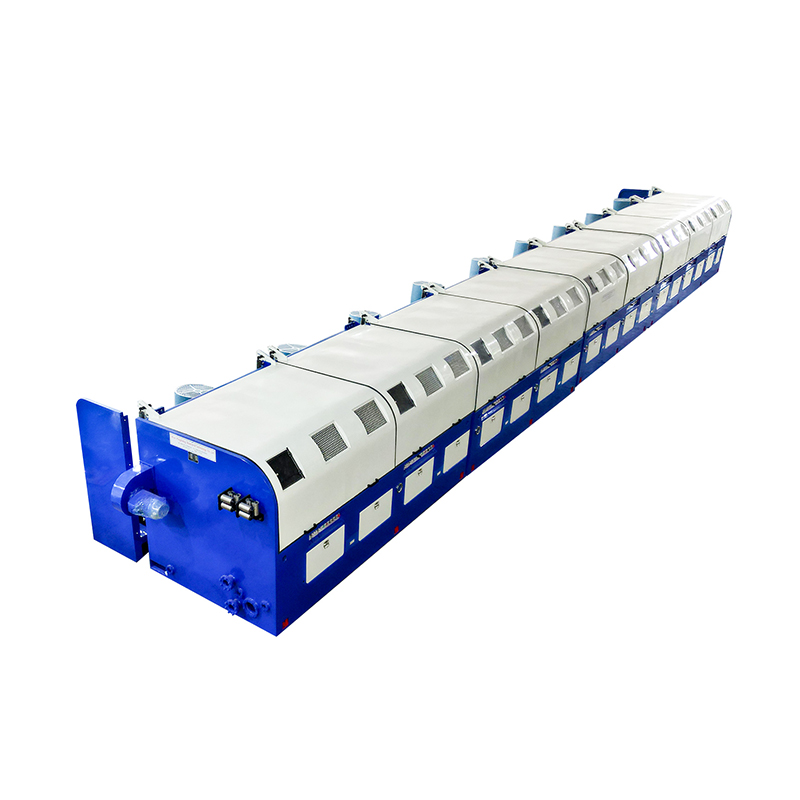
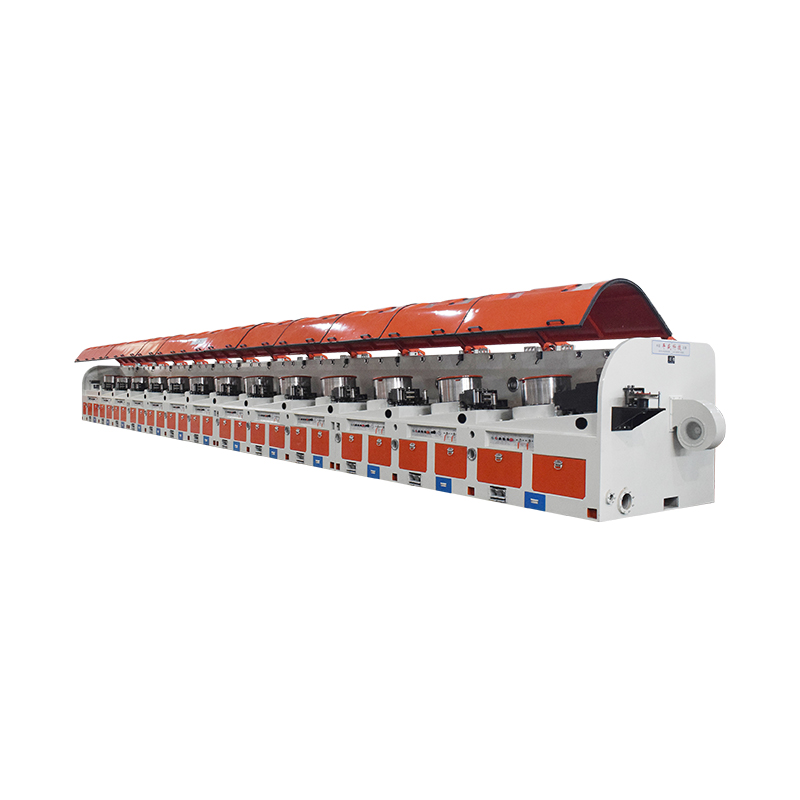
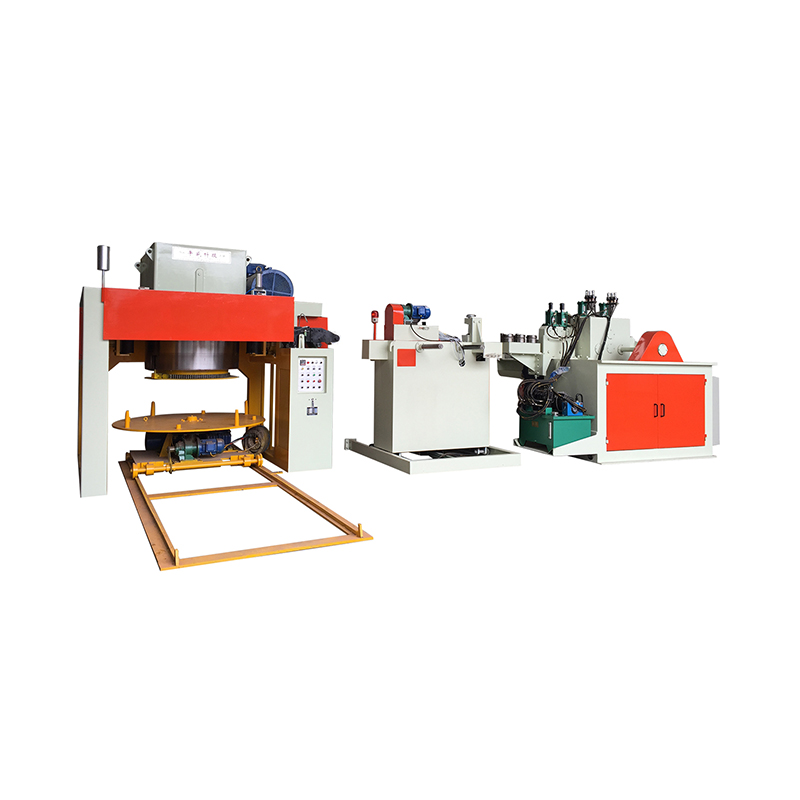
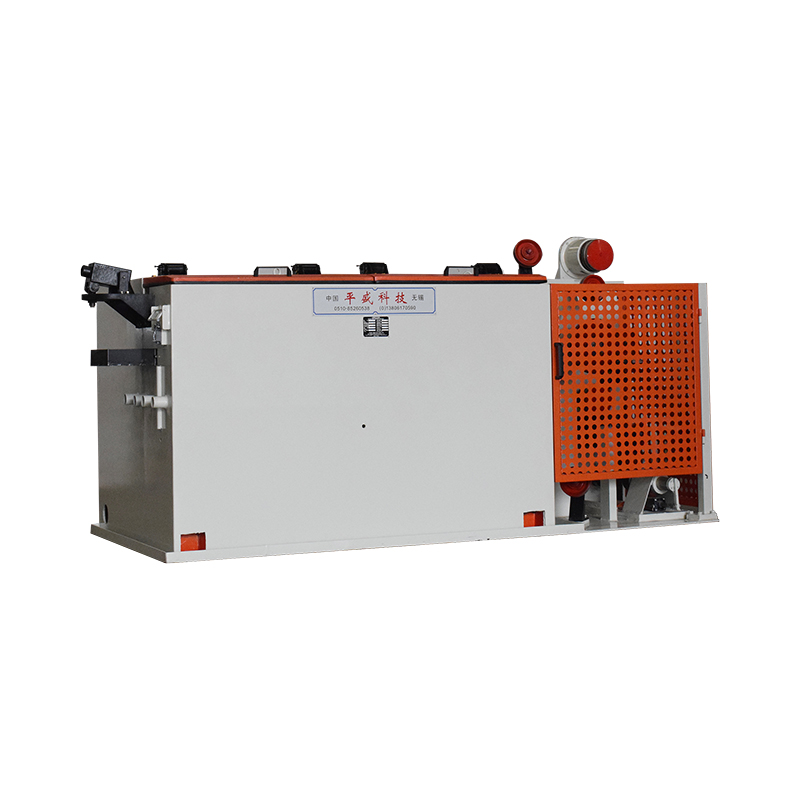
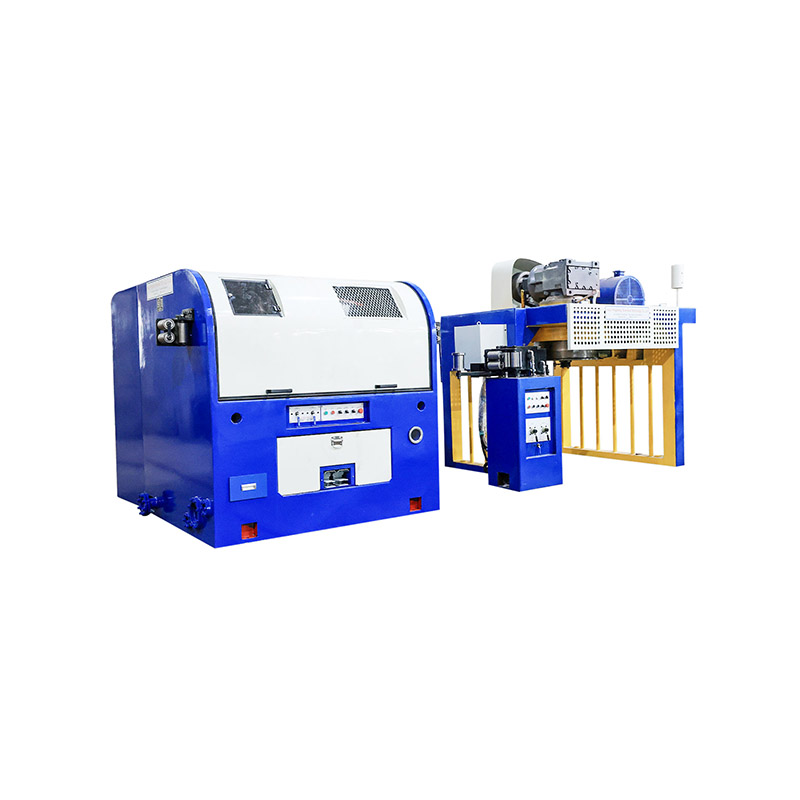
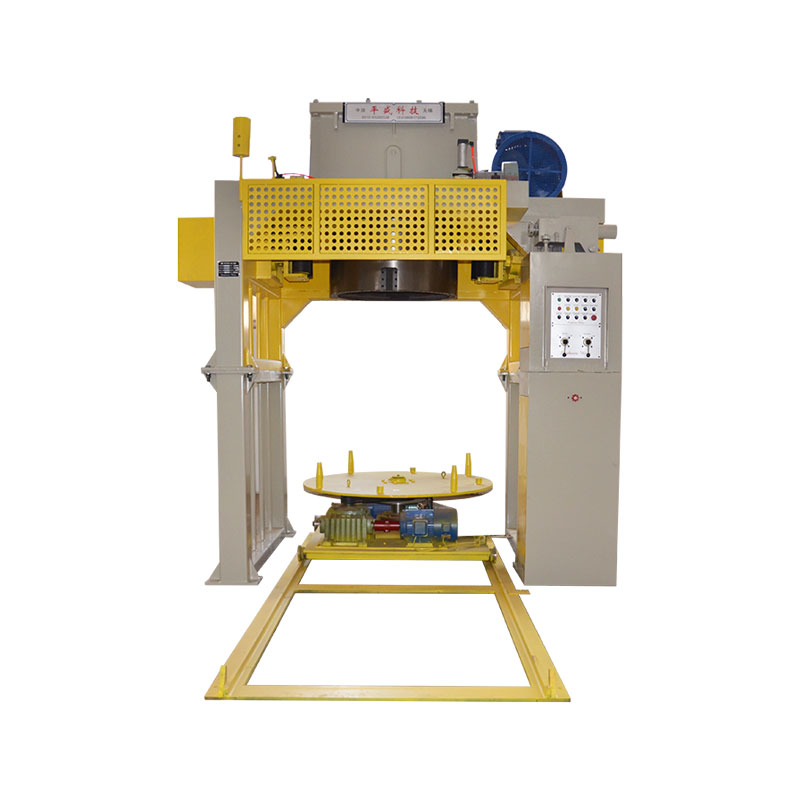
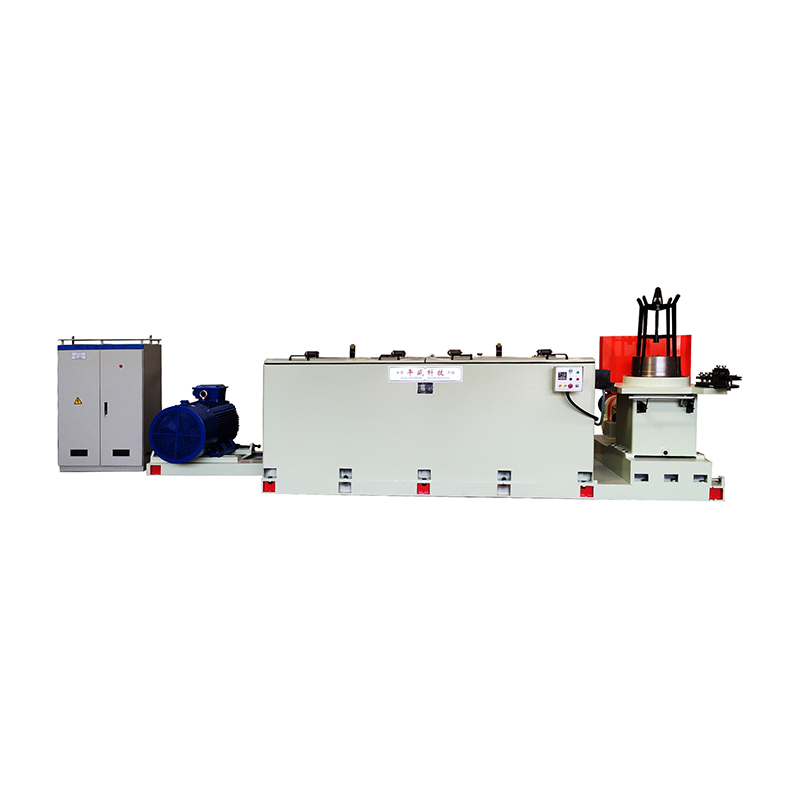
Straight line wire drawing machines are essential equipment in the metalworking industry, designed to reduce the diameter of metal wires while improving surface finish and tensile strength. These machines are widely used in steel, copper, aluminum, and other metal wire production, serving industries such as construction, electronics, automotive, and manufacturing. Choosing the right machine for your production needs is critical for efficiency, quality, and long-term profitability.
This article provides a comprehensive guide to selecting a straight line wire drawing machine, covering key factors such as production capacity, wire material, machine structure, speed, precision, and maintenance considerations.
Understanding Your Production Requirements
Before selecting a wire drawing machine, it is essential to assess your production requirements. Key considerations include:
- Wire diameter range: Identify the minimum and maximum diameters of wires you plan to produce.
- Material type: Consider the metals you will process, such as copper, aluminum, or steel, as each requires different machine configurations.
- Production volume: Estimate daily or monthly output to select a machine with adequate capacity.
- Surface finish and tensile strength requirements: Some applications demand high-quality finishes or specific mechanical properties.
Key Features of Straight Line Wire Drawing Machines
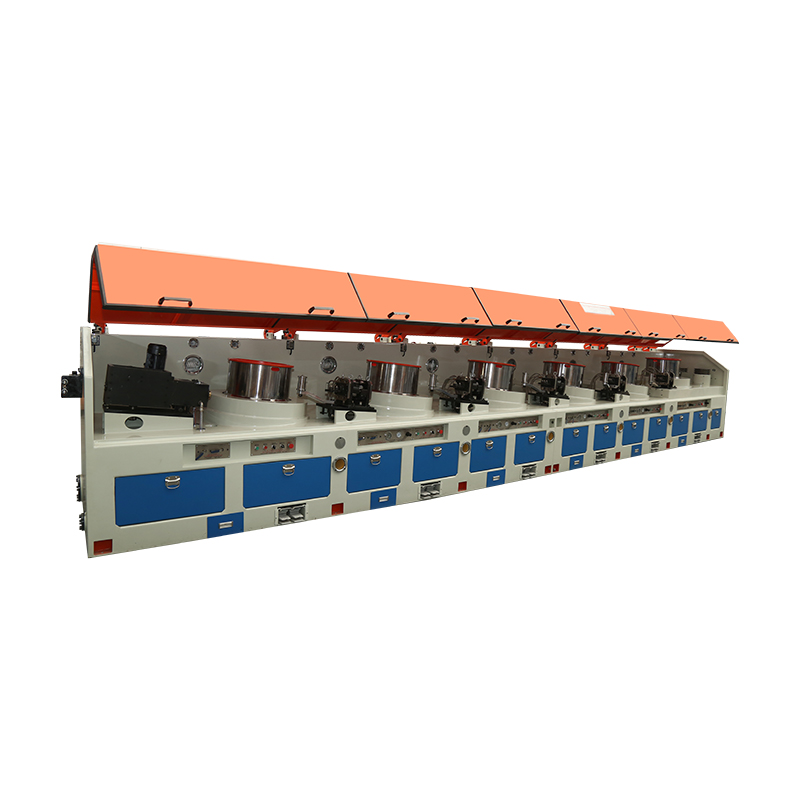
Understanding the critical features of straight line wire drawing machines will help you make an informed choice. These features include:
Machine Structure and Build Quality
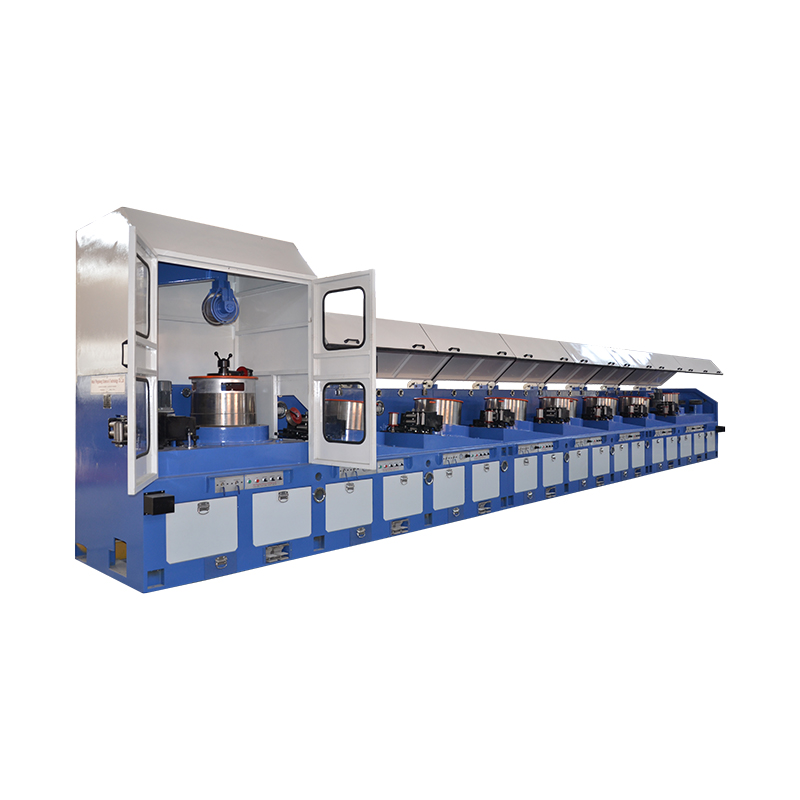
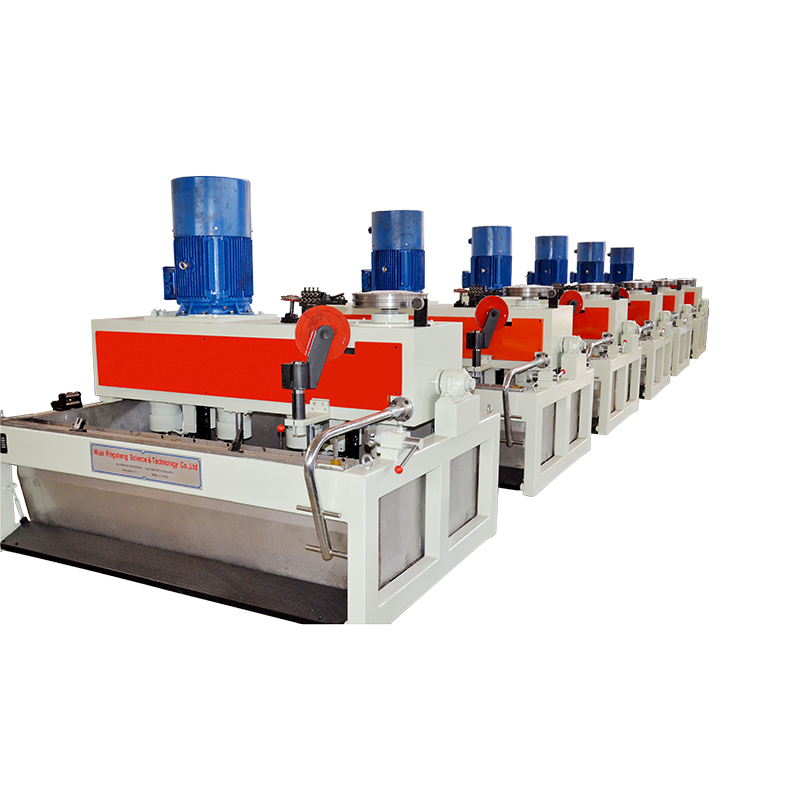
A robust machine frame reduces vibration, improves precision, and ensures long-term durability. Machines with a modular structure allow easier maintenance and upgrades, while precision alignment of die holders ensures consistent wire quality.
Drawing Capabilities and Die Configuration
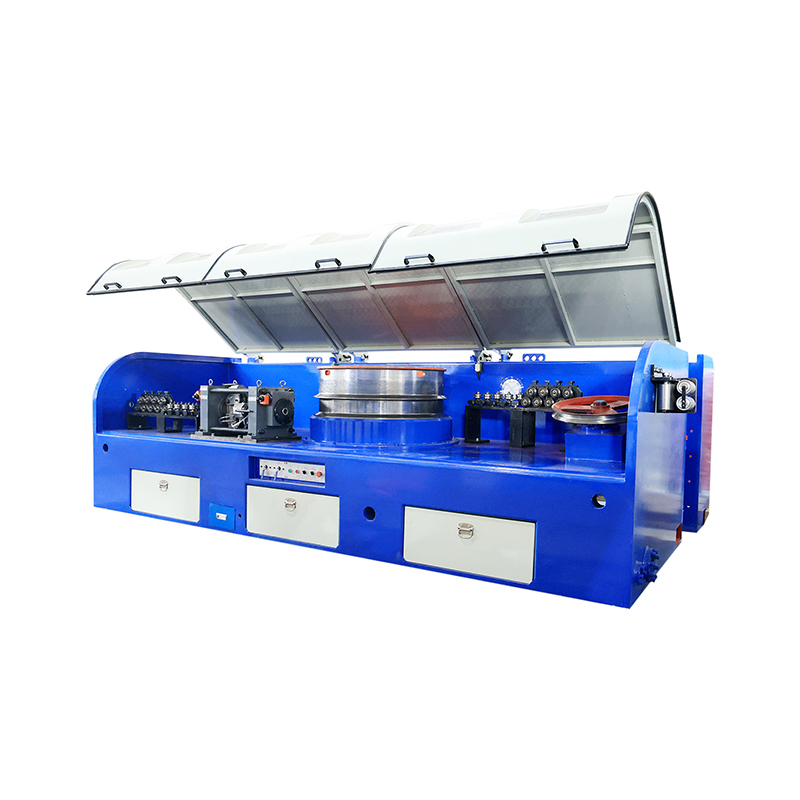
Evaluate the number of dies and their arrangement, as multiple stages may be required for high-reduction processes. Straight line machines typically allow sequential reduction stages to minimize wire stress and maintain mechanical properties.
Motor Power and Speed Control
Motor power determines the maximum wire diameter that can be drawn and the production speed. Machines with adjustable speed control and torque monitoring help optimize performance for different wire materials and diameters.
Cooling and Lubrication Systems
Proper lubrication and cooling are critical to prevent die wear and maintain wire quality. Machines with integrated lubricating systems and cooling water circulation improve operational efficiency and reduce maintenance frequency.
Material Considerations
The type of metal wire you plan to process directly impacts your machine selection. For instance:
- Copper wires require smooth die surfaces and precise tension control to prevent surface defects.
- Aluminum wires benefit from lower drawing forces but need proper cooling to avoid deformation.
- Steel wires demand higher motor power, durable dies, and advanced lubrication systems due to increased hardness and tensile strength.
Production Capacity and Efficiency
Production efficiency is a major factor in selecting a straight line wire drawing machine. Consider the following:
- Number of drawing stages: More stages can improve wire quality and reduce die wear.
- Automatic vs manual operation: Automated machines reduce labor costs and maintain consistent output.
- Energy efficiency: Modern machines with energy-saving motors reduce operating costs over time.
Maintenance and Longevity
Routine maintenance is critical to keep the machine running smoothly and to prevent downtime. Important maintenance aspects include:
- Regular inspection of dies and rollers for wear or damage.
- Lubrication system checks and replenishment of drawing oil or grease.
- Cleaning and alignment adjustments to prevent vibration or wire defects.
- Monitoring motor and electrical components for overheating or performance drop.
Safety Considerations
Safety is a crucial factor in machine selection and operation. Look for machines equipped with:
- Emergency stop buttons and safety interlocks
- Protective covers over moving parts and dies
- Clear operating manuals and operator training
Cost vs Performance Considerations
Selecting the right machine requires balancing upfront cost with long-term operational efficiency. While higher-end machines may have higher initial costs, features such as automation, advanced die systems, and energy efficiency can significantly reduce labor and maintenance expenses over time.
Comparison Table: Key Features to Consider
| Feature | Basic Machine | Advanced Machine |
| Number of Drawing Stages | 3-5 | 6-12 |
| Automation Level | Manual | Fully Automatic |
| Motor Power | Moderate | High |
| Lubrication & Cooling | Basic | Integrated and Advanced |
| Price | Low | High |
Conclusion
Choosing the right straight line wire drawing machine requires careful evaluation of production requirements, material type, machine features, capacity, maintenance, and cost. By analyzing these factors and comparing options, manufacturers can select a machine that maximizes productivity, ensures consistent wire quality, reduces operational costs, and delivers long-term reliability. Investing in the right machine ultimately enhances efficiency and supports the growth of your wire production operations.