
 EN
EN
 English
 Español
 Français
 Português
 عربى
عربى
What Are Auto Wire Pay-Off Machines and How Do They Work?
Content
What Are Auto Wire Pay-Off Machines
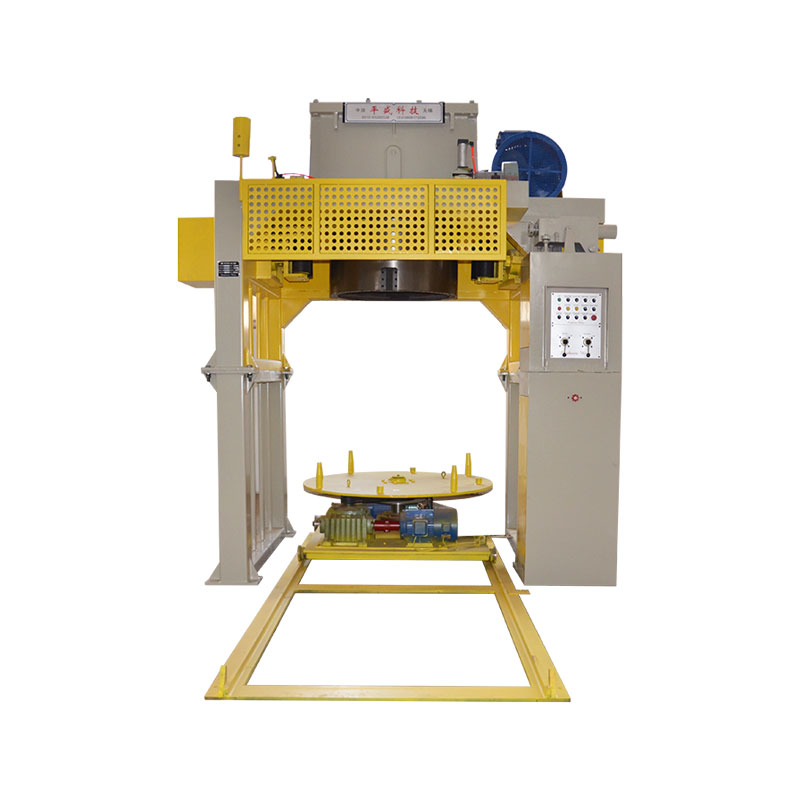
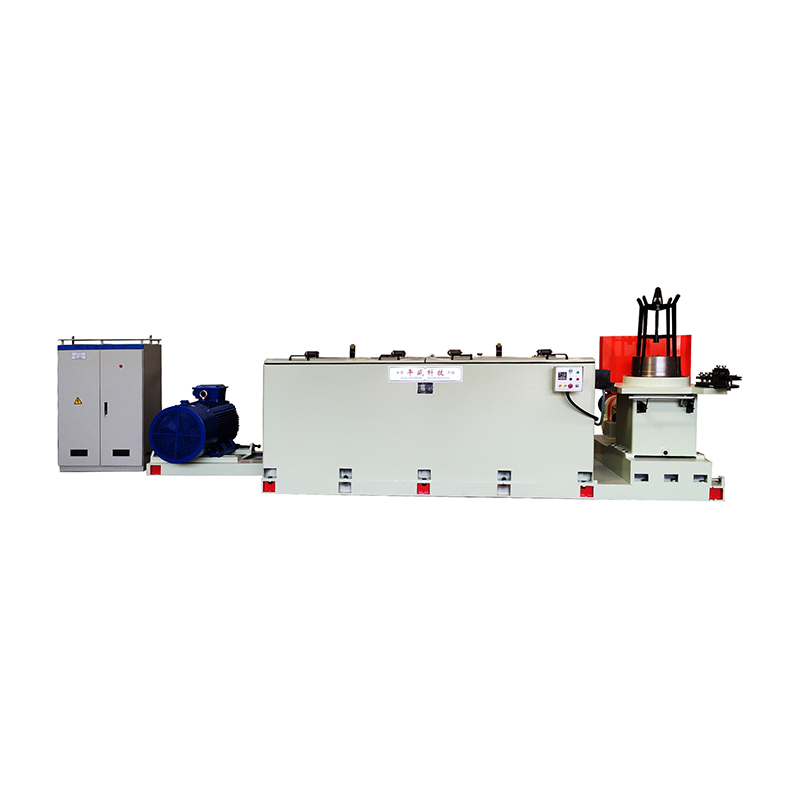
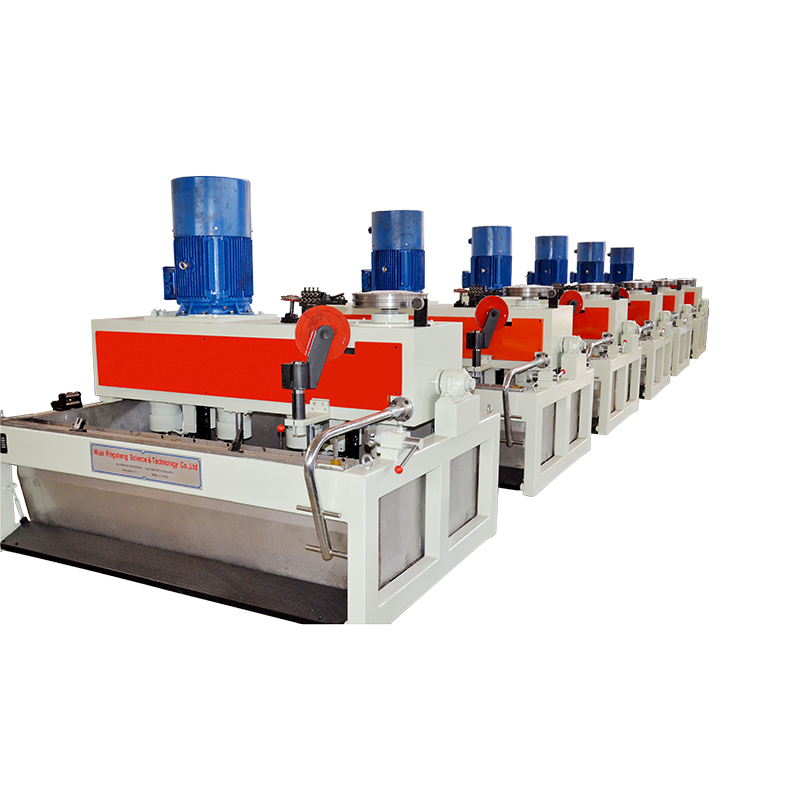
An auto wire pay-off machine is a piece of industrial equipment designed to unwind wire or cable from a spool at a controlled speed and tension, feeding it smoothly into downstream processing equipment such as extruders, stranding machines, or wire drawing systems. Unlike manual pay-off setups, which require an operator to monitor and adjust tension by hand, automated pay-off machines use motorized controls and sensors to maintain consistent tension throughout the entire spool, from full to nearly empty.
This automation is critical in wire and cable manufacturing because inconsistent tension during unwinding can lead to uneven processing, wire breakage, or defects in the final product. By maintaining precise, adjustable tension control, auto pay-off machines help manufacturers achieve consistent quality while also reducing the labor required to monitor the unwinding process manually.
How Tension Control Works
Most auto wire pay-off machines rely on either mechanical braking systems, magnetic powder brakes, or servo motor control to regulate tension as the spool unwinds. Sensors continuously monitor the wire's tension and feed this data back to a control system, which adjusts the braking or motor resistance in real time to keep tension within a specified range, even as the spool diameter changes.
Common Types of Auto Wire Pay-Off Machines
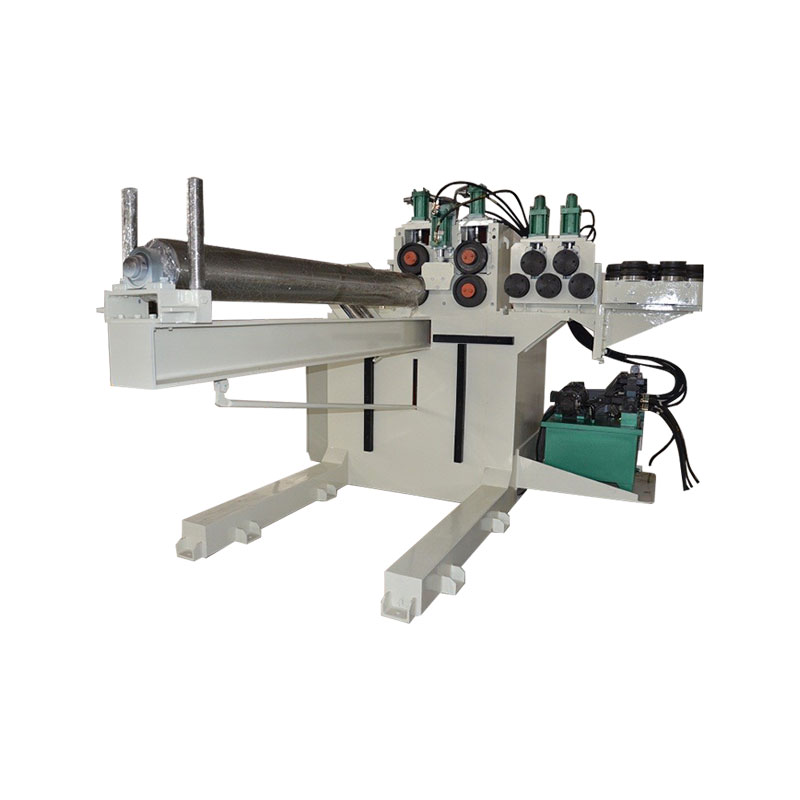
Auto pay-off machines are built in several configurations, each suited to different wire diameters, spool sizes, and production line requirements. Understanding these variations helps manufacturers select equipment that matches their specific production needs.
| Machine Type | Typical Wire Range | Best Suited For |
| Single Spindle Pay-Off | Fine to medium gauge wire | Small-scale production, single-line feeding |
| Double Spindle Pay-Off | Fine to medium gauge wire | Continuous production without stopping for spool changes |
| Cradle-Type Pay-Off | Heavy gauge wire and cable | Large spools, high-volume operations |
| Vertical Pay-Off | Fine gauge wire | Compact facilities with limited floor space |
Choosing Between Single and Double Spindle Configurations
Single spindle machines are generally more affordable and sufficient for operations that can tolerate brief pauses during spool changes, while double spindle machines allow one spool to feed continuously while a second is loaded and prepared, minimizing downtime in high-throughput production environments.
Key Applications of Auto Wire Pay-Off Machines
Auto pay-off machines are integral to numerous stages of wire and cable manufacturing, feeding raw or partially processed wire into equipment that performs further shaping, coating, or bundling.
- Wire drawing operations: Pay-off machines feed raw wire rod into drawing machines that reduce diameter and increase length through successive dies.
- Insulation extrusion: Auto pay-off units supply bare copper or aluminum wire into extruders that apply insulating polymer coatings at controlled speeds.
- Cable stranding: Multiple pay-off machines work together to feed individual wire strands into stranding equipment that twists them into a single cable core.
- Braiding and shielding: Pay-off machines supply wire to braiding equipment that applies protective metallic shielding over insulated conductors.
- Coil winding: Precision pay-off systems feed fine wire into automated coil winding machines used in transformer and motor production.
Benefits of Automating the Pay-Off Process
Switching from manual to automated pay-off systems delivers measurable improvements in both product quality and operational efficiency. Consistent tension control reduces the likelihood of wire breakage, deformation, or surface damage that can occur when tension fluctuates during manual unwinding.
Automated systems also reduce labor costs by eliminating the need for a dedicated operator to continuously monitor and adjust tension throughout a production run. Many modern auto pay-off machines include programmable logic controllers that allow operators to save tension profiles for different wire types, making it faster to switch between production runs without manual recalibration.
Reducing Downtime With Spool Detection Sensors
Many auto pay-off machines include sensors that detect when a spool is nearing empty, allowing operators to prepare a replacement in advance or triggering an automatic switch on double spindle systems. This proactive detection minimizes unplanned stoppages that can disrupt continuous production schedules.
Tips for Selecting the Right Auto Wire Pay-Off Machine
When evaluating auto wire pay-off machines, matching the equipment's tension range and spool capacity to the specific wire gauges and production volumes used in your facility is essential to avoid performance mismatches. Machines rated for heavier cable may not provide the fine tension control needed for delicate fine-gauge wire, while lighter-duty machines may struggle with the weight and unwinding demands of large industrial spools.
Buyers should also consider integration compatibility with existing production lines, including control system communication protocols and physical footprint requirements. Working with a supplier that offers technical support and readily available replacement parts can significantly reduce long-term maintenance costs and minimize downtime if equipment issues arise during operation.