
 EN
EN
 English
 Español
 Français
 Português
 عربى
عربى
Choosing And Maintaining A Wire Drawing Machine Improves Production Efficiency
Content
- 1 Understanding How Wire Drawing Machines Work
- 2 Main Types Of Wire Drawing Machines
- 3 Key Factors To Consider When Selecting A Wire Drawing Machine
- 4 Evaluating Machine Automation And Control Systems
- 5 Routine Maintenance Practices For Wire Drawing Machines
- 6 Common Problems And Troubleshooting Tips
- 7 Working With Equipment Suppliers For Long-Term Support
Understanding How Wire Drawing Machines Work
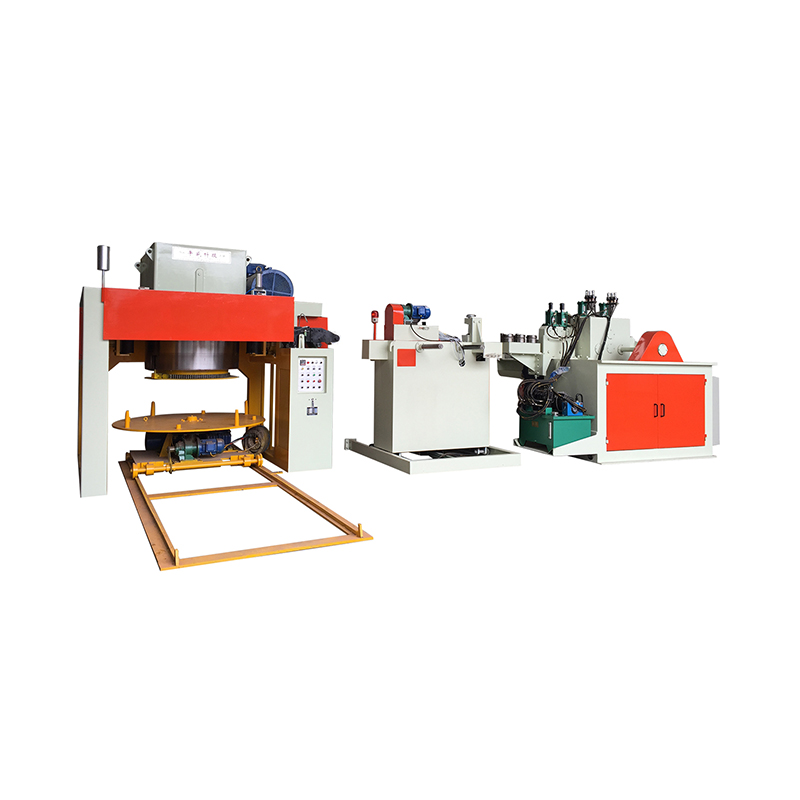
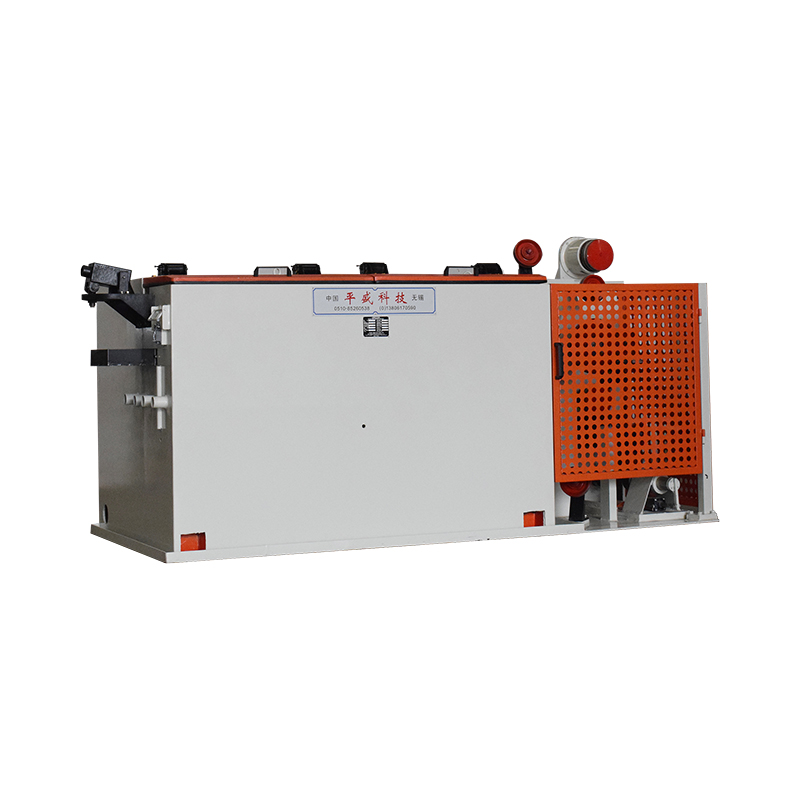
A wire drawing machine reduces the diameter of metal wire by pulling it through a series of progressively smaller dies, elongating the material while increasing its tensile strength through cold working. This process is fundamental to producing wire used in cables, fasteners, springs, and countless other industrial products. As the wire passes through each die, friction and deformation generate significant heat, which is why most machines incorporate cooling and lubrication systems to protect both the wire and the dies from damage.
The choice of wire drawing machine directly affects production speed, wire quality, and operating cost, making it one of the more consequential equipment decisions for wire manufacturers. Machines vary significantly in configuration, automation level, and capacity, so understanding the available options helps buyers match equipment to their specific production requirements rather than defaulting to the most common or most advertised model.
Main Types Of Wire Drawing Machines
Wire drawing machines are generally categorized by their die arrangement and the way wire tension is managed during the drawing process. Each configuration offers distinct advantages depending on wire size, material, and desired output speed.
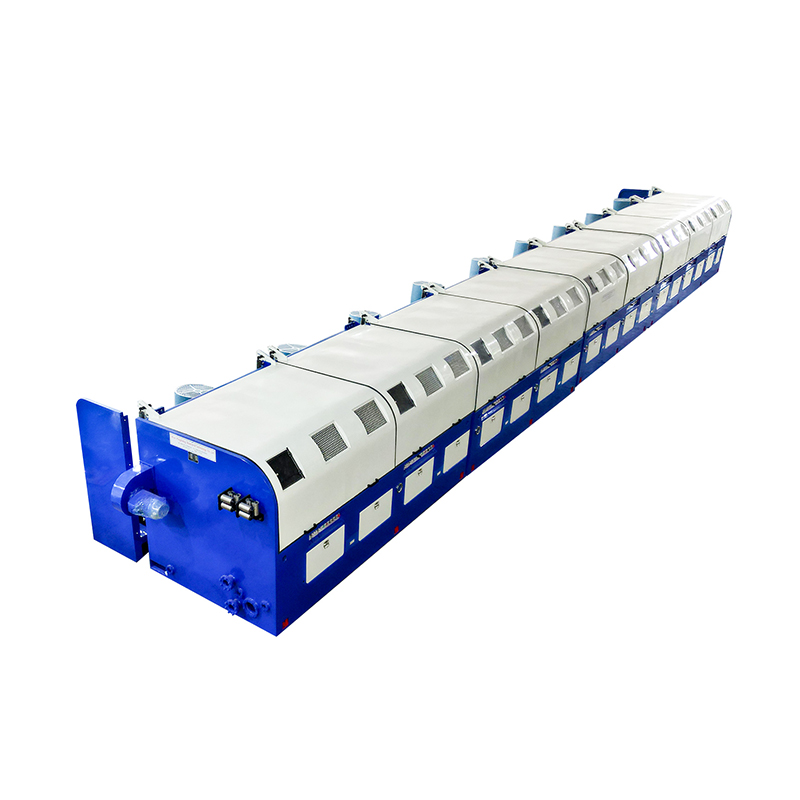
Single Block Wire Drawing Machine
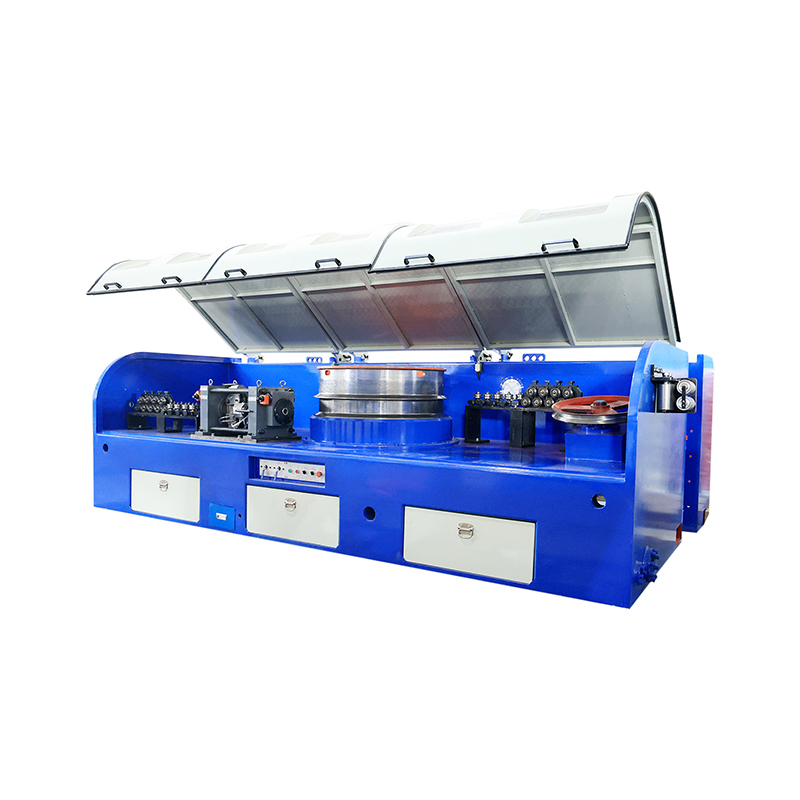
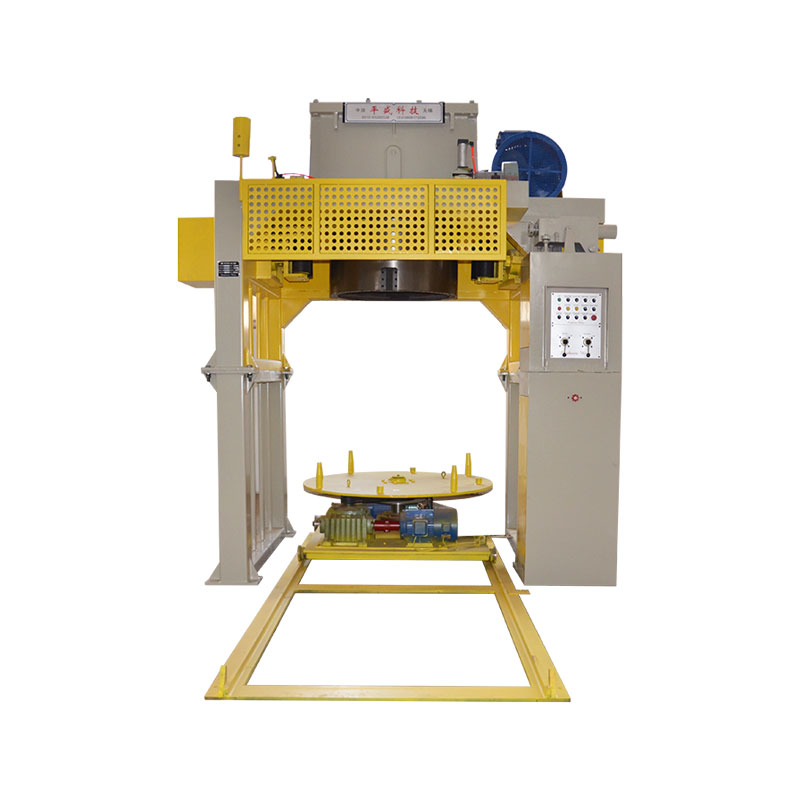
Single block machines draw wire through one die at a time, making them simpler to operate and maintain. This configuration is often used for smaller production runs, specialty wire, or facilities where flexibility to switch between wire sizes and materials is more important than maximum throughput.
Multi-Die (Continuous) Wire Drawing Machine
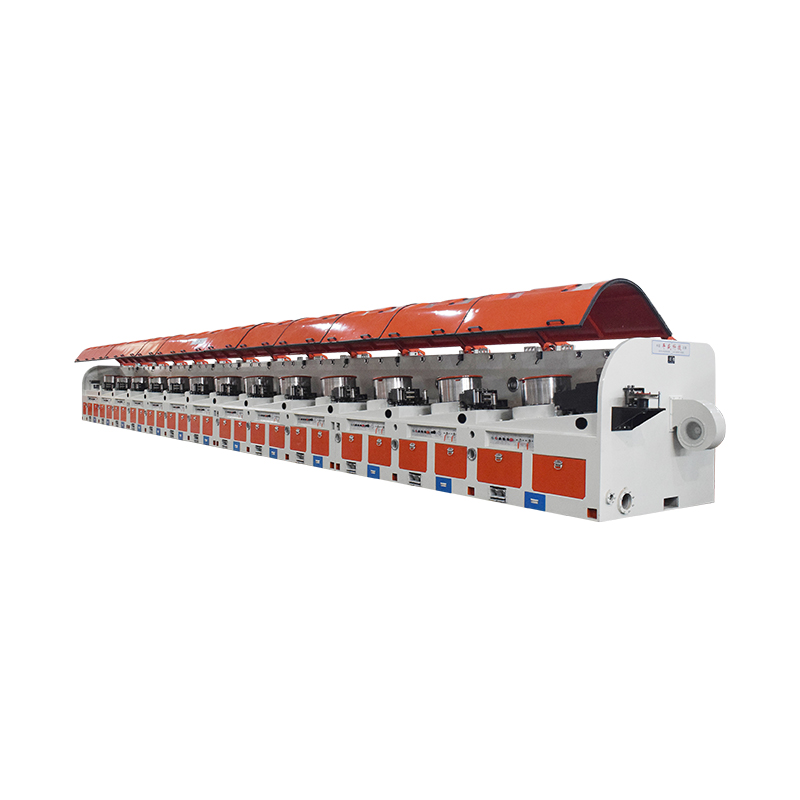
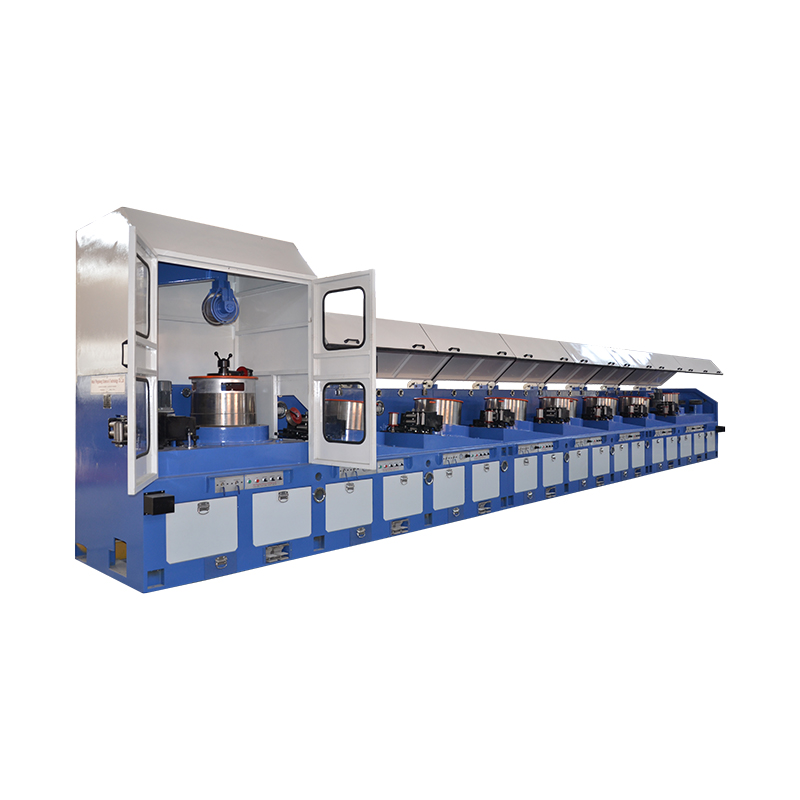
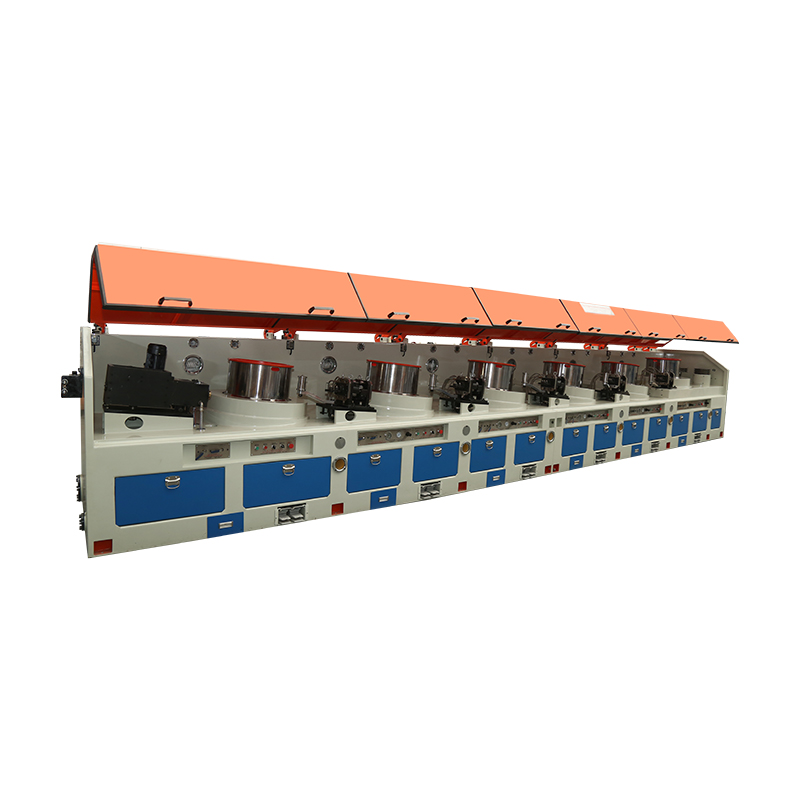
Multi-die machines pass wire through several dies in sequence within a single continuous process, significantly increasing production speed and reducing labor requirements per unit of output. These machines are standard in high-volume wire production facilities, particularly for producing standard gauge wire used in construction, electrical, and general industrial applications.
Fine Wire Drawing Machine
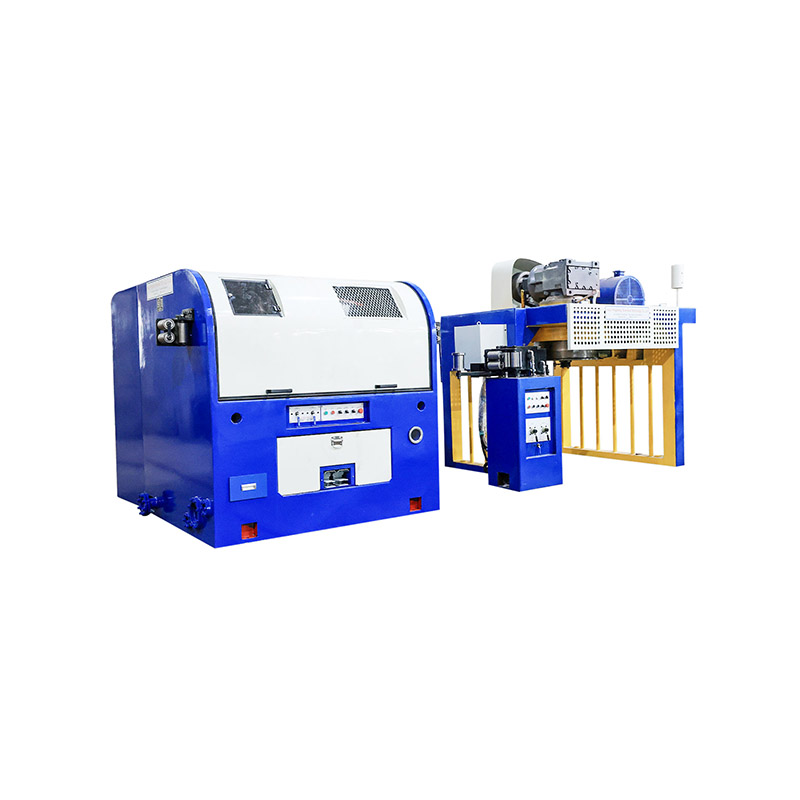
Fine wire drawing machines are designed for extremely thin wire, often used in electronics, medical devices, and precision instruments. These machines require tighter tolerances and more precise tension control, since even minor inconsistencies can cause wire breakage at such small diameters.
| Machine Type | Best For | Production Volume |
| Single Block | Specialty, small batch wire | Low to medium |
| Multi-Die Continuous | Standard gauge wire | High |
| Fine Wire | Electronics, medical wire | Medium |
Key Factors To Consider When Selecting A Wire Drawing Machine
Choosing the right wire drawing machine requires evaluating several technical and operational factors beyond the basic machine type. Overlooking any of these considerations can lead to reduced efficiency, increased maintenance needs, or wire quality issues down the line.
- Wire material and starting diameter, since different metals such as copper, aluminum, and steel require different die materials, drawing speeds, and lubrication systems.
- Target finished wire diameter and tolerance requirements, which determine how many drawing passes and dies the process will need.
- Required production capacity, since undersized equipment can create bottlenecks while oversized machines increase unnecessary capital and energy costs.
- Available floor space and facility power supply, particularly for multi-die continuous machines that require more physical footprint and electrical capacity.
- Cooling and lubrication system design, since inadequate heat management can shorten die life and cause wire surface defects.
- Level of automation, including features such as automatic spooling, tension control, and breakage detection, which reduce labor requirements and downtime.
Evaluating Machine Automation And Control Systems
Modern wire drawing machines vary widely in their level of automation, from basic mechanical controls to fully integrated systems with programmable logic controllers (PLCs) and real-time monitoring. Automated tension control systems continuously adjust drawing speed and pulling force to maintain consistent wire quality, which is particularly important when working with materials that have variable hardness or when producing wire with tight dimensional tolerances.
Machines equipped with automatic breakage detection can immediately stop the drawing process when a wire break occurs, preventing damage to dies and reducing wasted material. For facilities running multiple shifts or operating with limited technical staff, investing in higher automation levels often pays for itself through reduced downtime and more consistent output quality, even though the upfront equipment cost is higher.
Routine Maintenance Practices For Wire Drawing Machines
Regular maintenance is essential for keeping a wire drawing machine operating efficiently and avoiding unplanned downtime. Establishing a consistent maintenance schedule helps identify wear and potential failures before they disrupt production.
Die Inspection And Replacement
Dies experience continuous wear from friction during the drawing process, and worn dies can cause dimensional inconsistencies or surface defects in the finished wire. Operators should inspect dies regularly for signs of wear, such as an enlarged bore or rough interior surface, and replace them according to the manufacturer's recommended service intervals rather than waiting for visible quality problems to appear.
Lubrication System Maintenance
The lubrication system reduces friction and heat between the wire and the die surface, and contaminated or depleted lubricant can accelerate die wear and increase the risk of wire breakage. Lubricant levels and quality should be checked daily during active production, with full lubricant changes performed according to the machine manufacturer's guidelines or sooner if contamination is observed.
Bearing And Drive System Care
Bearings and drive components experience continuous mechanical stress and require periodic lubrication and inspection to prevent premature failure. Unusual noise, vibration, or heat from bearing housings often indicates a developing problem that should be addressed promptly to avoid more significant mechanical damage or unexpected production stoppages.
Common Problems And Troubleshooting Tips
Even well-maintained wire drawing machines can experience operational issues, and recognizing common problems early helps minimize their impact on production.
- Frequent wire breakage often points to excessive drawing speed, worn dies, or inconsistent wire material quality entering the process.
- Surface defects or scratches on finished wire typically indicate die wear, insufficient lubrication, or misalignment within the die box.
- Inconsistent wire diameter may result from tension control problems, worn dies, or fluctuations in incoming wire quality.
- Excessive machine vibration can signal bearing wear, misalignment, or an imbalance in rotating components that requires prompt inspection.
Keeping detailed maintenance and production logs makes it easier to identify recurring patterns behind these issues, allowing maintenance teams to address root causes rather than repeatedly treating the same symptoms.
Working With Equipment Suppliers For Long-Term Support
Selecting a wire drawing machine is only the first step in a long-term equipment relationship, and the availability of manufacturer support can significantly affect total cost of ownership. Buyers should confirm what technical support, spare parts availability, and training resources a supplier offers before finalizing a purchase, since these factors directly influence how quickly issues can be resolved when they arise.
Requesting detailed technical documentation, including maintenance schedules and recommended spare parts lists, allows facilities to plan preventive maintenance more effectively from the moment a new machine is installed. Suppliers who provide clear installation guidance and initial operator training also help reduce the learning curve and minimize the risk of early operational errors that could shorten equipment lifespan.
By carefully matching machine type and specifications to production needs, and by committing to consistent maintenance practices from day one, wire manufacturers can maximize equipment uptime, maintain consistent product quality, and extend the operational life of their wire drawing machines well beyond typical service expectations.