
 EN
 English
 Español
 Français
 Português
 عربى

OTO Pulley Type Wire Drawing Machine Factory: What to Check Before You Buy
Content
- 1 What an OTO Pulley Type Machine Actually Does
- 2 Why the Factory Itself Matters More Than the Brochure
- 3 The Details That Decide Whether a Machine Runs Well for Ten Years
- 4 Comparing Two Quotations Side by Side
- 5 Questions Worth Asking Before You Sign
- 6 Matching the Machine to Your Wire and Your Line
- 7 Delivery, Installation and the Costs That Arrive Later
- 8 How We Usually Handle an Inquiry
Sourcing an OTO pulley type wire drawing machine from a factory sounds straightforward until you are staring at three quotations that look almost identical on paper. The real differences usually sit where a specification sheet does not reach: how the drums are machined, how the dies are cooled, whether the control panel was wired by the same team that assembled the frame, and who picks up the phone two years after delivery. We have spent decades building drawing equipment in Wuxi, and this is roughly the conversation we have with first-time buyers before anything is signed.
What an OTO Pulley Type Machine Actually Does
A pulley type machine, often described as slip type, pulls wire through a sequence of dies, and each pass is taken by its own rotating drum or pulley. Because the wire is allowed to slip on the drum, the machine is far more forgiving of small differences between drum speed and wire speed than a strictly synchronized line. That is why this layout is commonly chosen for low and medium carbon steel wire, galvanized wire, copper and similar materials, where steady output, quick die changes and sensible capital cost matter more than the highest possible line speed.
You will see OTO used in model naming across the industry. What actually decides whether a machine suits you is the number of drums, drum diameter, motor sizing, cooling arrangement and control scheme behind the label, not the label itself. Ask for those numbers in writing and compare them side by side.
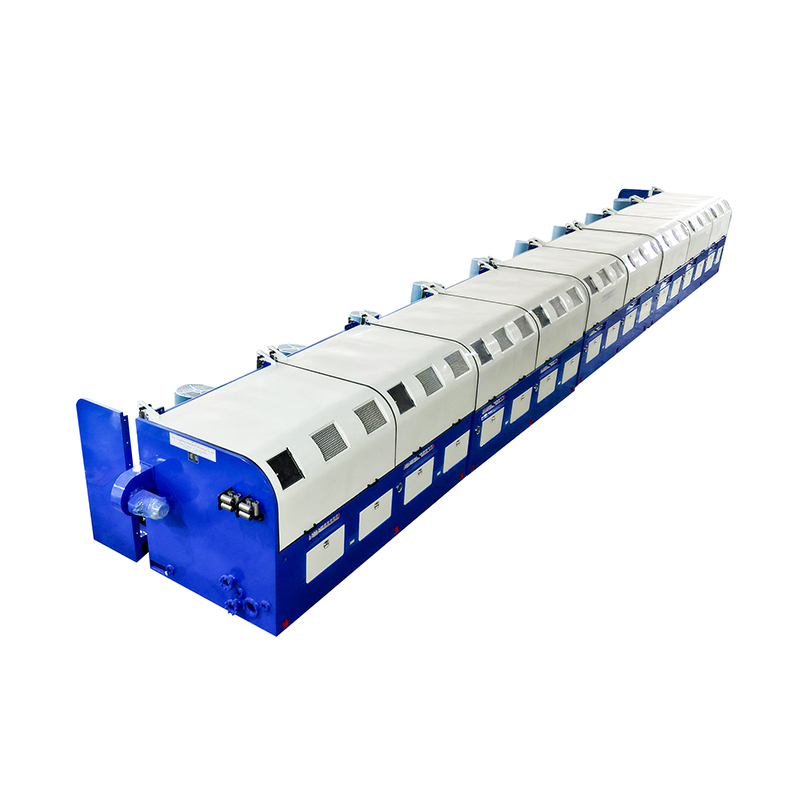
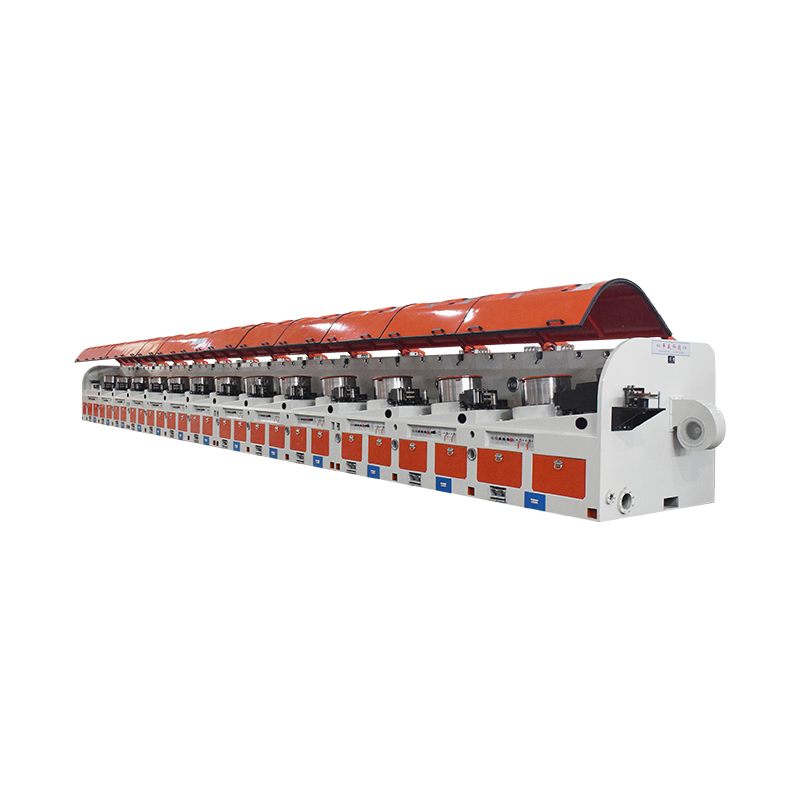
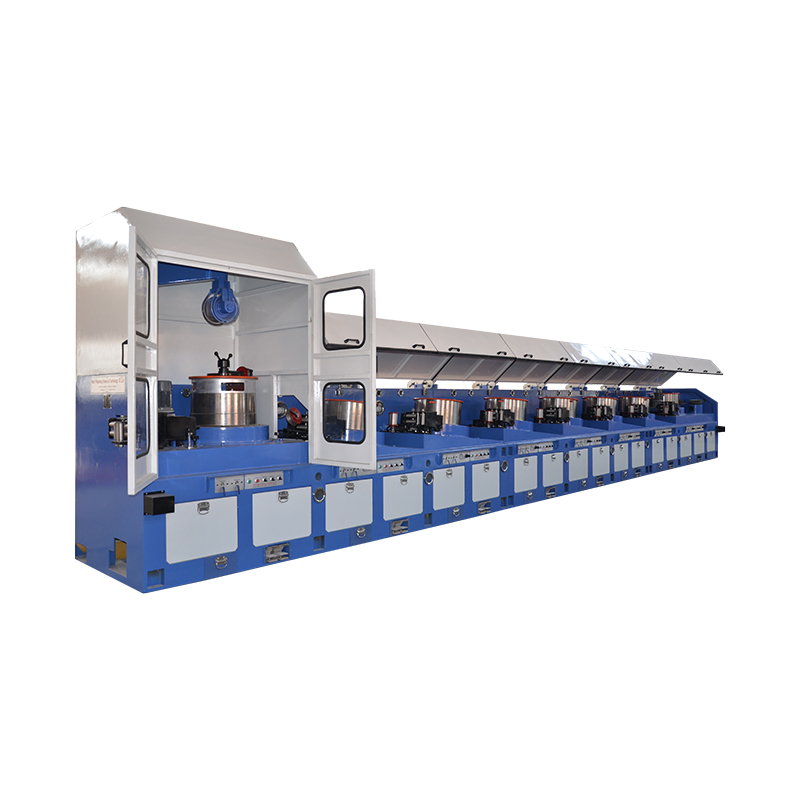
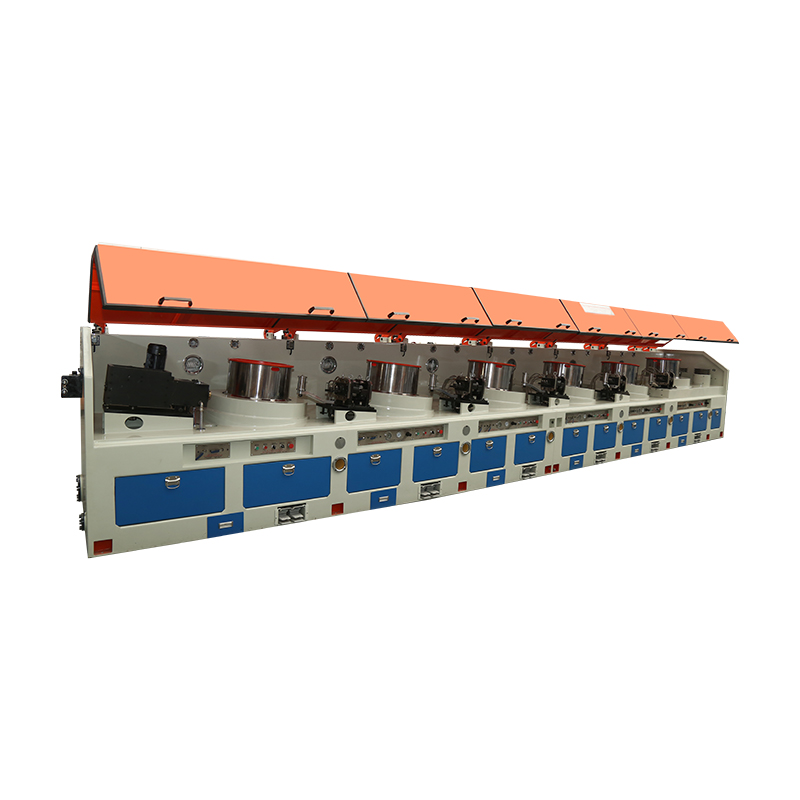
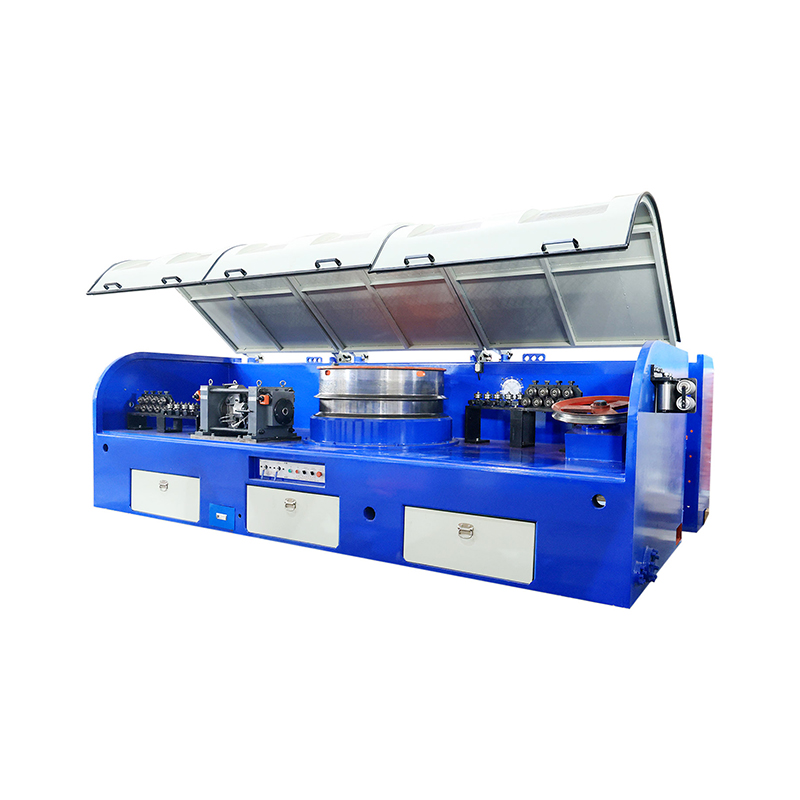
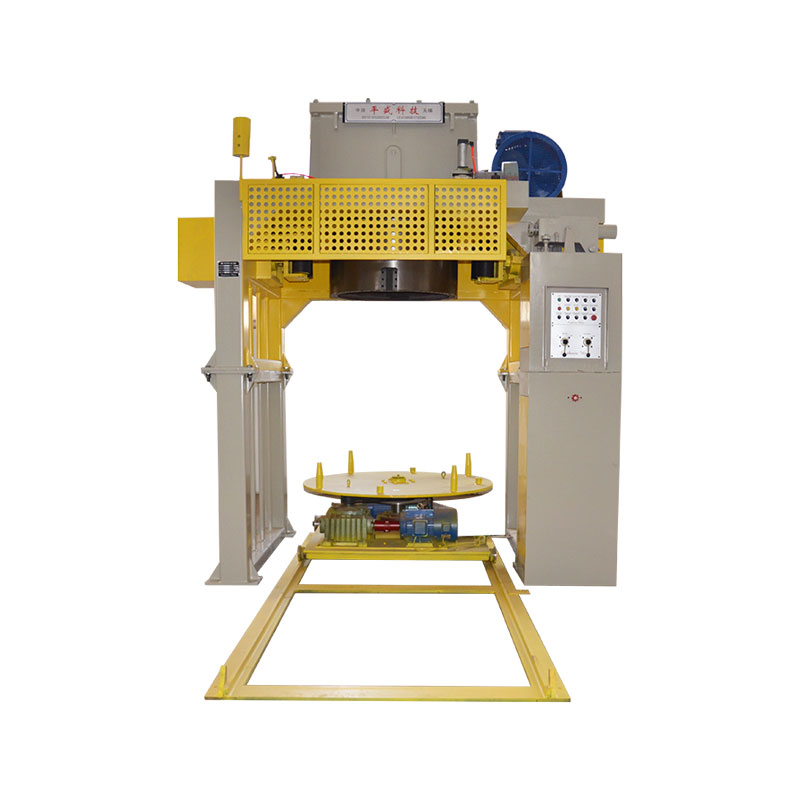
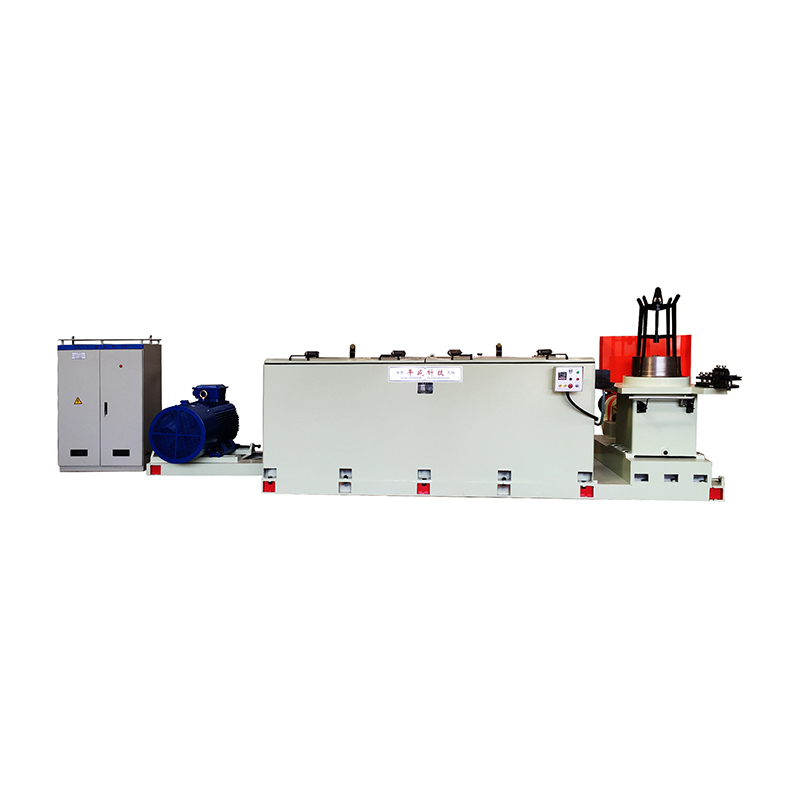
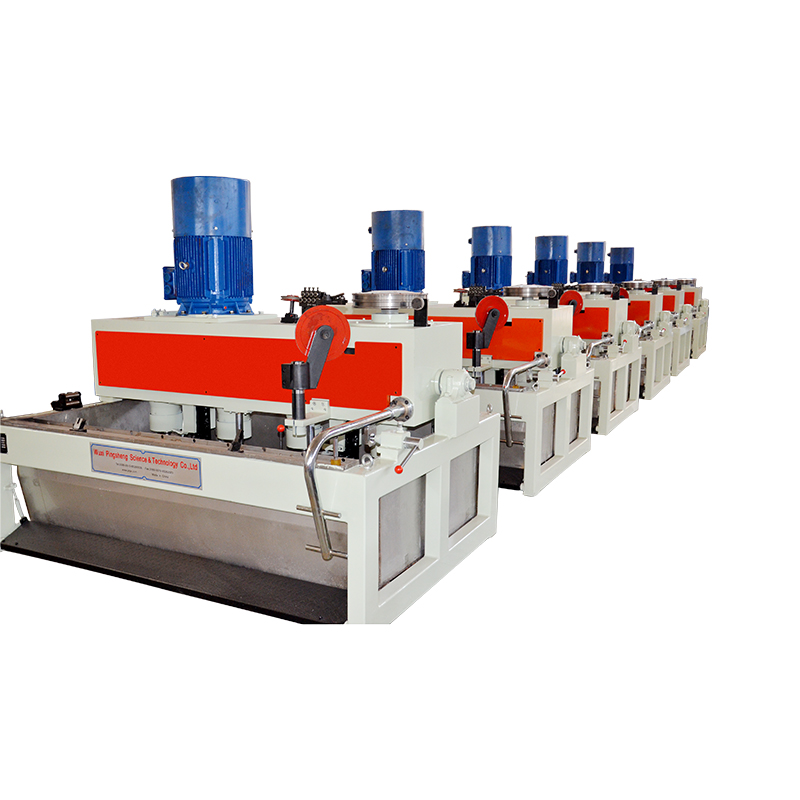
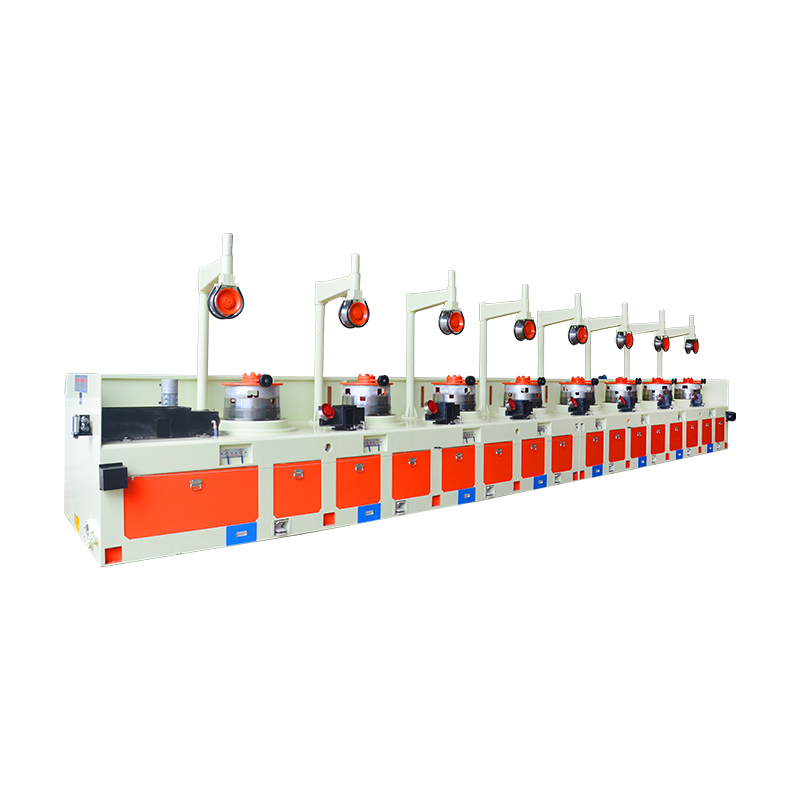 OTO Pulley Type Wire Drawing MachineCompare drum count, diameter, motor sizing, cooling and controls, and check build traceability for long-term maintenance and replacement parts.View Product →
Why the Factory Itself Matters More Than the Brochure
A machine built by the people who designed it behaves differently from one assembled to somebody else's drawings. In a real factory you can trace the frame from welding and machining through to assembly, wiring, no-load running and a loaded test with your own wire. That matters later, when a bearing, a die holder or a contactor needs replacing and someone has to know exactly what went into the machine.
Our own history goes back to 1985, and more than thirty years of continuous building has left us with a fairly wide catalogue: straight line, wet, inverted vertical and combined drawing machines, plus payoff units, take-up units and surface treatment equipment. For a buyer, the practical benefit is that the drawing block and the equipment either side of it can be matched in one place instead of being stitched together from three suppliers.
The Details That Decide Whether a Machine Runs Well for Ten Years
Frame, drums and die holders
Ask how the frame is stress relieved after welding, what the drum runout tolerance is, and how the die holders are aligned and retained. These are unglamorous questions, but drum balance and die alignment control wire surface quality and die life far more than a glossy paint finish does. Roller and drum material choice deserves the same scrutiny, since it drives wear rates and maintenance intervals.
Drives and control
Most modern machines pair AC motors with variable frequency drives and a PLC that handles acceleration ramps, tension and fault handling. Our own machines are built with electronic control configurations and make broad use of numerical control and intelligent methods, which is where much of the productivity gain comes from. When you compare offers, ask which drives are used, whether parameters can be stored per product, what happens on a power dip, and how diagnostics are displayed to the operator.
Cooling, lubrication and die life
Slip type drawing generates heat at every pass. Emulsion or saponification solution concentration, flow rate, tank temperature and filtration all affect wire finish and die consumption. A factory that can explain its cooling design in numbers, not adjectives, usually understands the process as well as the steelwork.
Take-up and payoff integration
A perfectly built drawing block will still disappoint if the payoff drags and the take-up spools unevenly. Tension control, traversing accuracy and spool changeover time belong in the same conversation as the drawing machine, not a separate one after installation.
Comparing Two Quotations Side by Side
When offers arrive in different formats, force them onto one page using the same rows. The table below is the version we suggest to buyers who are weighing several factories at once.
| What to compare | Why it matters | What to ask for |
|---|---|---|
| Drum count and diameter | Sets the reduction per pass and the wire range the machine can hold | Drawing showing pass schedule and drum dimensions |
| Motor and drive package | Determines speed stability, torque at start-up and energy use | Motor rating, drive brand, control philosophy |
| Die cooling and lubrication | Directly affects die life, wire finish and downtime | Tank volume, pump capacity, filtration, temperature control |
| Take-up and payoff | Poor tension control shows up as uneven spooling and rejected coils | Spool sizes, tension method, traversing accuracy |
| Spares and documentation | Determines how quickly you recover from a breakdown | Recommended spares list, drawings, manual language |
Questions Worth Asking Before You Sign
- Can you run my wire material on the machine before shipment, and share the test report?
- What inlet and finished diameter range does this configuration cover, and at what line speed?
- Which components are bought in, and which are made in your own workshop?
- What is the realistic delivery time, including any imported parts?
- Who handles installation and operator training, and in what language?
- What spare parts do you recommend for the first two years of operation?
Matching the Machine to Your Wire and Your Line
Start from the material: grade, tensile strength and surface condition. Then confirm the inlet diameter, the finished diameter, and the total reduction you need per pass. From there the drum count and motor sizing follow naturally, and line speed becomes a consequence rather than a wish. Coil or spool weight, available floor space and the plant's power supply complete the picture, and they often reshape a first proposal more than buyers expect.
Upstream, a payoff unit with predictable braking keeps tension stable and prevents the drawing block from fighting the coil.
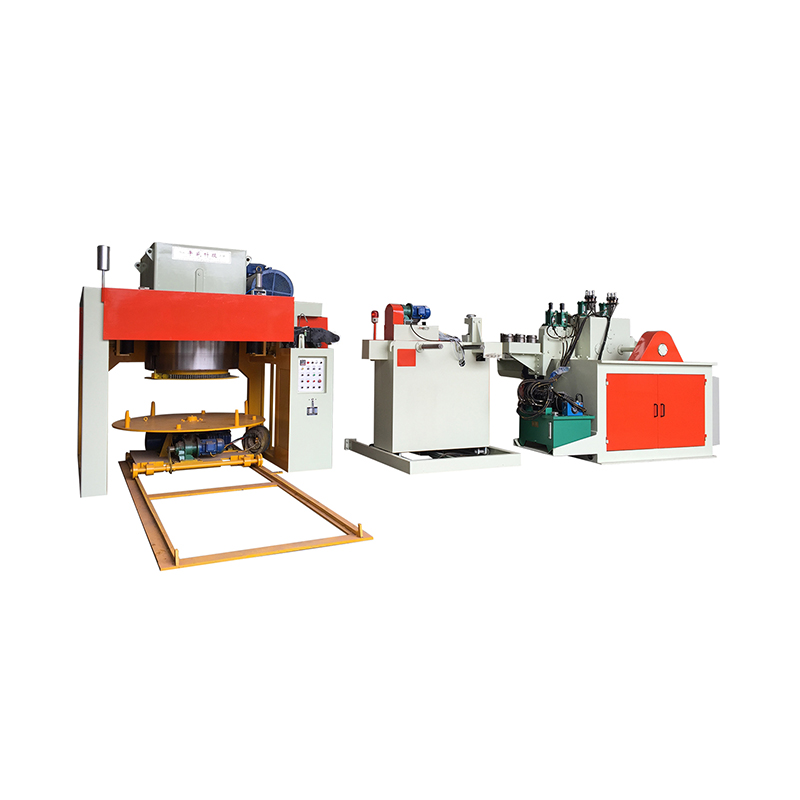
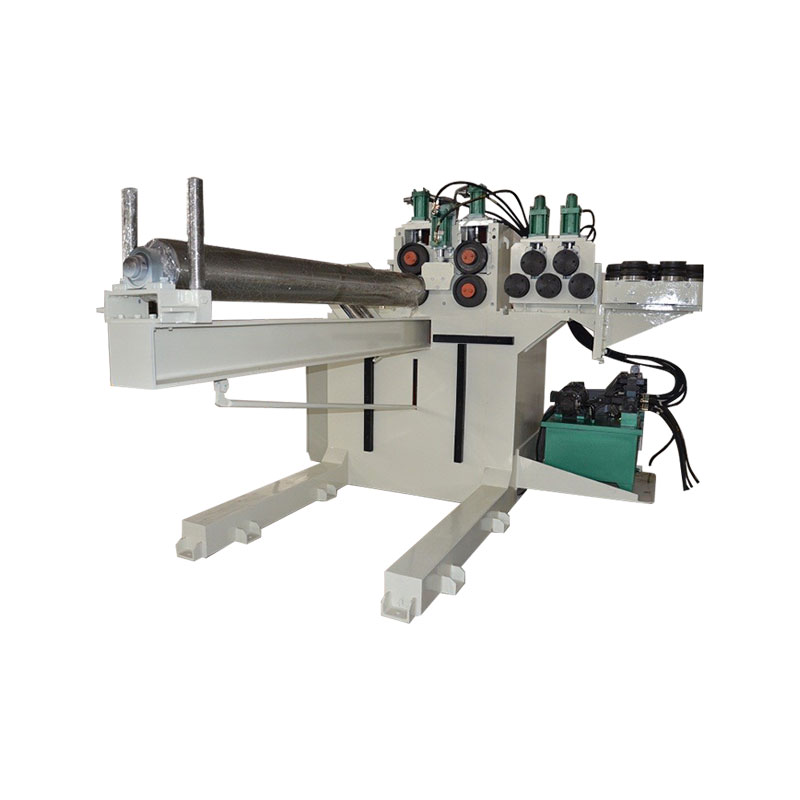 Wire Pay-Off Machines for Drawing LinesReview payoff types and adjustable speed and tension options to keep upstream wire supply stable before drawing.View Product →
Downstream, the take-up decides how the finished wire is presented to your customers, so spool type, traversing and tension control should be agreed together with the drawing machine.
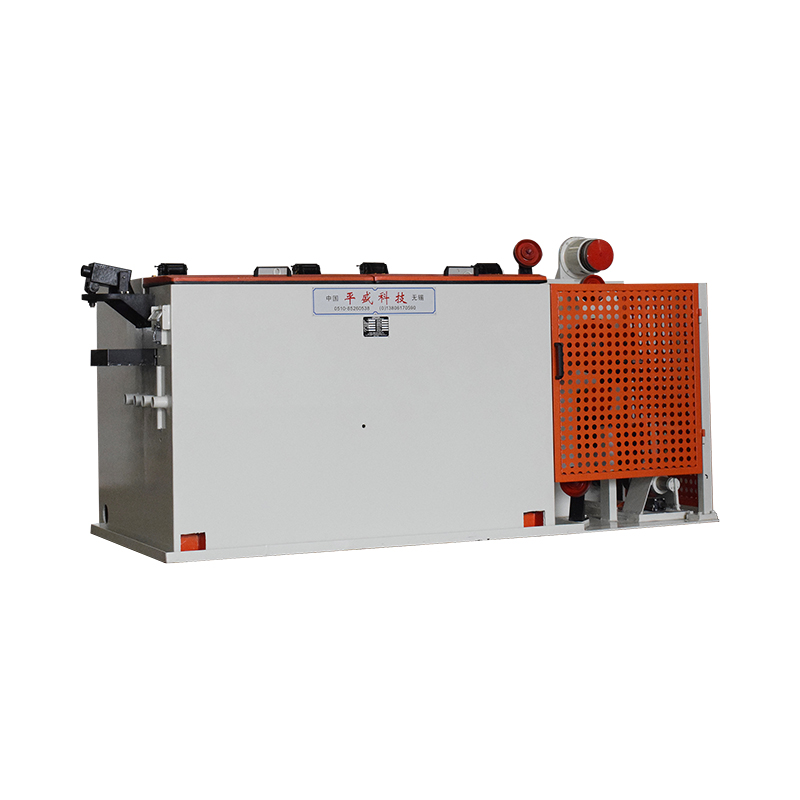
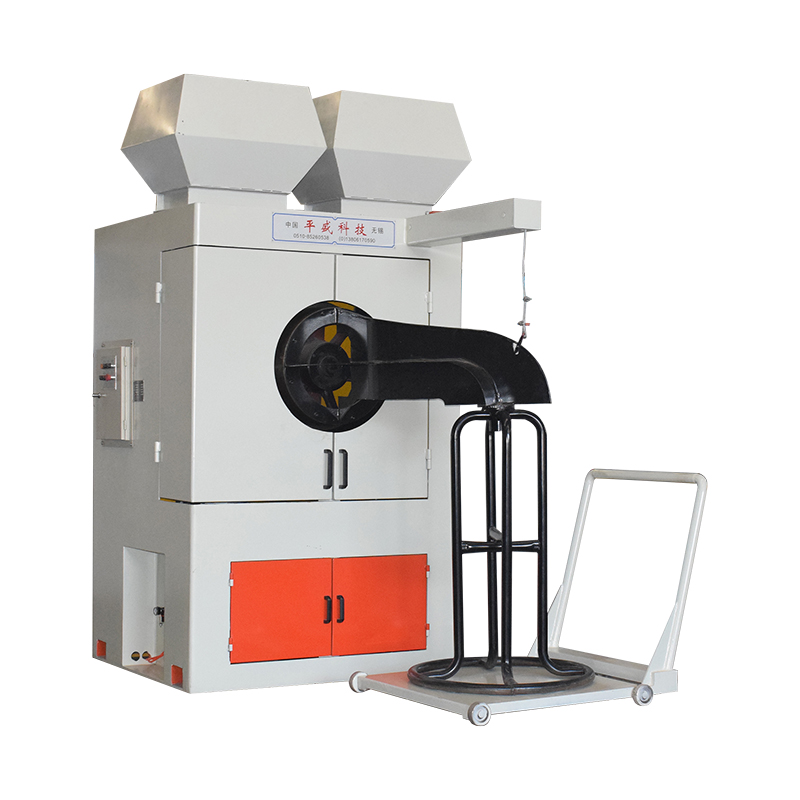 Wire Take-Up and Coiling EquipmentChoose take-up type and tension control to protect finished wire presentation and surface quality at line end.View Product →
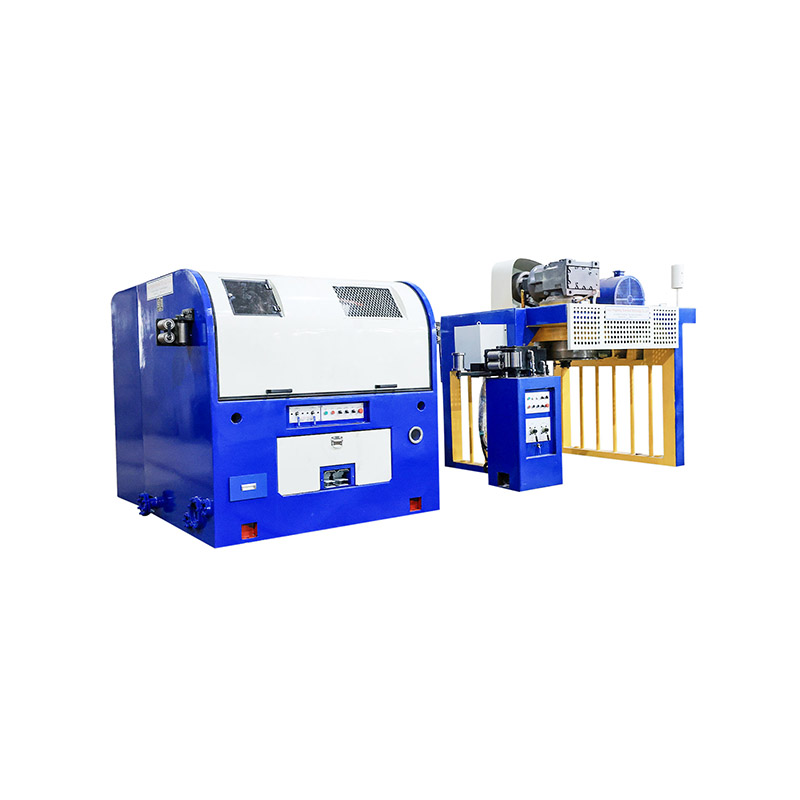
Where wire surface condition is part of the specification, surface treatment equipment completes the line and is worth planning from the start rather than retrofitting later.
Delivery, Installation and the Costs That Arrive Later
The purchase price is only the first number. Sea freight, packing, foundation work, power cabling, die sets, initial lubricant and commissioning time all land on your budget eventually. A machine that arrives with clear foundation drawings, a wiring diagram and a manual in a language your electricians read will save days of confusion. Ask early about packing method, container loading plan and which documents travel with the shipment.
On our side, the work is covered by an ISO 9001 quality management system certification dated 2023, alongside patent certificates for our own designs. Those documents say something about process discipline, but the more useful proof is a conversation with an engineer who can explain why a particular drum diameter suits your wire.
How We Usually Handle an Inquiry
Most useful inquiries arrive with a wire sample description rather than a model number: material, diameters, target output, spool weight and any downstream requirements. From that we propose a configuration, share a general arrangement drawing, and discuss options such as cooling capacity, control features and take-up style. We publish our site in English, Spanish, French, Portuguese and Arabic because our customers are spread across many markets, and documentation and support are arranged with that in mind. As our company slogan puts it, we come from China and market to the world, which in practice means being reachable after the container has been unloaded.
If you are still at the stage of comparing factories, take the checklist above to every supplier you speak with. The answers, more than the price, will tell you which OTO pulley type wire drawing machine is likely to still be running smoothly in your workshop a decade from now. Send us your wire specification and we will gladly talk through the options, even if the machine you eventually buy is not ours.