
 EN
 English
 Español
 Français
 Português
 عربى

Multi Block Straight Line Wire Drawing Machine: A Practical Buyer's Guide
Content
- 1 What "Multi Block" and "Straight Line" Mean Together
- 2 Where the Multi Block Layout Earns Its Place
- 3 Configuration Choices That Decide Your Wire Quality
- 4 Keeping the Line Running: Dies, Cooling and Tension
- 5 Thinking About the Whole Line, Not Just the Machine
- 6 A Short Checklist Before You Commit
- 7 What We Would Ask You First
Wire drawing rarely fails for one dramatic reason. It drifts: a little slip on one block, a die that wears out a day early, tension that creeps up as the coil runs down. A multi block straight line wire drawing machine exists to take that drift out of the process, because every block in the line is driven in step with the wire passing through it. We have been building drawing equipment in Wuxi since 1985, and most of what we know about these machines came from standing beside them on a customer's floor, listening to the operators.
What "Multi Block" and "Straight Line" Mean Together
A block, or capstan, is the driven drum that pulls the wire through one die. "Multi block" simply means several of these drums sit in series, so the wire passes through several dies in one continuous run instead of being re-threaded from machine to machine.
"Straight line" describes how the wire travels between them. The dies are set out in line, and the block speeds are matched so closely to the reduction at each die that the wire never needs to accumulate on an intermediate drum. Each block pulls exactly what the one before it delivers. There is no reserve of wire looping on a capstan, and no dancer arm working to absorb a speed mismatch.
The advantages are practical. Tension stays close to constant, the wire is not twisted or scuffed as it passes from block to block, and the whole line can sit under one control system with one stored recipe. The trade-off is that the machine is honest. If a die is worn, if lubrication is thin, or if a speed ratio has been set loosely, an accumulating machine may hide it for a while. A straight line machine will not. It asks for a correct pass schedule and dies that are changed on time.
Where the Multi Block Layout Earns Its Place
These lines make most sense where the wire has a long way to go: many passes, high speed, and a demand for consistent final dimensions. High carbon steel and PC wire are the classic case, because the material is strong, the total reduction is large, and any variation in tension shows up in the finished product. Fine wire drawing benefits too, as do busy plants that change sizes often, mainly because one recalled recipe brings the whole line back to a known state in minutes rather than hours.
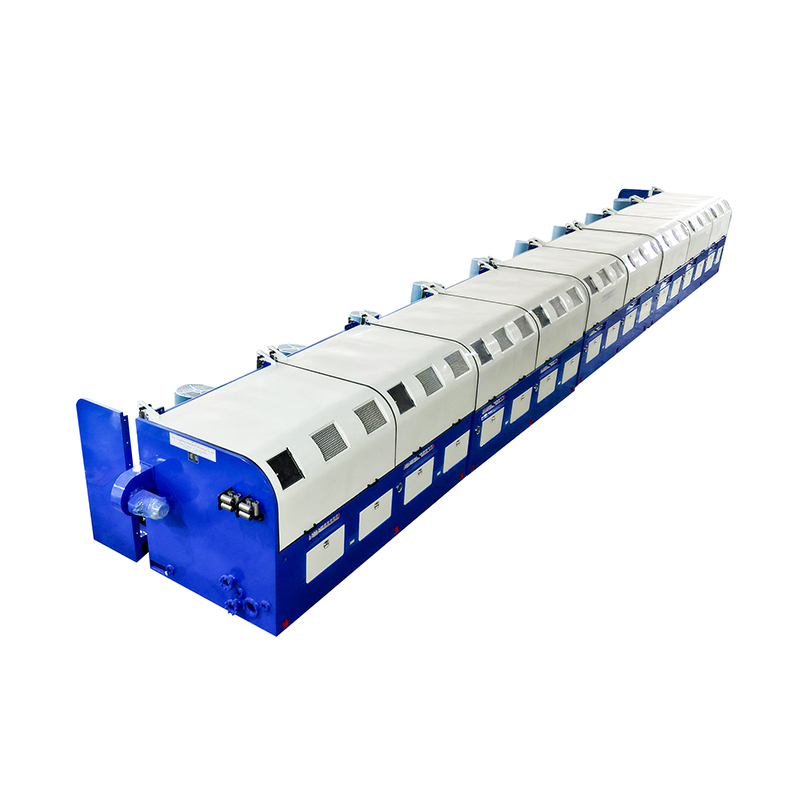
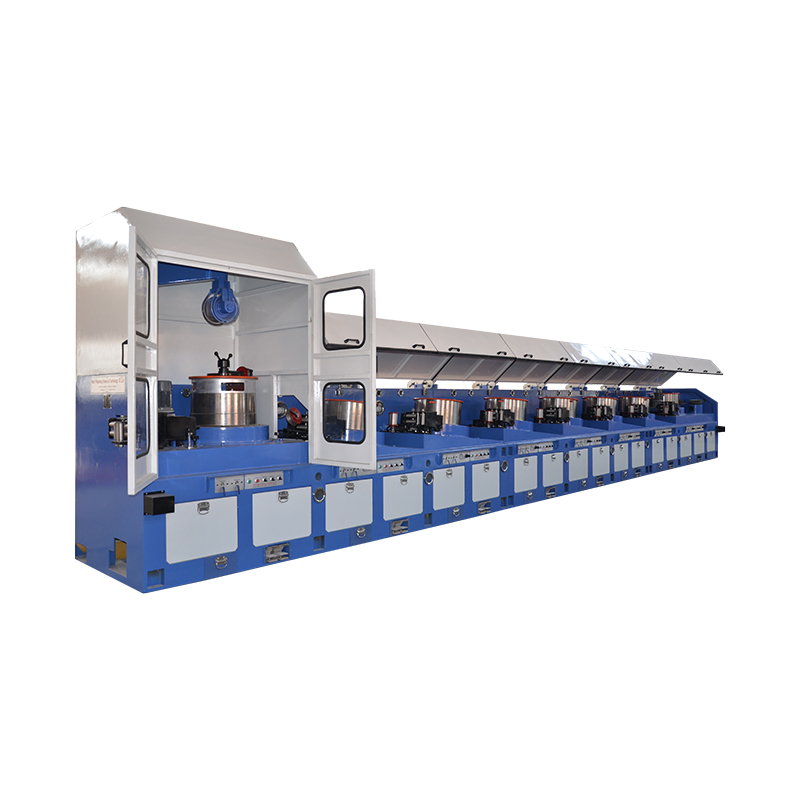
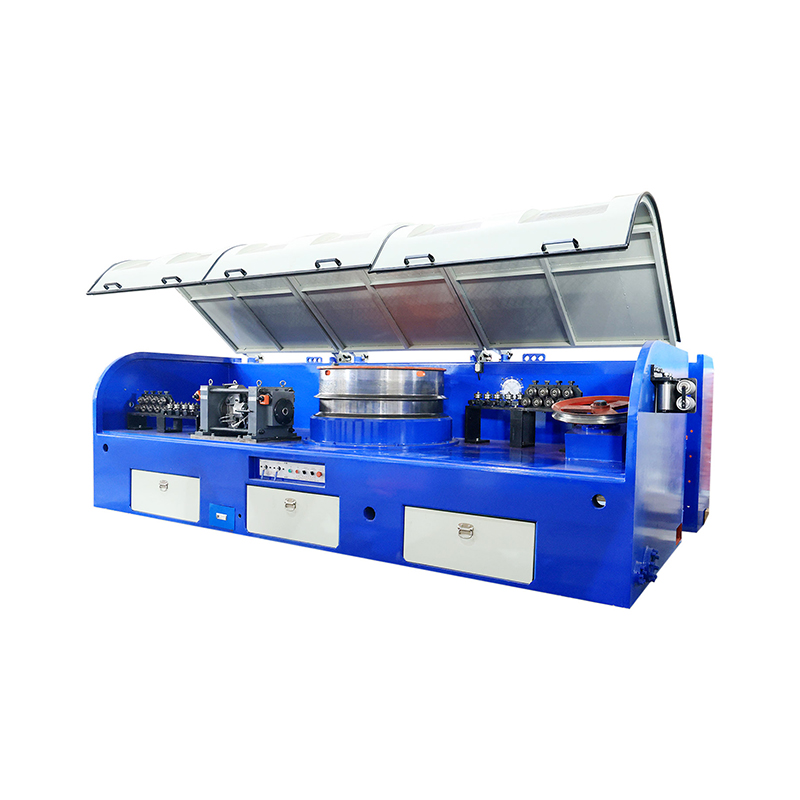
Our high speed multi block machine was built for that kind of duty, where the number of blocks and the speed range have to be selected together with the wire you actually run, not with a catalogue average.
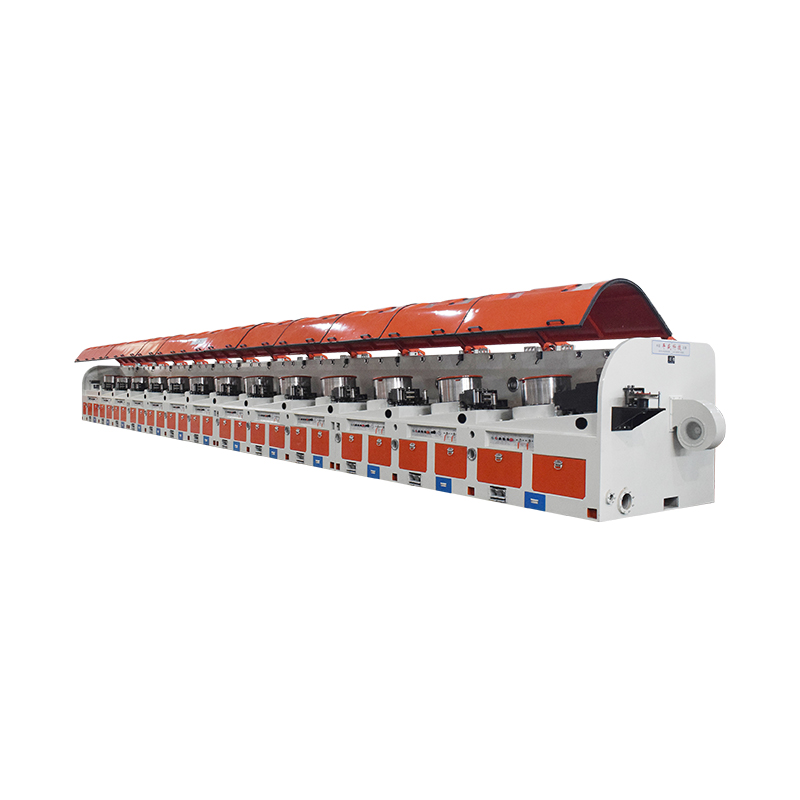 High Speed Multi Block Straight Line Wire Drawing MachineMulti-block straight-line drawing machine for carbon, alloy, and stainless wire, with configurations up to 14 or 16 blocks for fine low-carbon applications.View Product →
Configuration Choices That Decide Your Wire Quality
Two machines with the same number of blocks can behave very differently on the same product. These are the points where we see customers gain or lose the most, and the ones worth settling before a purchase order rather than after installation.
| Decision | What it influences | What to confirm |
|---|---|---|
| Number of blocks | How the total reduction is spread across the line, and the speed headroom you keep for future sizes | That your pass schedule fits the block count with a sensible reduction at each die |
| Block and ring material | Ring wear, wire surface condition, and dimensional stability at sustained speed | That the ring material and cooling arrangement suit your duty cycle, not just a short trial |
| Die sequence and die boxes | Surface finish, roundness, and how long a die lasts between changes | That the die holders and cooling suit your wire grade and the lubricant you prefer |
| Drive and control architecture | Speed synchronisation between blocks, slip control, and how fast a recipe can be recalled | How the speed ratios are set, displayed, and adjusted by the operator on shift |
| Take-up tension control | Spool build quality, layer winding, and whether the wire runs clean at the end of a coil | That the tension range covers both your finest and your heaviest wire |
| Thread-up and guarding | How long a size change takes, and how safely the operator can reach the dies | That thread-up can be done properly without defeating an interlock |
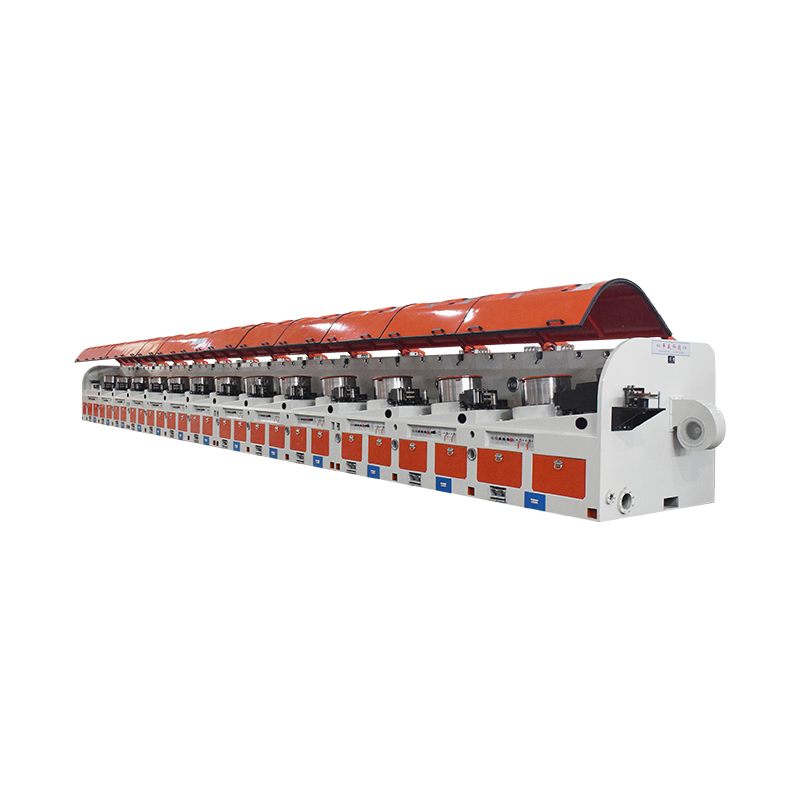
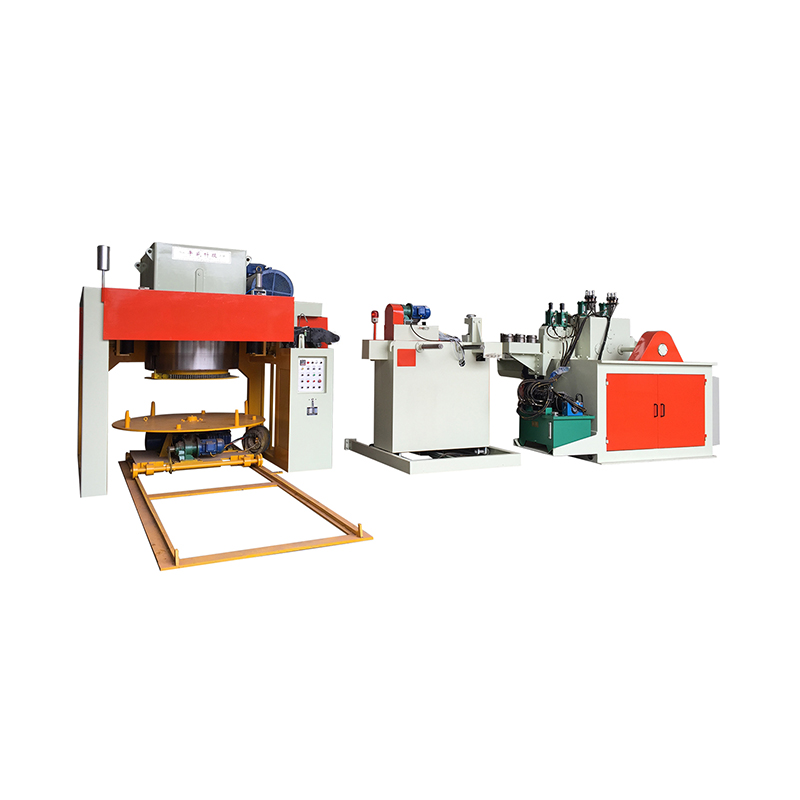
For high carbon and PC wire production, the pass schedule matters even more than the block count. Reduction per pass that is too aggressive shortens die life and dulls the surface; too gentle and the wire work-hardens unevenly through the line. Our straight line drawing line for high carbon and PC wire is configured around that balance.
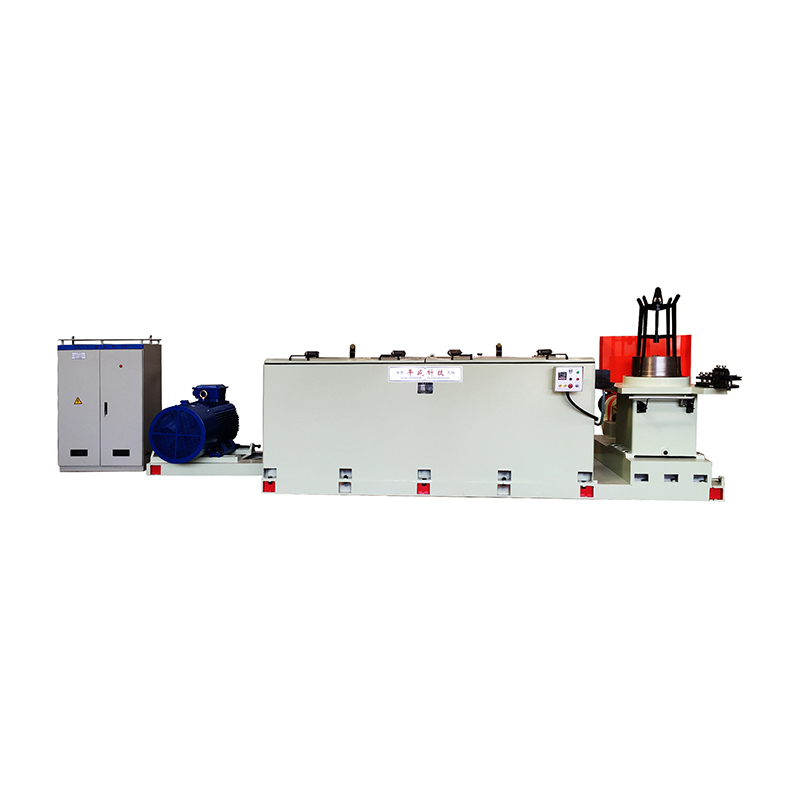
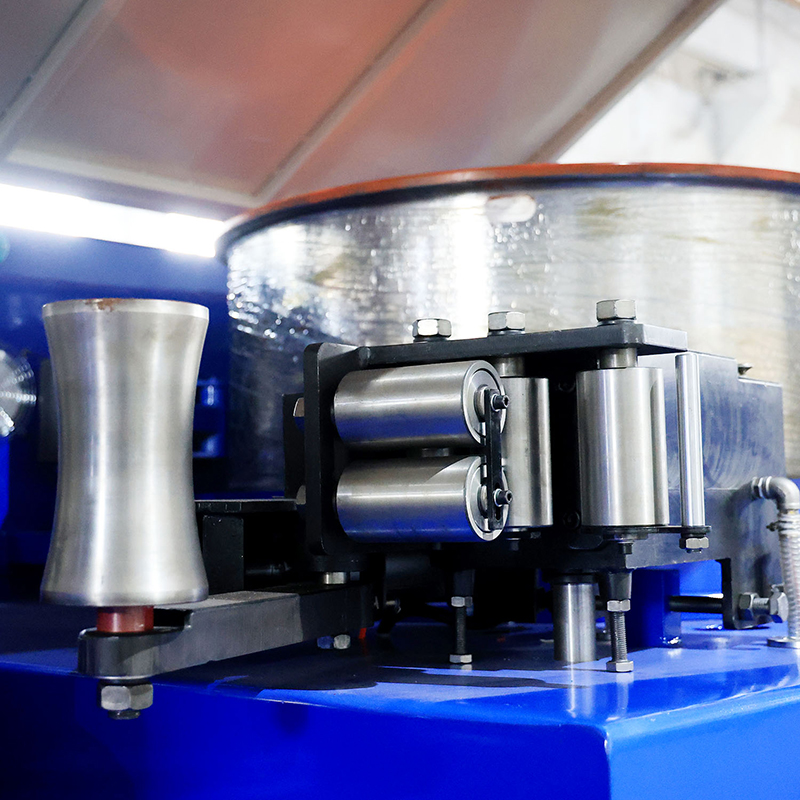 High Carbon Wire and PC Wire Drawing LineStraight-line drawing line for high-carbon, prestressed concrete, profiling, and stranding wire, with multiple dies, automatic tension control, and a high-speed motor system.View Product →
Keeping the Line Running: Dies, Cooling and Tension
Once a multi block line is commissioned, most of the day-to-day quality comes down to three things: the die, the lubricant, and the take-up. A die that is one size past its limit will pull harder, raise the temperature in the box, and quietly change the tension balance across the whole machine. Cooling that is a few degrees warm does much the same. And a take-up that hunts will spoil an otherwise perfect spool of wire.
It helps to treat these as one system rather than three separate maintenance tasks. When a coil comes off with a soft patch or a scuff, the cause is usually upstream of where the fault appears. We have collected some of the patterns we see most often in our notes on common production defects in straight line drawing, which are worth reading alongside your own shift records.
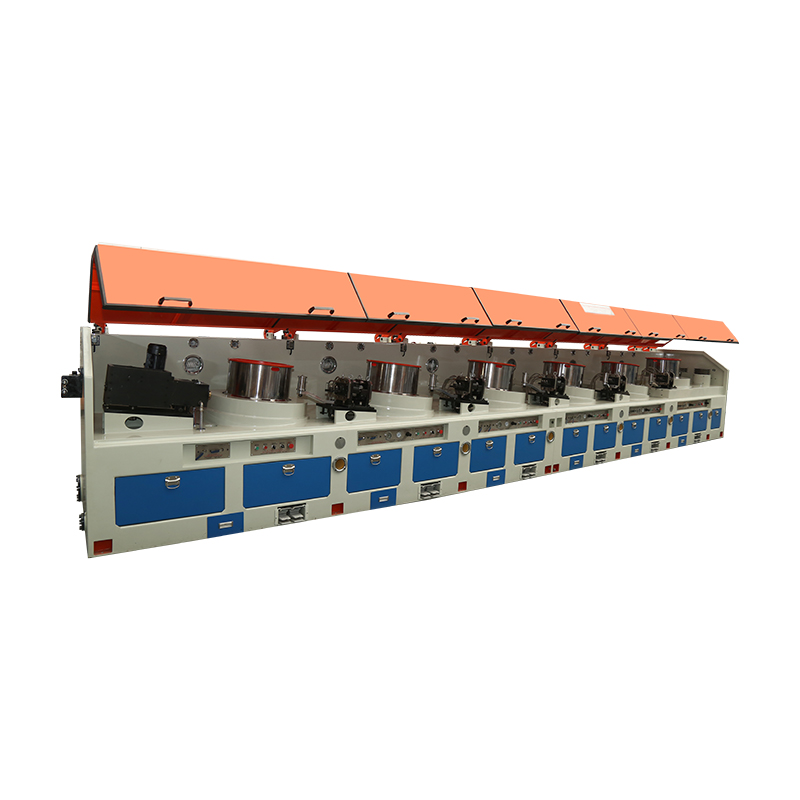
Tension control at the take-up deserves particular attention on a synchronized line, because there is no accumulation buffer to absorb a momentary mismatch. A responsive tension loop keeps the spool dense and even, and lets the line run at speed without the operator constantly adjusting by feel.
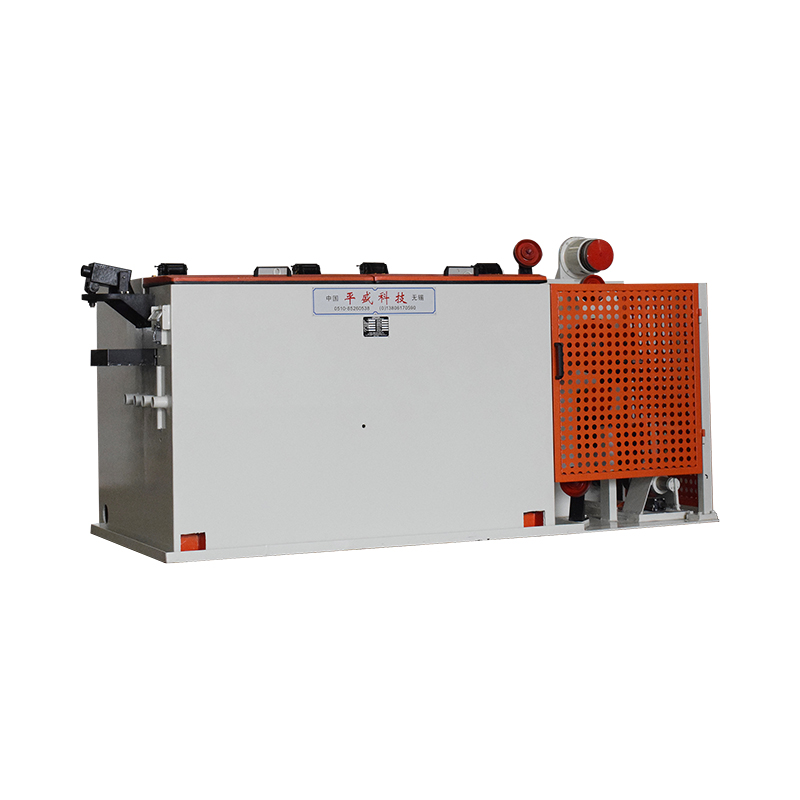
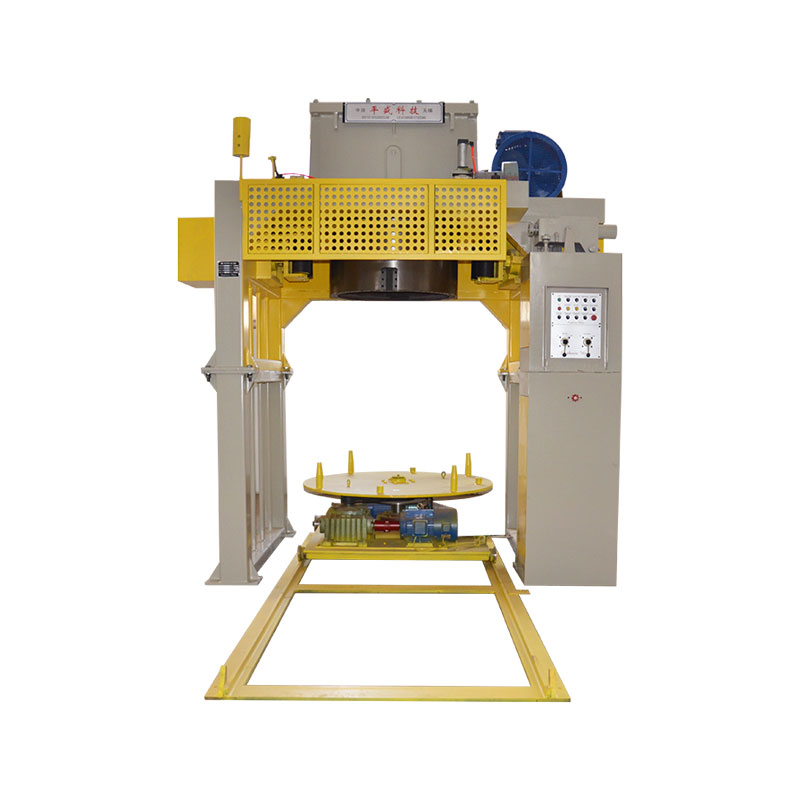
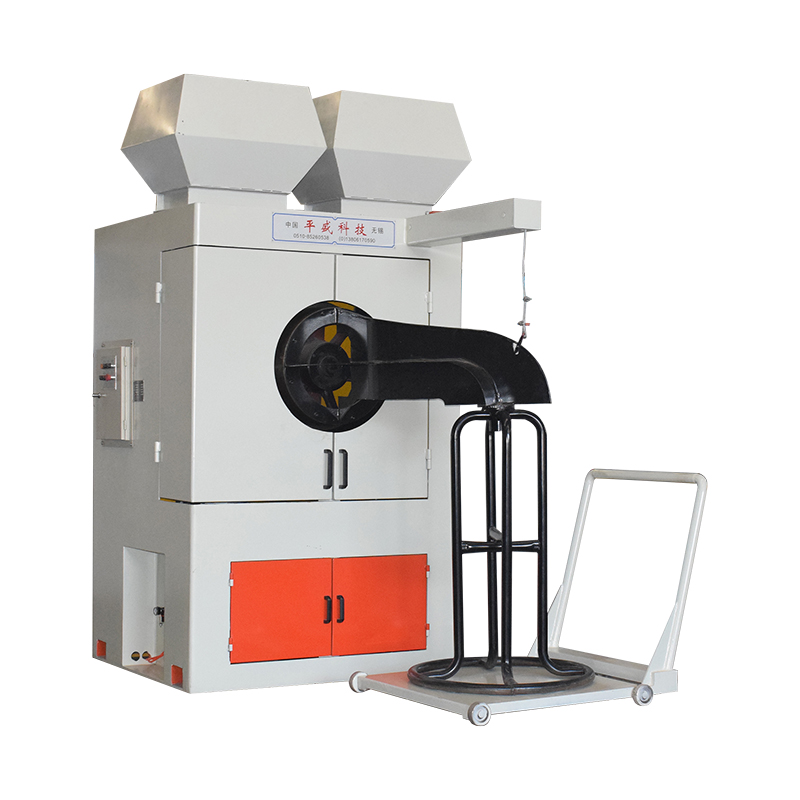 Take-Up Machines for Wire Drawing LinesCategory of take-up machines that coil wire at line end, with adjustable winding speed, tension, and spool diameter to support automated operation and protect wire quality.View Product →
Thinking About the Whole Line, Not Just the Machine
A drawing machine on its own is only part of a process. Payoff, surface treatment, and take-up all influence what the blocks can achieve. A payoff that releases wire unevenly will show up as tension ripple several blocks later. Surface treatment that is inconsistent changes friction at the first die and shifts the whole balance of the line. Planning these together at the specification stage is far cheaper than correcting them afterwards.
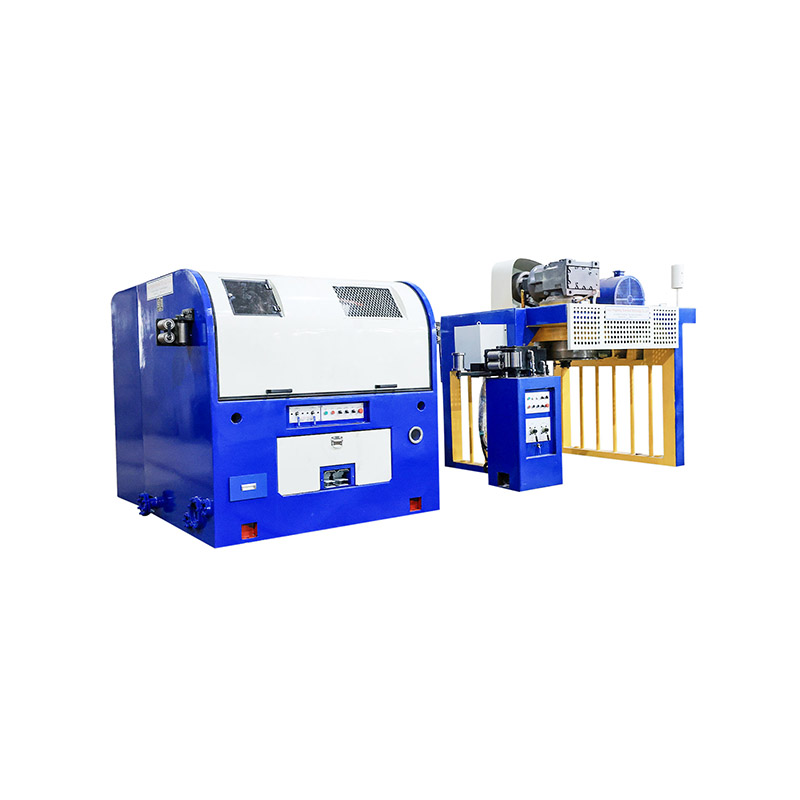
This is why we build our straight line wire drawing machines as part of a wider equipment range that includes payoff units, take-up units, surface treatment equipment, and auxiliary machinery, so that the interfaces between them are someone's responsibility rather than nobody's.
A Short Checklist Before You Commit
If you are comparing proposals, these are the questions that tend to reveal the most about how a machine will behave in your plant.
- Send a real pass schedule, with your starting size, finished size, material grade, and target output per shift.
- Ask for the block speeds die by die, and check that the ratios match the reductions you intend to take.
- Request a trial on your own wire, not on a demonstration material that draws easily.
- Time a thread-up on the finest size you plan to run, with the operators who will actually do it.
- Confirm what spares are recommended for the first year, particularly rings, die holders, and seals.
- Ask how recipes are stored, who can change them, and whether settings survive a power interruption.
What We Would Ask You First
Before we discuss blocks or speeds, we usually ask what your wire has to do once it leaves the machine, and what your operators find hardest about the line you run today. Those two answers shape more of the specification than any datasheet. Our equipment is covered by an ISO 9001 quality management system certification from 2023, and our drawing machines combine mechanical structure with electronic control, but the useful part of the conversation is still about your product. Tell us the wire, the tonnage, and the shift pattern, and we will tell you honestly whether a multi block straight line machine is the right answer or whether a simpler layout would serve you better.