
 EN
 English
 Español
 Français
 Português
 عربى

Multi Block Straight Line Wire Drawing Machine: Setup, Dies & Selection
Content
- 1 Understanding the Multi-Block Straight Line Layout
- 2 Dies, Cooling and Lubrication: Where Wire Quality Is Decided
- 3 Matching the Machine Variant to the Job
- 4 Where These Machines Earn Their Keep
- 5 The Equipment Around the Machine
- 6 A Practical Selection Checklist
- 7 Installation, Safety and Everyday Care
- 8 Built in Wuxi, Running Worldwide
Walk along a well-run drawing line and you can hear the difference. The machine does not surge; the hum stays even from the first capstan to the last, and the operator spends the shift checking dies instead of chasing loops. That steadiness is the practical signature of a multi block straight line wire drawing machine: several drawing blocks in a single row, one pass per block, and wire that never accumulates between dies.
We have been building drawing equipment in Wuxi since 1985, and in that time the straight line multi block layout has become the workhorse of medium and fine wire production. This article walks through how the machine actually works, what decides wire quality on it, and how to match the right variant to your material and output targets.
Understanding the Multi-Block Straight Line Layout
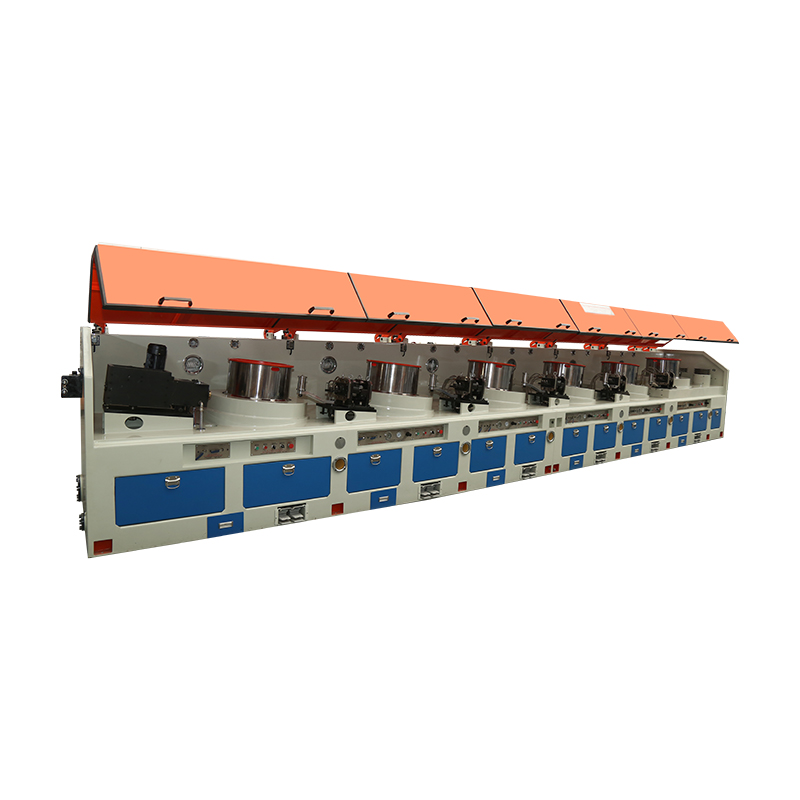
A multi block machine is, at heart, a drawing machine with more than one capstan. In the straight line version those capstans are mounted in a single horizontal row, each driven by its own motor through a gear unit. The wire enters the first die, is pulled by the first block, then passes directly to the second die and second block, and so on to the final pass. Nothing piles up in between.
Why the blocks sit in a straight line
Accumulating designs rely on dancer arms or loop rollers to hold a reservoir of wire between passes. A straight line machine removes that reservoir, and with it a whole category of problems. Fewer sheaves touch the wire, so there are fewer chances of surface marking. The wire path is short and simple to thread. An operator standing at one point on the floor can see every die, which makes gauge checks and die changes faster because there is no loop to empty first.
How the drives keep every pass in step
Each pass makes the wire longer, so the next block has to run faster by exactly the elongation the die produces. On a modern machine that ratio is held by AC drives coordinated through a PLC, with small corrections coming from tension feedback or motor load. When the ratio is right, the wire runs at a low, stable tension that is just enough to keep it seated on the capstan. When it drifts, the symptoms are familiar to anyone with shop-floor experience: slack wire that slips and scores, or over-tension that ovalizes the section, wears dies early and eventually breaks the wire.
Dies, Cooling and Lubrication: Where Wire Quality Is Decided
Two machines of identical mechanical design will produce very different wire depending on how the tooling and the cooling circuit are managed. Most of the quality conversations we have with customers come back to these three points.
The die sets the ceiling
A pass schedule is only as good as the dies that carry it. Approach angle, bearing length, reduction per pass and the grade of the carbide or diamond insert all leave their mark on surface finish, ovality and residual stress. Because a straight line machine has no accumulation buffer to absorb variation, a worn die shows up quickly as a tension change at the following block, which is actually a useful early warning if someone is watching. We go deeper into that relationship in this note on how die choice shapes finished wire quality.
Cooling and lubricant discipline
Drawing generates heat, and heat is the enemy of both die life and surface finish. On a straight line machine the capstans are water-cooled internally and the die holders are flooded with lubricant. Keep the cooling water temperature steady, hold the emulsion concentration inside its band, and watch for oil carry-over and fine metal particles building up in the tank. Small drifts here rarely announce themselves; they surface weeks later as short die life or a dull, patchy coil.
- Cooling water temperature and flow at every block
- Emulsion concentration, pH and contamination level
- Die seating, holder condition and alignment
- Wire surface after the first and the final pass
Matching the Machine Variant to the Job
Multi block straight line machines are not a single product but a family. The differences sit in how the blocks are driven, how the dies are held, and what the line is expected to do downstream. The table below is a qualitative orientation rather than a specification sheet; actual pass schedules, speeds and wire ranges should always be confirmed against your own material.
| Machine variant | Drawing structure | Where it usually fits |
|---|---|---|
| High-speed multi-block | Multiple independently driven blocks in line | Medium to fine wire runs where output speed is the priority |
| Direct-drive and rolling cassette | Directly driven blocks with cassette-mounted dies | Gentler die handling and quick cassette changeover |
| Pulley type continuous drawing | Pulley and drum combination for continuous pulling | Lines where uninterrupted drawing continuity matters most |
| Scoring device version | Straight line blocks plus an inline scoring unit | Wire that needs a mechanical keying surface for later processing |
| High-carbon and PC wire line | Straight line drawing line configured for high carbon grades | Prestressed concrete wire and high carbon steel wire production |
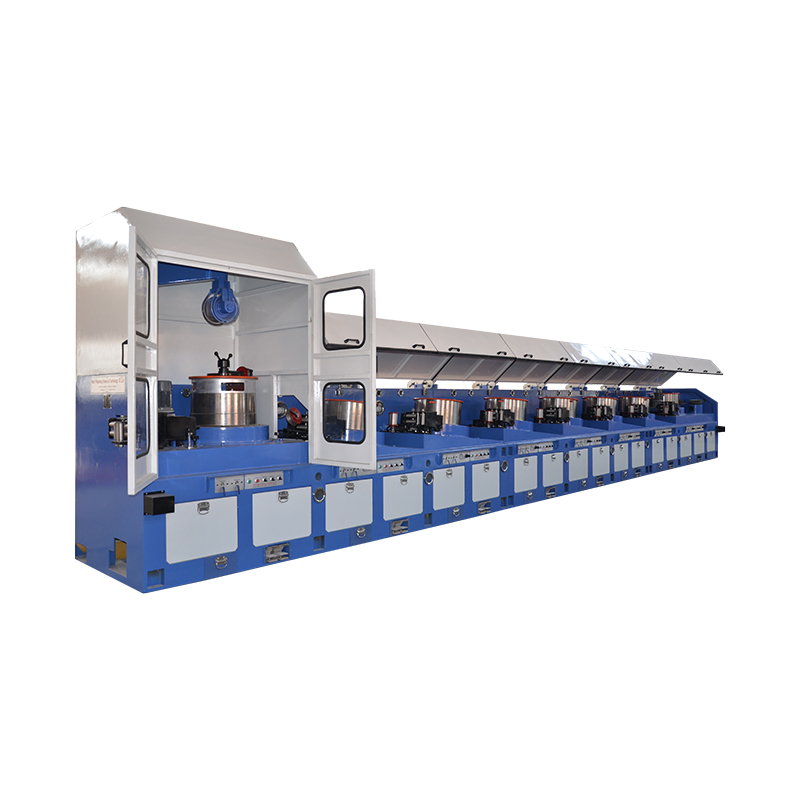
The full range, including the multi block series, is listed under our straight line wire drawing machine category, so you can compare configurations side by side before narrowing the choice.
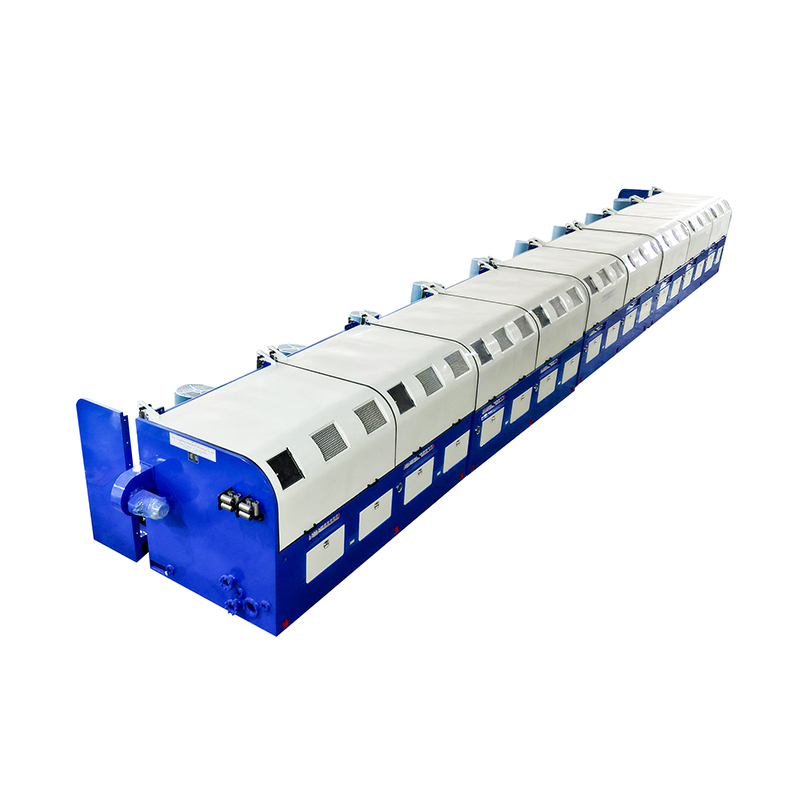
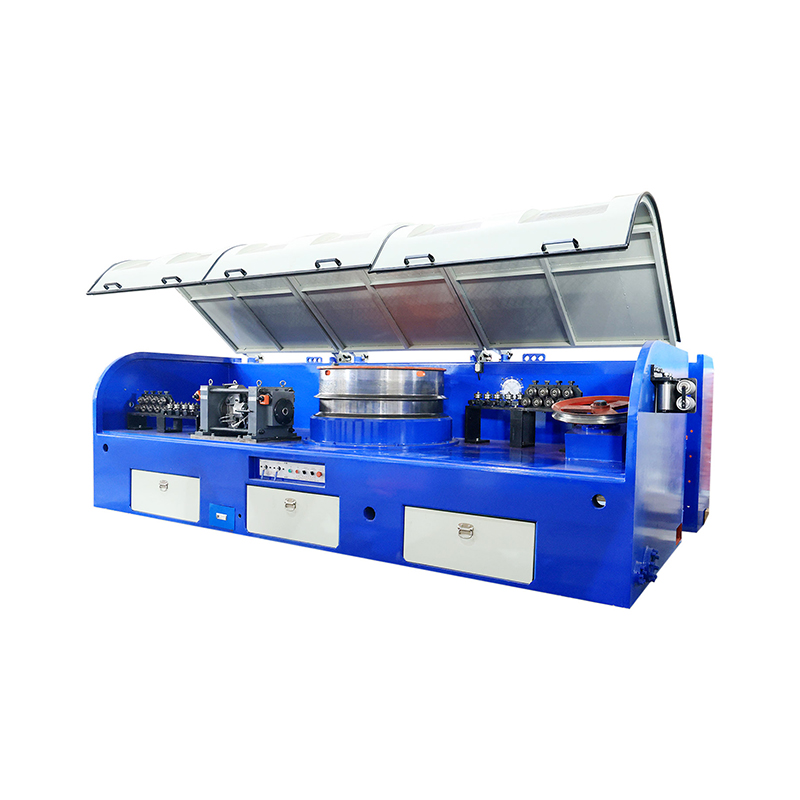
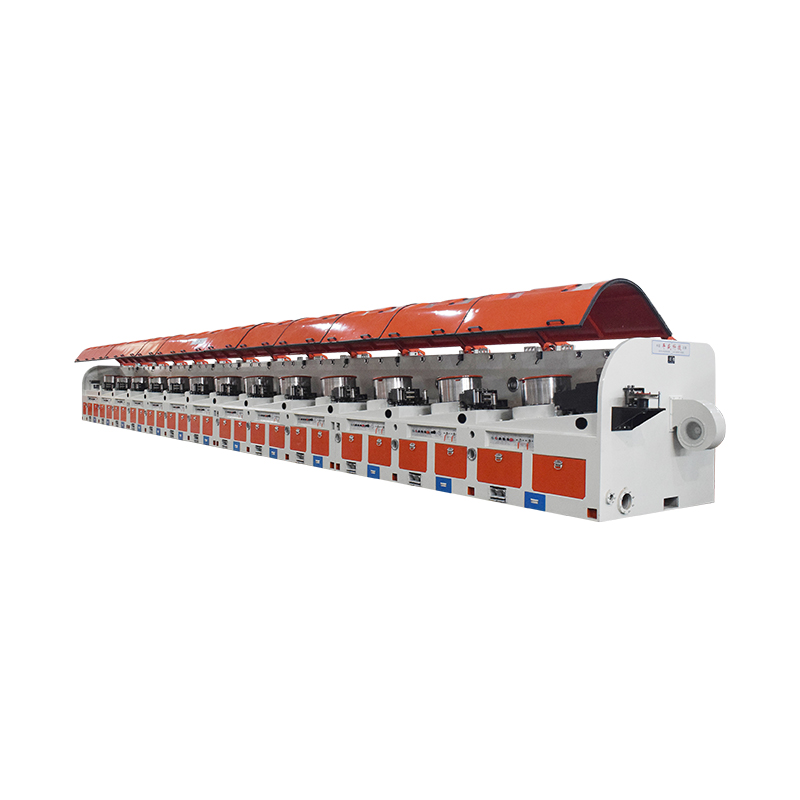 High-Speed Multi-Block Straight Line Wire Drawing MachineA multi-block straight-line drawing machine for continuous high-speed production, offering smooth operation, reduced wire breakage and easy monitoring and control.View Product →
Where These Machines Earn Their Keep
The clearest applications are in high carbon and PC wire, where consistent tension across many passes is often the difference between a coil that meets its tensile specification and one that has to be reworked. Prestressed concrete wire and high carbon steel wire both demand a schedule that keeps the wire cool, keeps the surface clean and keeps every block synchronized, because there is no room for a slack loop to hide in.
A line built for those grades brings the drawing blocks, cooling, lubrication and tension control together as one system, which is why we generally discuss it as a production line rather than a single machine.
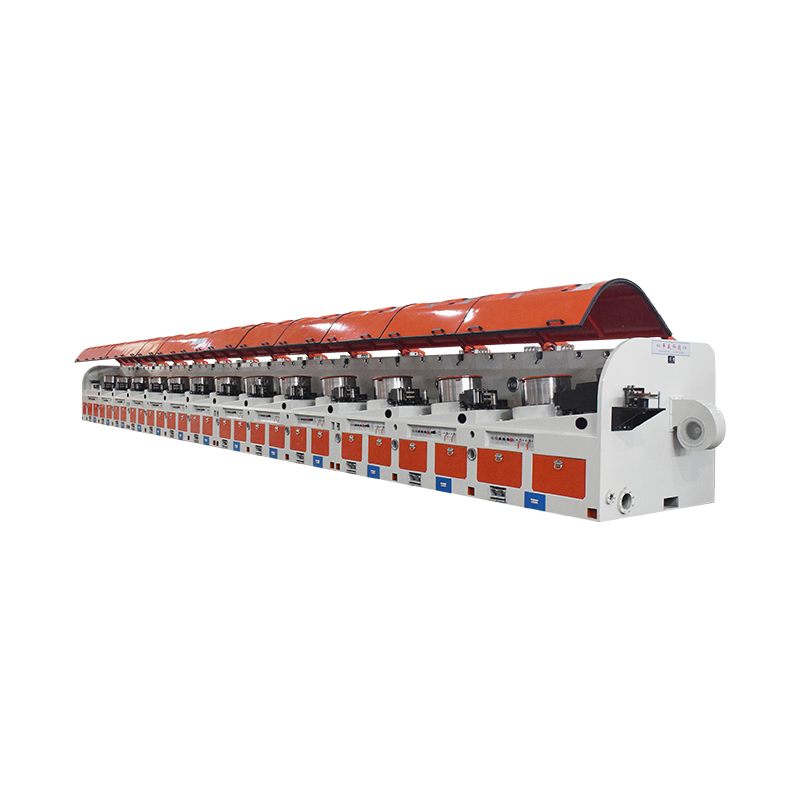
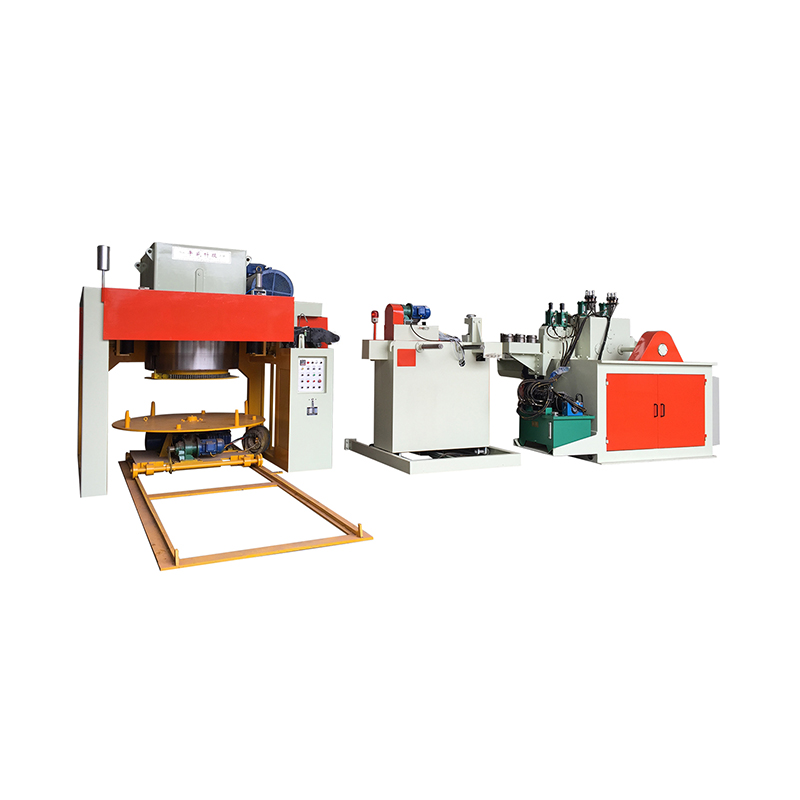
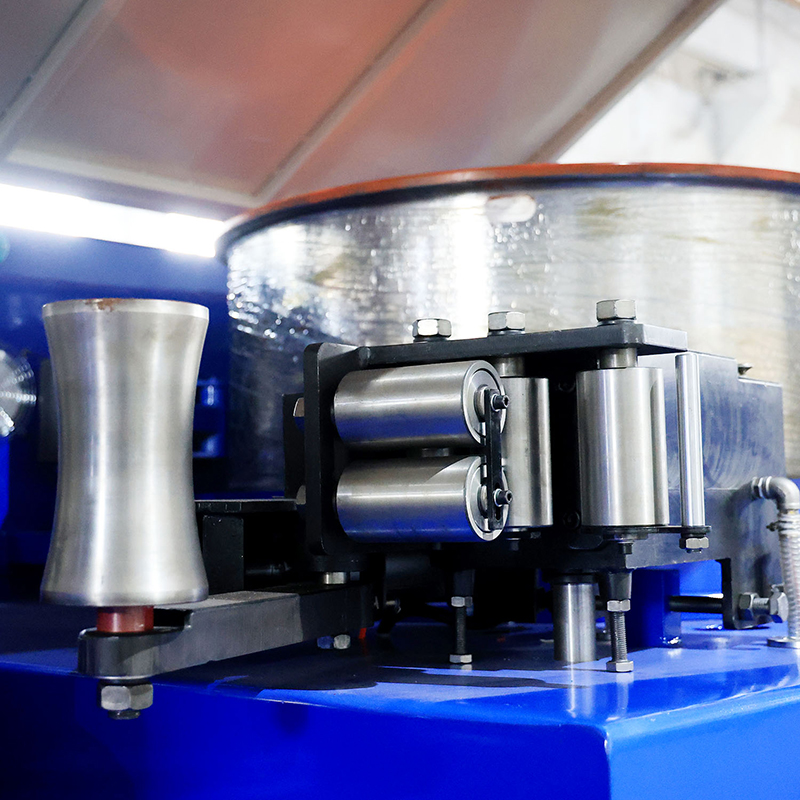 High-Carbon and PC Wire Straight Line Drawing LineA production line for high-carbon, prestressed concrete and PC wires, combining drawing dies, automatic tension control and a high-speed motor for continuous operation.View Product →
Outside those grades, the same layout is widely used across metal products plants that draw wire in multiple passes at speed. The logic holds wherever throughput, surface quality and stable tension all matter at once.
The Equipment Around the Machine
A drawing machine rarely runs alone. Pay-off at the front and take-up at the back determine how well the machine's stability survives the journey from coil to coil. A poorly matched pay-off introduces tension spikes that no amount of drive tuning can fully remove, and a take-up with loose traverse control undoes good drawing work with a badly built package.
Take-up tension deserves particular attention on thin wire, because the spool is where every upstream variation is finally frozen into the product. Synchronizing take-up speed with the last block, and holding tension steady as the package diameter grows, is what produces a coil that unwinds cleanly at the customer's plant. Surface treatment units, whether for cleaning or coating, sit in the same chain and should be specified as part of the line rather than added afterwards.
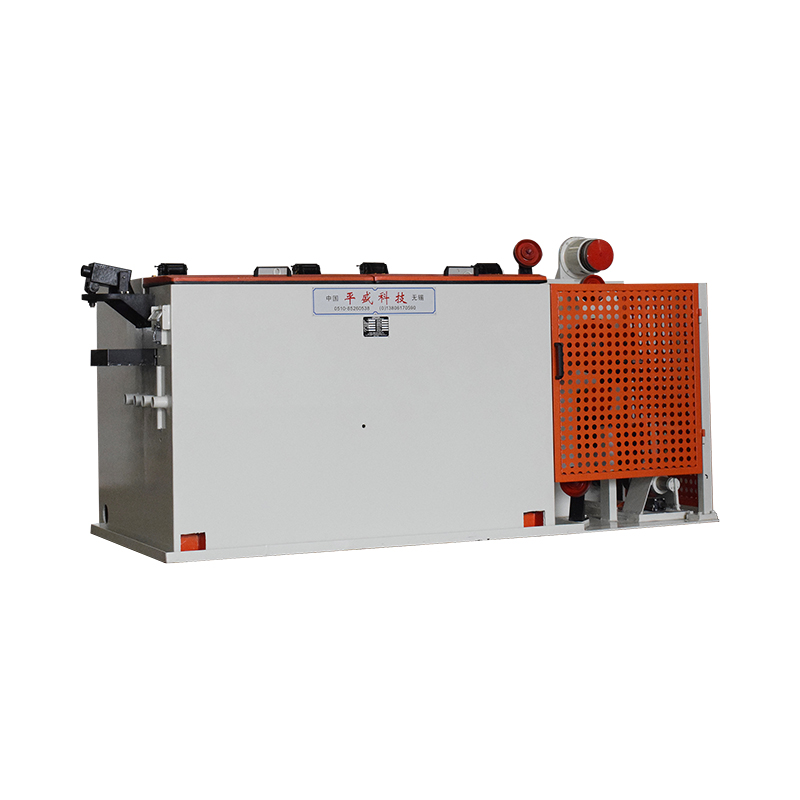
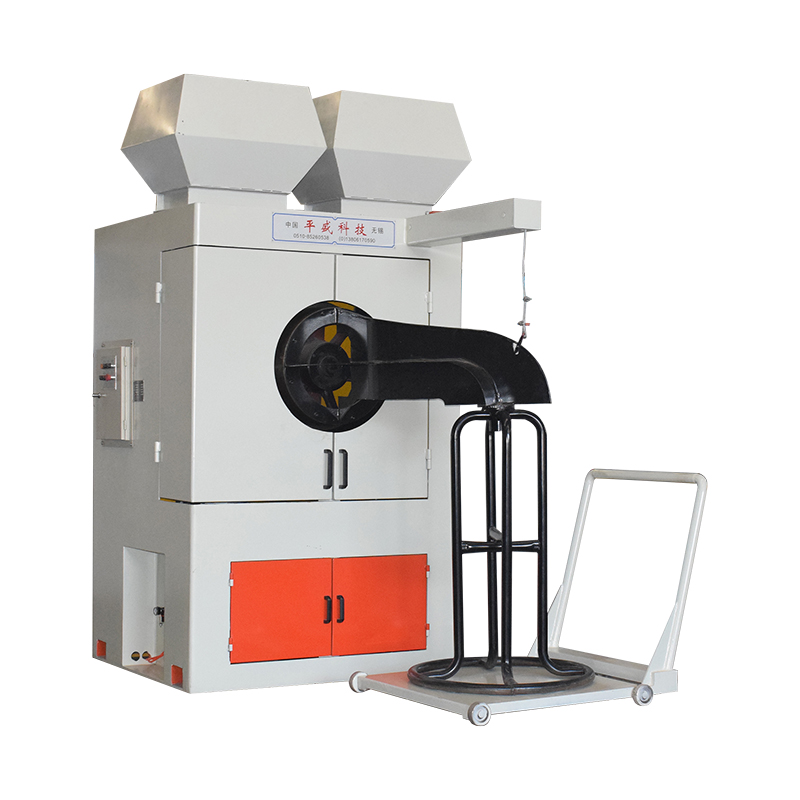 Wire Take-Up Machines and Coiling EquipmentSeven take-up and coiling options for wire lines, with adjustable speed, tension and spool diameter to support clean winding and surface protection.View Product →
A Practical Selection Checklist
When a customer asks which configuration suits them, the useful answers come from a handful of numbers they usually already have. Bring these to the conversation and the shortlist becomes obvious:
- Inlet wire diameter and surface condition, including how the coil was supplied
- Finished diameter and the tolerance band you must hold
- Material grade and the reduction it will tolerate per pass
- Number of passes required, which sets the block count
- Target line speed at finished size, and the speed limit of the slowest pass
- Pay-off and take-up format: spool size, coil weight, traverse requirements
- Control expectations, including what data the line should report
- Available floor space, foundation, cooling water and power capacity
- Who will maintain the machine, and which spares you want on the shelf
Installation, Safety and Everyday Care
Most of the troubles we are called out to see in the first year trace back to commissioning rather than design. A machine that is not levelled and grouted properly will show vibration at higher speeds. A tension loop calibrated on empty rather than loaded will sit slightly off for months. Take the time at installation and the machine will repay it.
Safety belongs in the same conversation. Guards over the capstan area, reliable emergency stops at every operator position, and a disciplined die-changing routine with the drive locked out are not optional extras on a machine that pulls wire at speed. On the maintenance side, a simple rhythm works well: cooling circuit and emulsion checks weekly, drive tuning verification monthly, die inventory and holder inspection quarterly.
Built in Wuxi, Running Worldwide
We are Wuxi Pingsheng Science & Technology Co., Ltd., and our story began in 1985. Over more than three decades we have concentrated on drawing equipment: straight line machines, wet machines, inverted vertical machines, combined units, and the pay-off, take-up and surface treatment equipment that surrounds them. Our quality management system is certified to ISO 9001, and we hold a number of patents on our own designs.
Our customers are metal products manufacturers at home and abroad, and our website is published in several languages because that is where our market is. If you are weighing up a multi block straight line wire drawing machine for your plant, the most useful first step is a short, practical conversation about your wire, your pass schedule and your output target. Send us the numbers you already have, and we will tell you honestly which configuration makes sense before anyone starts talking about price.