
 EN
EN
 English
 Español
 Français
 Português
 عربى
عربى
Inverted Vertical Wire Drawing Machine Factory: What to Check Before You Buy
Content
- 1 Why the Inverted Vertical Layout Earns Its Place
- 2 Why Buy Directly From a Wire Drawing Machine Factory
- 3 The Inverted Vertical Machines We Build
- 4 How the Machine Fits Into a Complete Drawing Line
- 5 What to Compare When You Visit a Factory
- 6 Quality Control, Testing and Documentation
- 7 Service, Spare Parts and Long-Term Support
- 8 What to Send Us With Your Enquiry
An inverted vertical wire drawing machine looks straightforward on a quotation sheet, and then turns out to be surprisingly demanding in real production. Because the drawing drum stands vertically and the wire is pulled downward through the dies rather than across a long horizontal line, the machine takes up less floor space, the finished coil is easier to handle, and the wire path stays short enough to keep under control. For mills working with medium and coarse wire, this is often the machine that quietly decides how smooth the rest of the process will be.
That is why the factory behind the machine usually matters more than the catalogue page in front of it. Two suppliers can show similar outline drawings and deliver machines that behave very differently after two years of three-shift running. The difference is rarely one clever feature; it is the accumulated discipline of a workshop.
Why the Inverted Vertical Layout Earns Its Place
In an inverted vertical machine, the capstan is mounted vertically and the wire runs down through the die sequence. Stand next to one in operation and the practical advantages become obvious: the footprint is compact, the wire path is short and predictable, the finished coil can be collected below the machine, and threading is far easier when operators change products several times a week.
The design is generally chosen for medium and coarse wire, including carbon steel and a range of non-ferrous materials, and it suits plants where several machines have to stand side by side in a limited area. It also pairs naturally with a single drawing block when a pass schedule needs one more reduction.
None of this is magic. A vertical layout pays off only when the drum runs true, the dies are aligned, lubrication or cooling is adequate, and tension is stable enough that the wire is not fighting the machine on every coil.
Why Buy Directly From a Wire Drawing Machine Factory
Wire drawing equipment is bought once and lived with for a decade or more, so the relationship matters as much as the steel. Buying from the factory means the person answering your email can walk to the assembly bay and look at your machine instead of forwarding the question to somebody else. It also means the drawings, the electrical schematics, the test records and the spare parts list all come from the place that built the machine.
We are a manufacturer based in Wuxi, China, and our story begins in 1985. More than three decades later we still build straight line, wet, inverted vertical and combined wire drawing machines, together with payoff machines, take-up machines and surface treatment equipment, so a customer can come to one supplier for a working line instead of stitching together three. Our equipment is built around solid mechanical structures and practical electronic control, and we hold ISO 9001 quality management system certification (2023) along with a number of patents of our own. You can see the full range of wire drawing machines and auxiliary equipment we produce on our site.
The Inverted Vertical Machines We Build
Not every drawing job needs the same machine, so our inverted vertical family is not one model with one specification. The three versions below cover most of the enquiries that reach us, and each one starts from the same question: what will the wire have to do?
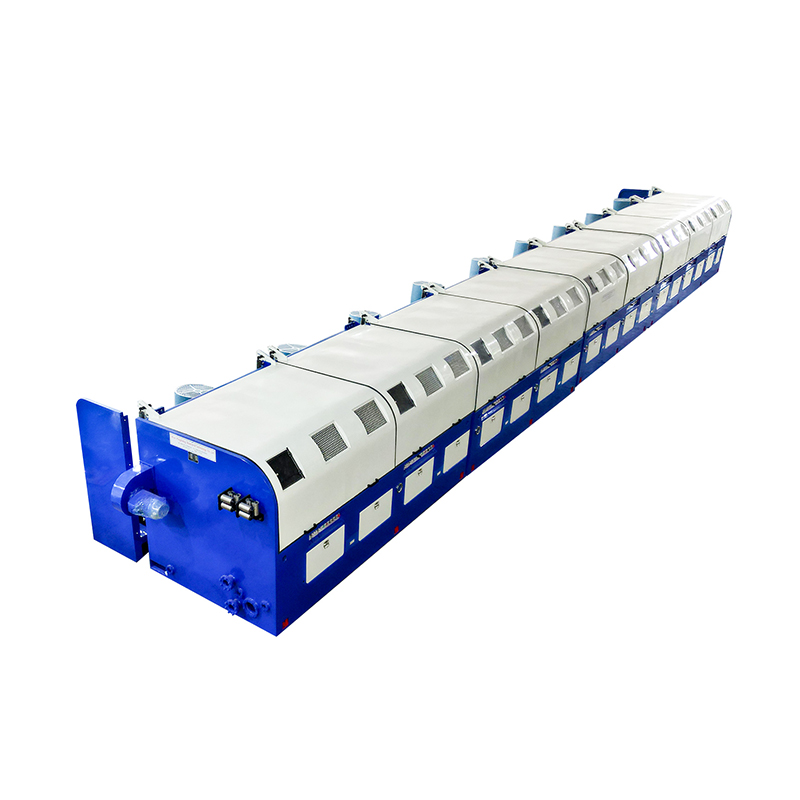
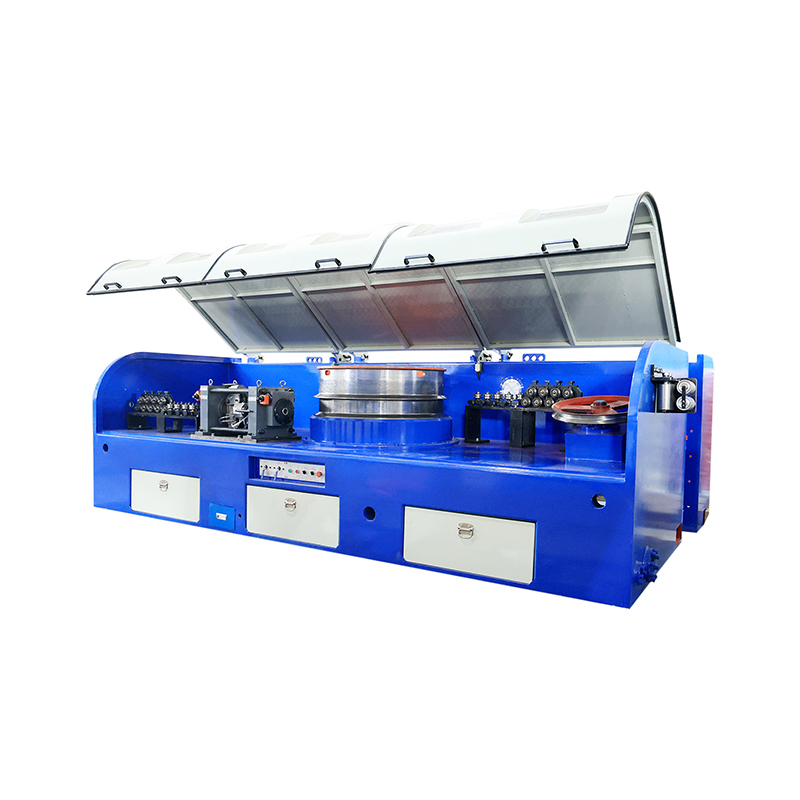
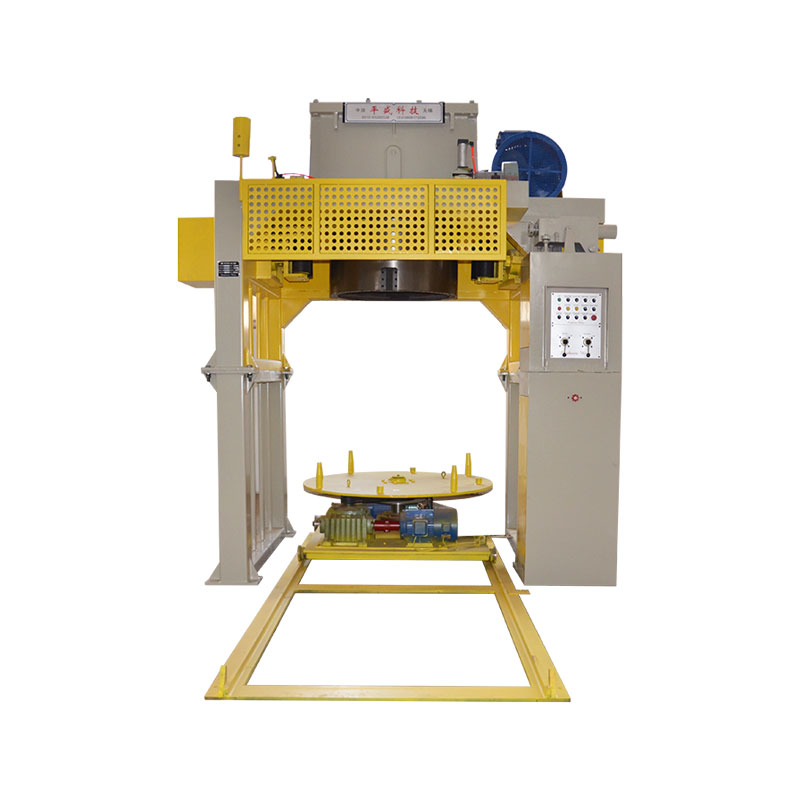
 Heavy Duty Inverted Vertical Wire Drawing Machine with Auto Pay-OffA heavy-duty inverted vertical drawing machine for medium-to-large diameter wire, with auto pay-off and multiple die-box options for continuous industrial production.View Product →
The Standard Inverted Vertical Wire Drawing Machine
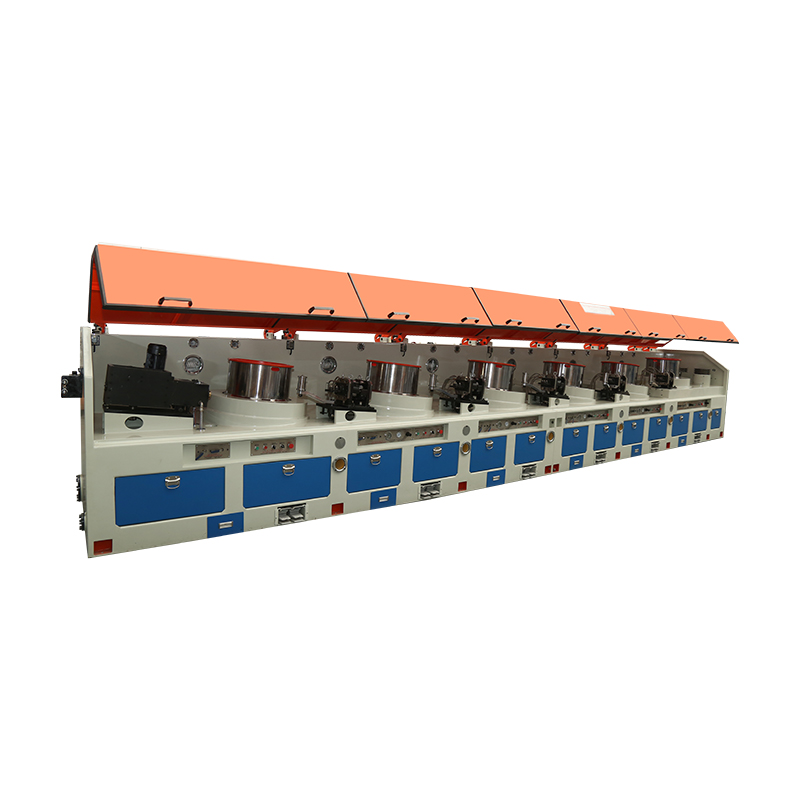
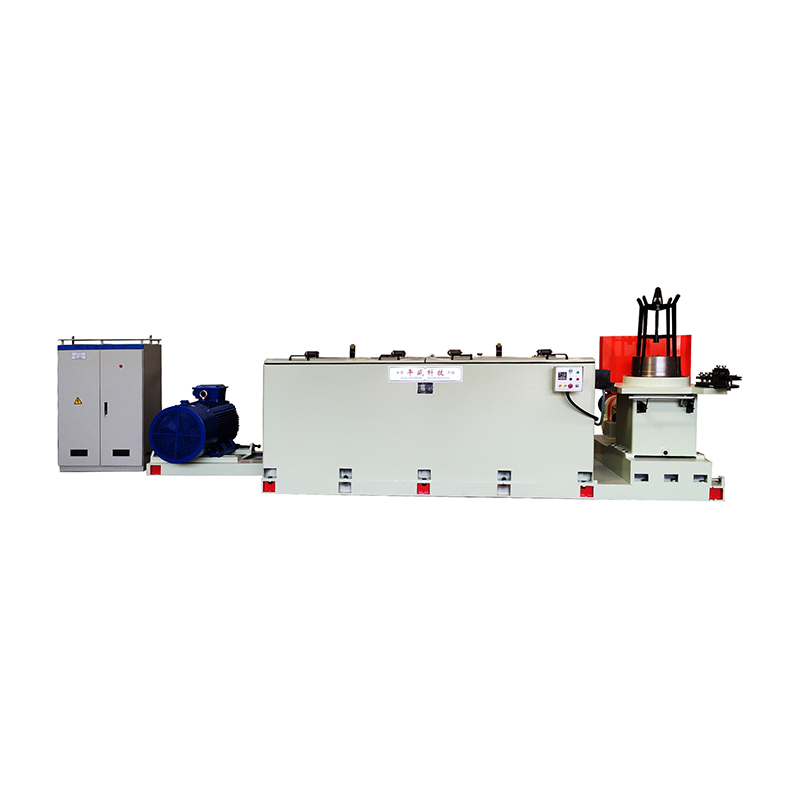
This is the version most customers picture first: a vertical drum with the wire descending through the die sequence, built for stable, continuous drawing of medium and coarse wire. It is designed around the details that decide whether a machine is pleasant to run — die alignment, drum balance, accessible lubrication points, and a control panel an operator can understand without a manual in hand. Electrical configuration is discussed per project rather than fixed in advance, because power supply, automation level and existing line controls vary so much between plants.
Combined With a Single Drawing Block
Some pass schedules need an extra reduction that a standard vertical machine cannot provide on its own. The combined version pairs the inverted vertical drum with a single drawing block, so a plant can reach the final diameter without adding a second machine or re-routing the wire. It is often chosen where floor space is tight and the product mix is wide.
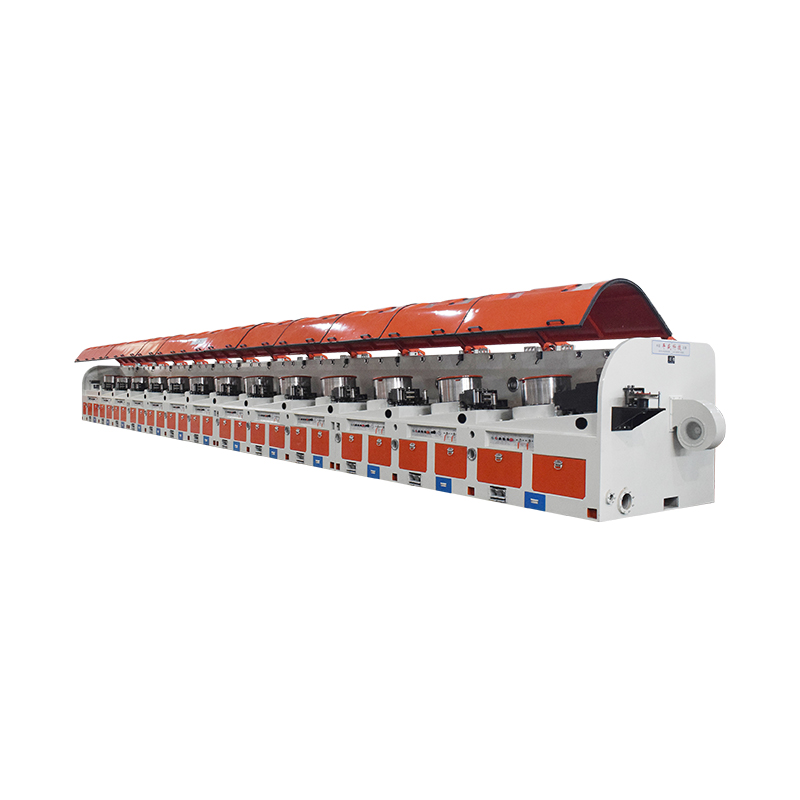
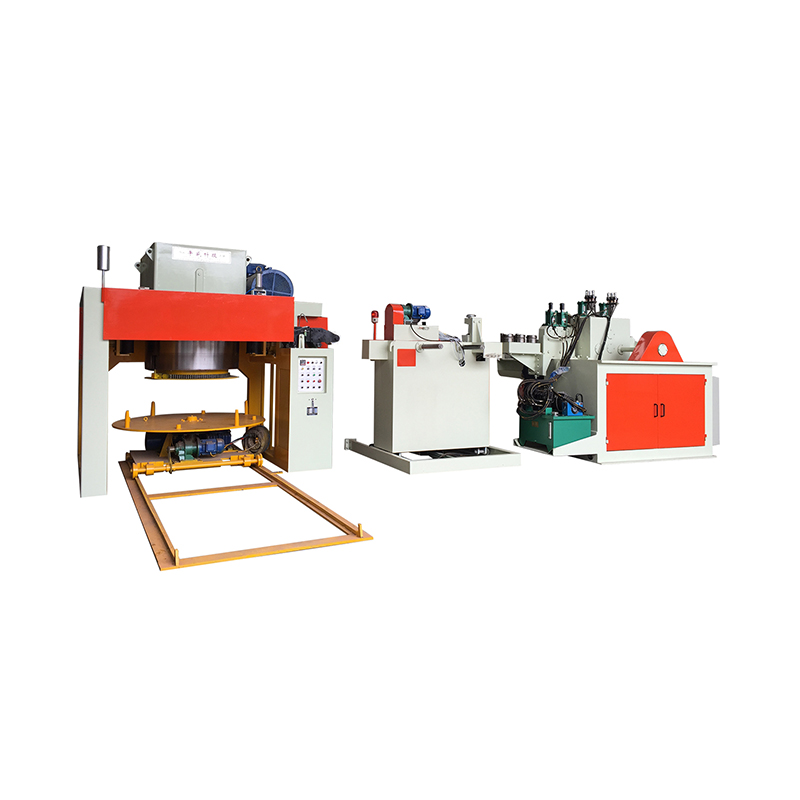
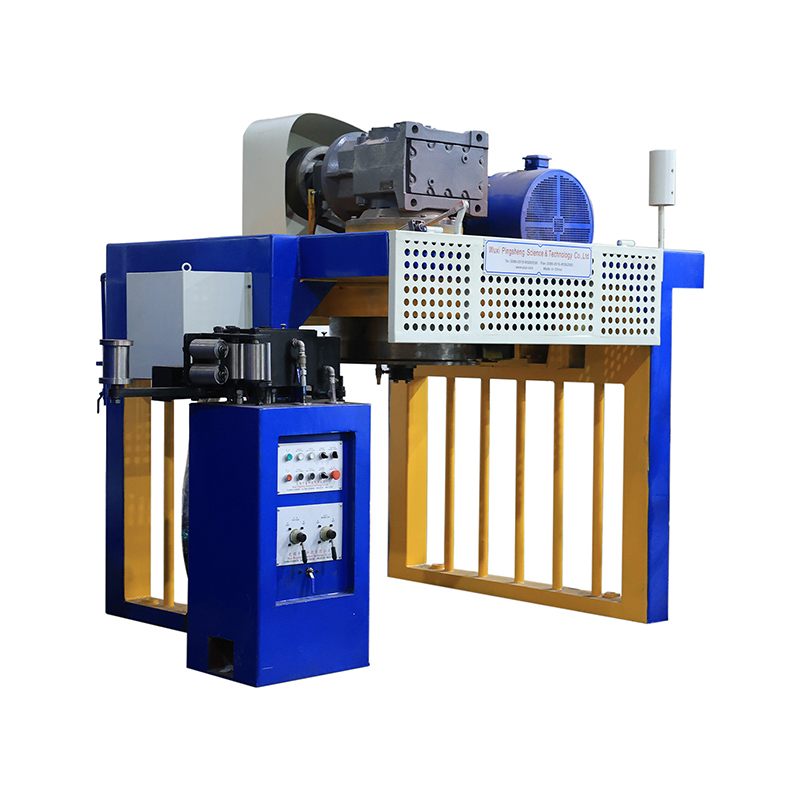 Inverted Vertical Wire Drawing Machine Combined with Single Drawing BlockCombines an inverted vertical drawing line with a single drawing block to add one reduction and support streamlined wire production in tight floor spaces.View Product →
Ordinary Inverted Vertical Wire Drawing Machine
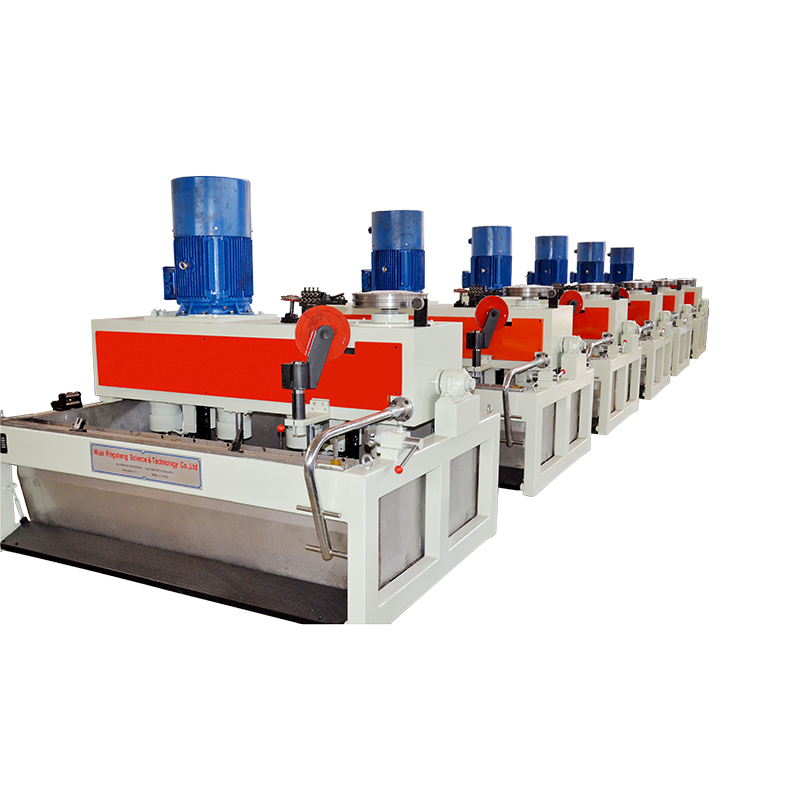
The ordinary version is the straightforward answer for plants that already know what they need: a dependable vertical drawing machine for a defined wire range, without additional blocks or special attachments. Many customers prefer a simple, proven structure that their own maintenance team can service comfortably, and not every project needs to be complicated.
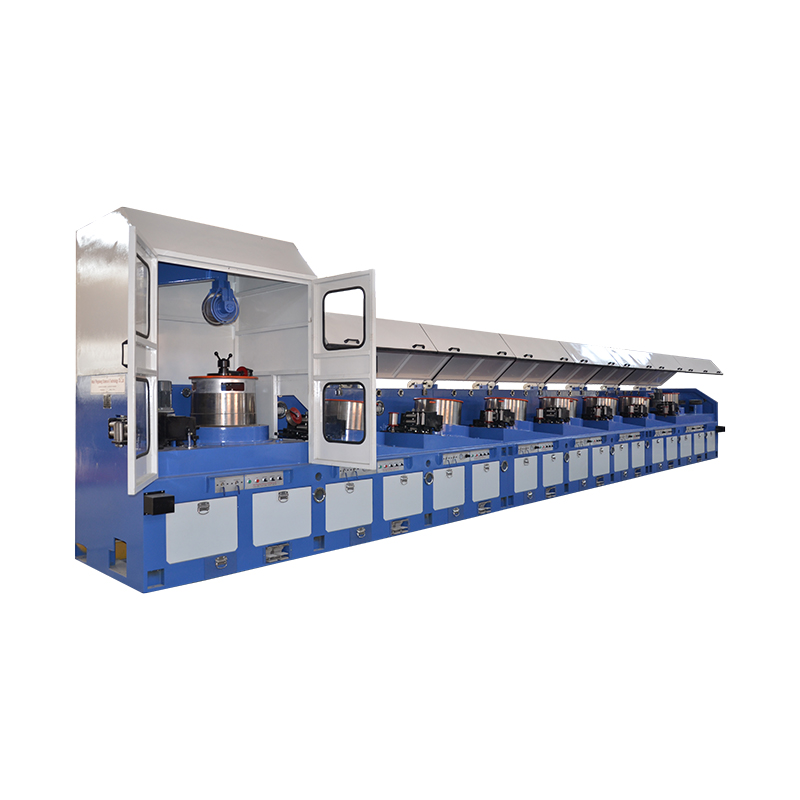
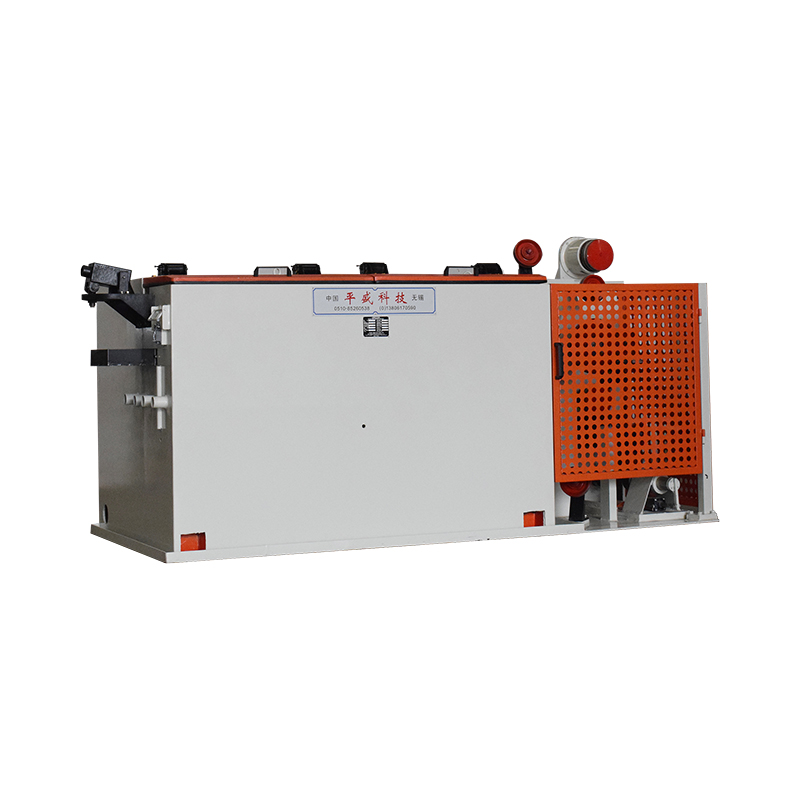
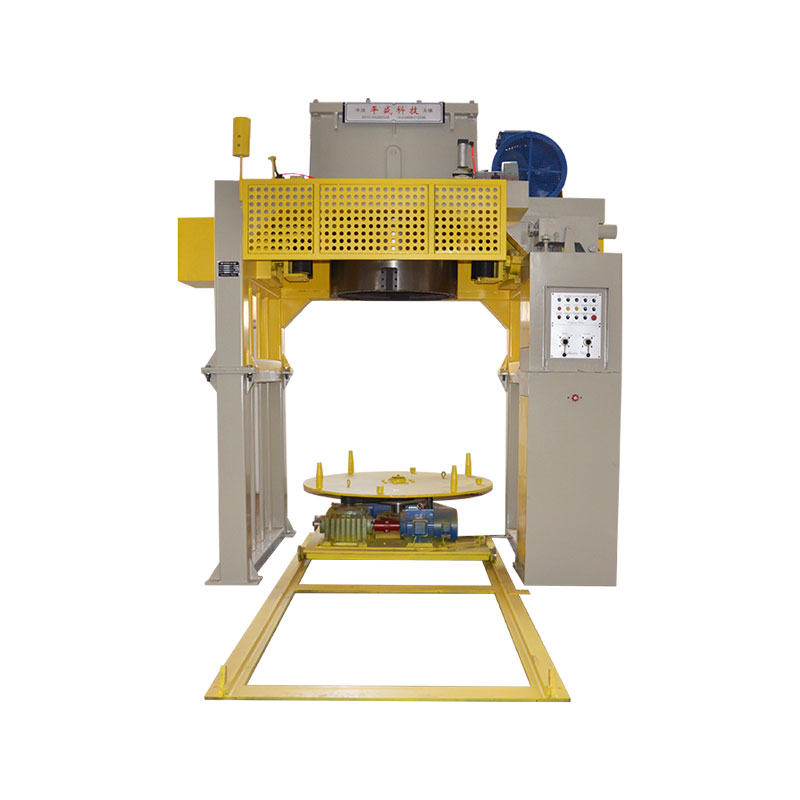 Ordinary Inverted Vertical Wire Drawing Machine for Simple Wire ReductionA straightforward vertical drawing machine for steel, copper, aluminum, and alloy wire, using gravity-fed downward movement and a simple, space-efficient design.View Product →
How the Machine Fits Into a Complete Drawing Line
A drawing machine rarely works alone. Wire arrives from a payoff, passes through the drawing machine, and is collected on a take-up, with surface treatment inserted wherever the product requires it. When those units come from different suppliers, the awkward parts are usually the interfaces: tension matching between payoff and machine, speed synchronisation with the take-up, and the small control signal handshake that decides whether the line runs smoothly or stops for reasons nobody can explain.
Because we also build payoff machines, take-up machines and surface treatment equipment, we can look at the whole line rather than only the middle of it. If you want a sense of how we think about those connections, there is a short article on integrating payoff machines with your line control systems that covers the practical side.
What to Compare When You Visit a Factory
A factory visit is worth far more than a long email thread, but only if you know what to look at. The table below is the checklist we would use ourselves if we were the ones buying a machine.
| What to examine | Why it matters | Question to ask |
|---|---|---|
| Drum machining and balancing | An unbalanced vertical drum shows up as vibration, uneven wire and short bearing life | How is the drum checked before assembly? |
| Die holders and alignment | Small alignment errors become scratches, breaks and rejected coils | How do you set and verify die alignment? |
| Cooling and lubrication design | Heat and poor lubrication sit behind most surface defects | How is the cooling circuit sized for my wire? |
| Electrical control build | Neat wiring and sensible components decide how maintainable the machine is | Which control functions can be adjusted on site? |
| Testing before shipment | A machine that has never been run is a prototype, not a product | What is recorded during the test run? |
| Spare parts and documentation | Downtime is measured in hours, not in the price of a bearing | What is supplied with the machine, and what is kept in stock? |
Quality Control, Testing and Documentation
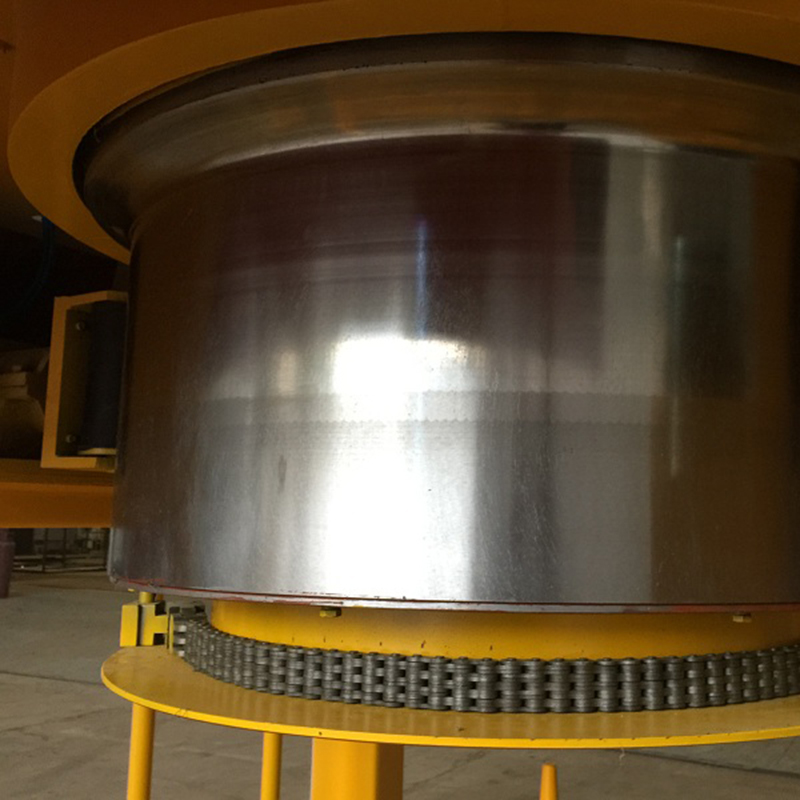
Quality in this kind of equipment is not a certificate on a wall; it is a set of habits. Machined parts should be checked against drawings before assembly, the drum should be inspected for runout and balance, and electrical panels should be wired to a drawing the customer actually receives, with terminals labelled so a technician can trace a fault without guessing.
Before shipment, a machine of this size should be assembled and run, with alignment, drum behaviour, lubrication flow, tension response and safety devices all verified. The paperwork matters just as much: general arrangement drawings, electrical schematics, an operation and maintenance manual, and a spare parts list detailed enough to order replacements years later. Our ISO 9001 certification and patents are not the whole story, but they show that these routines exist on paper — and, we believe, in practice.
Service, Spare Parts and Long-Term Support
We provide after-sales service to customers in China and overseas, and we try to keep it practical. When a machine is commissioned, the people who will run it should be shown how to thread the wire, change dies, check lubrication and read the alarms. Wear parts such as dies, guide rollers and belts should be identified clearly enough for a local purchase, and critical components listed so a replacement can be sourced quickly.
It also helps to discuss service before you buy. Ask how technical questions are handled and how quickly spare parts can be dispatched; a supplier who is comfortable with those questions is usually the one worth keeping.
What to Send Us With Your Enquiry
The more we know about your wire, the more precisely we can recommend a machine instead of guessing. A useful enquiry usually includes:
- Wire material and grade, for example high-carbon steel, PC wire, stainless steel or a non-ferrous alloy.
- Inlet and finished diameters, and the reduction you expect between them.
- Target output or drawing speed, and how many hours a day the machine will run.
- Coil weight and dimensions, and how the finished coil will be handled.
- Power supply, plant layout constraints and the level of automation you want.
- Any existing payoff, take-up or surface treatment equipment the new machine must work with.
Send those details and we will come back with a configuration, a drawing and an honest view of what the machine can and cannot do. That conversation costs nothing, and it tends to save a great deal later.