
 EN
EN
 English
 Español
 Français
 Português
 عربى
عربى
How Does an OTO Pulley Type Wire Drawing Machine Improve Wire Production Efficiency?
Content
What Is an OTO Pulley Type Wire Drawing Machine?
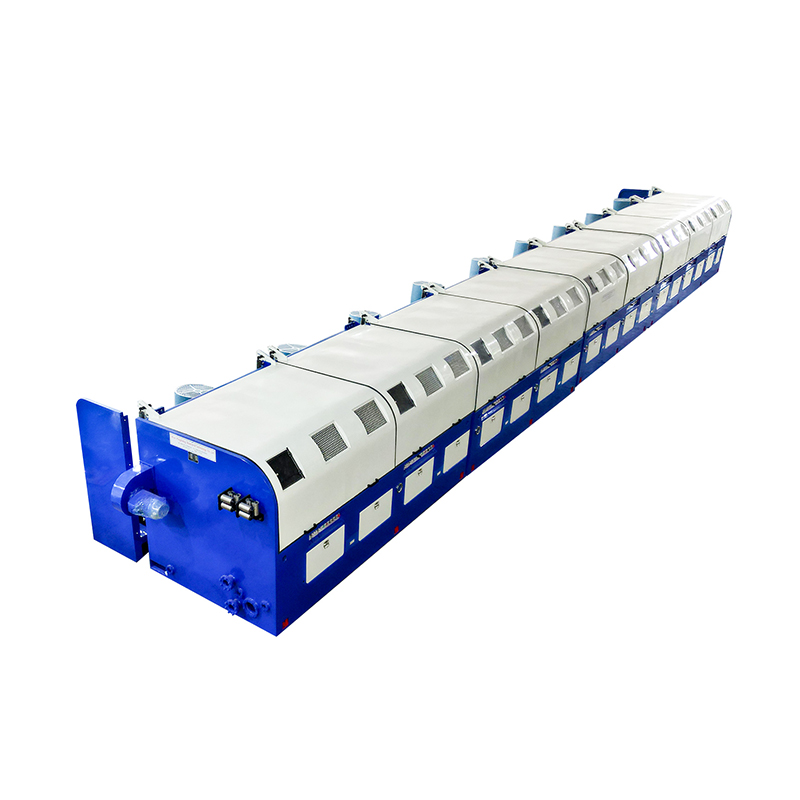
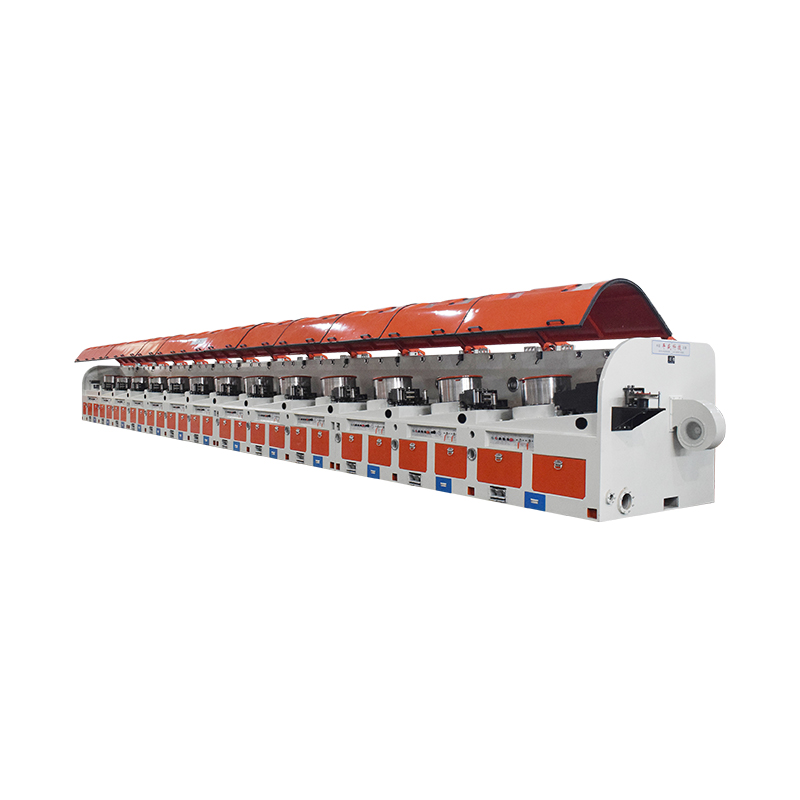
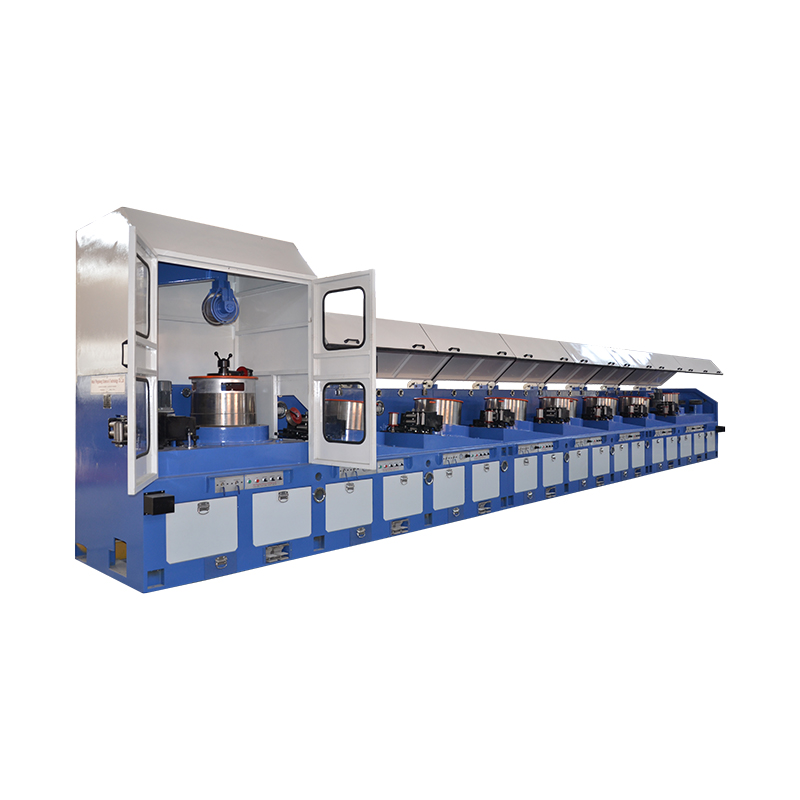
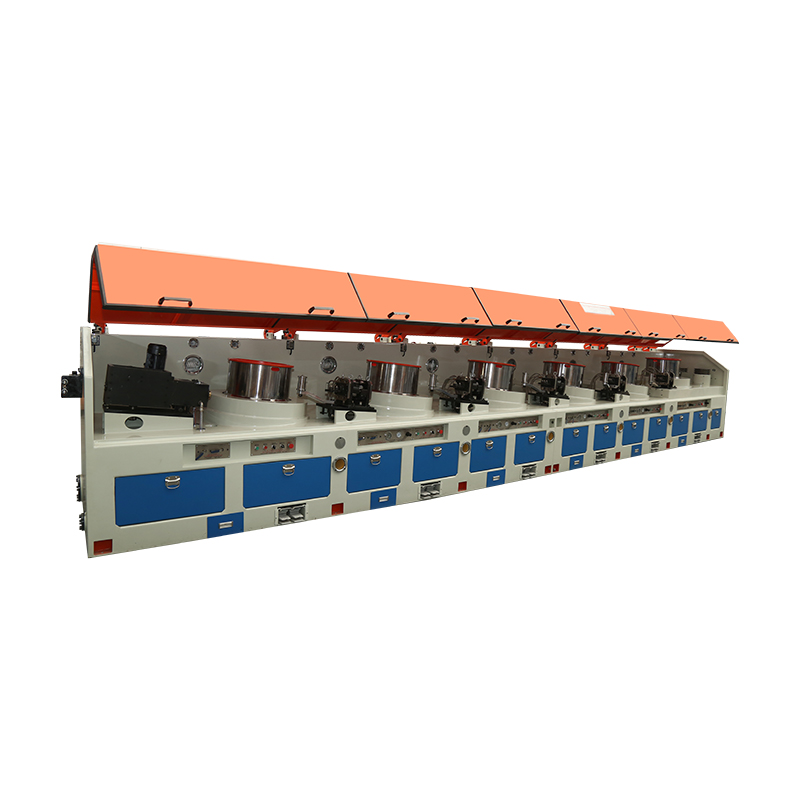
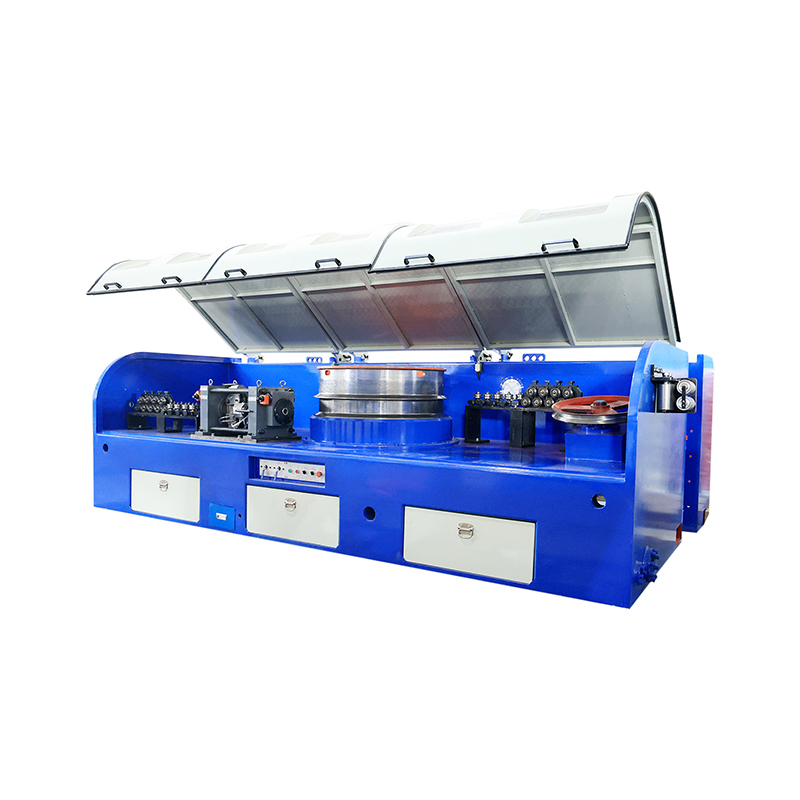
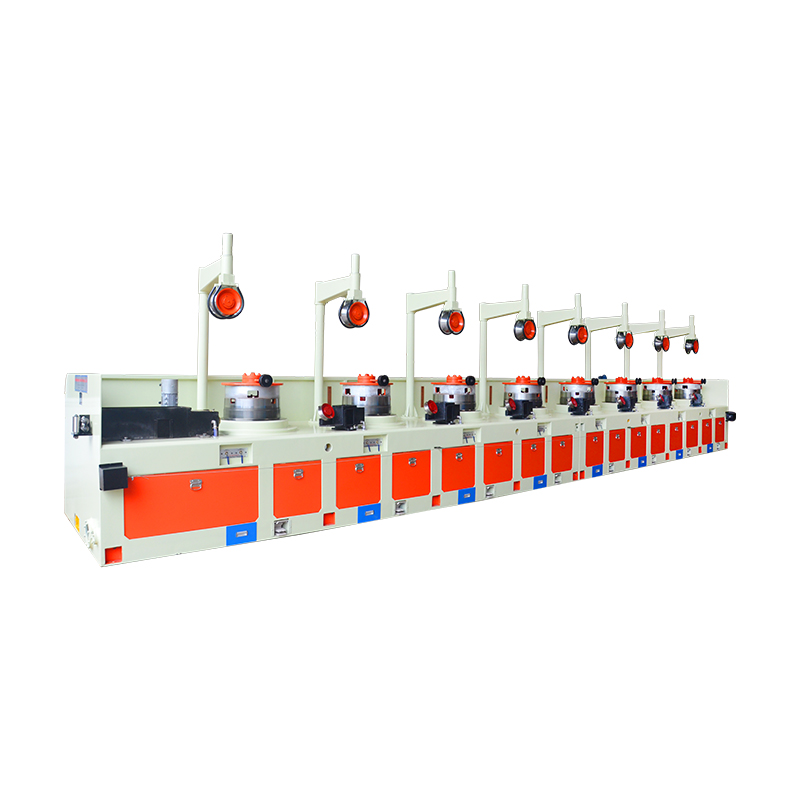
An OTO pulley type wire drawing machine is a mechanical system designed to reduce the diameter of metal wire by pulling it through a series of dies mounted between rotating pulleys, commonly referred to as capstans or bull blocks. The term "OTO" typically refers to a specific configuration or manufacturer designation used in the wire drawing industry, where the pulley arrangement allows continuous, multi-pass drawing without the wire needing to be manually rethreaded between stages.
Unlike single-pass drawing machines, pulley type systems use multiple pulleys arranged in sequence, each paired with a progressively smaller die. As the wire passes through each die and wraps around its corresponding pulley, its diameter decreases while its length increases, all while maintaining consistent tension throughout the process. This continuous drawing method is widely used for producing wire used in construction, electrical, automotive, and general manufacturing applications.
How the Pulley Type Drawing Process Works
The core mechanism of a pulley type wire drawing machine relies on the coordinated speed of each pulley relative to the wire's changing diameter. Since wire volume remains constant during drawing, each successive pulley must rotate slightly faster than the one before it to accommodate the increased length of thinner wire. This speed differential is carefully calibrated to maintain proper tension without causing the wire to snap or slip.
Die Sequencing
Each die in the sequence is slightly smaller than the previous one, gradually reducing the wire's diameter in controlled increments. Skipping too large a reduction in a single pass can weaken the wire or cause breakage, so die spacing is engineered based on the material type and desired final gauge.
Tension Control
Maintaining consistent tension across all pulleys is essential for producing wire with uniform diameter and surface finish. Most OTO pulley type machines include adjustable tension settings, allowing operators to fine-tune the draw based on the specific metal being processed, whether it is steel, copper, aluminum, or specialty alloys.
Lubrication and Cooling
Friction generated during the drawing process produces heat, which can affect both die life and wire quality. These machines typically incorporate a lubrication system that coats the wire before it enters each die, reducing friction and helping dissipate heat throughout the drawing sequence.
Key Components of the Machine
Understanding the main components helps operators troubleshoot issues and perform routine maintenance more effectively. The table below outlines the primary parts and their functions.
| Component | Function |
| Drawing Dies | Progressively reduce wire diameter |
| Capstan Pulleys | Pull wire through dies and control speed |
| Lubrication Box | Coats wire to reduce friction |
| Motor and Drive System | Powers pulley rotation at variable speeds |
| Take-up Reel | Collects finished wire onto spools |
Advantages of Pulley Type Wire Drawing Machines
Pulley type configurations offer several practical benefits over other wire drawing methods, particularly for manufacturers producing medium to high volumes of wire on a continuous basis.
- Continuous multi-pass drawing without manual rethreading between stages
- Consistent tension control that improves final wire quality and surface finish
- Adaptability to various wire materials, including ferrous and non-ferrous metals
- Higher production speeds compared to single-block drawing systems
- Reduced wire breakage due to gradual, controlled diameter reduction
Common Applications in Manufacturing
OTO pulley type wire drawing machines are used across a range of industries where precise wire gauges are required in large quantities. In the construction sector, they are commonly used to produce wire for reinforcing mesh, fencing, and binding wire. In the electrical industry, these machines draw copper and aluminum wire down to fine gauges suitable for cabling and winding applications.
Automotive manufacturers also rely on precisely drawn wire for components such as springs, fasteners, and structural reinforcements. Because the pulley type system allows for consistent, repeatable results across long production runs, it remains a preferred choice for facilities that need to balance output volume with dimensional accuracy.
Maintenance Tips for Long-Term Performance
Regular maintenance is essential for keeping an OTO pulley type wire drawing machine operating efficiently and minimizing unplanned downtime. The following practices help extend equipment life and maintain consistent output quality.
- Inspect dies regularly for wear, since worn dies produce inconsistent wire diameters
- Check lubrication levels and replace lubricant according to the manufacturer's schedule
- Monitor pulley alignment periodically to prevent uneven wire tension
- Clean debris and metal shavings from the drawing area to avoid contamination
- Verify motor and drive system calibration to maintain proper speed synchronization
What to Consider Before Purchasing
Buyers evaluating an OTO pulley type wire drawing machine should first determine the range of wire diameters and materials they plan to process, since different models are optimized for specific gauge ranges and metal types. It is also important to confirm the number of drawing passes the machine supports, as this directly affects how much diameter reduction can be achieved in a single production run.
Additionally, buyers should assess the machine's motor power, production speed, and available automation features, such as automatic tension adjustment or programmable die sequencing. Requesting a demonstration or trial run with the intended wire material can help confirm that the machine meets the specific quality and throughput requirements of the production line before committing to a purchase.