
 EN
EN
 English
 Español
 Français
 Português
 عربى
عربى
How Does an Axle Wet Wire Drawing Machine Improve Your Wire Production Process?
Content
- 1 What Is an Axle Wet Wire Drawing Machine?
- 2 Core Components and How They Work Together
- 3 Key Advantages of Using a Wet Wire Drawing Machine
- 4 Comparing Axle Wet Drawing Machines: Key Specifications to Evaluate
- 5 Choosing the Right Machine for Your Application
- 6 Best Practices for Maintenance and Long-Term Performance
- 7 Industry Applications Where Axle Wet Drawing Machines Excel
- 8 Conclusion
In modern wire manufacturing, the axle wet wire drawing machine stands as one of the most critical pieces of equipment for producing fine, high-quality wire. Whether you are drawing copper, aluminum, or steel wire to precise diameters, understanding how this machine works—and how to select and maintain it properly—can dramatically impact your production efficiency, wire quality, and operational costs. This article takes a deep dive into the mechanics, advantages, selection criteria, and maintenance practices surrounding axle wet wire drawing machines.
What Is an Axle Wet Wire Drawing Machine?
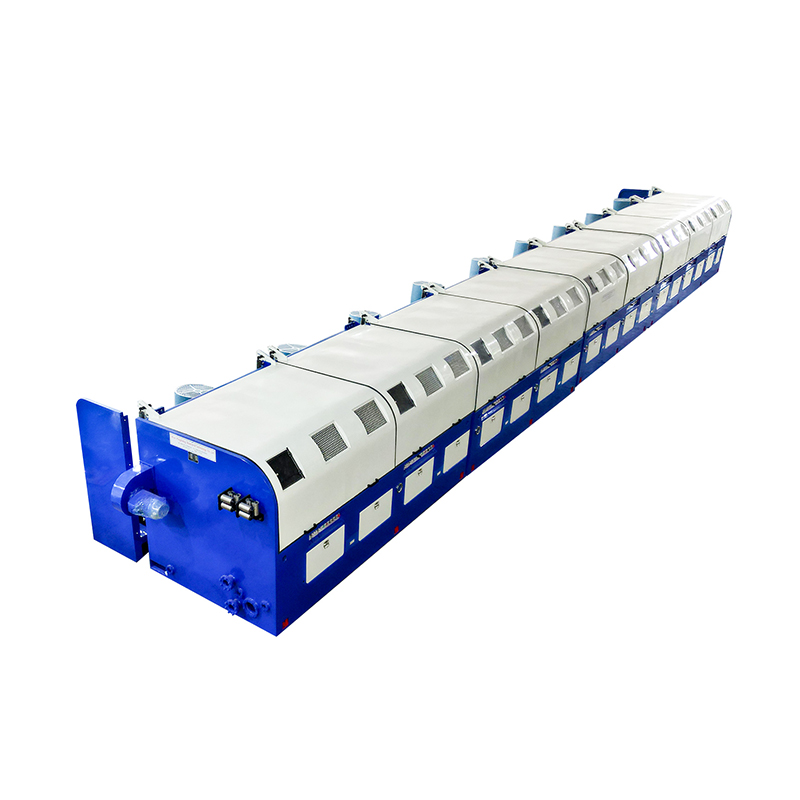
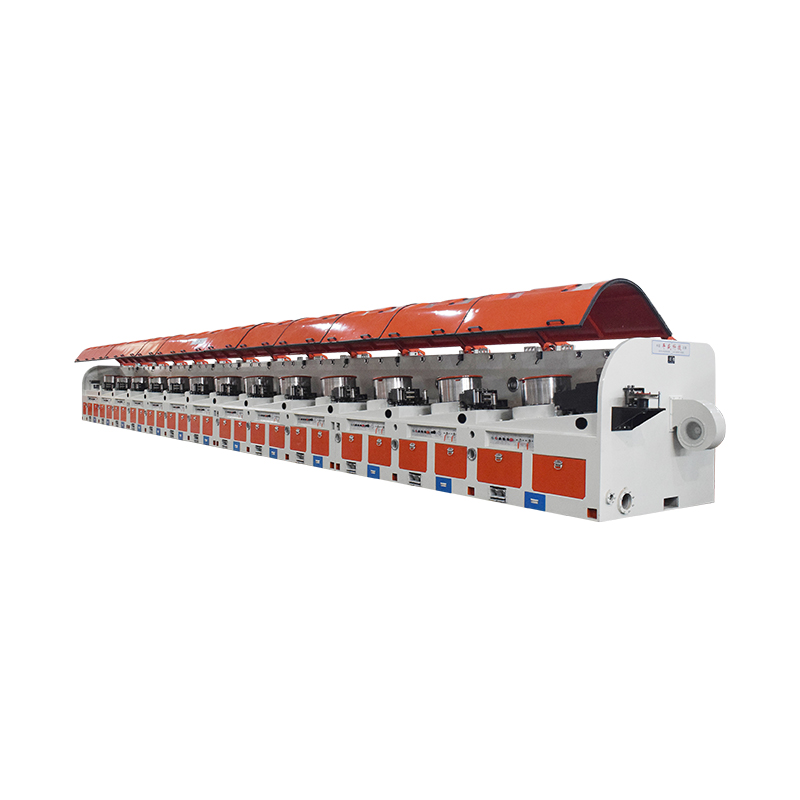
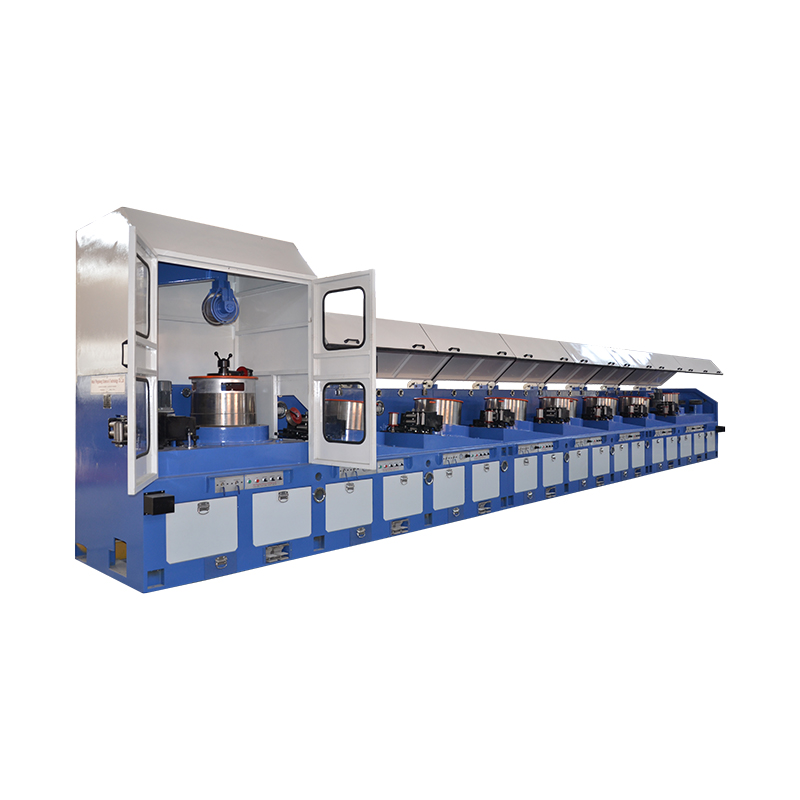
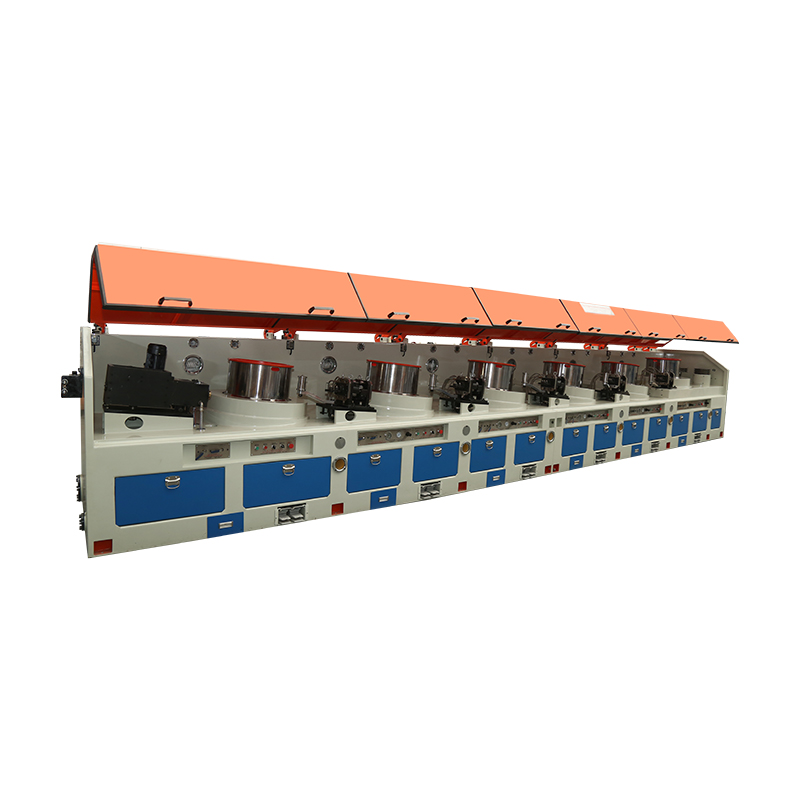
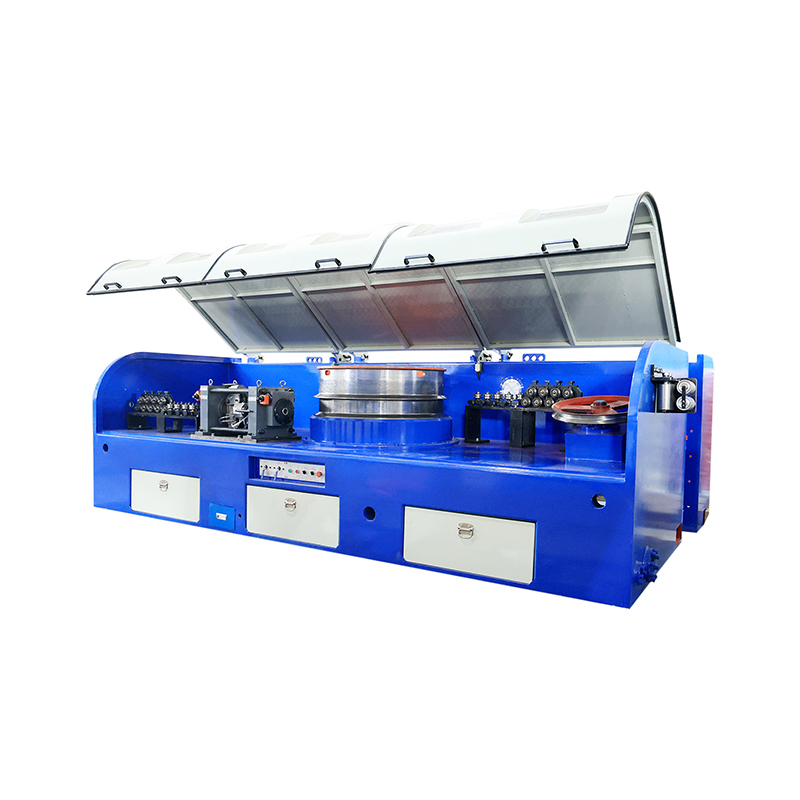
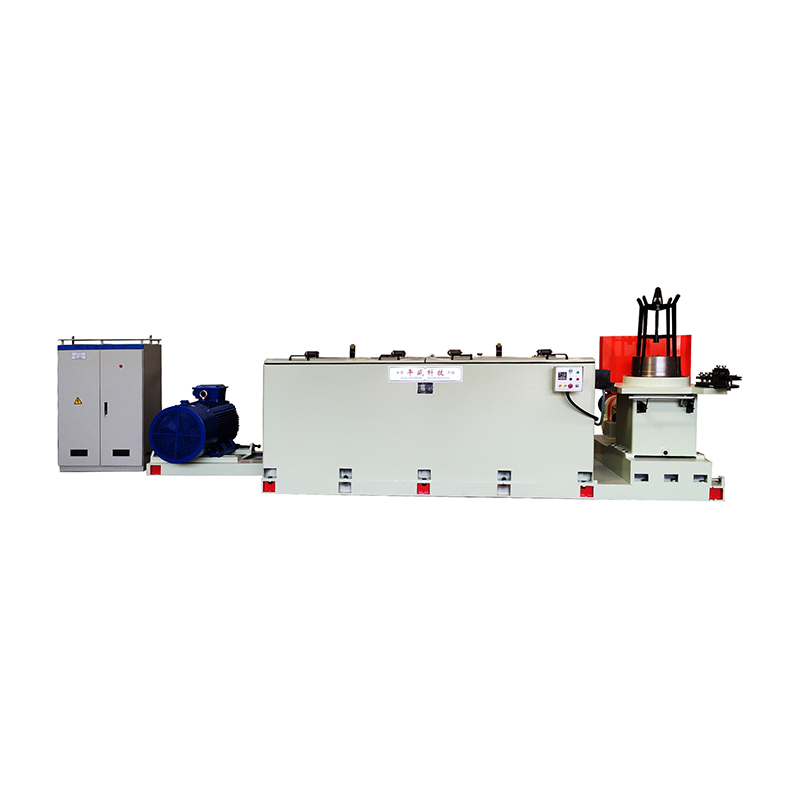
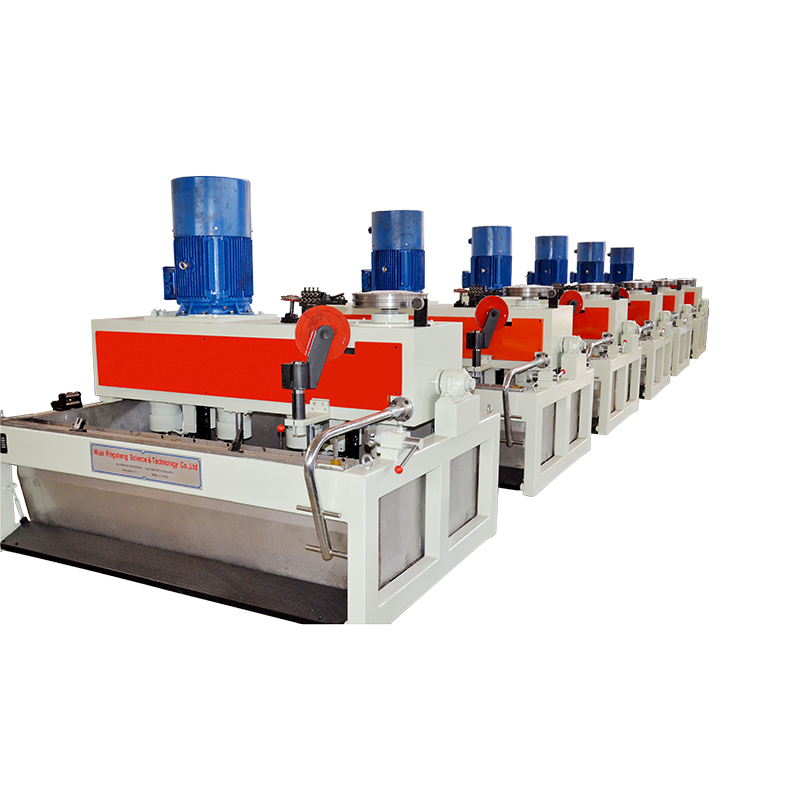
An axle wet wire drawing machine is a specialized industrial device used to reduce the cross-sectional diameter of wire by pulling it through a series of progressively smaller dies. The term "wet" refers to the use of liquid lubricant—typically an emulsion or soap solution—that is continuously applied to the wire and dies during the drawing process. The "axle" component refers to the rotating drum or capstan arrangement that drives the wire through each die stage.
Unlike dry drawing machines that use powder lubricants, wet drawing machines immerse the entire drawing process in a liquid coolant-lubricant bath. This makes them especially well-suited for drawing very fine wire gauges, where heat generation and surface finish are critical concerns. These machines are commonly used in the production of enameled winding wire, telecom cables, electronics wire, and precision spring wire.
Core Components and How They Work Together
To fully appreciate the capability of an axle wet wire drawing machine, it is important to understand its main components and how each one contributes to the drawing process.
Drawing Dies
The dies are the heart of the wire drawing process. Made from tungsten carbide or natural diamond for fine wire applications, each die has a precisely engineered aperture that compresses the wire to a smaller diameter as it passes through. A typical axle wet drawing machine employs a multi-die arrangement, with 12 to 25 dies used in sequence. Each die reduces the wire diameter by a small, calculated percentage—known as the reduction ratio—to avoid excessive stress on the material.
Capstan Drums (Axles)
Between each die, there is a rotating capstan drum, or axle, that pulls the wire through the die and maintains the correct tension for the next drawing stage. These axles are submerged in or continuously sprayed with lubricant to ensure smooth wire passage. The speed of each axle is precisely synchronized with the others to maintain constant tension and avoid wire breakage.
Lubrication and Cooling System
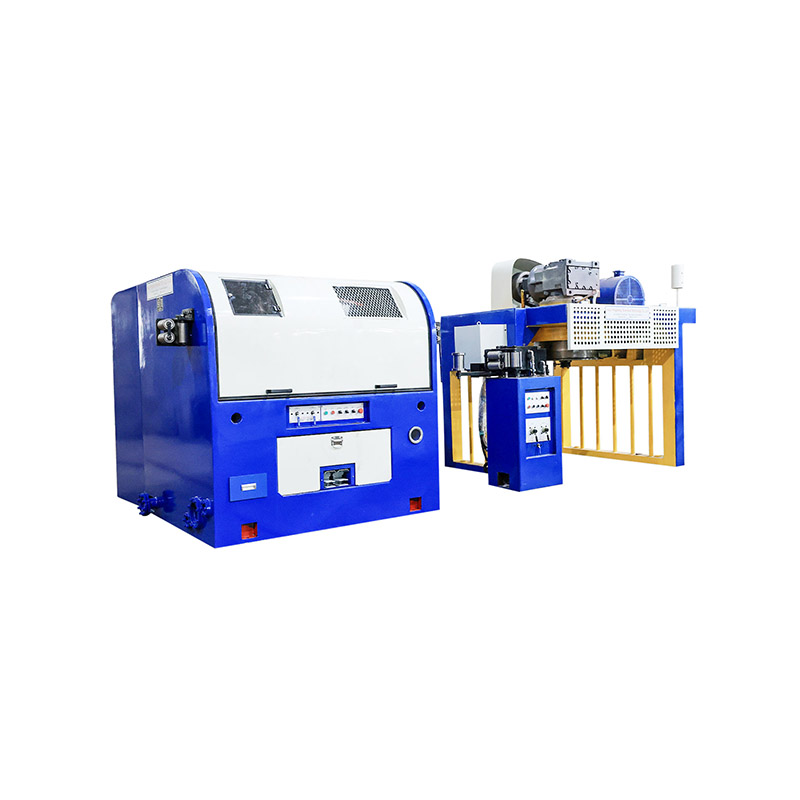
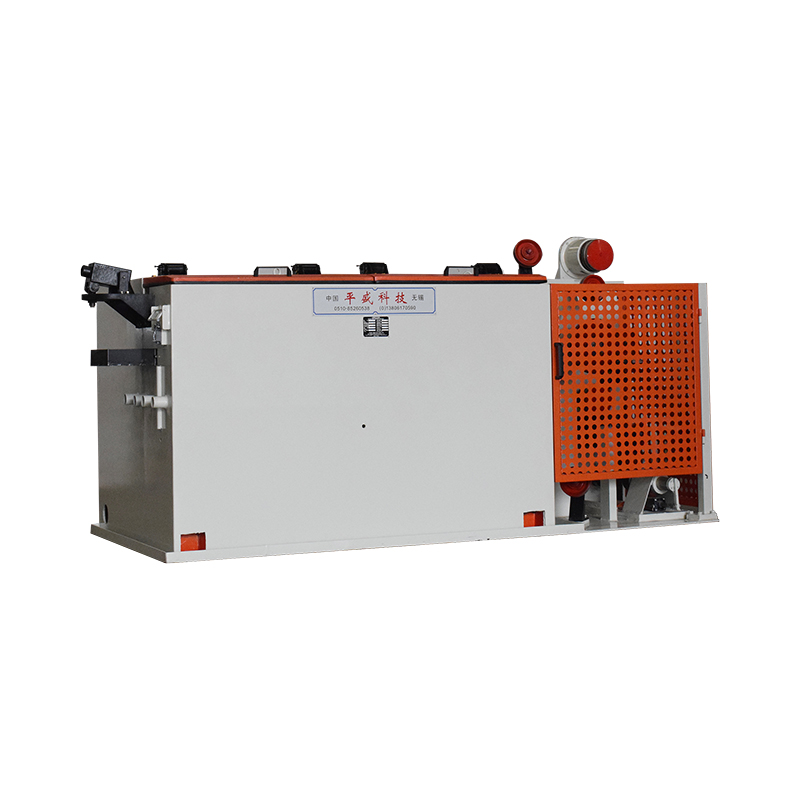
The wet lubrication system is what differentiates this machine from its dry counterpart. A pump circulates the liquid lubricant—usually an oil emulsion or synthetic drawing fluid—through the machine housing, surrounding the dies and axles. This serves a dual purpose: it reduces friction between the wire and die surfaces, extending die life, and it dissipates the heat generated by plastic deformation of the wire, which is particularly important when drawing at high speeds.
Take-Up Spool and Pay-Off System
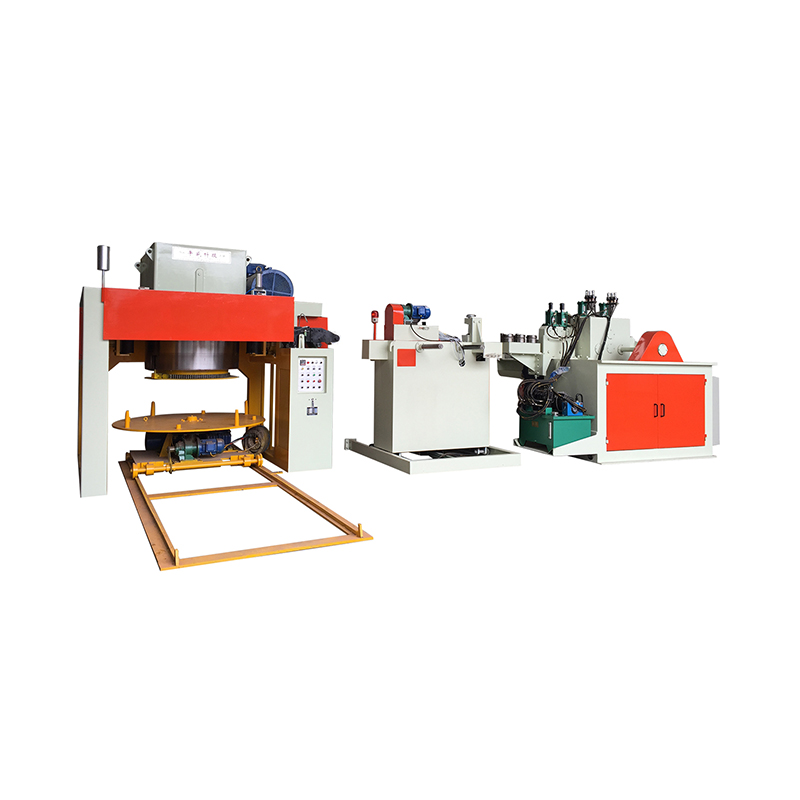
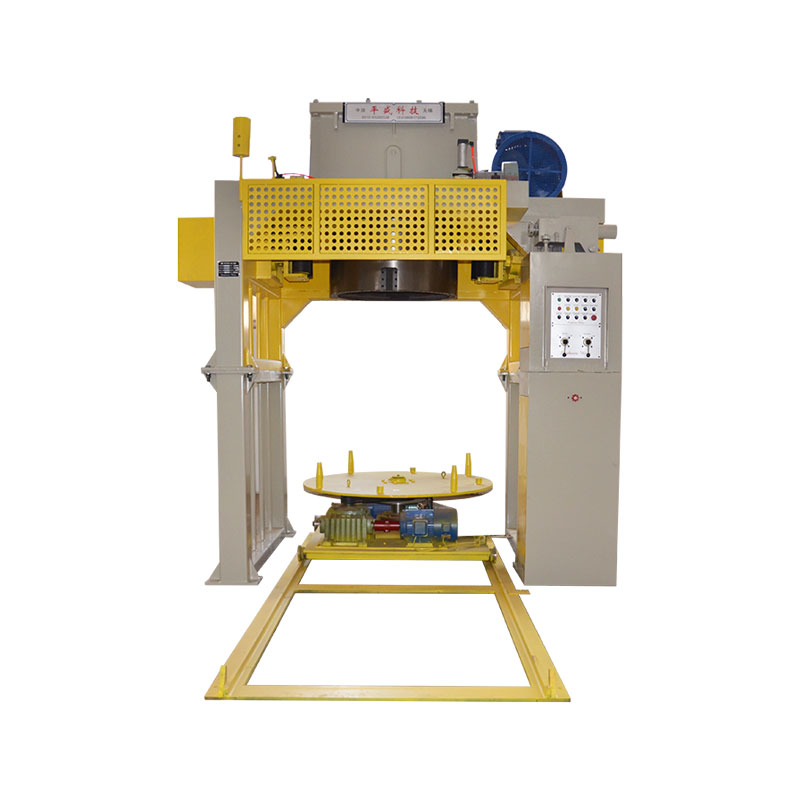
The pay-off system feeds raw wire into the machine at a controlled rate, while the take-up spool collects the finished fine wire at the output end. Modern machines use electronic tension control systems to ensure consistent spool winding and prevent wire kinking or tangling.
Key Advantages of Using a Wet Wire Drawing Machine
Manufacturers around the world choose axle wet wire drawing machines for a range of compelling reasons. Below are the primary benefits:
- Superior Surface Quality: The continuous lubrication prevents surface oxidation and scoring, resulting in wire with a smooth, bright finish ideal for downstream processes like enameling or electroplating.
- High Drawing Speeds: Wet lubrication enables significantly higher drawing speeds compared to dry machines—often exceeding 2,000 meters per minute for fine copper wire—without risking thermal damage to the wire.
- Extended Die Life: Liquid lubricants drastically reduce wear on the drawing dies, lowering maintenance costs and reducing machine downtime for die replacement.
- Fine Gauge Capability: These machines can produce wire as fine as 0.02mm in diameter, making them indispensable for electronics, magnet wire, and precision instruments manufacturing.
- Lower Wire Breakage Rate: Efficient cooling and lubrication reduce the internal stresses that cause wire snapping, improving overall yield rates.
Comparing Axle Wet Drawing Machines: Key Specifications to Evaluate
When selecting an axle wet wire drawing machine, comparing technical specifications across models is essential. The table below highlights the most important parameters to evaluate:
| Parameter | Typical Range | Importance |
| Number of Dies | 12 – 25 | Determines reduction range |
| Inlet Wire Diameter | 0.5mm – 3.0mm | Defines raw material compatibility |
| Outlet Wire Diameter | 0.02mm – 0.5mm | Final product specification |
| Maximum Drawing Speed | 800 – 3,000 m/min | Directly affects output volume |
| Motor Power | 7.5kW – 75kW | Energy consumption and torque |
| Lubrication System Type | Emulsion / Synthetic Fluid | Affects die life and wire quality |
| Control System | PLC / Servo Drive | Automation and precision level |
Choosing the Right Machine for Your Application
Selecting the appropriate axle wet wire drawing machine requires a clear understanding of your production requirements. Several factors should guide your decision-making process.
Wire Material and Target Diameter
Different metals respond differently to drawing. Copper is highly ductile and well-suited for ultra-fine wet drawing, while aluminum requires careful control of reduction ratios to avoid cracking. Stainless steel demands higher-powered machines with reinforced dies. Always confirm that the machine's inlet-to-outlet diameter range matches your intended production specifications.
Production Volume and Speed Requirements
High-volume production environments benefit from machines with faster drawing speeds and automated take-up systems that minimize downtime between spools. For smaller batch operations or specialty wire, a mid-range machine with flexible die configurations may offer better cost-efficiency.
Automation and Control Features
Modern axle wet wire drawing machines increasingly incorporate PLC (Programmable Logic Controller) systems, touchscreen HMI panels, and servo motor drives. These features allow operators to set and monitor speed ratios, tension levels, and lubrication flow rates with precision. Machines with automatic wire breakage detection and re-threading assistance significantly reduce operator workload and production loss.
Best Practices for Maintenance and Long-Term Performance
Even the most advanced axle wet wire drawing machine requires disciplined maintenance to sustain optimal performance. Following a structured maintenance program protects your investment and ensures consistent wire quality.
- Lubricant Quality Control: Test the concentration and pH of the drawing lubricant daily. Degraded or contaminated lubricant causes die wear and poor wire surface quality. Replace or replenish the fluid according to the manufacturer's recommended schedule.
- Die Inspection and Replacement: Inspect dies regularly under magnification for signs of wear, ovality, or cracking. Even minor die deformation results in off-diameter wire and increased breakage rates. Keep a die rotation log to track wear patterns.
- Axle and Bearing Maintenance: Lubricate axle bearings at scheduled intervals and check for abnormal vibration or noise during operation. Worn bearings cause speed inconsistencies that directly affect wire tension and quality.
- Electrical and Control System Checks: Periodically verify servo drive calibration, sensor functionality, and PLC parameter settings. Electrical faults in the tension control system are a leading cause of unexpected wire breakage.
- Cleaning and Housekeeping: Drain and clean the lubrication tank regularly to prevent bacterial growth and sediment buildup, both of which can clog circulation lines and contaminate the wire surface.
Industry Applications Where Axle Wet Drawing Machines Excel
The versatility of axle wet wire drawing machines makes them applicable across a broad spectrum of industries. Their ability to produce consistent, fine-diameter wire with excellent surface characteristics has made them indispensable in the following sectors:
- Electrical and Electronics: Production of enameled magnet wire for transformers, motors, and inductors, where precise diameter and surface integrity are non-negotiable.
- Telecommunications: Drawing of copper and aluminum conductors for data cables, coaxial cables, and fiber optic messenger wires.
- Automotive: Manufacturing of fine wiring harness conductors and sensor cables that require tight dimensional tolerances.
- Medical Devices: Producing ultra-fine wire for surgical instruments, guidewires, and implantable device leads, where cleanliness and precision are paramount.
- Precision Springs and Fasteners: Drawing stainless steel or alloy wire for high-tolerance spring components used in aerospace and defense applications.
Conclusion
The axle wet wire drawing machine is a sophisticated and highly effective solution for manufacturers who demand fine wire with superior surface quality, tight dimensional control, and high production throughput. By understanding its core components, evaluating the right specifications for your application, and adhering to a rigorous maintenance regime, you can unlock the full potential of this technology. As wire manufacturing continues to evolve toward finer gauges and stricter quality standards, investing in the right axle wet wire drawing machine—and operating it correctly—will remain a decisive competitive advantage.