
 EN
EN
 English
 Español
 Français
 Português
 عربى
عربى
How Does a Wet Wire Drawing Machine Work and What Should You Look for When Buying One?
Content
What Is a Wet Wire Drawing Machine
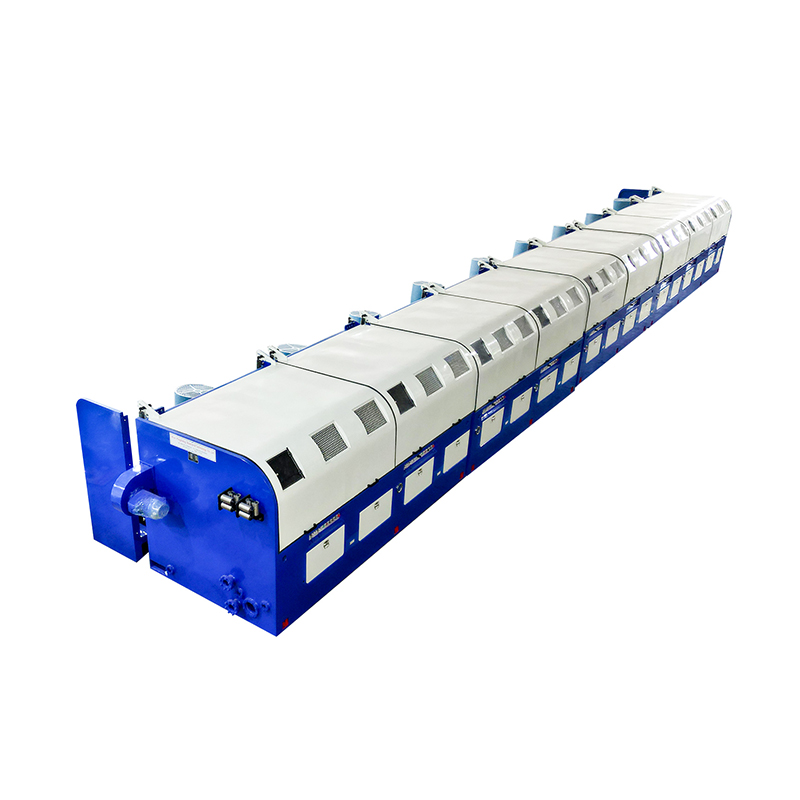
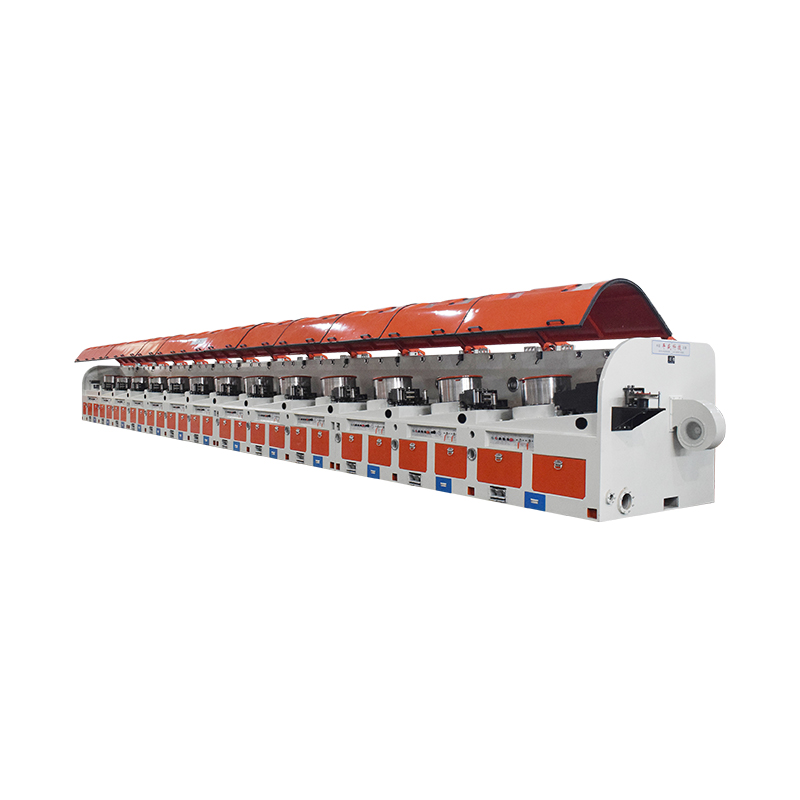
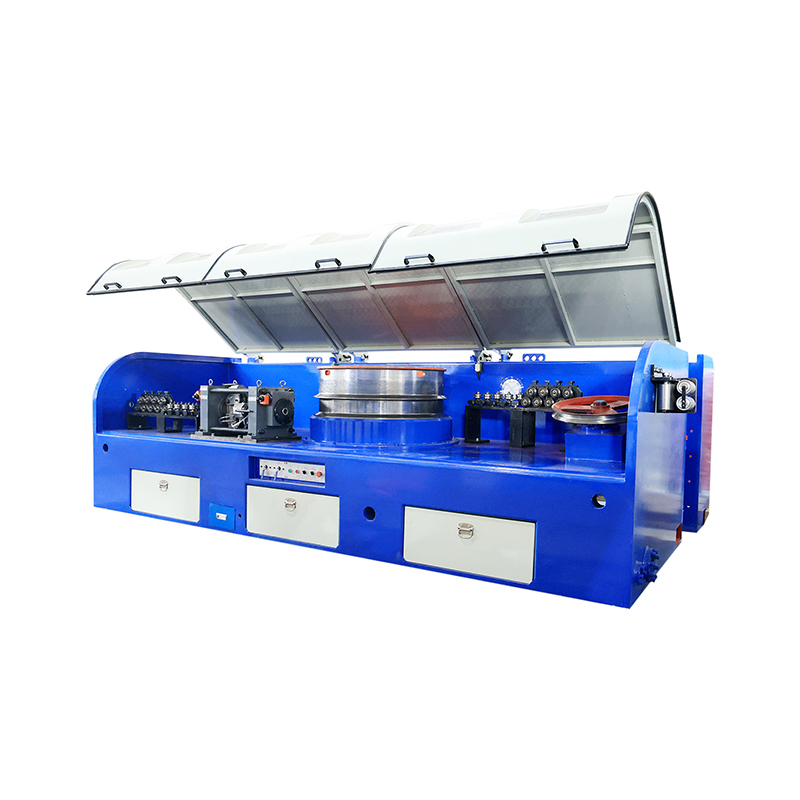
A wet wire drawing machine is an industrial machine that reduces the diameter of metal wire by pulling it through a series of progressively smaller dies while the wire and dies remain fully submerged in a liquid coolant and lubricant, typically a water based emulsion. This continuous immersion distinguishes wet drawing from dry drawing, where lubricant is applied as a powder or thin coating rather than a circulating liquid bath. The submerged environment allows for more effective heat dissipation during the drawing process, which becomes especially important when working with fine gauge wire or high speed production lines where friction generates significant heat.
Wet wire drawing machines are widely used in the production of fine and medium gauge wire for applications such as electrical conductors, fasteners, springs, and mesh products, where consistent diameter, smooth surface finish, and minimal work hardening are essential quality requirements.
How the Wet Drawing Process Works
During wet wire drawing, a coil of wire feeds into the machine and is pulled through a sequence of dies mounted in a row, each with a progressively smaller opening than the last. As the wire passes through each die, its diameter decreases while its length increases proportionally, and the wire gains tensile strength through the cold working effect of the drawing process. Between each die, the wire travels around a capstan, which is a rotating drum that applies the pulling tension needed to draw the wire through the next die in the sequence.
Throughout this process, the entire drawing section remains submerged in or continuously flooded with a coolant lubricant solution, which serves two critical functions: reducing friction between the wire and die surfaces to minimize wear, and carrying away the heat generated by the drawing process to prevent overheating that could otherwise degrade wire quality or damage the dies. The coolant is typically filtered and recirculated continuously to maintain consistent lubrication quality throughout production runs.
Wet Drawing vs Dry Drawing
Manufacturers choose between wet and dry drawing methods based on the wire gauge, production speed, and desired surface finish. The table below compares the two approaches.
| Factor | Wet Drawing | Dry Drawing |
| Typical Wire Gauge | Fine to medium gauge | Medium to heavy gauge |
| Heat Management | Excellent, continuous liquid cooling | Limited, relies on air cooling between passes |
| Production Speed | High, suitable for fast multi-die lines | Moderate, often used for single pass or low speed runs |
| Surface Finish | Smooth, consistent finish | Slightly rougher, depending on lubricant type |
| Maintenance Needs | Requires coolant filtration and tank upkeep | Simpler lubricant application system |
Wet drawing machines are generally favored for high speed, high volume production of finer wire gauges where surface quality and consistent heat control are top priorities, while dry drawing remains common for heavier gauge wire or lower volume operations.
Key Components of a Wet Wire Drawing Machine
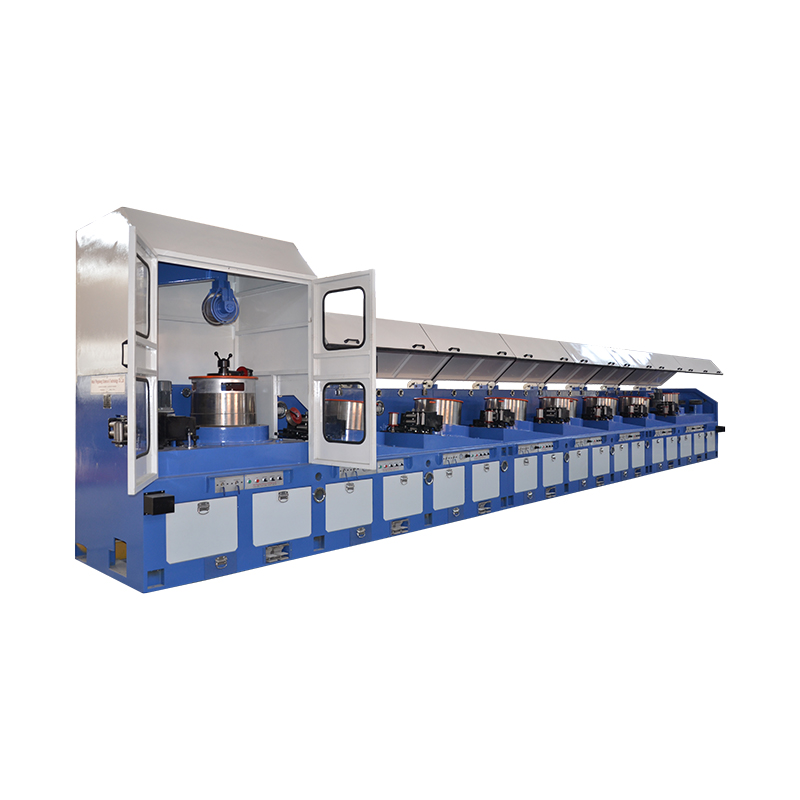
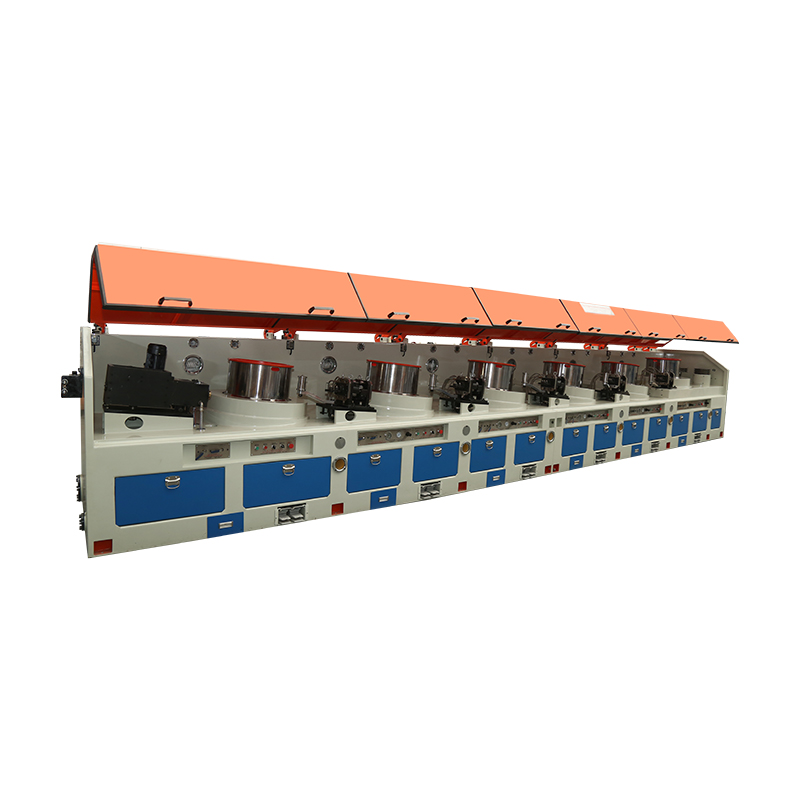
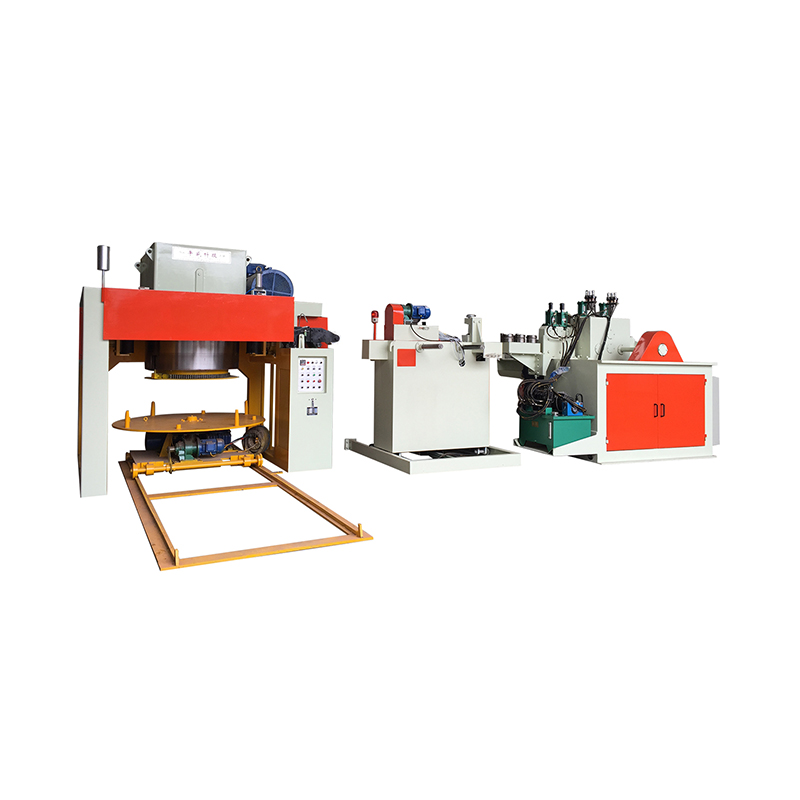
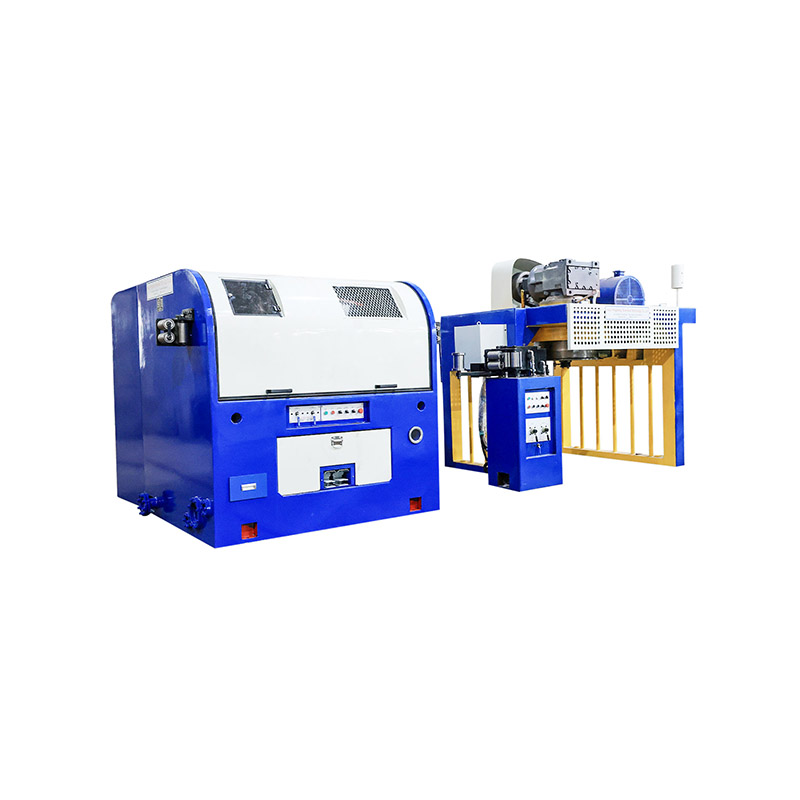
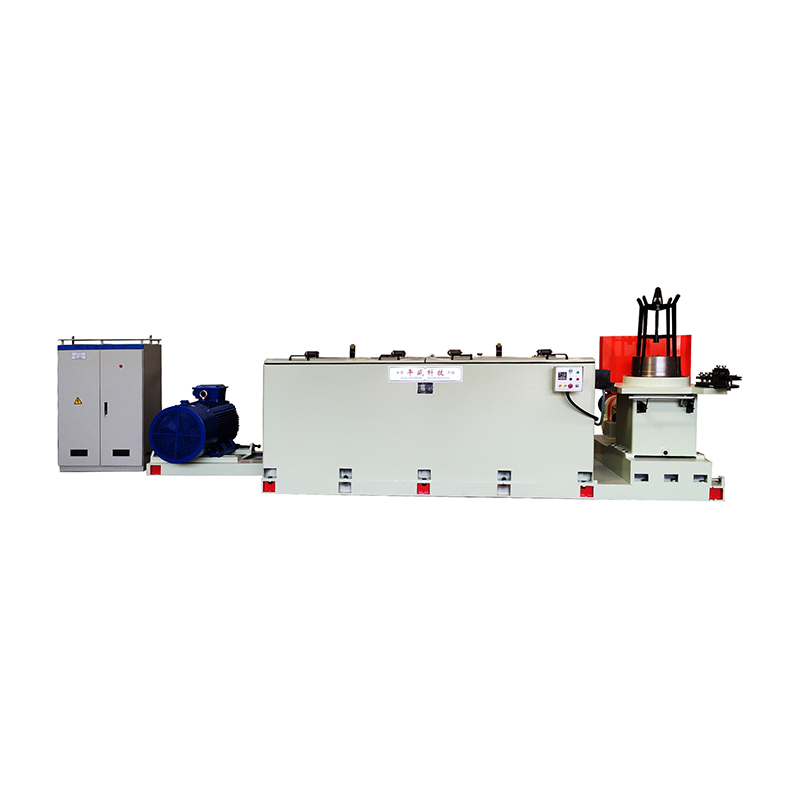
Understanding the main components of a wet wire drawing machine helps operators and buyers evaluate equipment options and troubleshoot performance issues. The core components typically include the following.
- A wire payoff or uncoiling unit that feeds raw wire into the machine at a controlled tension
- A series of dies, often made from tungsten carbide or polycrystalline diamond, that progressively reduce wire diameter
- Capstans or drawing drums positioned between dies to apply pulling tension and accumulate drawn wire
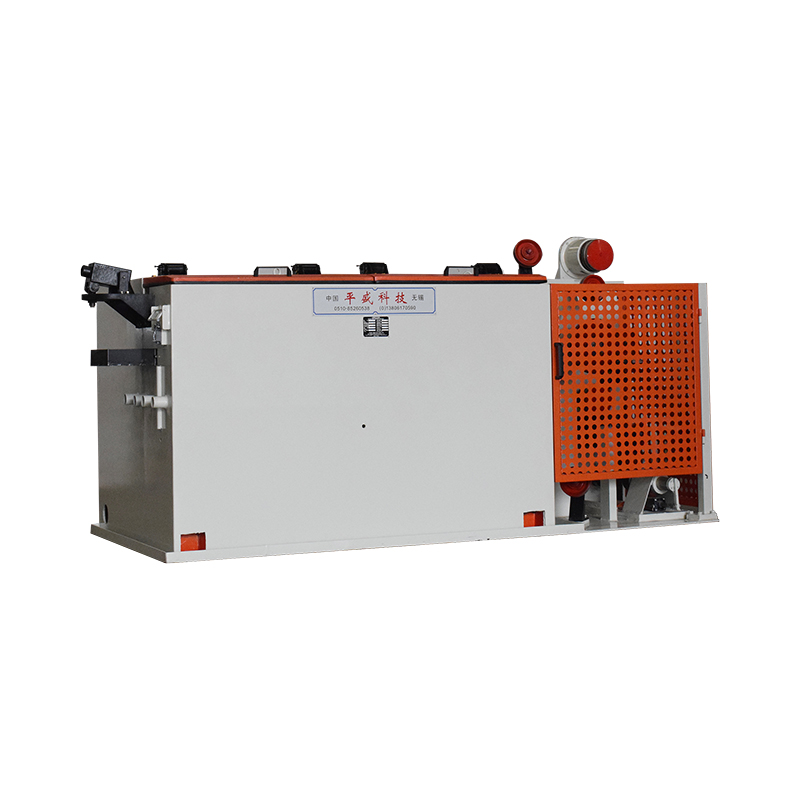
- A coolant circulation system, including a tank, pump, and filtration unit, to maintain lubricant quality and temperature
- A take-up or spooling unit that winds the finished wire onto reels or bobbins for storage and shipping
How to Choose the Right Machine for Your Operation
Match Wire Material and Gauge Range
Different wet wire drawing machines are designed for specific material types, such as copper, aluminum, or steel, and specific gauge ranges. Selecting a machine rated for the exact material and starting to finishing diameter range needed for your products ensures optimal performance and reduces the risk of excessive die wear or wire breakage during production.
Evaluate Speed and Production Capacity
Production speed requirements vary significantly depending on order volume and customer demand. Higher speed machines increase throughput but may require more sophisticated coolant systems and precision die alignment to maintain quality at faster line speeds, so it is important to balance speed capability with the operation's actual production needs and budget.
Assess Cooling System Capacity and Filtration Quality
Since the coolant system is central to wet drawing performance, evaluating the tank capacity, pump flow rate, and filtration efficiency is essential when comparing machine options. Insufficient cooling capacity can lead to overheating issues at higher production speeds, while inadequate filtration allows debris to accumulate and accelerate die wear over time.
Maintenance and Operational Tips
Consistent maintenance keeps a wet wire drawing machine running efficiently and helps avoid costly unplanned downtime. Operators should incorporate routine checks into their regular production schedule to catch potential issues early.
- Monitor coolant concentration and pH levels regularly, since degraded lubricant quality directly affects surface finish and die life
- Inspect dies periodically for wear or chipping, replacing them promptly to prevent dimensional inconsistencies in the finished wire
- Clean and replace coolant filters on a set schedule to prevent contaminant buildup from circulating through the system
- Check capstan alignment and tension settings to avoid uneven wire wrapping or unnecessary stress on the wire during drawing
By understanding how the wet drawing process works, selecting equipment matched to specific material and production requirements, and maintaining the coolant and die systems consistently, manufacturers can achieve reliable, high quality wire production while extending the operational lifespan of their wet wire drawing machine.