
 EN
EN
 English
 Español
 Français
 Português
 عربى
عربى
Dry vs Wet Wire Drawing: Which Process Is Right for You?
Content
- 1 Understanding the Wire Drawing Process Fundamentals
- 2 Dry Wire Drawing Process Explained
- 3 Wet Wire Drawing Process Explained
- 4 Comparative Analysis: Key Performance Metrics
- 5 Application-Specific Recommendations
- 6 Economic Considerations and Cost Analysis
- 7 Hybrid and Modern Approaches
- 8 Making Your Decision: Key Evaluation Factors
Wire drawing represents one of the most fundamental metalworking processes in modern manufacturing, transforming thick wire rods into progressively thinner wires through a series of dies. The choice between dry and wet wire drawing methods significantly impacts product quality, production efficiency, operational costs, and environmental considerations. Understanding the fundamental differences between these two approaches, along with their respective advantages and limitations, enables manufacturers to select the optimal process for their specific applications and production requirements. This comprehensive guide examines both dry and wet wire drawing techniques, providing detailed insights to help you make informed decisions for your wire production needs.
Understanding the Wire Drawing Process Fundamentals
Wire drawing is a metalworking process that reduces wire diameter by pulling it through a series of progressively smaller dies. The process begins with a wire rod, typically ranging from 5mm to 12mm in diameter, which undergoes multiple drawing passes to achieve the desired final diameter, sometimes as small as 0.01mm or even finer for specialized applications. Each pass through a die reduces the wire diameter by a specific percentage, with typical reductions ranging from 15% to 30% per pass depending on material properties and final requirements.
The drawing process generates significant friction between the wire surface and die contact area, creating heat and requiring lubrication to prevent die wear, surface defects, and wire breakage. How this lubrication is applied and managed fundamentally distinguishes dry drawing from wet drawing processes. Both methods utilize similar mechanical principles and equipment configurations, but their lubrication approaches create substantially different operating characteristics, production capabilities, and final product attributes.
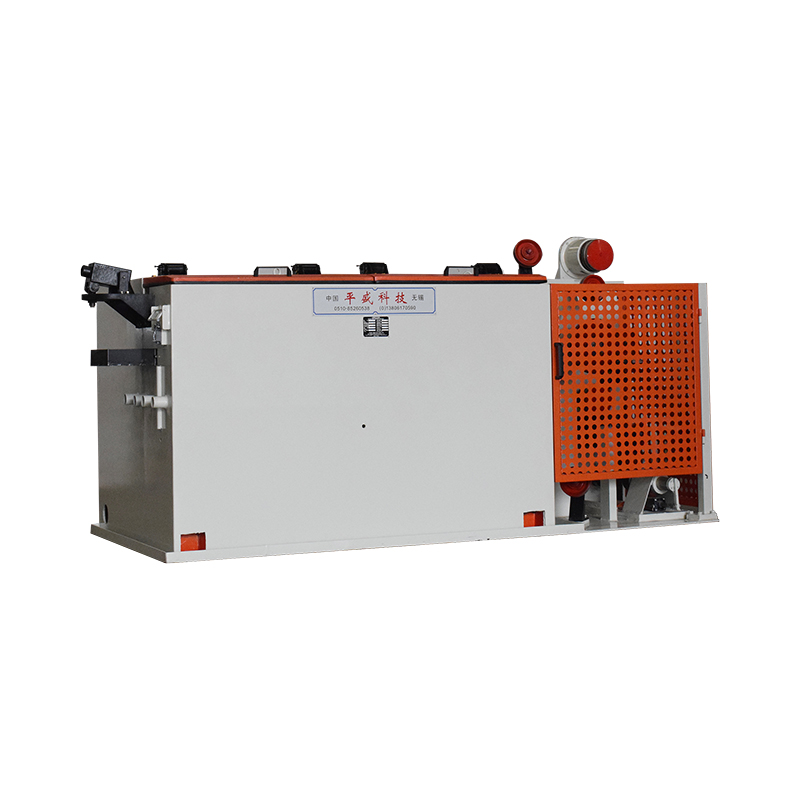
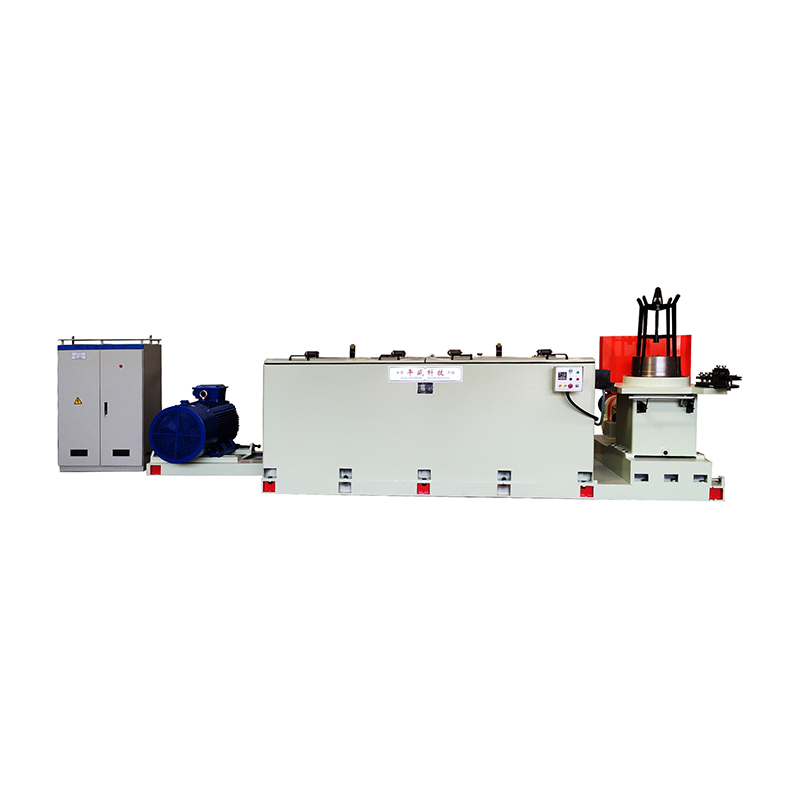
Dry Wire Drawing Process Explained
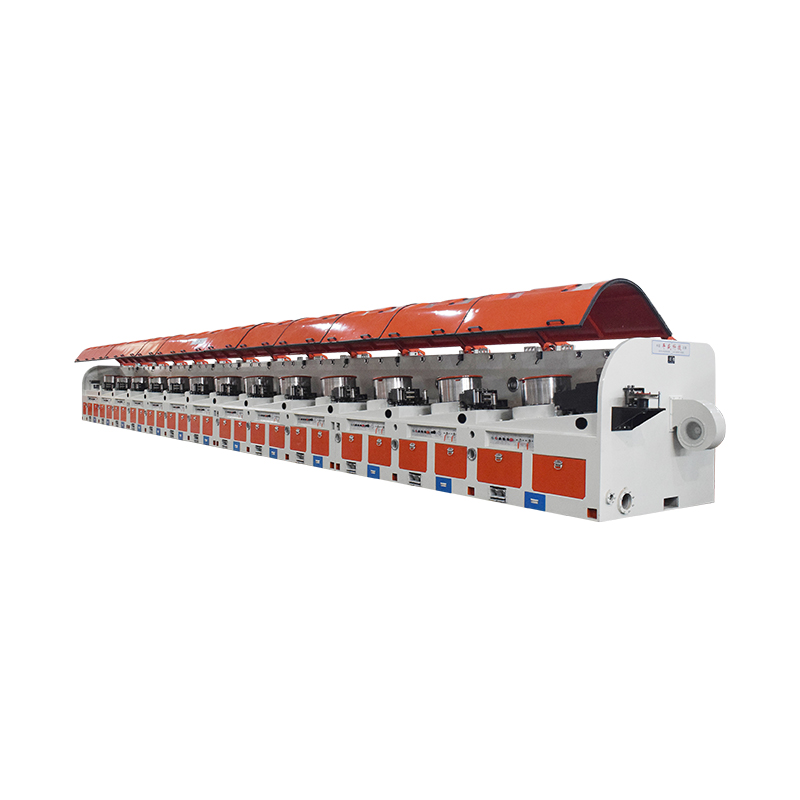
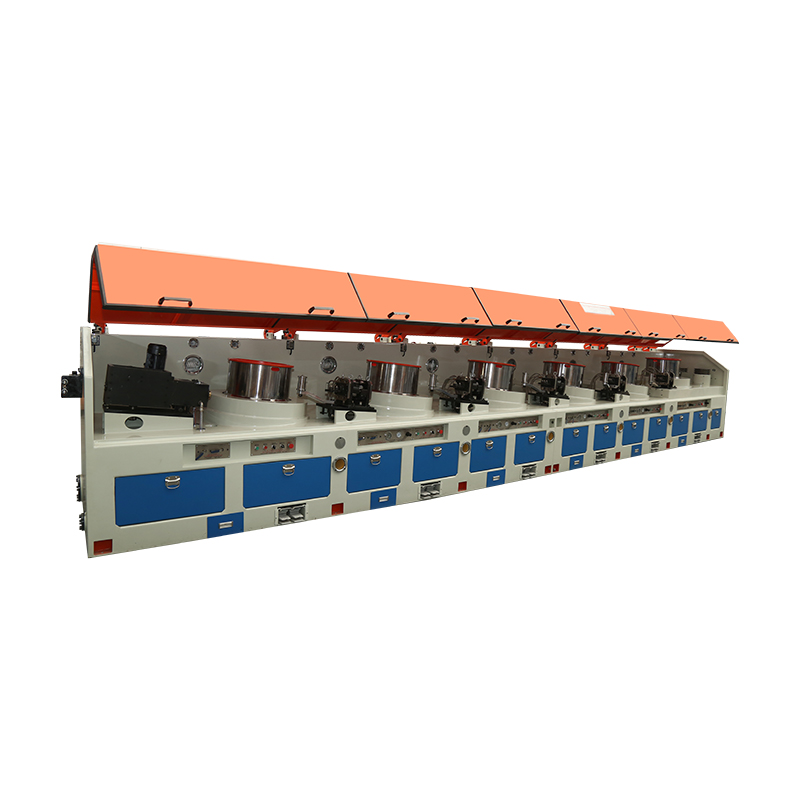
Dry wire drawing employs solid or powder lubricants applied directly to the wire surface before it passes through the drawing dies. The most common dry lubricants include metallic soaps (calcium, sodium, or zinc stearate), polymer powders, and specialized dry film lubricants. The wire typically passes through a lubricant box where powder coating adheres to the surface, or pre-coated wire enters the drawing machine with lubricant already applied through chemical processes like phosphate coating or borax coating.
In dry drawing operations, the wire surface must be properly prepared to ensure adequate lubricant adhesion. Common preparation methods include mechanical descaling, chemical pickling to remove oxides, and coating processes that create a lubricant-receptive surface layer. The phosphate coating process, for example, creates a porous crystalline layer that holds dry lubricant effectively while providing additional anti-wear protection. This preparation step adds complexity and cost but proves essential for successful dry drawing operations.
Advantages of Dry Wire Drawing
- Produces clean, dry wire requiring no post-drawing cleaning or washing operations
- Eliminates liquid lubricant disposal and associated environmental compliance costs
- Enables immediate downstream processing including direct spooling, annealing, or coating
- Reduces floor space requirements by eliminating cleaning and drying equipment
- Provides better surface finish control for certain applications requiring specific surface characteristics
- Operates at higher drawing speeds for specific wire sizes and materials
- Minimizes fire hazards associated with oil-based lubricants
Limitations of Dry Wire Drawing
- Limited to specific wire size ranges, typically medium to coarse gauges above 0.5mm
- Requires extensive wire surface preparation adding process steps and costs
- Generates more die wear compared to wet drawing, increasing tooling costs
- Produces airborne dust requiring ventilation systems and dust collection equipment
- Cannot achieve ultra-fine wire sizes below 0.3mm effectively
- May result in higher reject rates due to surface defects in demanding applications
Wet Wire Drawing Process Explained
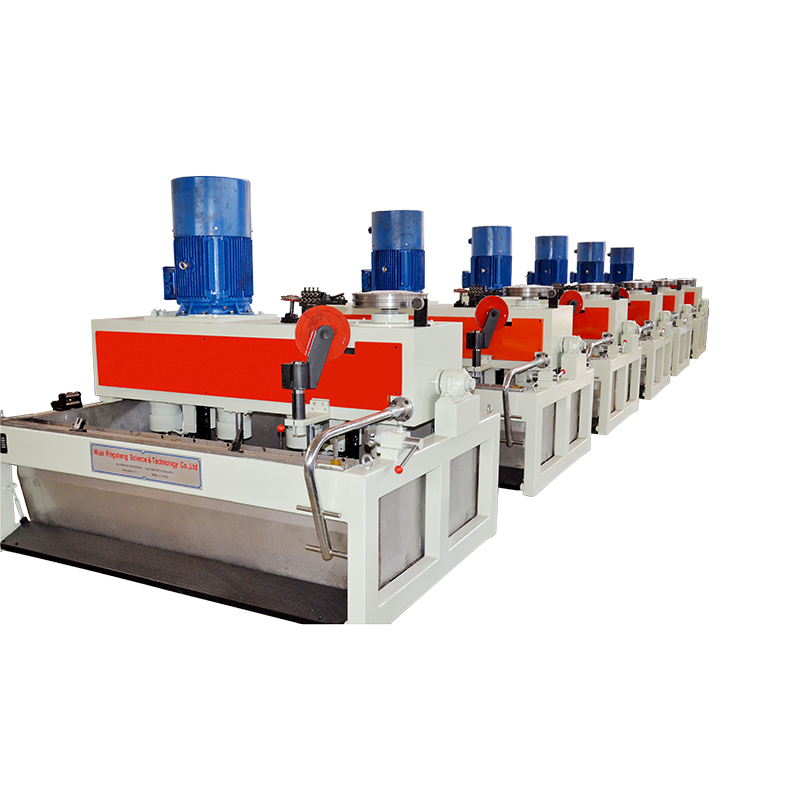
Wet wire drawing, also called wet drawing or liquid drawing, submerges the wire and dies in liquid lubricant during the drawing process. The wire passes through lubricant-filled chambers or tanks containing emulsions, oils, or synthetic coolants that provide continuous lubrication and cooling throughout the drawing operation. This immersion approach ensures consistent lubricant film thickness between wire and die surfaces, superior heat dissipation, and extended die life compared to dry methods.
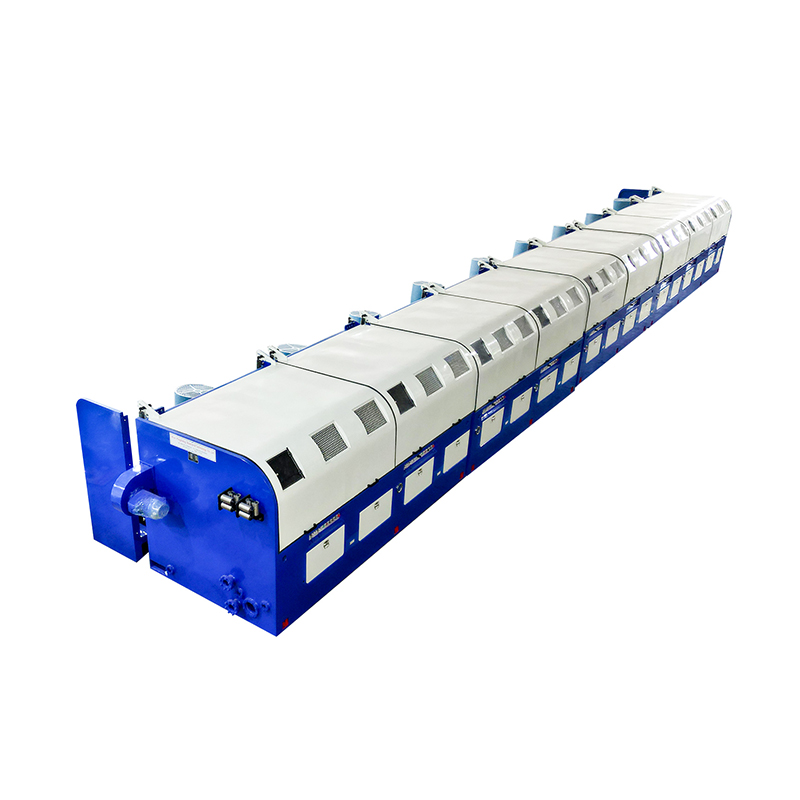
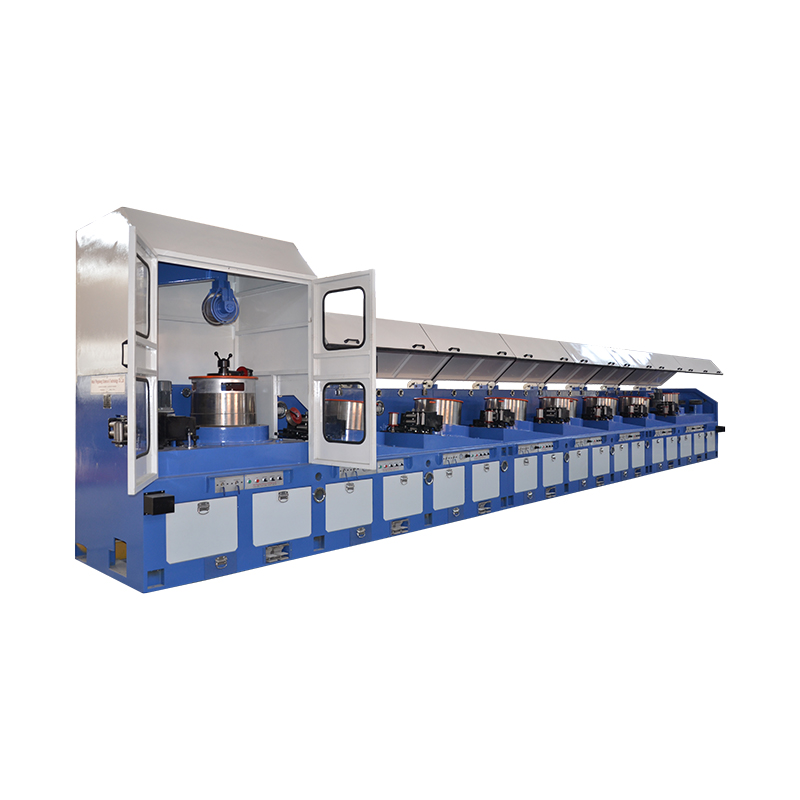
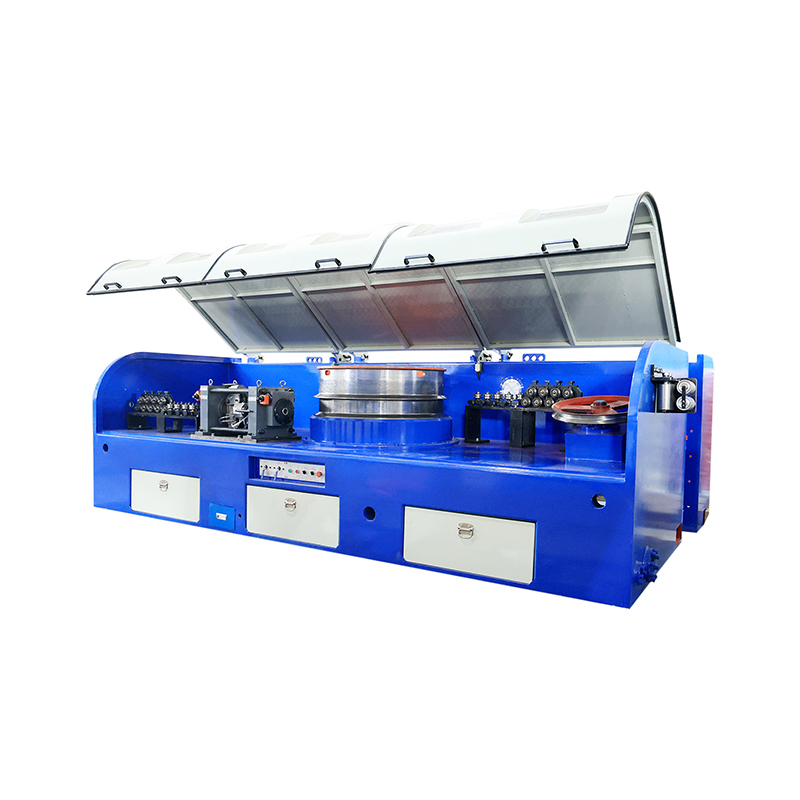
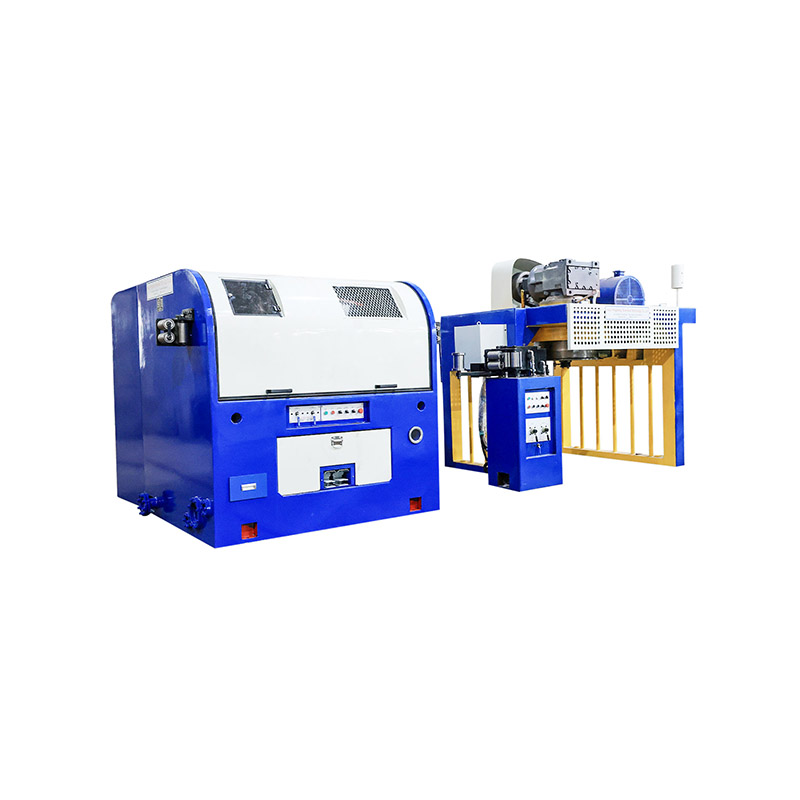
Modern wet drawing machines, particularly axle wet wire drawing machines, feature sophisticated lubricant circulation systems that filter, cool, and recirculate drawing fluids. These systems maintain optimal lubricant temperature (typically 30-50°C), remove metal particles and contamination, and ensure consistent fluid properties throughout production runs. Advanced machines incorporate automated lubricant concentration monitoring, pH control, and additive replenishment to maintain peak performance and extend fluid service life.
Advantages of Wet Wire Drawing
- Achieves ultra-fine wire sizes down to 0.01mm and below through superior lubrication
- Extends die life significantly, reducing tooling costs by 50% or more versus dry drawing
- Provides excellent cooling, preventing thermal damage and maintaining wire properties
- Enables higher total reduction ratios in single-pass operations
- Produces superior surface finish with minimal defects for precision applications
- Requires minimal wire surface preparation compared to dry drawing
- Accommodates wider range of wire materials including difficult-to-draw alloys
- Supports higher production speeds for fine wire manufacturing
Limitations of Wet Wire Drawing
- Requires post-drawing cleaning and drying operations adding process steps
- Generates liquid waste requiring proper disposal and environmental compliance
- Demands lubricant circulation, filtration, and cooling systems increasing equipment complexity
- Occupies more floor space for lubricant tanks, cleaning, and drying equipment
- Creates potential fire hazards with oil-based lubricants requiring safety measures
- Increases ongoing operational costs for lubricant purchase and disposal
- May introduce contamination if lubricant quality control is inadequate
Comparative Analysis: Key Performance Metrics
| Factor | Dry Drawing | Wet Drawing |
| Wire Size Range | 0.5mm - 6mm | 0.01mm - 12mm |
| Die Life | Moderate | Excellent (2-3x longer) |
| Surface Preparation | Extensive required | Minimal required |
| Post-Processing | None needed | Cleaning/drying required |
| Surface Finish Quality | Good | Excellent |
| Production Speed | High (medium wire) | Very high (fine wire) |
| Equipment Complexity | Lower | Higher |
| Environmental Impact | Dust emissions | Liquid waste |
| Operating Costs | Moderate | Higher |
Application-Specific Recommendations
When to Choose Dry Wire Drawing
Dry wire drawing proves most advantageous for applications producing medium to coarse wire gauges where immediate downstream processing provides operational benefits. Industries manufacturing fence wire, construction reinforcement materials, spring wire, and similar products benefit from dry drawing's clean output that eliminates cleaning steps before galvanizing, coating, or heat treatment operations. The process works particularly well when producing wire in the 0.8mm to 5mm diameter range using carbon steel, low-alloy steel, or stainless steel materials.
Manufacturing facilities with limited floor space or those seeking to minimize water usage and liquid waste generation find dry drawing attractive. The process suits batch production operations where flexibility and quick changeovers between wire types provide competitive advantages. Companies producing wire for immediate galvanizing particularly benefit, as dry-drawn wire enters the galvanizing bath without requiring cleaning that could affect zinc coating adhesion. Environmental regulations restricting liquid discharge make dry drawing appealing in jurisdictions with stringent wastewater treatment requirements.
When to Choose Wet Wire Drawing
Wet wire drawing dominates fine wire production where achieving diameters below 0.5mm requires the superior lubrication and cooling that only liquid systems provide. Industries manufacturing electrical wire, welding wire, tire cord, precision springs, and medical devices rely on wet drawing to achieve required dimensional tolerances, surface quality, and mechanical properties. The process proves essential when drawing difficult materials including titanium, nickel alloys, copper alloys, and high-carbon steels that generate excessive heat or require exceptional surface finish.
High-volume continuous production operations benefit from wet drawing's superior die life and reduced tooling costs, as these savings offset higher operating expenses over extended production runs. Manufacturers requiring maximum production speeds for fine wire appreciate wet drawing's ability to operate at higher velocities while maintaining product quality. When surface finish specifications demand minimal defects and consistent appearance, wet drawing's controlled lubrication environment delivers results unattainable through dry methods. Applications where wire undergoes further reduction through additional drawing passes favor wet drawing's cleaner surface condition that facilitates subsequent processing.
Economic Considerations and Cost Analysis
Evaluating the total cost of ownership for dry versus wet wire drawing requires comprehensive analysis extending beyond initial equipment investment. Dry drawing machines typically cost 20-30% less than equivalent wet drawing systems due to simpler construction without lubricant circulation, filtration, and temperature control systems. However, this initial savings must be balanced against higher die consumption, which can increase tooling costs by 50-100% compared to wet drawing operations producing similar wire.
Wet drawing incurs ongoing costs for lubricant purchase, maintenance, disposal, and the cleaning/drying equipment required for post-drawing processing. Annual lubricant costs typically range from $5,000 to $50,000 depending on production volume and lubricant type, while cleaning and waste disposal add additional expenses. Dry drawing eliminates these costs but requires investment in surface preparation equipment and dust collection systems, plus ongoing expenses for coating materials and dry lubricants. Energy consumption differs between methods, with wet drawing consuming additional power for lubricant circulation pumps and cooling systems, while dry drawing may require more energy for surface preparation processes.
Labor costs vary based on process complexity, with wet drawing requiring operator attention to lubricant condition monitoring and cleaning operations, while dry drawing demands careful surface preparation oversight and more frequent die changes. Reject rates influence total costs significantly, as wet drawing typically produces fewer defects in fine wire applications, reducing material waste and rework expenses. When calculating total cost of ownership, manufacturers must consider production volume, wire size range, material types, quality requirements, and planned production duration to determine which process delivers superior economics for their specific situation.
Hybrid and Modern Approaches
Advanced wire drawing operations increasingly employ hybrid approaches that combine advantages of both dry and wet methods. Multi-stage drawing lines may use wet drawing for initial heavy reduction passes where cooling and lubrication demands are highest, followed by dry drawing for final passes producing clean wire ready for immediate downstream processing. This combination optimizes die life during heavy reductions while delivering clean finished product without cleaning operations.
Modern synthetic lubricants blur traditional distinctions between dry and wet drawing through development of semi-dry lubricants that provide liquid-like performance while leaving minimal residue. These advanced formulations enable some operations to achieve wet-drawing performance levels while simplifying or eliminating post-drawing cleaning. Environmentally-friendly water-based lubricants reduce environmental impact and disposal costs while maintaining performance approaching traditional oil-based systems. Automated lubricant management systems optimize fluid condition and consumption, reducing operating costs while extending service life.
Making Your Decision: Key Evaluation Factors
Selecting between dry and wet wire drawing requires systematic evaluation of multiple factors specific to your production requirements and operational constraints. Begin by clearly defining your wire size range, as this often determines process viability—wet drawing becomes necessary for ultra-fine wire below 0.3mm, while dry drawing works well for medium gauges above 0.8mm. Evaluate material types in your production mix, as difficult-to-draw alloys or materials requiring exceptional surface finish favor wet drawing regardless of size.
Consider your downstream processing requirements, as immediate coating, galvanizing, or heat treatment operations benefit from dry-drawn wire requiring no cleaning. Assess available floor space and utility infrastructure, including water supply, wastewater handling capacity, and ventilation systems required for each process type. Review environmental regulations in your location regarding air emissions and liquid discharge, as these may favor one approach over another. Analyze your production volume and run lengths, as high-volume continuous operations benefit more from wet drawing's superior die life, while batch production may favor dry drawing's flexibility.
Calculate comprehensive cost projections including equipment investment, tooling consumption, lubricant and material costs, labor requirements, energy consumption, and waste disposal expenses over expected equipment life. Consider quality requirements and customer specifications that may mandate specific surface finishes or dimensional tolerances achievable only through particular methods. Evaluate your workforce's technical capabilities and training requirements for operating and maintaining each system type. By thoroughly analyzing these factors within the context of your specific business needs, you can confidently select the wire drawing approach that optimizes performance, quality, and profitability for your operation.