
 EN
EN
 English
 Español
 Français
 Português
 عربى
عربى
What is a Turnover Type Wet Wire Drawing Machine and How Does It Work?
Content
- 1 Structure and Components of Turnover Wet Wire Drawing Machines
- 2 Working Principle of Wet Wire Drawing Machines
- 3 Advantages of Turnover Type Wet Wire Drawing Machines
- 4 Applications of Turnover Wet Wire Drawing Machines
- 5 Key Considerations for Selecting a Wire Drawing Machine
- 6 Maintenance Tips for Wet Wire Drawing Machines
- 7 Conclusion
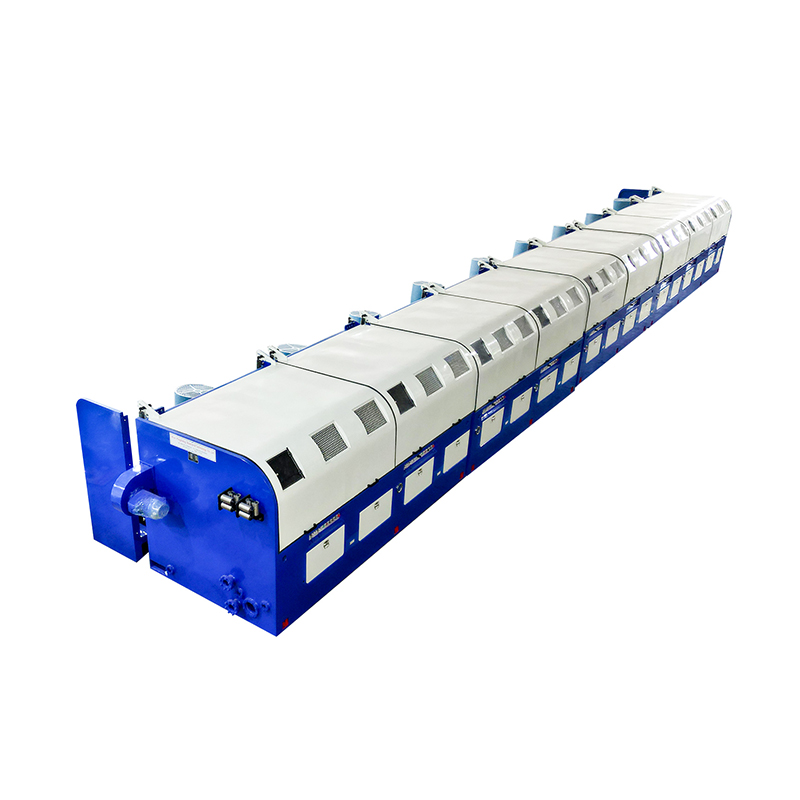
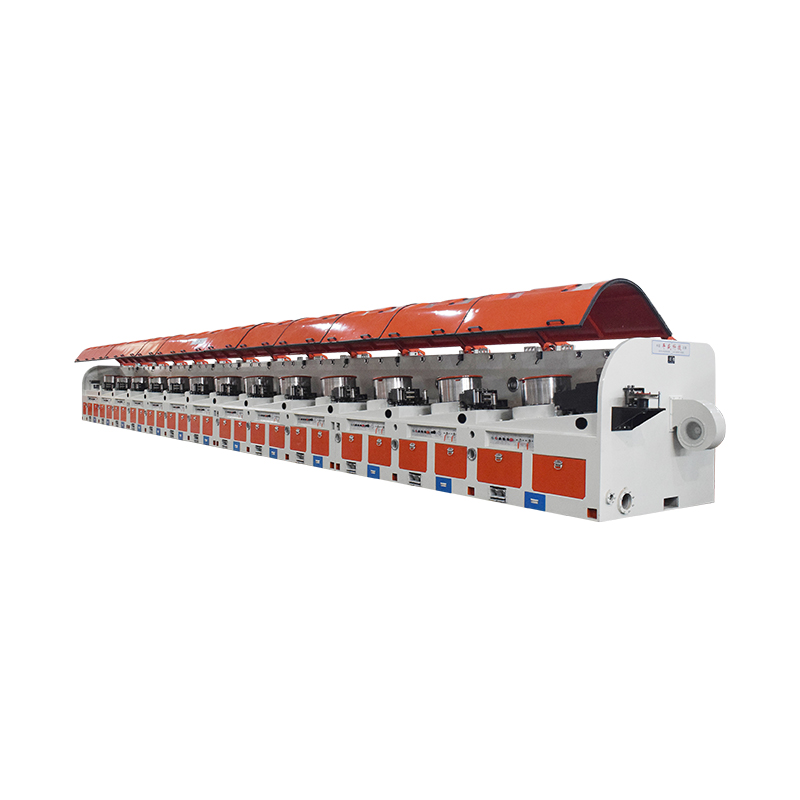
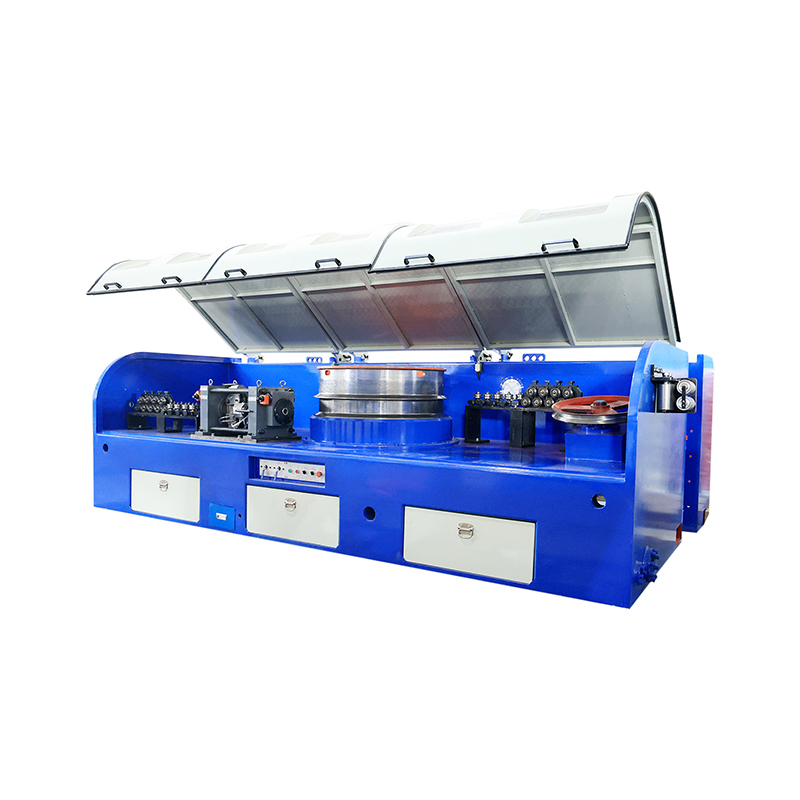
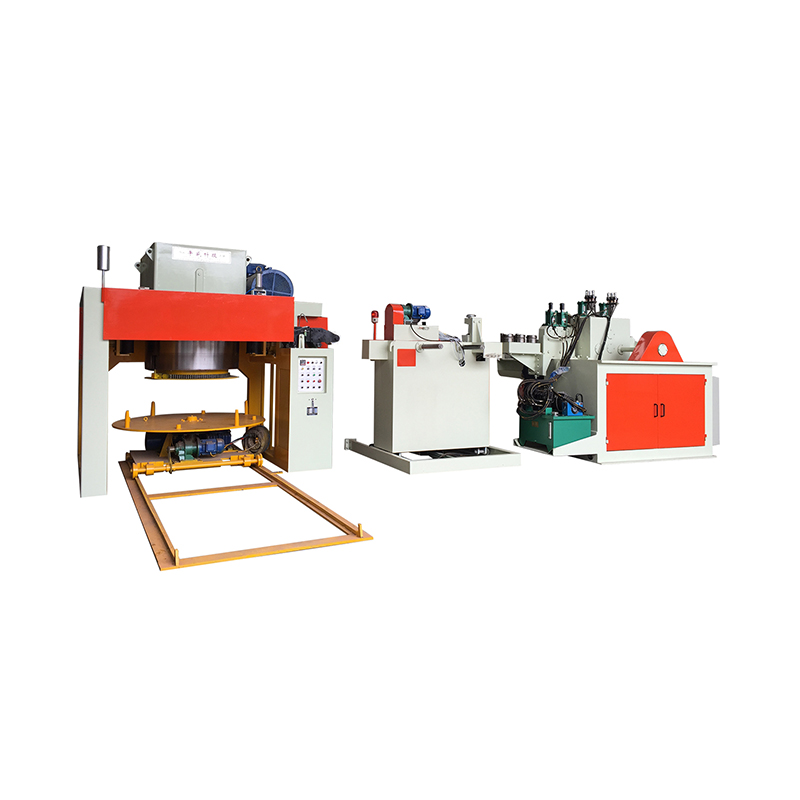
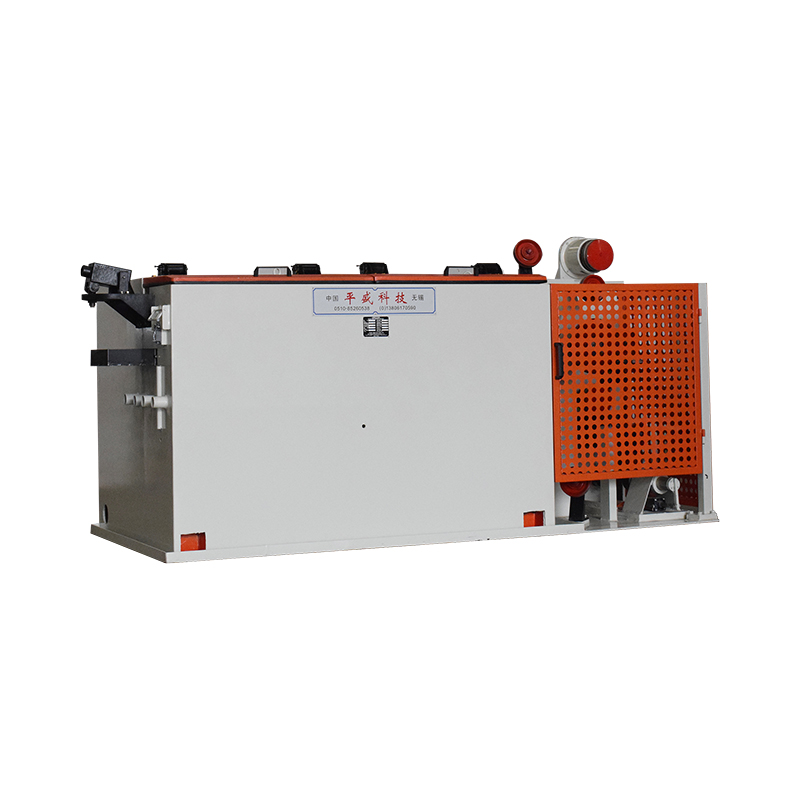
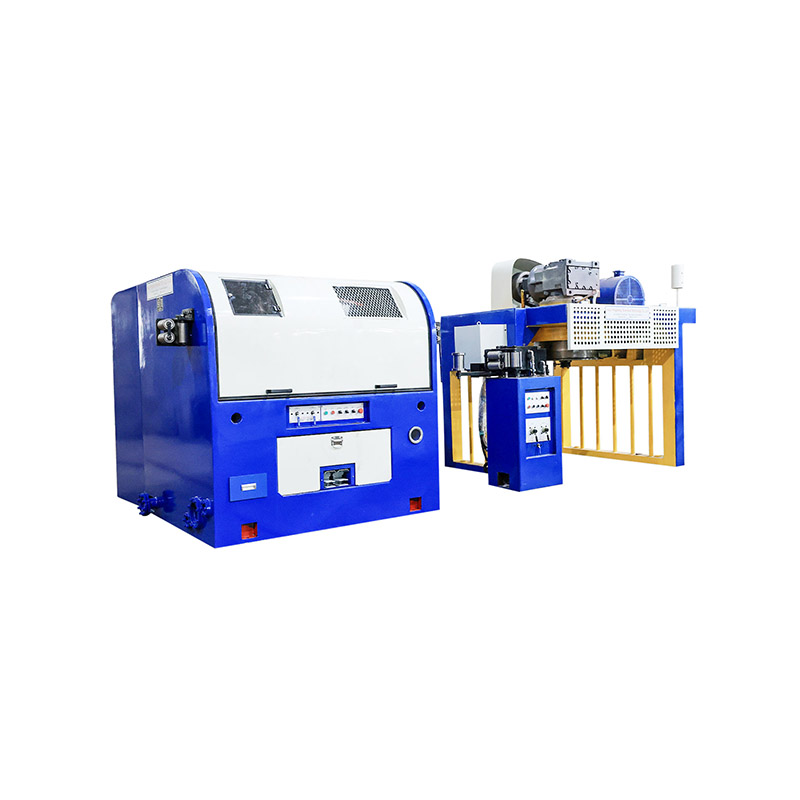
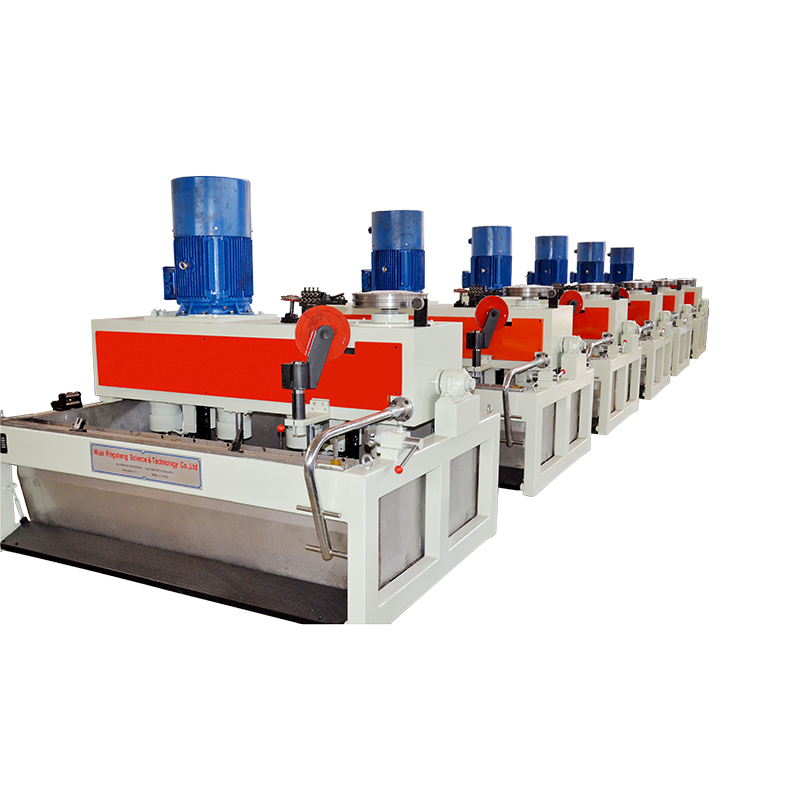
Turnover type wet wire drawing machines are advanced equipment used for reducing the diameter of metal wires through a wet drawing process. Unlike dry wire drawing, wet wire drawing uses a lubricating fluid to reduce friction and prevent overheating, ensuring high-quality wire output. The turnover design allows smooth operation, enhanced production efficiency, and improved maintenance access.
These machines are widely used in industries producing copper, aluminum, and steel wires. Understanding their structure, operation, and advantages is essential for manufacturers seeking optimal wire drawing performance.
Structure and Components of Turnover Wet Wire Drawing Machines
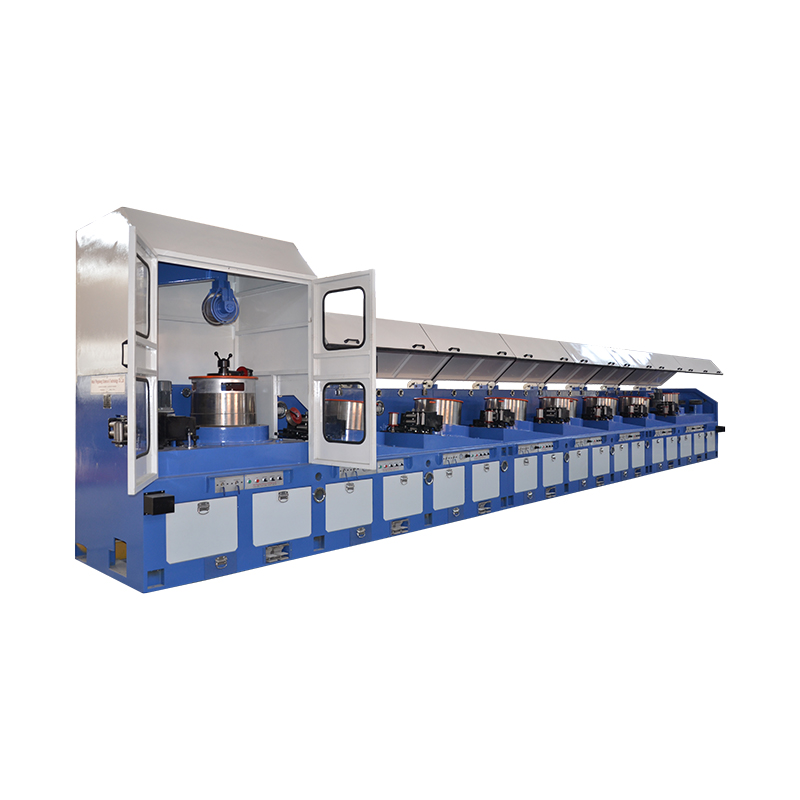
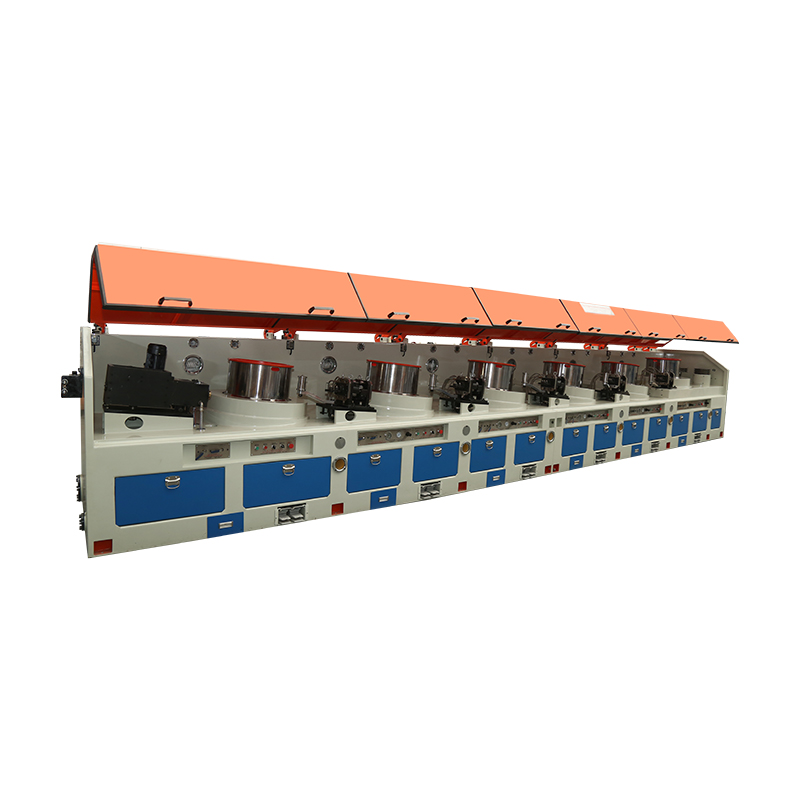
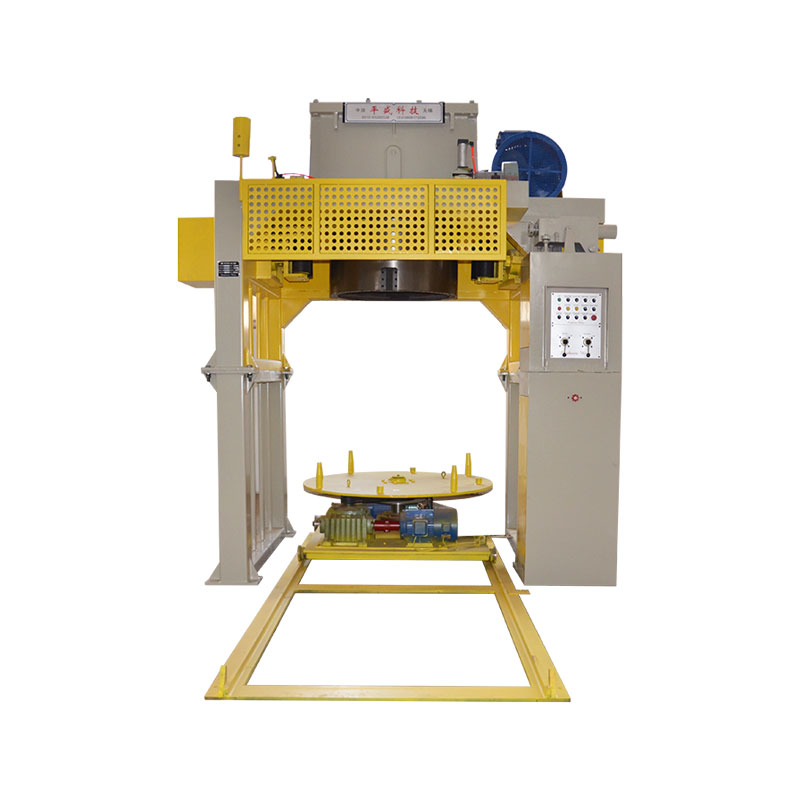
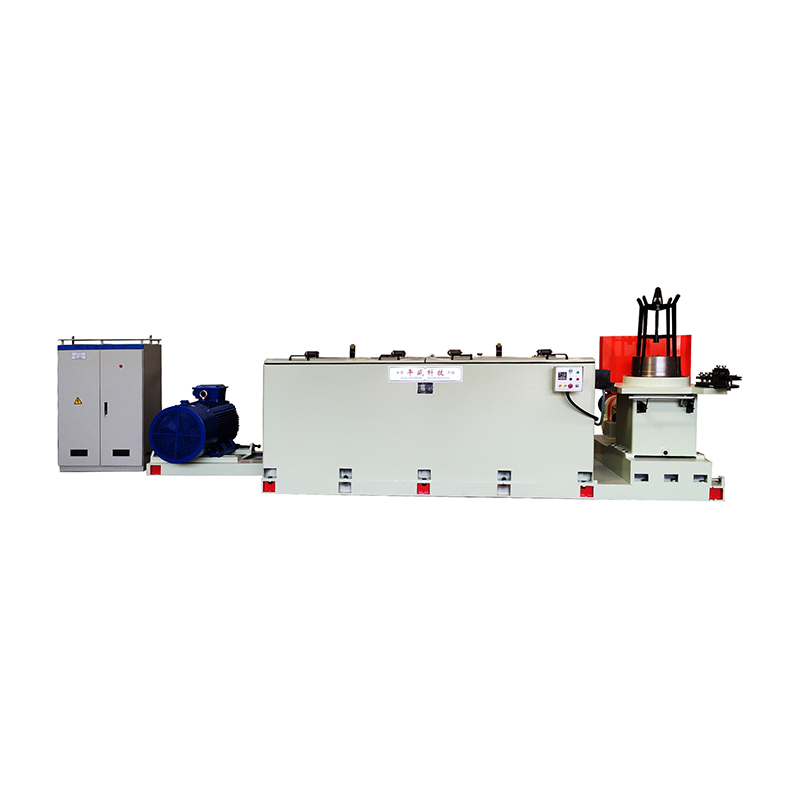
A typical turnover type wet wire drawing machine consists of several key components designed to support high-speed and precise wire drawing:
- Pay-Off Stand: Holds the wire spool and ensures consistent tension during the drawing process.
- Die Box: Houses the drawing dies where the wire is reduced in diameter. Lubricating fluid flows through the die box to reduce friction and heat.
- Capstan or Drawing Rollers: Pull the wire through the dies at controlled speeds to achieve the desired diameter and surface quality.
- Turnover Mechanism: Allows the machine frame to rotate or flip, providing easy access for die replacement, cleaning, and maintenance.
- Lubrication System: Supplies cooling and lubricating fluid to the wire during drawing, ensuring smooth operation and extending die life.
- Take-Up Reel: Collects the drawn wire uniformly and under controlled tension for subsequent processing.
Working Principle of Wet Wire Drawing Machines
The turnover type wet wire drawing machine operates by reducing the cross-sectional area of a wire through a series of drawing dies while immersed in lubricating fluid. The basic working steps include:
- Wire is fed from the pay-off spool into the die box.
- Lubricating fluid surrounds the wire in the die, reducing friction and preventing excessive heat generation.
- The capstan or drawing rollers pull the wire through successive dies, gradually reducing its diameter to meet specifications.
- The turnover frame can be rotated for die inspection, cleaning, or replacement without dismantling the entire machine.
- The drawn wire is wound onto the take-up reel, ready for subsequent processing such as annealing or coating.
Advantages of Turnover Type Wet Wire Drawing Machines
These machines offer several benefits over traditional dry drawing machines and standard wet drawing systems:
- Enhanced Wire Quality: Wet lubrication reduces surface defects, scratches, and oxidation.
- High Production Efficiency: Continuous operation with minimal downtime due to turnover design.
- Extended Die Life: Lubrication reduces heat and wear, prolonging the service life of drawing dies.
- Ease of Maintenance: Turnover mechanism allows quick access for cleaning, die replacement, and inspection.
- Reduced Energy Consumption: Lower friction and heat reduce energy usage during wire drawing.
Applications of Turnover Wet Wire Drawing Machines
These machines are widely applied in industries that require high-precision wire with excellent surface quality and mechanical properties:
- Copper Wire Production: Electrical wires, coils, and conductors.
- Aluminum Wire Manufacturing: Power transmission lines, cables, and industrial conductors.
- Steel Wire Production: Spring wires, piano wires, and reinforcing wires for construction.
- Specialty Alloys: Precision wires for aerospace, automotive, and electronics industries.
Key Considerations for Selecting a Wire Drawing Machine
When selecting a turnover type wet wire drawing machine, several factors should be considered to ensure optimal performance:
- Wire Material: Copper, aluminum, steel, or alloy determine die selection and lubrication requirements.
- Wire Diameter Range: Machine capacity must accommodate both starting and final diameters.
- Production Speed: Ensure the machine meets desired throughput without compromising quality.
- Die Material and Lubrication System: Compatibility with wire type and drawing conditions.
- Maintenance Accessibility: Turnover frame design should allow easy die and roller servicing.
Maintenance Tips for Wet Wire Drawing Machines
Regular maintenance ensures machine longevity, consistent wire quality, and minimal downtime. Recommended practices include:
- Inspect dies and rollers regularly for wear, corrosion, and deformation.
- Monitor lubrication fluid quality and replace when contaminated or degraded.
- Check tension control mechanisms to prevent wire breakage and diameter variation.
- Clean the turnover frame and die boxes to prevent buildup of debris and scale.
- Lubricate moving parts and bearings as per manufacturer recommendations.
Conclusion
Turnover type wet wire drawing machines are vital for high-quality wire production in various industries. Their unique design, which combines wet lubrication with a turnover mechanism, ensures superior wire quality, operational efficiency, and ease of maintenance.
By understanding the machine's components, operation, advantages, and selection criteria, manufacturers can achieve consistent results, reduce downtime, and extend the lifespan of their equipment. Investing in the right turnover wet wire drawing machine is essential for competitive and reliable wire production.