
 EN
EN
 English
 Español
 Français
 Português
 عربى
عربى
Wire Surface Treatment Line: Enhancing Quality and Durability Across Industries
In modern manufacturing, the quality of materials plays a crucial role in the performance and longevity of finished products. One such material, wire, is integral to numerous industries, from automotive and construction to electronics and telecommunications. However, raw wire, while strong, often requires additional processing to meet the exacting standards of various applications. This is where the wire surface treatment line comes into play, providing essential treatment processes that enhance the wire’s properties, improving its resistance to corrosion, wear, and heat.
These treatment lines are used in manufacturing plants where wire products are prepared for use in a variety of industries. The specific treatments applied to the wire depend on the intended application and the type of material the wire is made from (e.g., steel, copper, or aluminum).
Before any other treatment, the wire must be cleaned to remove any dirt, oil, or oxidation. This can be done through mechanical means, such as brushing, or through chemical cleaning agents that dissolve contaminants. Proper cleaning ensures that the wire is ready to undergo further treatments without any issues caused by surface impurities.
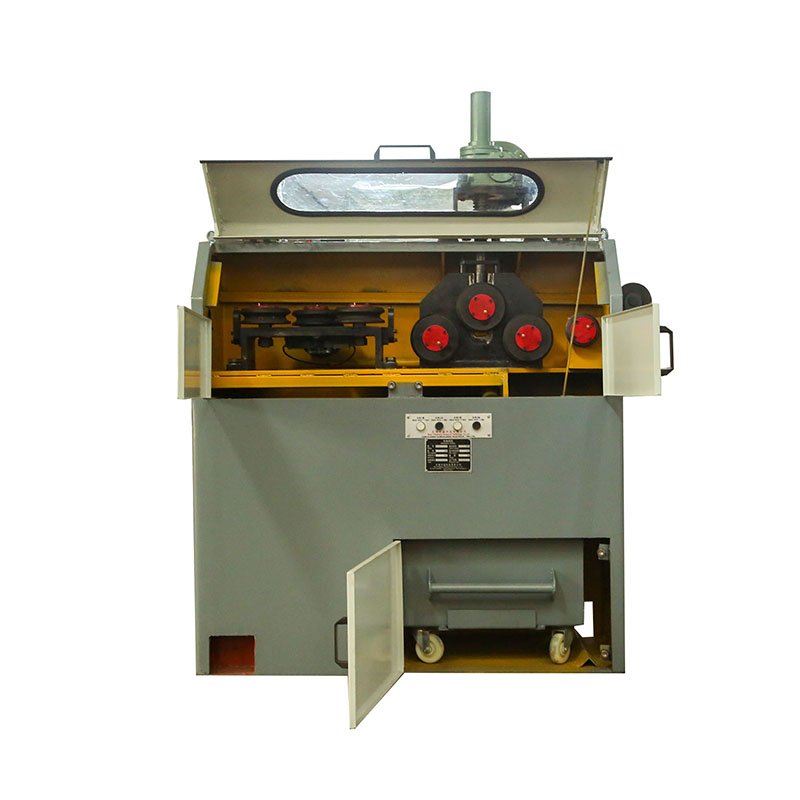
Annealing is a heat treatment process that softens the wire, making it more pliable and easier to work with. During annealing, the wire is heated to a specific temperature and then slowly cooled, which allows for the removal of internal stresses and improves the wire’s flexibility. This is particularly important for wire used in industries like electronics or automotive manufacturing.
Galvanizing involves coating the wire with a layer of zinc to protect it from rust and corrosion. This is particularly important for wire used in outdoor or high-humidity environments, such as construction, agriculture, or electrical infrastructure. Galvanized wire has a longer lifespan, reducing the need for frequent replacements and minimizing maintenance costs.
Phosphating is a treatment process that adds a thin layer of phosphate to the wire. This helps to improve corrosion resistance, particularly in environments where the wire will be exposed to chemicals or extreme temperatures. It is commonly used for wire in automotive or industrial applications.
Wire can be coated with various materials to enhance its performance in specific applications. For instance, a plastic or rubber coating can provide insulation, making the wire suitable for use in electrical systems. Similarly, coatings like PVC or polyurethane can increase the wire’s resistance to abrasion, which is vital in the automotive or mining industries.
Electroplating is a method of coating the wire with metals such as gold, silver, or copper. This treatment can provide aesthetic value, such as in jewelry manufacturing, or improve electrical conductivity in applications like telecommunications.
One of the primary reasons for investing in wire surface treatment lines is to improve the wire’s durability. Whether through galvanization, coating, or phosphating, these treatments make wire products more resistant to wear and corrosion, ensuring a longer service life. This is especially important in industries like construction and automotive, where components must withstand harsh environmental conditions.
Surface treatments can enhance specific properties of the wire, such as its tensile strength, conductivity, and flexibility. For instance, annealing softens the wire, making it easier to work with, while coating increases electrical insulation. These improvements enable the wire to perform optimally in its intended applications, whether it's used for electrical transmission or structural support.
Although setting up a wire surface treatment line involves an initial investment, the long-term savings are substantial. The improved durability of treated wire reduces the frequency of replacements and minimizes maintenance costs, which can be particularly significant in large-scale manufacturing or infrastructure projects. In addition, wire surface treatment lines can be automated, reducing labor costs and increasing efficiency.
A wire surface treatment line can be tailored to meet the specific needs of different industries. Manufacturers can choose from a variety of treatments based on the required specifications, whether it's for high-temperature resistance, corrosion protection, or enhanced conductivity. This flexibility allows businesses to produce wires that meet exacting standards for a wide range of applications.
Many wire surface treatment processes, like galvanizing and electroplating, can be performed with minimal environmental impact. Some treatment lines are designed with closed-loop systems that recycle chemicals and water, reducing waste and conserving resources. As industries continue to prioritize sustainability, these eco-friendly treatment processes help manufacturers meet environmental regulations and reduce their carbon footprint.
The automotive industry relies on high-performance wire for various components, including wiring harnesses, sensors, and structural parts. Surface treatments like coating and galvanization ensure the wire remains durable and corrosion-resistant, especially in challenging environments like engine bays and undercarriages.