
 EN
EN
 English
 Español
 Français
 Português
 عربى
عربى
What types of metals can be processed using an inverted vertical wire drawing machine?
Content
Introduction to Inverted Vertical Wire Drawing Machines
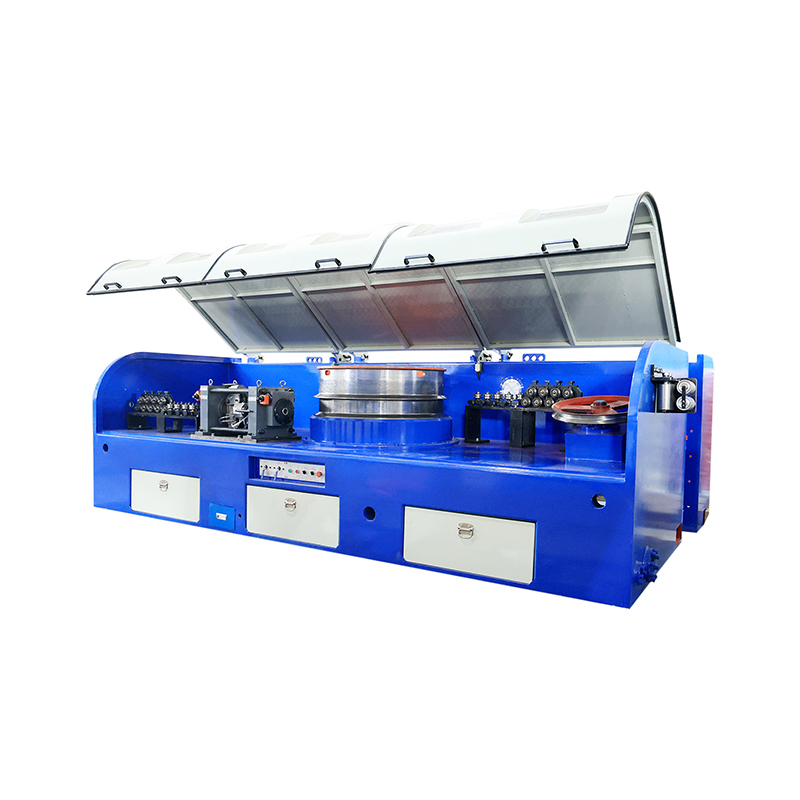
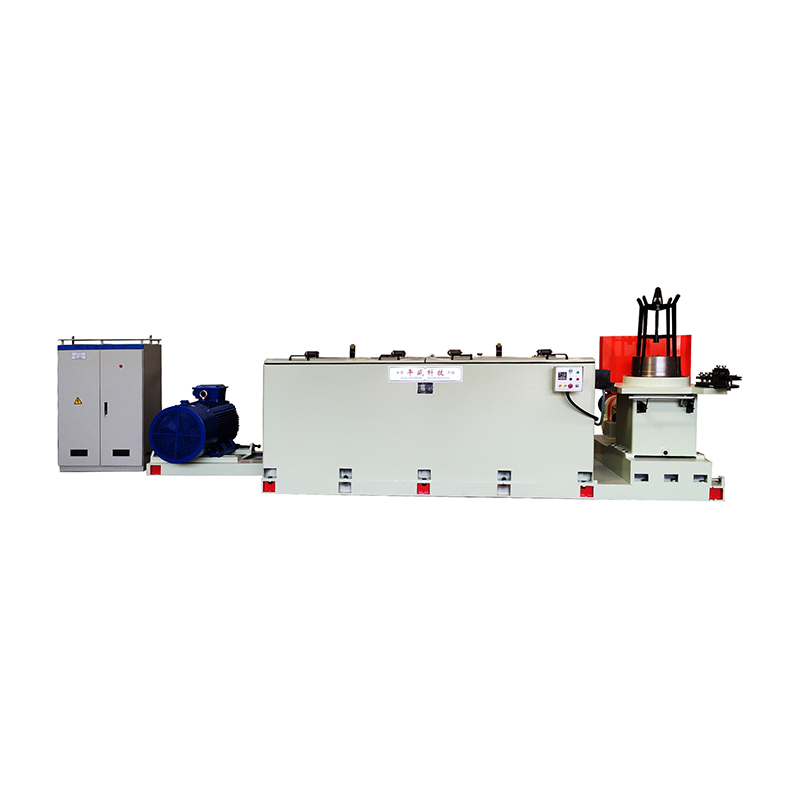
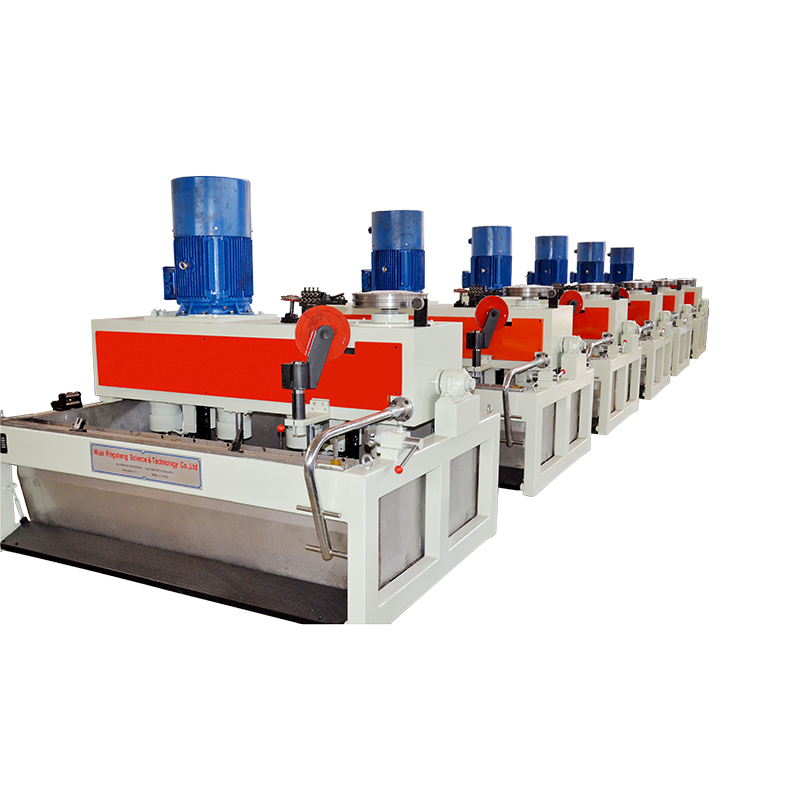
Inverted vertical wire drawing machines are advanced industrial equipment designed to reduce the diameter of metal wires with precision and efficiency. Their vertical configuration allows for better tension control and higher quality output. Understanding which metals can be processed using these machines is essential for manufacturers seeking optimal wire performance and productivity.
Copper Wire Processing
Copper is one of the most common metals processed in inverted vertical wire drawing machines due to its excellent electrical conductivity and ductility. The machine enables precise reduction in diameter while maintaining the mechanical strength required for electrical and telecommunication applications.
Applications of Copper Wire
- Electrical cables and power transmission lines
- Electromagnetic coils for motors and transformers
- Telecommunication wiring and connectors
- Fine copper wire for jewelry or electronic components
Aluminum Wire Processing
Aluminum is lightweight, corrosion-resistant, and widely used in power transmission and industrial applications. Inverted vertical wire drawing machines handle aluminum effectively, reducing cross-sectional area while preserving flexibility and conductivity.
Applications of Aluminum Wire
- Overhead power distribution lines
- Automotive wiring harnesses
- Electrical connectors and busbars
- Specialty aluminum alloy wires for industrial uses
Steel Wire Processing
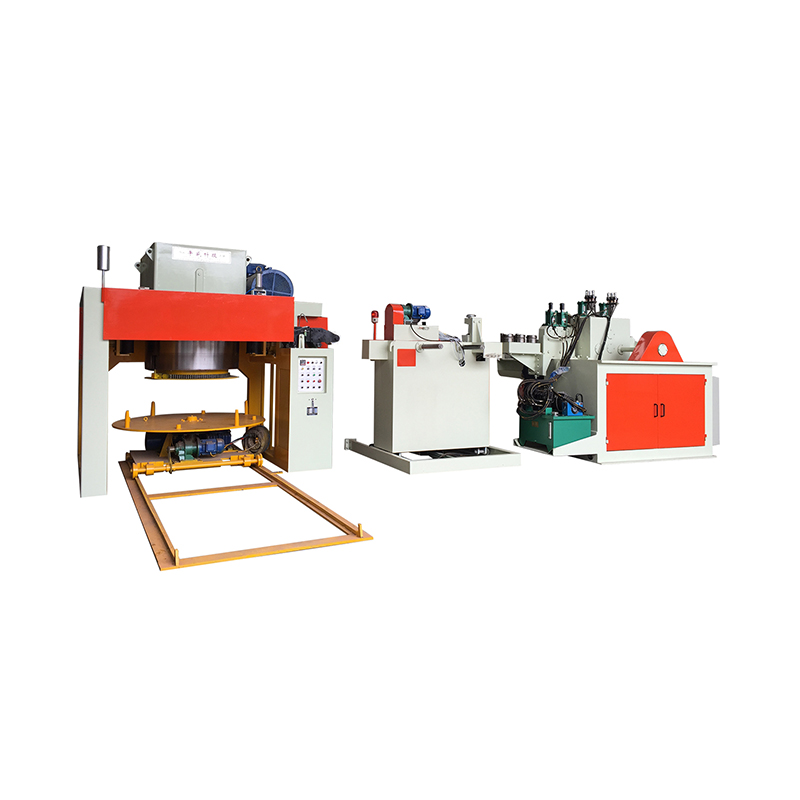
Steel wires require high tensile strength and durability, making inverted vertical wire drawing machines ideal for their processing. These machines manage the necessary stress while producing wires with consistent diameter and minimal defects.
Applications of Steel Wire
- Construction cables and suspension bridges
- Spring manufacturing and reinforcement wires
- Automotive safety components like seatbelts and tires
- Industrial ropes and high-strength wire products
Specialty and Alloy Wire Processing
Inverted vertical wire drawing machines can also handle specialty metals and alloys such as stainless steel, brass, bronze, and nickel-based wires. These materials often require precise control of tension, lubrication, and die configuration to maintain mechanical properties and surface quality.
Applications of Specialty Wires
- Stainless steel wires for medical instruments and aerospace components
- Brass and bronze wires for decorative and electrical applications
- Nickel and titanium alloy wires for high-temperature and corrosion-resistant environments
- Precision wires for electronics, sensors, and instrumentation
Factors Affecting Metal Selection
Choosing the right metal for an inverted vertical wire drawing machine involves multiple factors, including ductility, tensile strength, conductivity, corrosion resistance, and final application requirements. Proper die selection, lubrication, and process control are critical for achieving desired wire quality.
Key Considerations
- Metal ductility determines maximum reduction achievable without cracking
- Surface hardness affects die wear and finishing quality
- Electrical and thermal conductivity influence intended wire applications
- Environmental factors, such as corrosion exposure, guide alloy choice
Conclusion
Inverted vertical wire drawing machines are versatile and capable of processing a wide range of metals, from copper and aluminum to steel and specialty alloys. Selecting the appropriate metal and understanding its properties ensures high-quality wire production, optimal performance, and longevity in industrial, electrical, and specialized applications.