
 EN
EN
 English
 Español
 Français
 Português
 عربى
عربى
What Makes a Wet Wire Drawing Machine Essential for Modern Wire Production?
Content
- 1 What Is a Wet Wire Drawing Machine?
- 2 How Does a Wet Wire Drawing Machine Work?
- 3 Why Is Wet Drawing Preferred Over Dry Drawing?
- 4 What Are the Key Components of a Wet Wire Drawing Machine?
- 5 What Industries Rely on Wet Wire Drawing Machines?
- 6 How Does Technology Improve Wet Wire Drawing Efficiency?
- 7 Are There Any Challenges Associated with Wet Wire Drawing?
- 8 What Are the Future Trends in Wet Wire Drawing Technology?
- 9 Conclusion: Why Should Manufacturers Consider Wet Wire Drawing Machines?
In the ever-evolving world of metal processing and wire manufacturing, the demand for high-quality wire products has never been higher. Industries ranging from automotive to electronics rely heavily on the precision and efficiency of wire drawing processes. One technological marvel that has significantly contributed to meeting these demands is the wet wire drawing machine. But what exactly is a wet wire drawing machine, and why has it become indispensable in modern wire production? Let’s delve into the intricacies of this technology, its advantages, working principles, and the impact it has on industrial efficiency.
What Is a Wet Wire Drawing Machine?
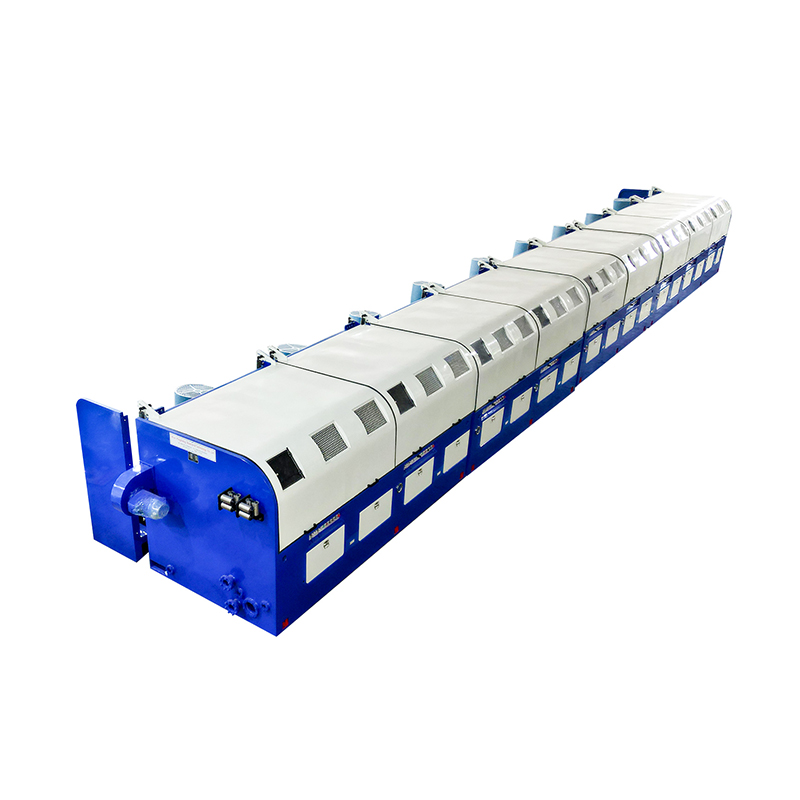
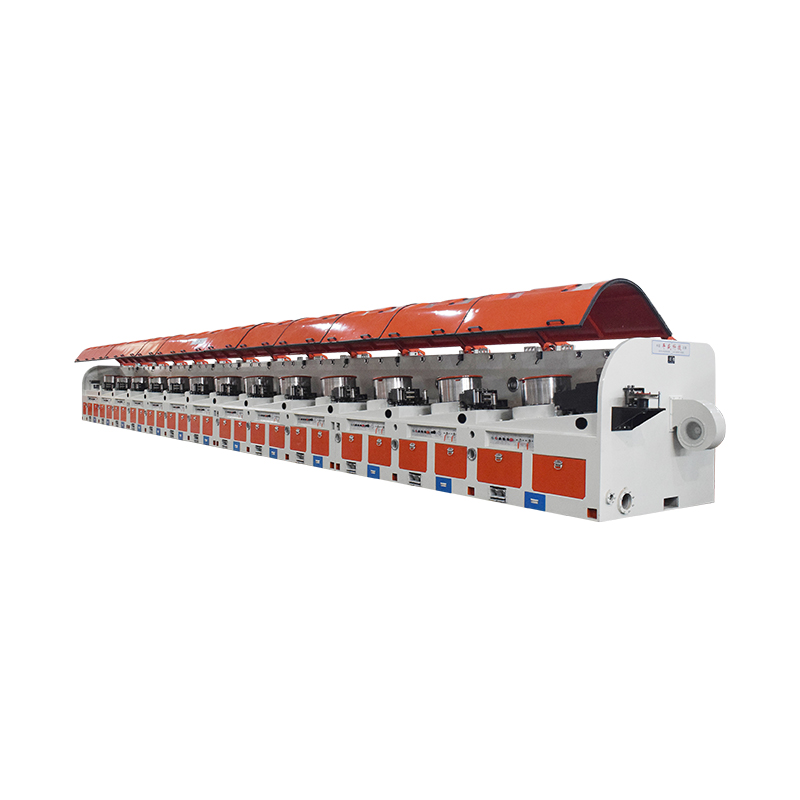
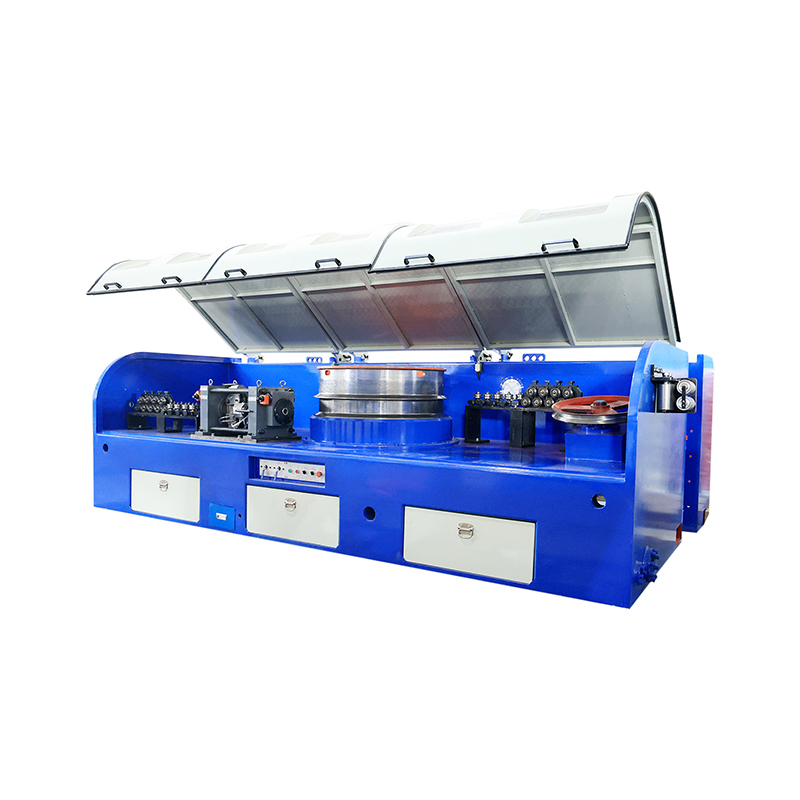
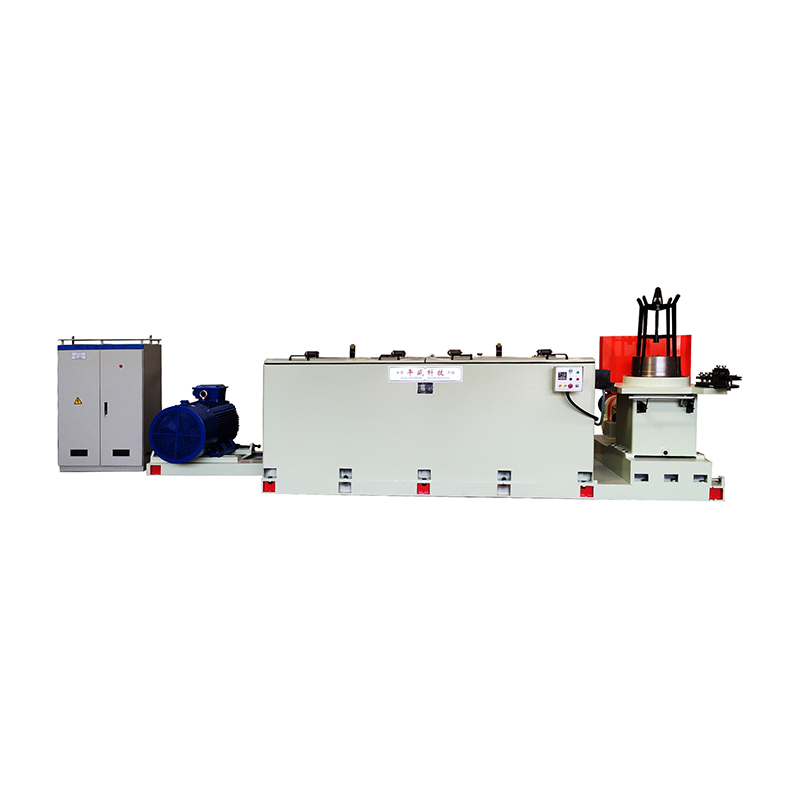
At its core, a wet wire drawing machine is a type of equipment designed to reduce the diameter of metal wires, usually made from steel, copper, aluminum, or other metals, through a drawing process that incorporates liquid lubrication or cooling. Unlike dry drawing methods, where wires are pulled through dies without any external medium, wet wire drawing uses oils, emulsions, or water-based lubricants to reduce friction, minimize heat generation, and improve wire surface quality.
The wet wire drawing machine is especially crucial for producing fine wires, precision cables, and high-tensile materials that must meet stringent industrial standards. By providing consistent lubrication and cooling during the drawing process, the machine ensures both efficiency and product reliability.
How Does a Wet Wire Drawing Machine Work?
The working principle of a wet wire drawing machine involves several stages, each designed to maximize efficiency and wire quality:
-
Wire Feeding: The process begins with feeding a spool or coil of metal wire into the machine. Proper tension is maintained to avoid wire breakage during drawing.
-
Lubrication and Cooling: As the wire enters the die, it passes through a bath of lubricant or is sprayed with a controlled emulsion. This step reduces friction between the wire and the die, preventing excessive heat buildup.
-
Wire Drawing Through Dies: The wire is then drawn through a series of progressively smaller dies, which reduce its diameter. The wet environment helps maintain the die’s longevity and prevents surface defects on the wire.
-
Tension Control: Modern wet wire drawing machines employ sophisticated tension control mechanisms to ensure uniformity. Variations in tension can lead to wire breakage or uneven diameter, compromising product quality.
-
Post-Drawing Treatment: After the drawing process, the wire may undergo cleaning, annealing, or coating, depending on its intended application. The wet drawing process often leaves residual lubricant on the wire, which can be removed or treated according to the end-use requirements.
Why Is Wet Drawing Preferred Over Dry Drawing?
Industries often face a choice between dry and wet wire drawing. So why has the wet method gained more popularity in modern wire production?
- Reduced Friction and Wear: Lubricants act as a protective barrier between the wire and die, reducing friction and extending the life of expensive drawing dies.
- Improved Surface Quality: Wet drawing minimizes scratches, dents, and other surface imperfections, which is crucial for high-precision applications such as electrical wiring or fine steel cables.
- Enhanced Heat Dissipation: The lubricating medium absorbs and dissipates heat generated during the drawing process, reducing the risk of thermal damage to the wire.
- Higher Production Efficiency: With reduced friction and breakage, wet wire drawing machines allow for faster wire production without sacrificing quality.
- Versatility: Wet drawing is suitable for a wide range of metals and alloys, including high-strength materials that are difficult to process using dry methods.
What Are the Key Components of a Wet Wire Drawing Machine?
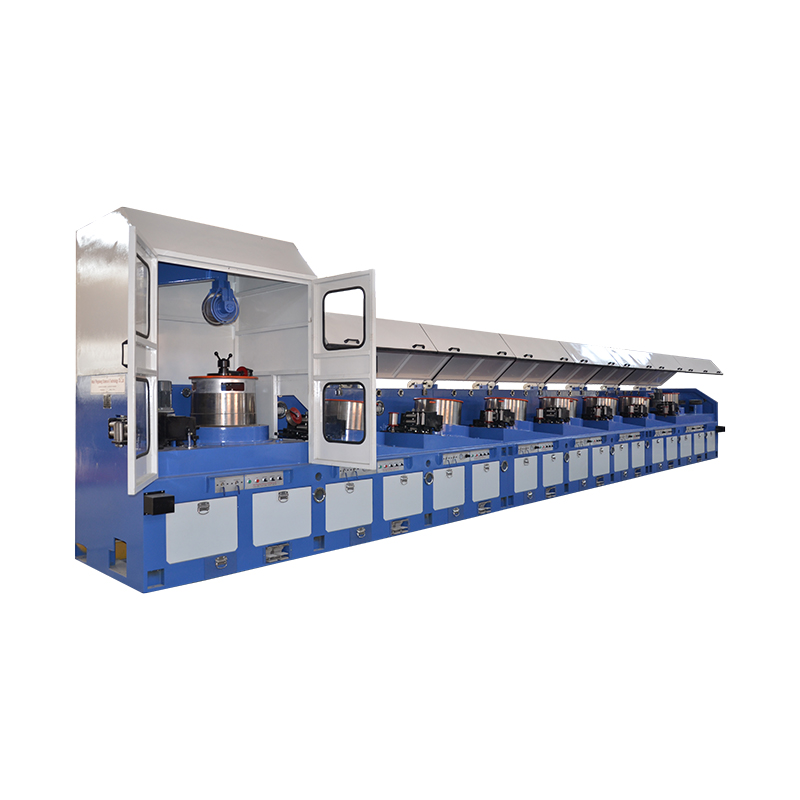
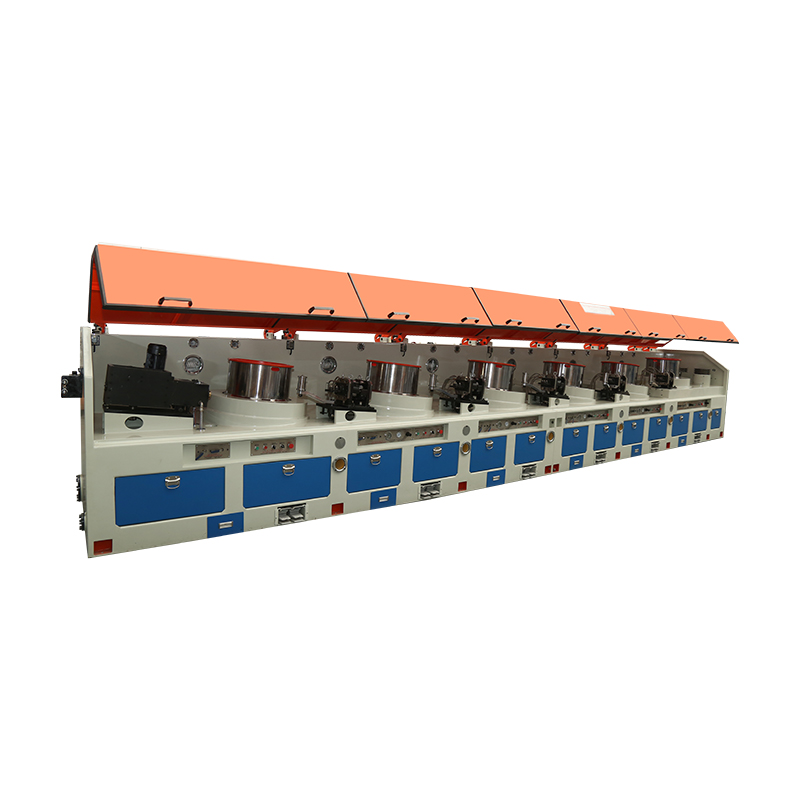
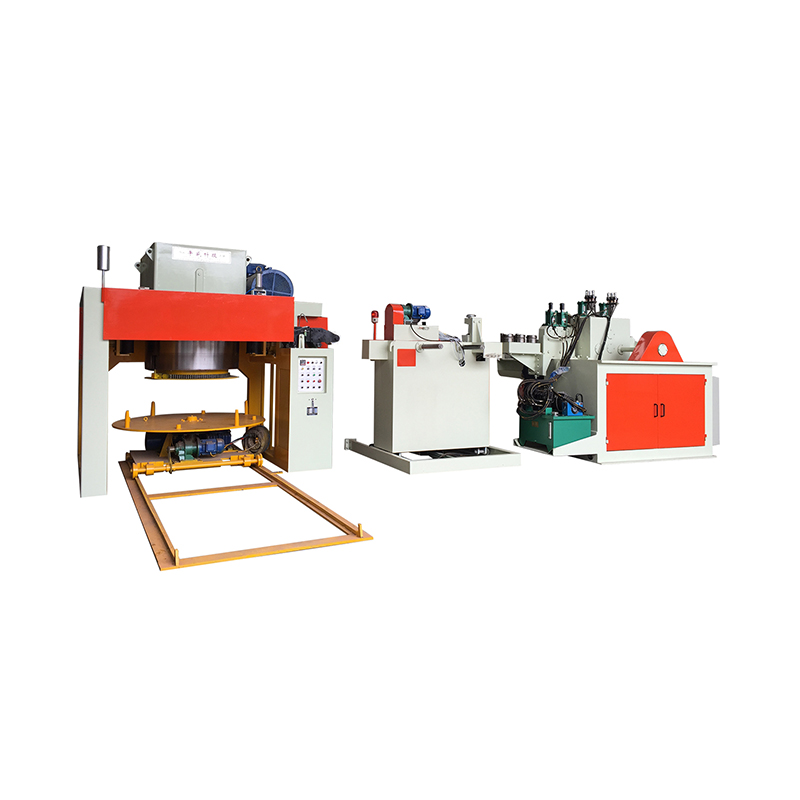
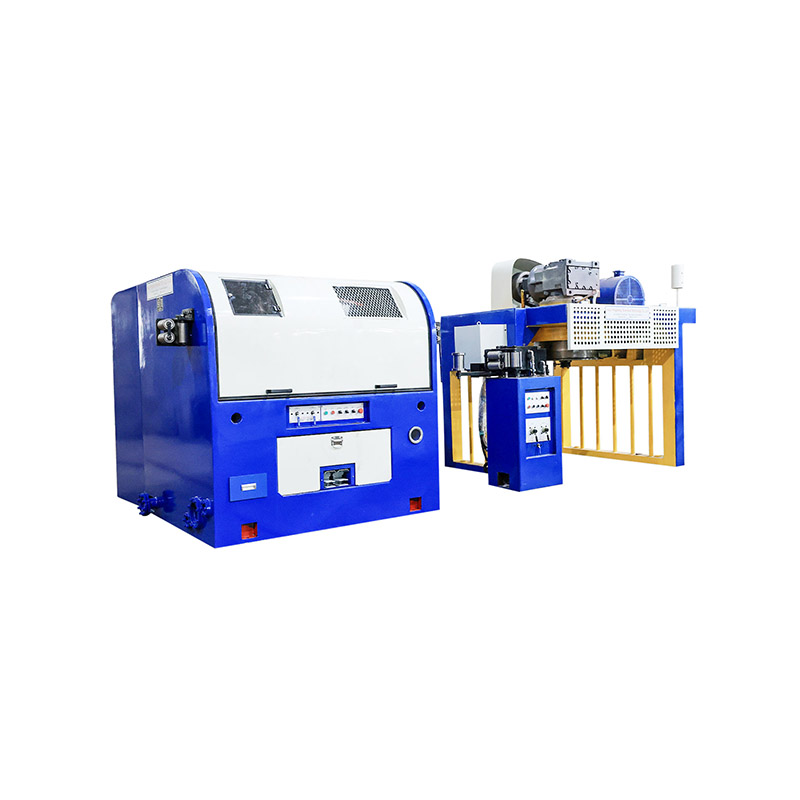
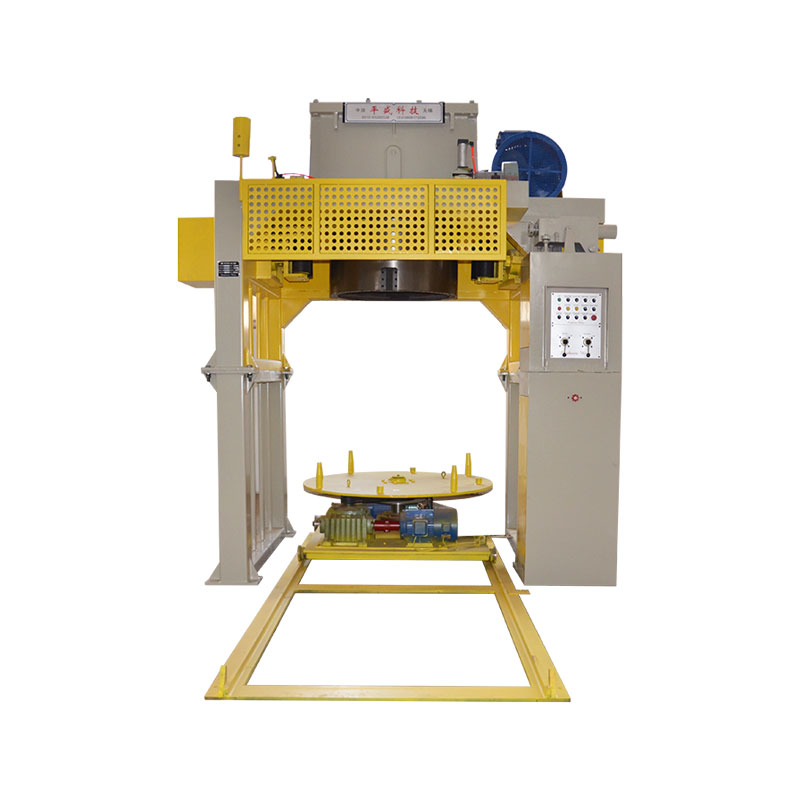
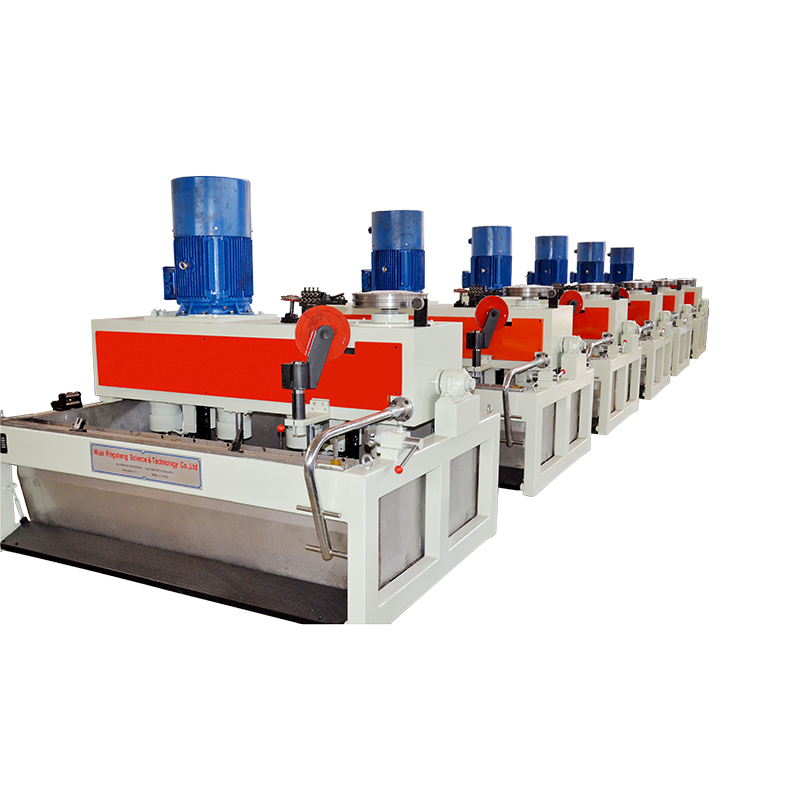
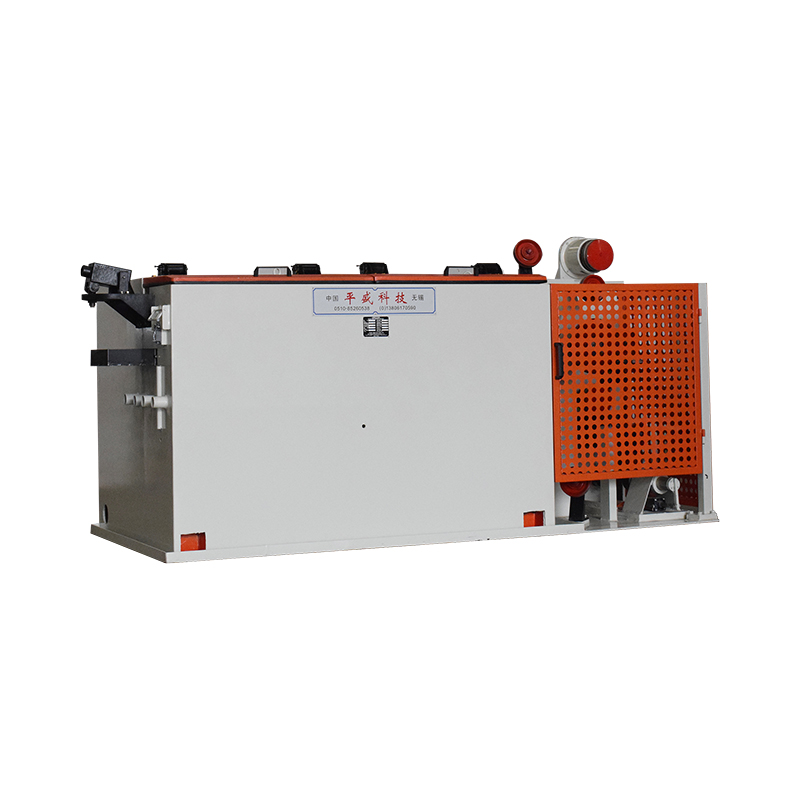
A typical wet wire drawing machine comprises several critical components that ensure smooth operation:
- Drawing Die Assembly: The dies, often made of tungsten carbide or diamond, shape and reduce the wire diameter.
- Lubrication System: This includes tanks, pumps, and nozzles that supply the drawing medium to the wire continuously.
- Capstan and Take-Up Mechanism: These components maintain wire tension and facilitate smooth feeding and winding of the finished wire.
- Cooling System: In high-speed operations, additional cooling systems prevent overheating of both the wire and dies.
- Control Panel: Modern machines feature digital control systems for monitoring speed, tension, and lubrication flow, allowing operators to make precise adjustments.
What Industries Rely on Wet Wire Drawing Machines?
The applications of wet wire drawing machines are vast, reflecting the versatility of the technology. Some of the major industries include:
- Electrical and Electronics: High-quality copper and aluminum wires for power transmission, circuits, and connectors.
- Automotive: Steel and aluminum wires used in vehicle components, cables, and structural reinforcements.
- Construction: Reinforcement wires, steel cables, and mesh materials for building infrastructure.
- Aerospace: Fine wires for aircraft components, where precision and strength are critical.
- Telecommunications: Ultra-fine wires used in fiber optic cables and other high-performance communication lines.
Each of these industries benefits from the consistent wire quality and high efficiency that wet wire drawing machines provide.
How Does Technology Improve Wet Wire Drawing Efficiency?
Recent advancements in automation and control technology have significantly enhanced the capabilities of wet wire drawing machines. Smart sensors monitor wire tension, die temperature, and lubricant flow in real-time. Computerized control systems adjust these parameters automatically to optimize performance and reduce downtime. Additionally, energy-efficient motors and improved cooling mechanisms have lowered operational costs while maintaining production speed and quality.
Are There Any Challenges Associated with Wet Wire Drawing?
While wet wire drawing offers numerous advantages, it is not without challenges. Some of the common issues include:
- Lubricant Management: Proper disposal or recycling of used lubricants is necessary to comply with environmental regulations.
- Maintenance Requirements: Wet drawing machines require regular maintenance to prevent corrosion, clogging, or contamination of the lubrication system.
- Initial Cost: Advanced wet wire drawing machines can be expensive to install, although the long-term benefits usually outweigh the investment.
- Skill Requirements: Operators need specialized training to manage the process effectively, especially in high-precision applications.
What Are the Future Trends in Wet Wire Drawing Technology?
The future of wet wire drawing machines is closely tied to industrial automation, sustainability, and material innovation. Key trends include:
- Eco-Friendly Lubricants: Development of biodegradable and recyclable lubricants to reduce environmental impact.
- High-Speed Drawing: Machines capable of handling ultra-high-speed operations without compromising wire quality.
- Smart Manufacturing: Integration with Industry 4.0 technologies for predictive maintenance, real-time monitoring, and process optimization.
- Material Diversification: Machines capable of handling new alloys and composite materials for next-generation industrial applications.
These trends suggest that wet wire drawing machines will remain a cornerstone of wire production while evolving to meet new industrial challenges.
Conclusion: Why Should Manufacturers Consider Wet Wire Drawing Machines?
So, why has the wet wire drawing machine become an indispensable tool in modern wire manufacturing? The answer lies in its combination of efficiency, precision, and adaptability. By reducing friction, improving surface quality, and enabling high-speed production, wet wire drawing machines meet the growing demands of industries that rely on fine wires and cables.
Investing in this technology not only enhances product quality but also contributes to operational efficiency, sustainability, and long-term profitability. For manufacturers looking to stay competitive in a rapidly evolving market, understanding and leveraging wet wire drawing technology is no longer optional—it’s essential.
In summary, the wet wire drawing machine is more than just a piece of industrial equipment—it is a gateway to higher quality, efficiency, and innovation in wire production. For those who ask, “Is this machine necessary for modern wire manufacturing?” the answer is a resounding yes. Its advantages in lubrication, heat management, and precision are unmatched, making it a critical asset for industries worldwide.