
 EN
EN
 English
 Español
 Français
 Português
 عربى
عربى
What factors should be considered when choosing an inverted vertical wire drawing machine for industrial use?
Content
Introduction to Inverted Vertical Wire Drawing Machines
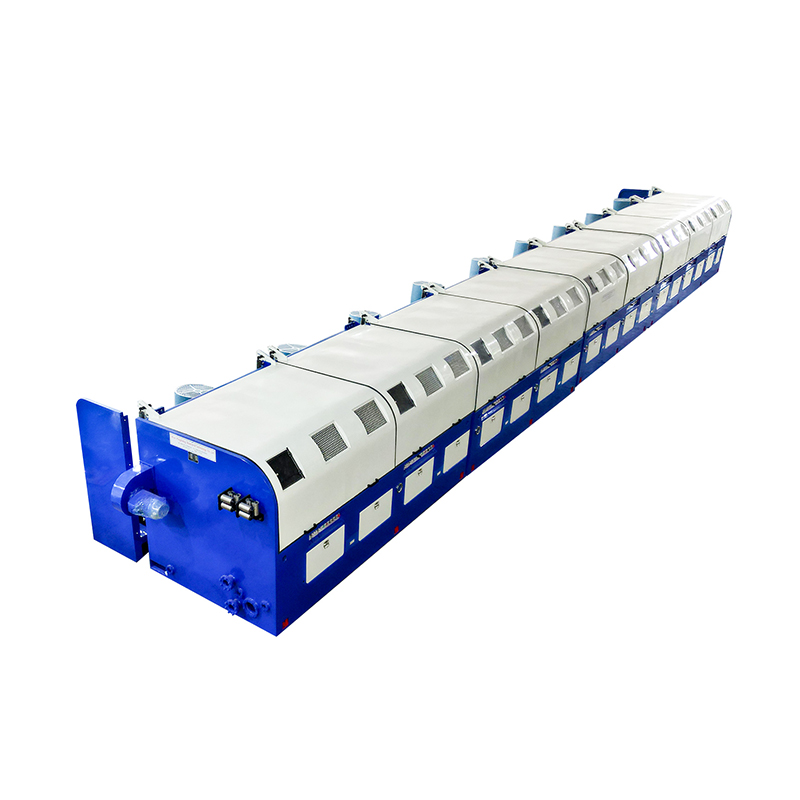
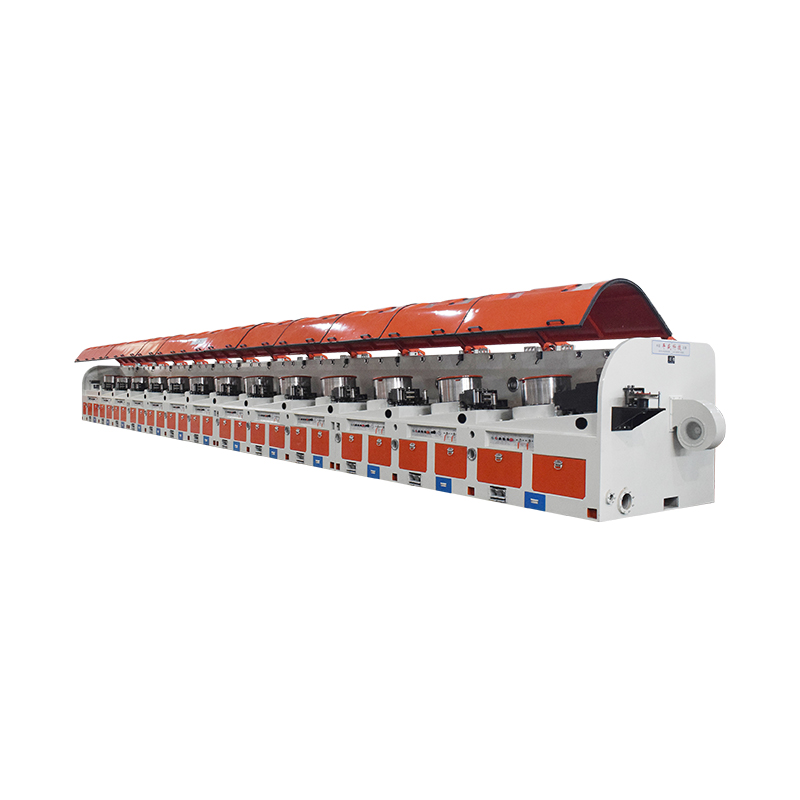
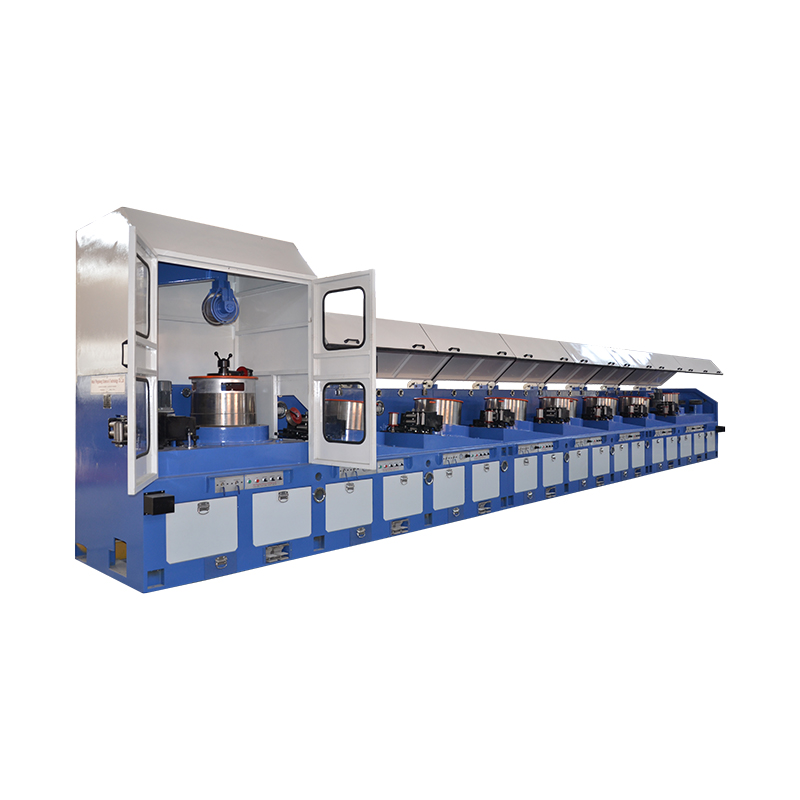
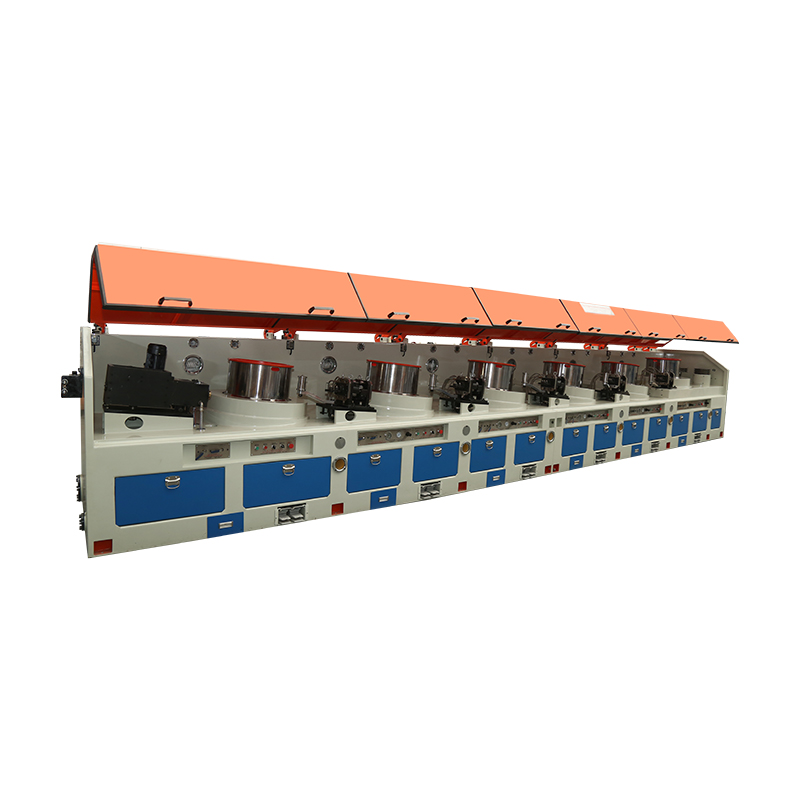
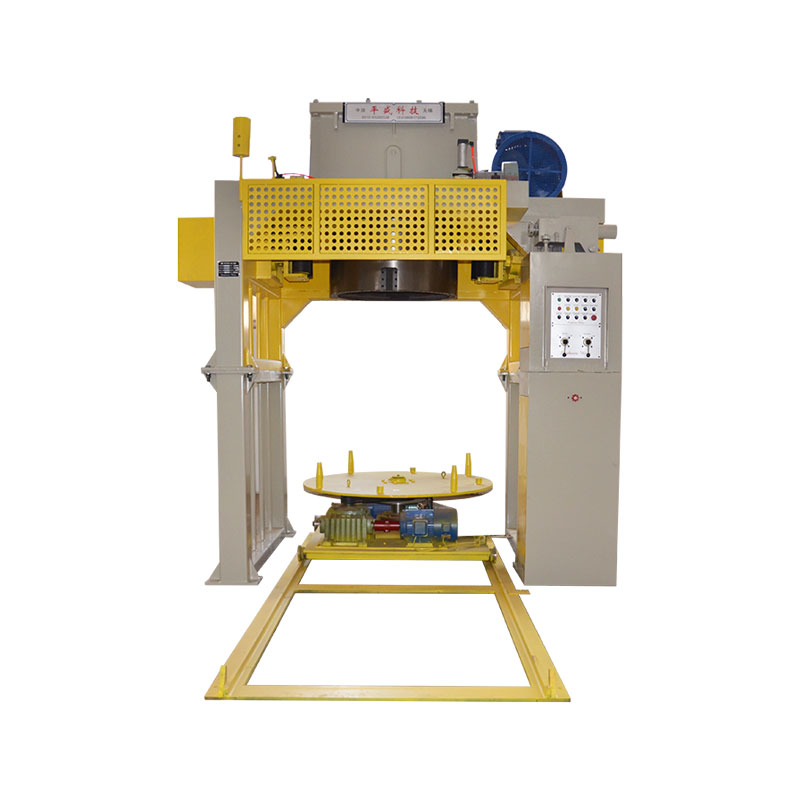
Inverted vertical wire drawing machines are widely used in modern wire manufacturing for metals such as copper, aluminum, and steel. Their unique vertical design allows for efficient wire reduction while maintaining high-quality surface finishes. Selecting the right machine is critical for industrial operations to ensure productivity, energy efficiency, and long-term reliability.
Understanding Machine Specifications
Before investing in an inverted vertical wire drawing machine, it's essential to understand the key specifications that impact performance. These include:
- Wire diameter range: Machines vary in the minimum and maximum wire diameters they can handle efficiently.
- Reduction ratio: Determines how much the machine can reduce the wire's cross-section in a single pass.
- Number of drawing dies: More dies allow finer control and higher reduction efficiency.
- Motor power and speed: Directly affects production capacity and energy consumption.
- Machine dimensions: Ensures the machine fits the available factory space without compromising safety or maintenance access.
Material Compatibility
Different metals and alloys have distinct drawing properties. It’s essential to choose a machine compatible with the materials you intend to process. Key considerations include:
- Hardness and tensile strength: Machines must handle the stress of hard metals without excessive wear.
- Surface finish requirements: Certain machines offer superior polishing and reduced surface defects.
- Lubrication compatibility: Ensures smooth operation and minimizes wire breakage or machine damage.
Energy Efficiency and Sustainability
Energy consumption is a major factor in the total operational cost. Consider machines that optimize power usage while maintaining production speed. Features to look for include:
- High-efficiency motors and drives.
- Variable speed control for different wire sizes.
- Regenerative braking systems to reduce energy loss.
- Environmentally-friendly lubricants and minimal waste production.
Automation and Control Systems
Modern inverted vertical wire drawing machines feature advanced automation, which enhances precision and reduces labor costs. Key considerations include:
- Digital control panels for real-time monitoring of speed, tension, and die wear.
- Automatic wire feeding and coiling to reduce manual handling.
- Integration with factory management software for production tracking.
- Safety interlocks to prevent accidents during operation.
Maintenance and Durability
The longevity of a wire drawing machine is heavily influenced by its build quality and ease of maintenance. When evaluating options, consider:
- Availability of replacement parts and die sets.
- Ease of access to critical components for cleaning and repair.
- Durable frame construction to reduce vibration and wear.
- Manufacturer support and warranty coverage for major components.
Cost and Return on Investment
While initial purchase price is important, total cost of ownership includes energy, maintenance, and labor. Consider the following:
- Efficiency gains and higher output may offset a higher initial cost.
- Reduced downtime from better maintenance accessibility increases profitability.
- Energy-efficient machines lower operational expenses over the machine’s lifetime.
- Consider financing options or leasing if upfront costs are a constraint.
Conclusion
Choosing the right inverted vertical wire drawing machine involves balancing specifications, material compatibility, energy efficiency, automation, and maintenance considerations. By carefully evaluating these factors, manufacturers can ensure reliable production, reduce operational costs, and maintain high-quality output for various wire applications.