
 EN
 English
 Español
 Français
 Português
 عربى

How Can You Improve Wire Drawing Efficiency with the Right Rolling Cassette?
Content
In wire production, “rolling cassette” describes a compact roll assembly used on straight-line wire drawing machines. It is an industrial component, not the audio tape format that often appears in search results. The cassette holds rolls that guide or work the wire as part of a drawing line, usually alongside capstans, dies, lubrication, and control systems. In our experience since 1985, the term has been used loosely for several roll-based arrangements; the common thread is modular rolls, controlled contact, and a repeatable wire path. A well-chosen cassette is not a shortcut to better quality. It has to fit the pass schedule, lubrication, tension, and maintenance routine. This guide explains the practical points we would check when evaluating a rolling cassette in a modern wire drawing line.
What a Rolling Cassette Does in a Wire Drawing Line
A straight-line wire drawing machine pulls wire through a series of passes. A rolling cassette adds a compact roll set at a chosen point in that line. Depending on machine design, it can support wire guidance, distribute contact load, or work with the drawing die arrangement. The aim is not to replace good die practice, but to make the wire path more stable and controllable. Because the cassette is modular, rolls can be inspected or replaced without rebuilding the whole machine, which matters in continuous production.
Direct-drive and rolling cassette designs are often discussed together because both affect the same outcome: consistent speed, tension, and surface quality. Direct drive addresses how the drum or capstan receives power; a rolling cassette addresses how the wire is contacted or guided at a specific stage. The two should be evaluated as a system, not as separate badges on a specification sheet.
| Question | Why it matters | What to check |
|---|---|---|
| Does the cassette fit the pass schedule? | Pass reduction and wire path affect load, tension, and surface quality. | Confirm the roll set, wire range, and position in the line. |
| Is lubrication reaching the contact area? | Poor lubrication increases friction, heat, and wear. | Check flow, cleanliness, drainage, and temperature where applicable. |
| Are the rolls and bearings in good condition? | Worn rolls can mark wire and disturb tension. | Inspect for scoring, flat spots, play, noise, and contamination. |
| Is the cassette aligned with the wire path? | Misalignment creates side load and uneven wear. | Verify mounting faces, fasteners, and free rotation before production. |
| Can operators service it safely? | Access affects maintenance quality and downtime. | Review lifting, threading, cleaning, and spare-parts routines. |
Why Wire Producers Consider a Rolling Cassette
Friction and contact load are central to wire drawing. In some lines, a rolling cassette can reduce sliding resistance compared with a fixed contact. That may help with surface quality, load on the wire, and stability at speed. The result still depends on material, surface finish, lubrication, alignment, reduction, and machine control. For high-carbon and PC wire, surface defects and tension swings are costly, so the cassette must be checked as part of the whole line rather than as an isolated upgrade.
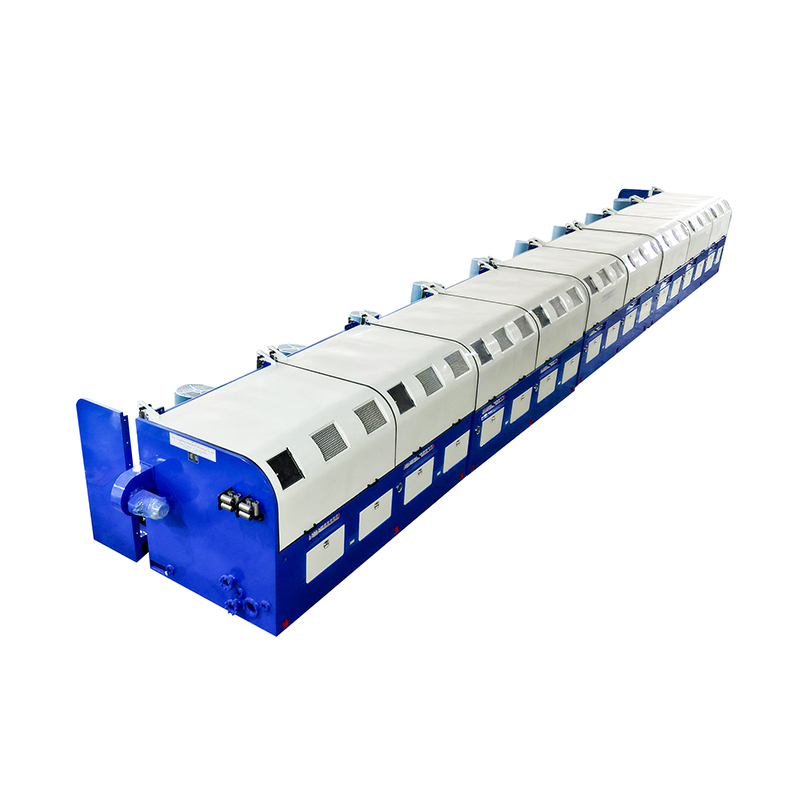
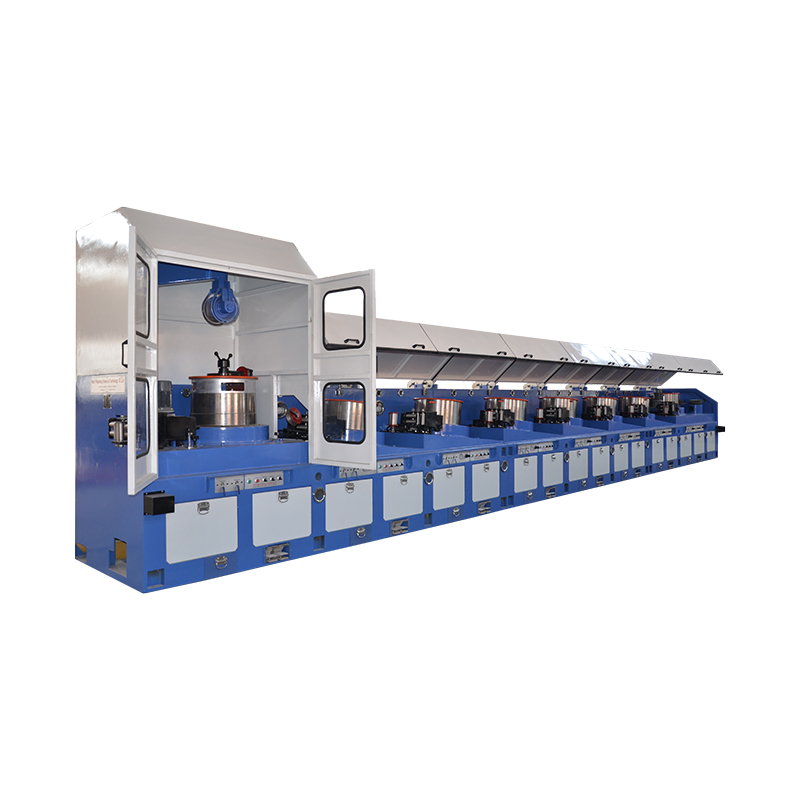
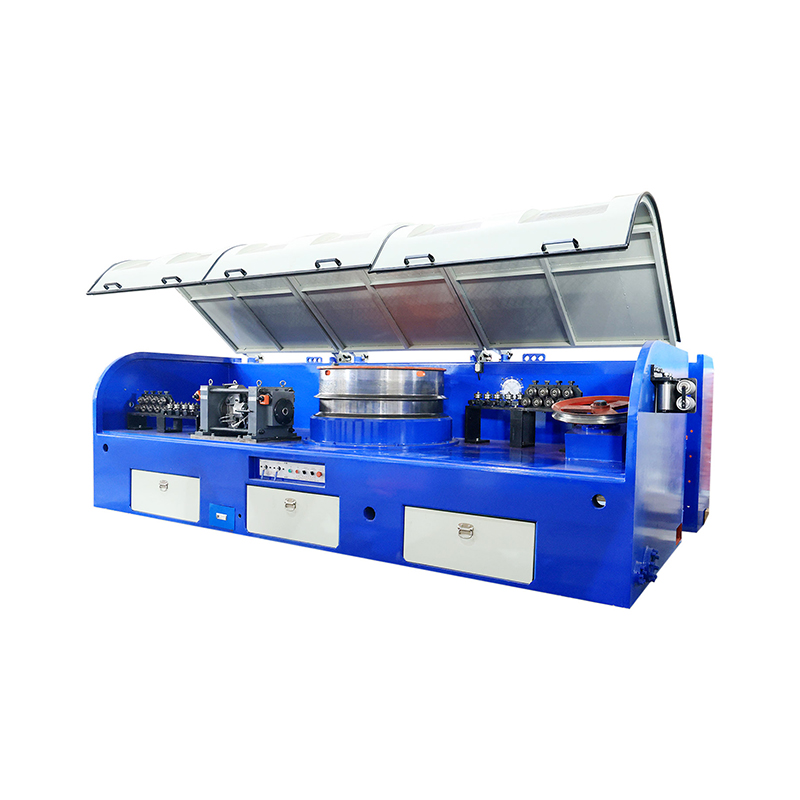
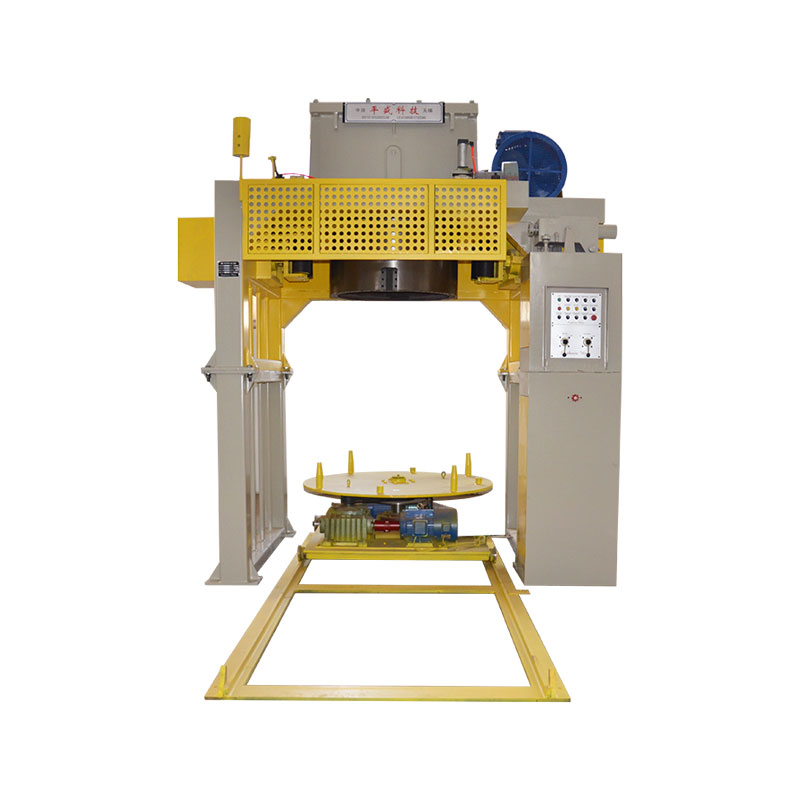
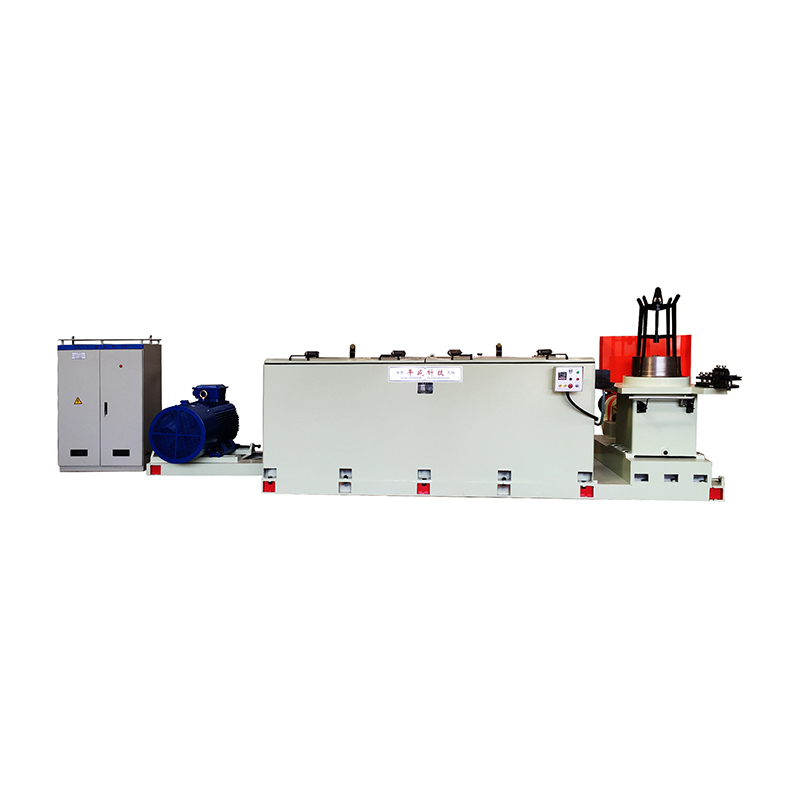
 Direct Drive Rolling Cassette Wire Drawing MachineCombines direct drive and a rolling cassette to reduce sliding contact, with practical checks for line condition, lubrication, alignment, and tension.View Product →
The practical benefits are usually cumulative: fewer handling marks, less vibration, easier roll replacement, and a more predictable wire path. A cassette should not be expected to correct poor lubrication or misalignment. If the line already has unstable tension, dirty lubricant, or worn dies, address those first. Otherwise, the cassette may simply carry the same problem to a new part of the machine.
Rolling cassette choices also affect maintenance planning. A design that allows quick roll inspection and secure re-setting can reduce the risk of operator error during product changes. That is why we prefer to discuss the cassette together with threading routines, spare roll sets, and control recipes, not as a standalone catalogue item.
Setup and Operation: Alignment, Lubrication, and Tension
Commissioning a rolling cassette is mostly about alignment and cleanliness. The cassette should sit square to the wire path, the rolls should turn freely, the bearings should have no unwanted play, and lubricant should be clean and correctly directed. Even a small misalignment can create side load, uneven wear, and inconsistent wire quality.
Before first production
- Confirm that the cassette and roll set match the intended wire range and line position.
- Check mounting faces, fasteners, roll clearances, and free rotation.
- Verify lubrication flow, filtration, drainage, and any cooling requirement.
- Run the line empty at low speed and listen for noise or rubbing.
- Thread scrap wire and inspect the path, surface, and tension behavior before full speed.
During production
- Watch tension and speed stability during ramp-up and product changes.
- Check for vibration, unusual noise, wire marks, and lubricant carry-over.
- Keep lubricant filtered and within the recommended operating condition.
- Log roll running hours and note any change after a cassette service.
Controls matter too. If the machine uses digital control, make sure the cassette’s role is reflected in speed and tension recipes. Operators should know when a recipe change requires a different roll set or a re-threading procedure. A simple check sheet at the machine is often more useful than a long manual that nobody reads during a shift change.
Maintenance That Protects Wire Quality
Rolling cassette maintenance is not just about replacing worn rolls. It is a routine that protects the wire, the machine, and the next production run. Inspect rolls for scoring, flat spots, build-up, and surface damage. Check bearings and seals for play, heat, or contamination. Clean the cassette housing and lubricant passages, then verify alignment and locking after every roll change.
Use the wire as the final inspection. Scratches, chatter marks, ovality, or tension spikes after a cassette change should trigger a check, not a speed increase. Keep records by product and wire grade so that repeated issues can be traced to a roll set, a lubrication change, or an operator routine. This is especially important where the line runs high-carbon or PC wire and the cost of a surface defect is high.
Our production is supported by an ISO 9001 quality management system certification from 2023 and ongoing research and development, including patented technology according to company information. Certification is not a substitute for daily checks, but it does reinforce the value of documented procedures, traceable maintenance, and a clear spare-parts plan.
Matching a Rolling Cassette to Your Line
Selecting a rolling cassette starts with the wire, not the catalogue. Share the material grade, incoming wire condition, finished diameter, pass schedule, line speed, lubrication type, control platform, and available space. Ask for roll material details, reconditioning guidance, spare roll sets, and commissioning support. Because every line has its own balance of reduction, tension, and surface requirements, a cassette should be matched to the machine configuration rather than chosen by name alone.
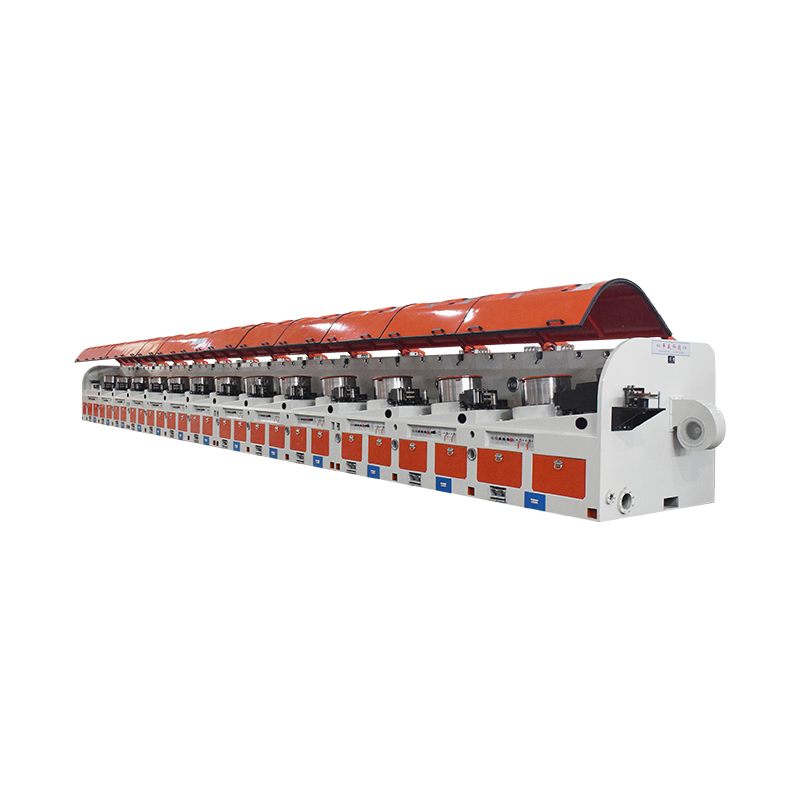
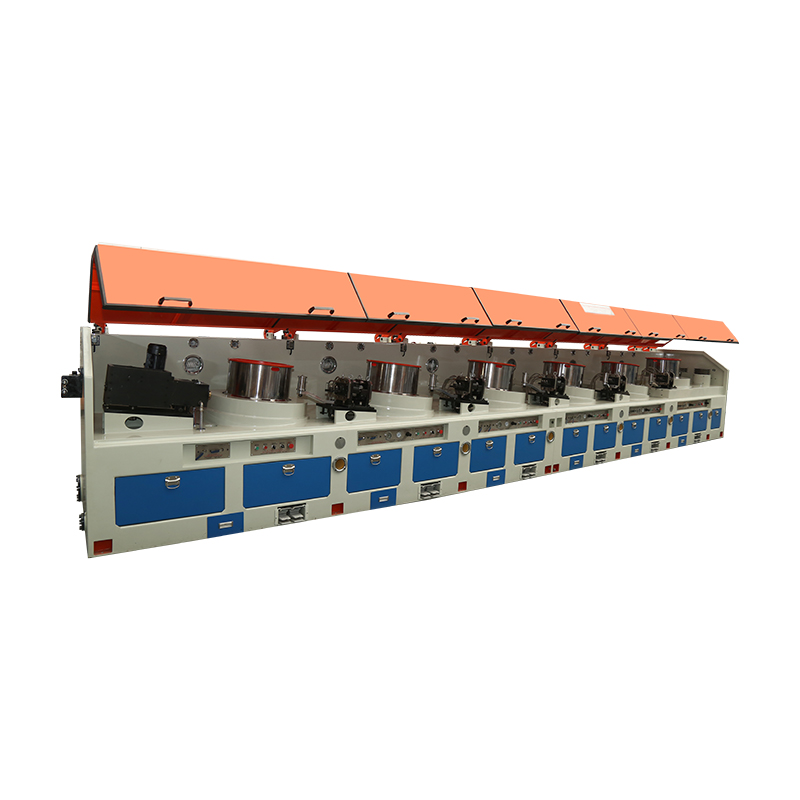
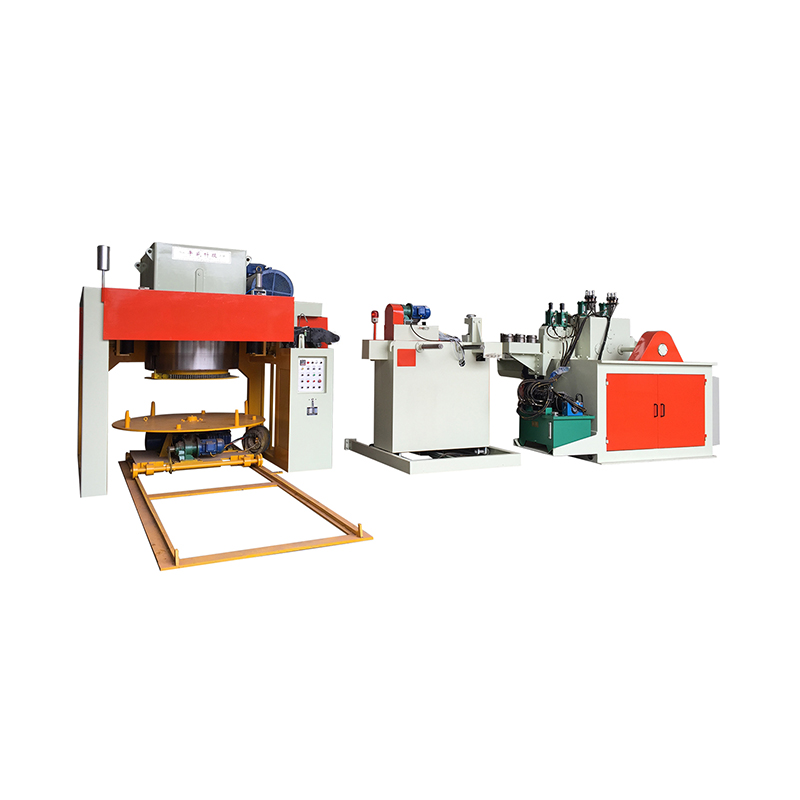
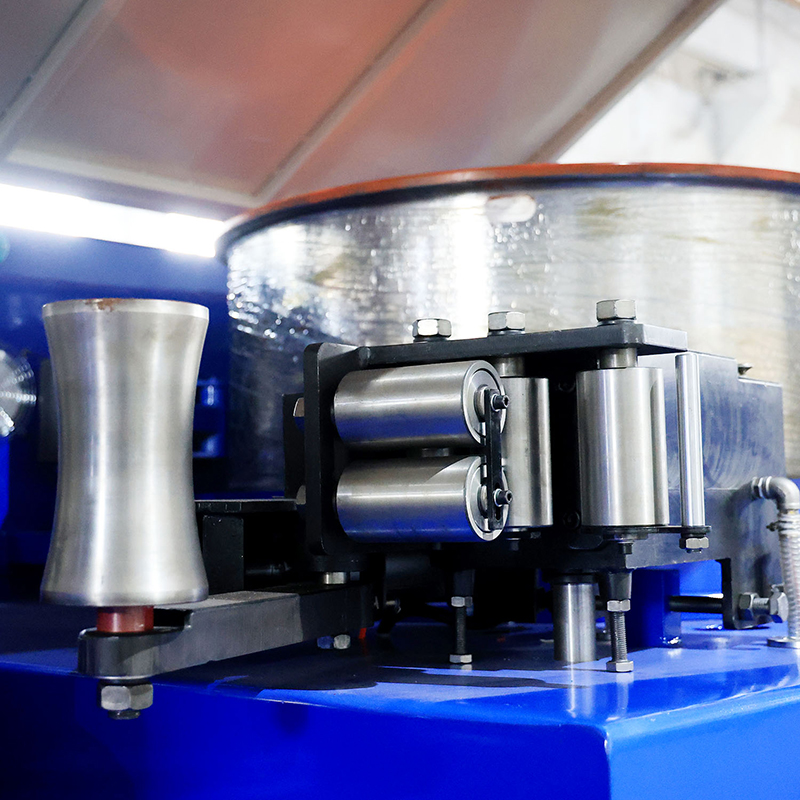 High Carbon PC Wire Drawing LineBuilt for high-carbon and PC wire with multiple dies, automatic tension control, and high-speed operation; match roll details and line integration before trial.View Product →
For a new line, a rolling cassette may be combined with straight-line drawing, pay-off, take-up, surface treatment, and controls. For an existing line, the question is whether the cassette can be integrated without upsetting the pass schedule or operator routines. A trial plan with baseline wire samples is more useful than a theoretical speed claim. Compare surface quality, tension stability, roll wear, and maintenance time before and after the change.
Since 1985, our team has supplied drawing machines and auxiliary equipment to metal products producers in China and overseas. We would rather ask detailed questions than promise that a cassette will fix every problem. The right result comes from a machine, cassette, lubricant, and operating routine that work together.
Common Questions About Rolling Cassettes
Is a rolling cassette the same as an audio cassette?
No. In this context, it is an industrial roll assembly used in wire drawing equipment. The name refers to the cassette-like housing or module, not magnetic tape.
Does a rolling cassette replace drawing dies?
Not necessarily. Depending on the machine design, it may guide, support, or work with the wire at a particular stage. It should be evaluated as part of the complete drawing line.
Can a rolling cassette be added to an existing line?
Sometimes, but integration depends on space, pass schedule, tension control, lubrication, and safety. A technical review is needed before assuming a retrofit is suitable.
What most affects wire quality after installation?
Alignment, roll condition, lubricant cleanliness, tension stability, and operator discipline have a major influence. A cassette cannot compensate for poor maintenance or an unstable process.